

If you care for feral cats in your neighborhood, you’ve probably wondered: is it safe to feed them kitten chow? You want to give them the best nutrition, but you also worry about their health and well-being.
Feeding feral cats the wrong food can cause problems, but choosing the right option can help them stay strong and healthy. Keep reading to discover what experts say about giving feral cats kitten chow and how you can make the safest choice for your furry friends.
Nutritional Needs Of Feral Cats
Feral cats have unique nutritional needs that differ from domestic cats. Their lifestyle affects what they require to stay healthy. Understanding these needs helps provide the right care for feral cats, especially when feeding them.
Proper nutrition supports their energy, immune system, and overall health. It is important to know what nutrients are essential for adult feral cats and growing kittens.
Differences Between Feral Cats And Domestic Cats
Feral cats live outdoors and hunt for food. They eat small animals like mice and birds. Domestic cats usually eat commercial cat food at home. Feral cats need more protein and fat to maintain their energy. They face more stress and harsh weather than house cats. This increases their nutritional demands.
Essential Nutrients For Adult Cats
Protein is the most important nutrient for adult cats. It helps build muscles and repair tissues. Fat provides energy and helps absorb vitamins. Taurine, an amino acid, supports heart and eye health. Vitamins A, D, and E are vital for skin and immune function. Minerals like calcium and phosphorus keep bones strong.
Growth Requirements For Kittens
Kittens need extra nutrients for fast growth. They require more protein and fat than adults. Calcium and phosphorus support bone development. DHA, a fatty acid, helps brain and eye growth. Kittens also need higher calories to fuel their energy. Balanced nutrition ensures healthy kittens grow into strong adults.
Kitten Chow Composition
Kitten Chow is designed to meet the special needs of young cats. Its composition supports healthy growth and energy. Understanding what it contains helps decide if it is safe for feral cats.
Protein And Calorie Content
Kitten Chow has higher protein than adult cat food. Protein helps build strong muscles and supports growth. It also has more calories to fuel active kittens. This extra energy is important for kittens but may be too rich for some feral cats.
Vitamins And Minerals Included
This food contains essential vitamins like A, D, and E. It also has minerals such as calcium and phosphorus. These nutrients help develop strong bones and a healthy immune system. Balanced vitamins and minerals keep kittens healthy and growing well.
Intended Age Group For Kitten Food
Kitten Chow is made for cats under one year old. It matches the nutritional needs of growing kittens. Adult cats or feral cats might not need this much nutrition. Feeding kitten food to older cats should be done with care.
Suitability Of Kitten Chow For Feral Cats
Feeding feral cats can be tricky. Kitten chow offers more nutrients than regular cat food. But is it right for adult feral cats? This section explores the suitability of kitten chow for feral cats. It covers benefits, risks, and when it might be a good choice.
Benefits Of Feeding Kitten Chow To Adults
Kitten chow is rich in protein and fats. These nutrients help adult feral cats stay strong. It supports muscle health and energy levels. The food also contains vitamins for a healthy coat. It can be especially helpful for thin or sick feral cats. Kitten chow provides extra calories to help them gain weight.
Potential Risks And Concerns
Too much kitten chow can cause weight gain. Adult cats need fewer calories than kittens. High fat and protein might lead to health problems. Some feral cats may develop digestive issues. Feeding only kitten chow lacks balance in their diet. Long-term feeding may cause nutrient imbalances. Watch for signs of discomfort or illness.
When Kitten Chow Might Be Appropriate
Kitten chow suits feral cats recovering from illness. It helps those needing extra nutrition fast. Also good for young feral cats not fully grown. Use it during cold months for more energy. Rotate with regular adult cat food for balance. Always provide fresh water alongside the food.
Credit: ocgainesville.org
Expert Recommendations
Experts offer clear advice on feeding feral cats. Their views help us make safe choices. Understanding these recommendations ensures we support feral cats’ health well.
Veterinarian Perspectives
Veterinarians stress the importance of proper nutrition. Kitten chow is rich in protein and fats. These nutrients help young and growing cats thrive. For feral cats, vets suggest kitten chow in small amounts. It supports energy needs without causing weight issues. Still, vets warn against feeding kitten chow exclusively. Balanced diets prevent health problems over time.
Animal Welfare Organizations’ Guidelines
Animal welfare groups promote feeding feral cats responsibly. They recommend high-quality commercial cat food. Kitten chow is acceptable as a short-term option. Groups emphasize water availability alongside dry food. Feeding should not encourage crowding or aggression. Consistent feeding times help maintain feral cat health. They advise against homemade or human food only.
Alternatives To Kitten Chow
Alternatives include adult cat food with high protein. Canned foods offer hydration benefits. Some suggest mixing dry and wet foods. Raw diets require careful preparation and hygiene. Feeding small mammals or fish is natural but risky. Quality commercial foods remain the safest and easiest choice. Variety can help meet nutritional needs better.
Practical Tips For Feeding Feral Cats
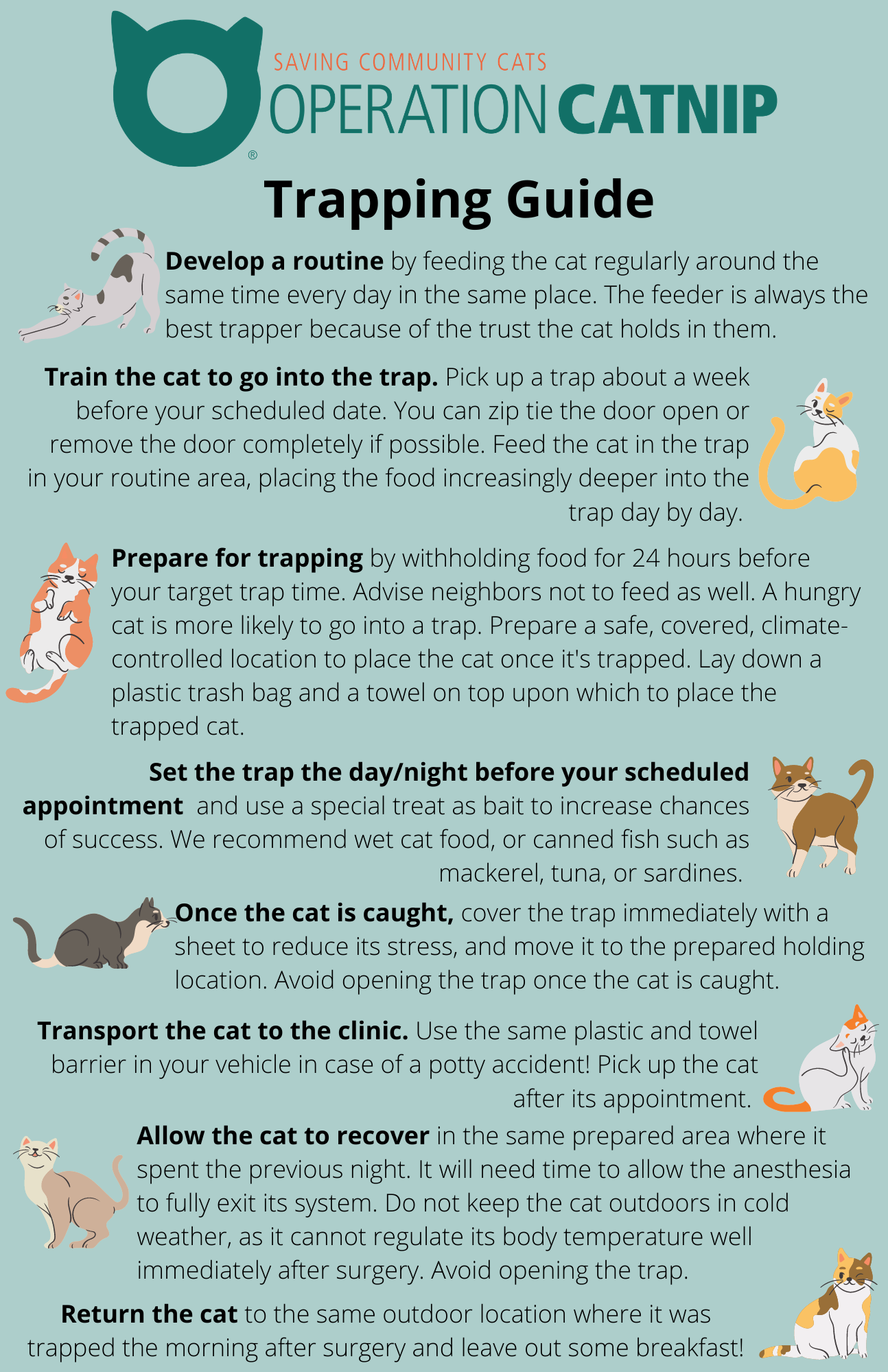
Feeding feral cats requires care and attention. These cats live outdoors and rely on people for food. Feeding them properly helps keep them healthy. It also prevents problems in neighborhoods. Follow practical tips to feed feral cats safely and effectively.
Portion Control And Feeding Frequency
Feed small amounts of food at regular times. Avoid leaving food out all day. Too much food can attract pests and wildlife. Twice a day feeding is usually enough. Watch how much the cats eat. Adjust portions to avoid waste and spoilage.
Safe Feeding Locations
Choose quiet, hidden spots to feed feral cats. Avoid busy or noisy places to reduce stress. Use a consistent location for feeding. This helps cats feel safe and return regularly. Keep the area clean to prevent diseases. Remove leftover food after feeding times.
Monitoring Health And Behavior
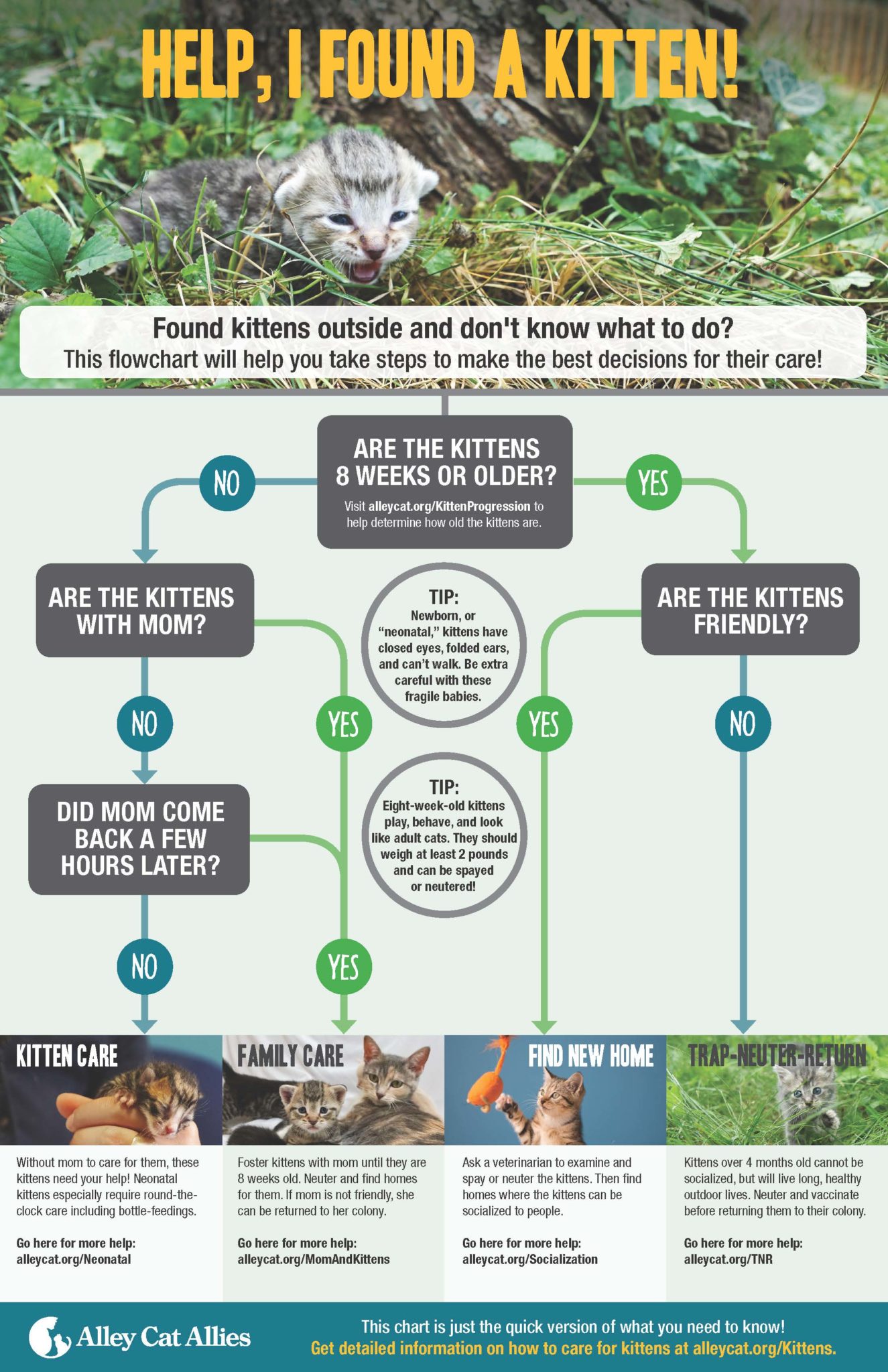
Observe cats during feeding for signs of illness. Look for limping, coughing, or unusual behavior. Healthy cats eat quickly and seem alert. Sick cats may avoid food or hide. Contact local animal groups for help if needed. Regular watching helps keep the feral cat group healthy.

Credit: www.dakinhumane.org
Credit: www.alleycat.org
Frequently Asked Questions
Is Kitten Chow Safe For Feral Cats To Eat?
Yes, Kitten Chow is safe for feral cats. It provides essential nutrients that support growth and health. However, it is best to ensure fresh water is available alongside the food.
Can Adult Feral Cats Eat Kitten Chow Safely?
Adult feral cats can eat Kitten Chow occasionally. It is richer in calories and nutrients meant for kittens. For long-term feeding, adult cat food is more suitable to meet their needs.
Will Kitten Chow Meet Feral Cats’ Dietary Needs?
Kitten Chow meets basic dietary needs with protein and vitamins. However, feral cats benefit from a balanced diet, including hunting or supplemented adult cat food for overall health.
How Often Should Feral Cats Eat Kitten Chow?
Feral cats can eat Kitten Chow once or twice daily. Consistent feeding helps maintain their health, but avoid overfeeding to prevent obesity and digestive issues.
Conclusion
Feeding feral cats kitten chow can be safe for a short time. Kitten food has more nutrients and calories for growing cats. But adult feral cats need balanced food for long-term health. Avoid feeding only kitten chow every day. Fresh water is also very important.
Watch the cats’ health and behavior closely. Consult a vet if you can. Caring for feral cats takes patience and attention. This helps them stay healthy and strong in the wild.