
Potty training your cat to use the toilet might sound tricky, but it’s easier than you think. Imagine no more litter boxes to clean or worries about odors in your home.
You can teach your cat this smart habit step by step, saving time and keeping your space fresh. If you’ve ever wondered how to make this happen, you’re in the right place. Read on, and you’ll discover simple, effective tips that will change the way you care for your furry friend forever.
Credit: www.tda-int.org
Choosing The Right Toilet Trainer
Choosing the right toilet trainer is a key step in potty training your cat. The right trainer makes the process easier and more comfortable for your pet. It supports gradual learning and helps avoid accidents. Picking a trainer that suits your cat’s size and personality is important. Also, consider the trainer’s material and design for safety and hygiene.
Types Of Cat Toilet Trainers
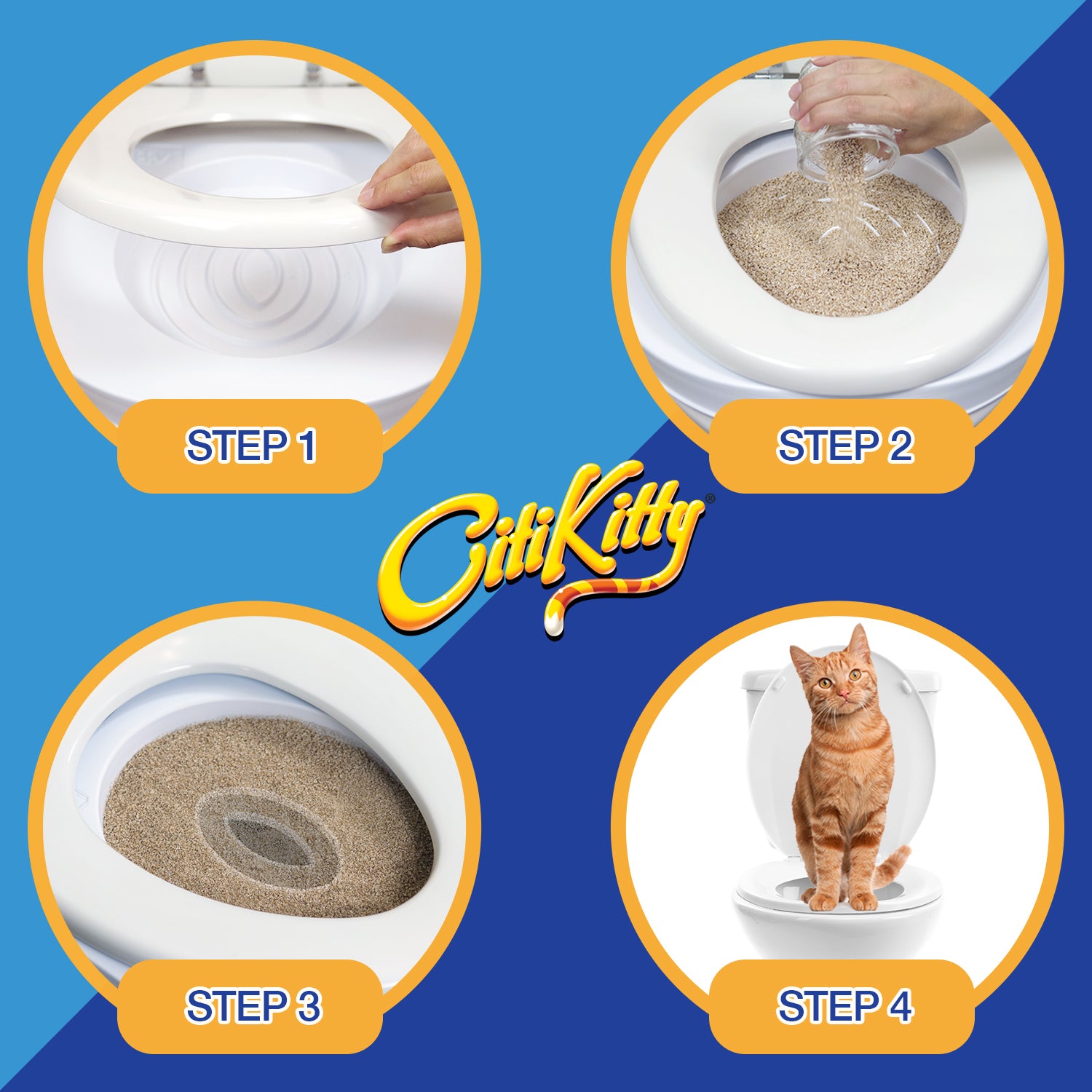
There are several types of cat toilet trainers. Some trainers use a simple seat that fits over your toilet bowl. Others have a series of trays that reduce in size over time. Some trainers include a removable litter tray to ease the transition. Choose a type that matches your cat’s confidence and pace of learning. Each type aims to teach your cat to balance and use the toilet properly.
Features To Look For
Look for trainers made from durable and non-toxic materials. A smooth surface helps keep the trainer clean. Adjustable sizes fit different toilet bowls and cat sizes. Trainers with gradual hole sizes help cats adjust slowly. A stable design prevents wobbling or slipping. Easy cleaning features save time and reduce odors. Comfort and safety should be your top priorities.
Where To Buy
Cat toilet trainers are available online and in pet stores. Online shops offer a wide range of brands and types. Check customer reviews for feedback on quality and ease of use. Local pet stores let you see the trainer before buying. Some stores may offer advice on the best trainer for your cat. Choose sellers with good return policies in case of issues.
Credit: www.hartz.com
Preparing Your Cat For Training
Preparing your cat for toilet training is the first step to success. It requires patience and gentle guidance. Your cat needs time to adjust to the new routine. This section covers how to prepare your cat effectively.
Familiarizing With The Toilet Area
Start by letting your cat explore the bathroom. Leave the toilet lid open so your cat can see inside. Allow your cat to jump on the toilet seat freely. This reduces fear and builds curiosity. Spend a few days on this step before moving forward.
Reducing Litter Box Usage
Gradually move the litter box closer to the bathroom. This helps your cat get used to the new spot. Slowly reduce the amount of litter in the box. This encourages your cat to use less litter over time. The goal is to make the transition smooth and natural.
Building Positive Associations
Reward your cat with treats after using the toilet area. Use calm praise to encourage good behavior. Avoid punishment; it can cause fear or confusion. Create a peaceful environment around the toilet. Positive feelings help your cat accept the new habit faster.
Step-by-step Training Process
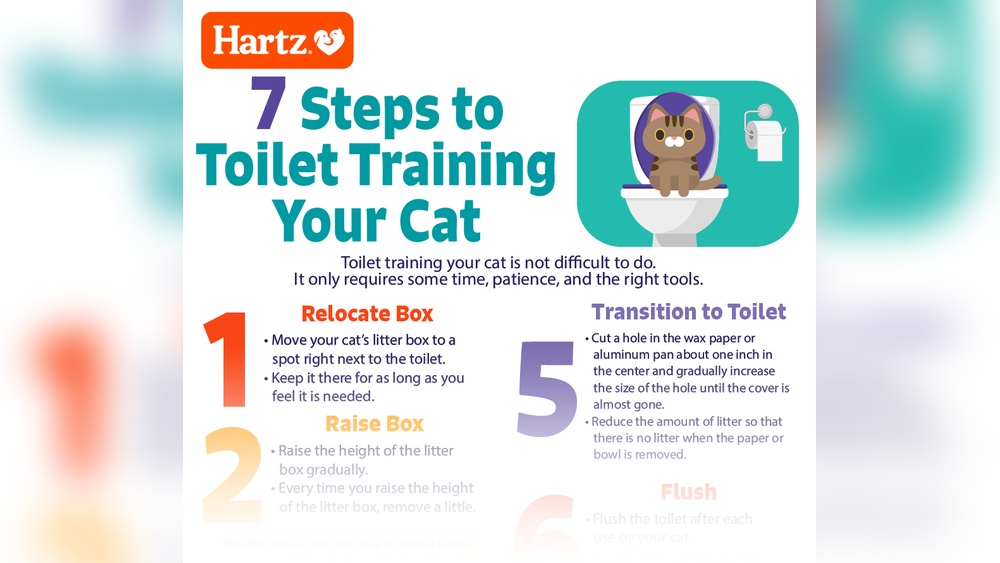
Potty training a cat to use the toilet takes patience and clear steps. Follow these steps carefully to help your cat adjust. Each stage builds on the last. Keep sessions short and positive. This method helps your cat learn without stress.
Introducing The Training Seat
Start by placing a training seat inside the litter box. This seat fits over the box and has a small hole in the middle. Let your cat get used to it for a few days. The goal is to make the seat feel normal. Praise your cat when it uses the seat.
Gradually Raising The Seat Height
Slowly raise the training seat over several days. Use stacks of newspapers or boxes under the litter box. Raise it a little each day. This helps your cat learn to balance on higher surfaces. Watch for signs of stress. Stop raising if your cat seems scared.
Transitioning To Toilet Use
Place the training seat on the toilet bowl. The hole in the seat should be small at first. Gradually make the hole bigger over time. Remove litter slowly so your cat uses the water below. Stay patient and encourage your cat with soft words.
Handling Common Challenges
Potty training a cat to use the toilet can be tricky. Many pet owners face common challenges during training. Understanding these challenges helps you stay patient and keep progress steady. This section covers how to handle accidents, manage fear or resistance, and adjust the training pace for your cat’s comfort.
Dealing With Accidents
Accidents happen. Your cat might not get it right every time. Clean the area well to remove smells. Use an enzyme cleaner to stop repeat accidents. Never punish your cat. Punishment can cause fear and confusion. Instead, gently guide your cat back to the toilet training routine. Consistency is key to success.
Managing Fear Or Resistance
Some cats feel scared or resist toilet training. They may avoid the toilet or hide. Give your cat time to adjust. Use treats and praise to create positive feelings. Let your cat explore the toilet setup at their own pace. Avoid forcing or rushing. Calm and patience help build trust.
Adjusting The Training Pace
Every cat learns differently. Some cats need more time than others. Watch your cat’s behavior closely. Slow down the training if signs of stress appear. Break the training into smaller steps. Celebrate small victories to encourage your cat. A steady pace leads to better long-term results.
Maintaining Success Long-term
Keeping your cat toilet trained over time takes care and attention. Success is not just about teaching once. It means keeping habits strong and your cat comfortable. Small actions help your cat stay confident using the toilet. This section explains key steps to maintain long-term success.
Keeping The Toilet Clean
A clean toilet encourages your cat to use it regularly. Remove waste daily to keep the seat fresh. Use mild cleaners safe for pets. Avoid strong smells that can scare your cat. Wipe the seat and surrounding area to prevent mess. A tidy toilet shows your cat it is a good place.
Monitoring Your Cat’s Behavior
Watch your cat’s actions closely after training. Notice any signs of stress or avoidance. If your cat starts using other spots, act quickly. Look for health problems that might cause accidents. Early detection helps fix issues before habits break. Keep your cat’s comfort and health a priority.
When To Revisit Training
Sometimes your cat might forget or resist the toilet. Changes in routine or health can cause this. If accidents happen often, review the training steps. Go back to earlier stages if needed. Patience and gentle guidance help your cat regain confidence. Revisit training to keep good habits strong.
Benefits Of Toilet Training Your Cat
Toilet training your cat offers many benefits. It changes how you care for your pet daily. It also helps your cat live a cleaner life. Many cat owners find it saves time and effort. The benefits reach beyond just convenience. They affect health, the environment, and your routine.
Health And Hygiene Advantages
Toilet training reduces litter box mess. It keeps your home cleaner and fresher. Your cat avoids stepping in litter and tracking it around. This lowers the chance of germs spreading. A clean environment helps your cat stay healthy. It also lowers risks of infections from dirty litter boxes.
Environmental Impact
Using the toilet cuts down on litter waste. Cat litter often ends up in landfills. Toilet training reduces this waste significantly. It saves natural resources used to make litter. Less litter means less pollution and fewer chemicals. This helps protect the environment for the future.
Convenience For Owners
No more scooping or buying litter bags. Cleaning becomes simpler and faster. You save money on litter supplies. Your daily chores become easier and less messy. Toilet training fits well with busy lifestyles. It frees up time for other activities with your cat.

Credit: www.amazon.ca
Frequently Asked Questions
How Long Does Cat Toilet Training Usually Take?
Cat toilet training typically takes 4 to 8 weeks. Consistency and patience are key. Each cat learns at its own pace. Gradual steps improve success rates. Avoid rushing to prevent setbacks.
What Supplies Are Needed For Potty Training Cats?
You’ll need a cat toilet training kit or a special seat insert. Access to your toilet and safe space are essential. Patience and treats help reinforce good behavior during training.
Can All Cats Be Trained To Use A Toilet?
Most cats can learn toilet use if trained properly. Age, temperament, and health affect success. Kittens adapt faster than older cats. Some cats may prefer traditional litter boxes.
How To Transition From Litter Box To Toilet Successfully?
Gradually move the litter box closer to the toilet. Replace it with a training seat in small increments. Reduce litter over time. Reward your cat for progress to encourage behavior.
Conclusion
Potty training your cat to use the toilet takes time and patience. Stay calm and keep sessions short. Praise your cat often to encourage good habits. Watch for signs your cat is ready to move forward. Small steps lead to big success.
Remember, every cat learns at its own pace. With care and practice, your cat can enjoy a clean, litter-free home. Keep trying, and don’t give up. The effort will be worth it.