
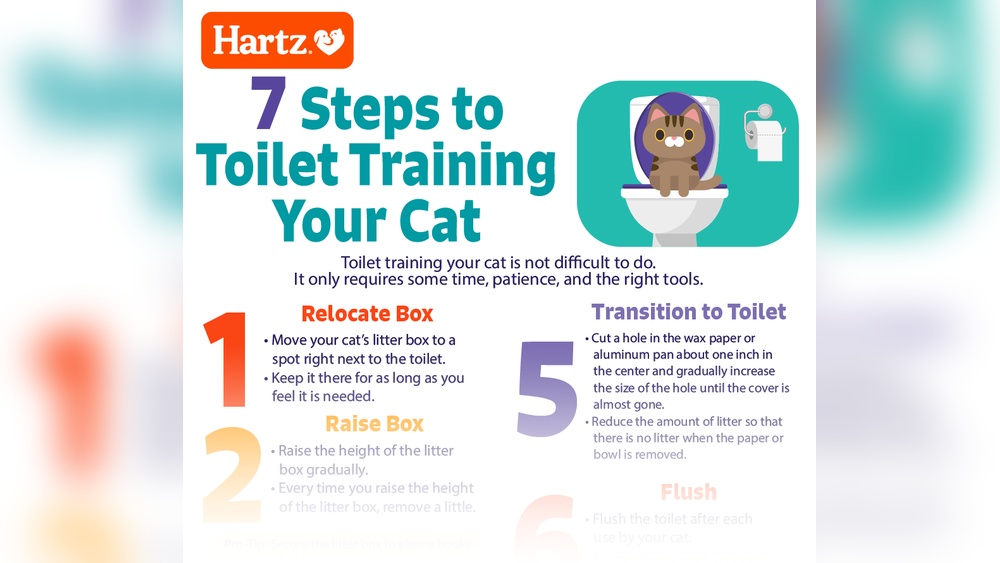
Are you tired of cleaning up after your cat’s accidents? Imagine a home where your furry friend always uses the litter box without fail.
Training your cat to be potty trained might sound tricky, but with the right steps, you can make it happen smoothly. You’ll discover simple and effective ways to teach your cat good bathroom habits. Keep reading, and you’ll learn how to save time, reduce stress, and enjoy a cleaner, happier home with your pet.
Choosing The Right Litter Box
Choosing the right litter box plays a big role in potty training your cat. The right box makes your cat feel safe and comfortable. This helps your cat use it without stress or hesitation. There are many options, so pick one that fits your cat’s needs. Consider your cat’s size, habits, and preferences. A good litter box encourages good potty habits and keeps your home clean.
Size And Type Matters
Select a litter box that fits your cat’s size. Small boxes can feel cramped for bigger cats. Cats need space to turn and dig. Low sides help kittens and older cats enter easily. Some cats prefer covered boxes for privacy. Others like open boxes to avoid feeling trapped. Watch your cat’s behavior and adjust the type as needed.
Placement Tips
Place the litter box in a quiet, low-traffic area. Cats want privacy while doing their business. Avoid noisy or busy spots. Keep the box away from food and water bowls. Ensure easy access for your cat at all times. Try to keep the box on the same floor where your cat spends most time. This reduces confusion and helps build routine.
Keeping It Clean
Clean the litter box daily to prevent bad smells. Scoop out waste and clumps every day. Replace all litter at least once a week. Wash the box with mild soap and water during changes. Cats dislike dirty litter boxes and may avoid using them. A clean box keeps your cat happy and healthy. It also protects your home from odors.
Selecting The Best Litter
Choosing the right litter helps your cat feel comfortable using the potty. It affects how well your cat adapts to the litter box. Good litter controls odor and is easy to clean. It also suits your cat’s habits and preferences. Let’s explore different types of litter and what works best.
Types Of Cat Litter
There are many types of cat litter. Clay-based litter is common and clumps well. Clumping makes cleaning easier. Natural litters use materials like corn, wheat, or wood. They are biodegradable and eco-friendly. Silica gel litter absorbs moisture and controls smell. Each type has pros and cons. Try small amounts to see what your cat prefers.
Scented Vs Unscented
Scented litter has added fragrances to mask odors. Some cats find scents unpleasant or irritating. Unscented litter is plain and smells neutral. It is often better for sensitive cats. Choosing unscented litter helps avoid allergies and keeps your cat comfortable. Watch your cat’s reaction to scented litter before buying.
Texture Preferences
Texture matters a lot for cats. Some like fine, soft litter that feels gentle on paws. Others prefer coarser, grainy textures. If the litter feels strange, cats may avoid the box. Try different textures to find the one your cat likes best. Soft litter often suits kittens and older cats better.
Introducing The Litter Box
Introducing the litter box is the first step to potty training your cat. Cats need a clear and easy place to go. Setting up the litter box right helps your cat learn fast. Make it welcoming and easy to find. This makes your cat feel safe and confident.
Initial Placement
Place the litter box in a quiet, low-traffic area. Avoid busy rooms or near loud machines. Your cat needs privacy to feel comfortable. Keep it away from their food and water bowls. Make sure the spot is easy to reach at all times.
Encouraging Exploration
Let your cat explore the litter box freely. Gently place your cat inside after meals or naps. Watch but don’t force them to stay. Praise softly if they sniff or use the box. This builds a positive habit without stress.
Handling Accidents
Accidents happen. Clean any mess quickly and thoroughly. Use an enzyme cleaner to remove all odors. Avoid punishment to keep your cat calm. Instead, guide them gently back to the litter box.

Credit: www.amazon.com
Establishing A Routine
Creating a steady routine helps your cat learn good bathroom habits. Cats feel safe with a regular schedule. It makes potty training easier and less stressful. Consistency is key to helping your cat understand what to do.
Feeding Schedule
Feed your cat at the same times every day. Regular meals help control when they need to go. Avoid free-feeding or leaving food out all day. A set feeding schedule leads to regular bathroom breaks.
Regular Litter Box Visits
Take your cat to the litter box after meals and naps. Watch for signs they need to go. Encourage your cat to use the box often. Frequent visits create good habits and prevent accidents.
Positive Reinforcement
Praise your cat when they use the litter box. Give gentle pets or small treats. Avoid punishment for mistakes. Positive rewards help your cat repeat good behavior and learn faster.
Addressing Common Challenges
Training a cat to use the litter box can come with some challenges. These issues may slow progress or cause confusion. Knowing how to handle common problems helps keep training on track. Patience and consistency make a big difference. Here are some frequent challenges and ways to address them.
Avoiding Litter Box Aversion
Cats may avoid the litter box if it is dirty or smells bad. Clean the box every day to keep it fresh. Use unscented, clumping litter that cats prefer. Place the box in a quiet, private spot away from noise. Avoid sudden changes in litter type or location. These can upset your cat and cause avoidance.
Dealing With Marking Behavior
Marking is when cats spray urine to show territory. Neutering or spaying reduces marking in most cats. Provide enough litter boxes: one per cat plus one extra. Clean marked areas well with enzyme cleaners to remove odors. Use calming sprays or diffusers to reduce stress. Watch for triggers like new pets or changes at home.
Managing Multiple Cats
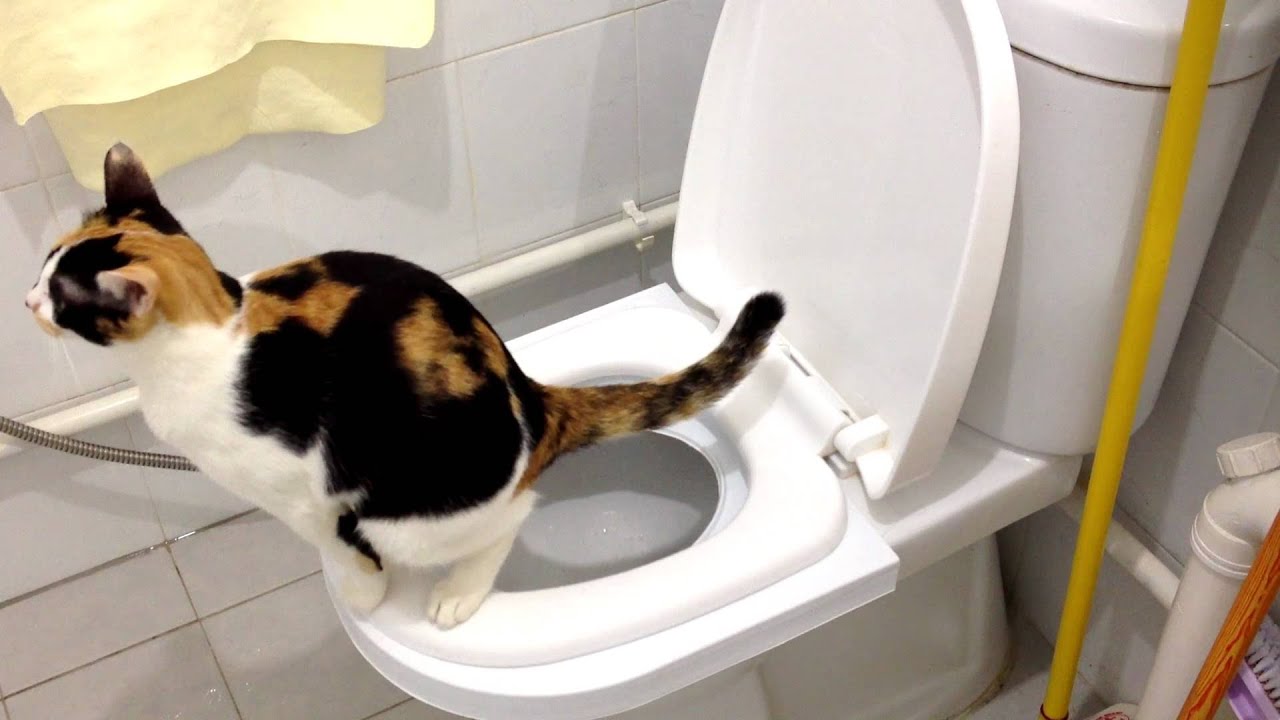
Multiple cats can cause competition over litter boxes. Provide several boxes in different locations around the house. Each cat should have easy access to a box at all times. Keep boxes clean to avoid fights or avoidance. Observe cat interactions and separate if needed. A calm environment helps all cats use the litter box properly.
Credit: www.audioglobal.com.br
When To Seek Veterinary Help
Training a cat to use the litter box takes patience and care. Sometimes, problems arise that need more than training. Knowing when to seek veterinary help is key to keeping your cat healthy and happy. Signs of health or behavior issues may mean a vet visit is needed.
Identifying Health Issues
Changes in bathroom habits can signal health problems. Cats may avoid the litter box due to pain or discomfort. Urinary tract infections are common and cause frequent, painful urination. Kidney issues or bladder stones also affect bathroom behavior. Watch for blood in urine, straining, or crying during urination. These signs need prompt veterinary attention. Early treatment helps prevent serious illness.
Behavioral Concerns
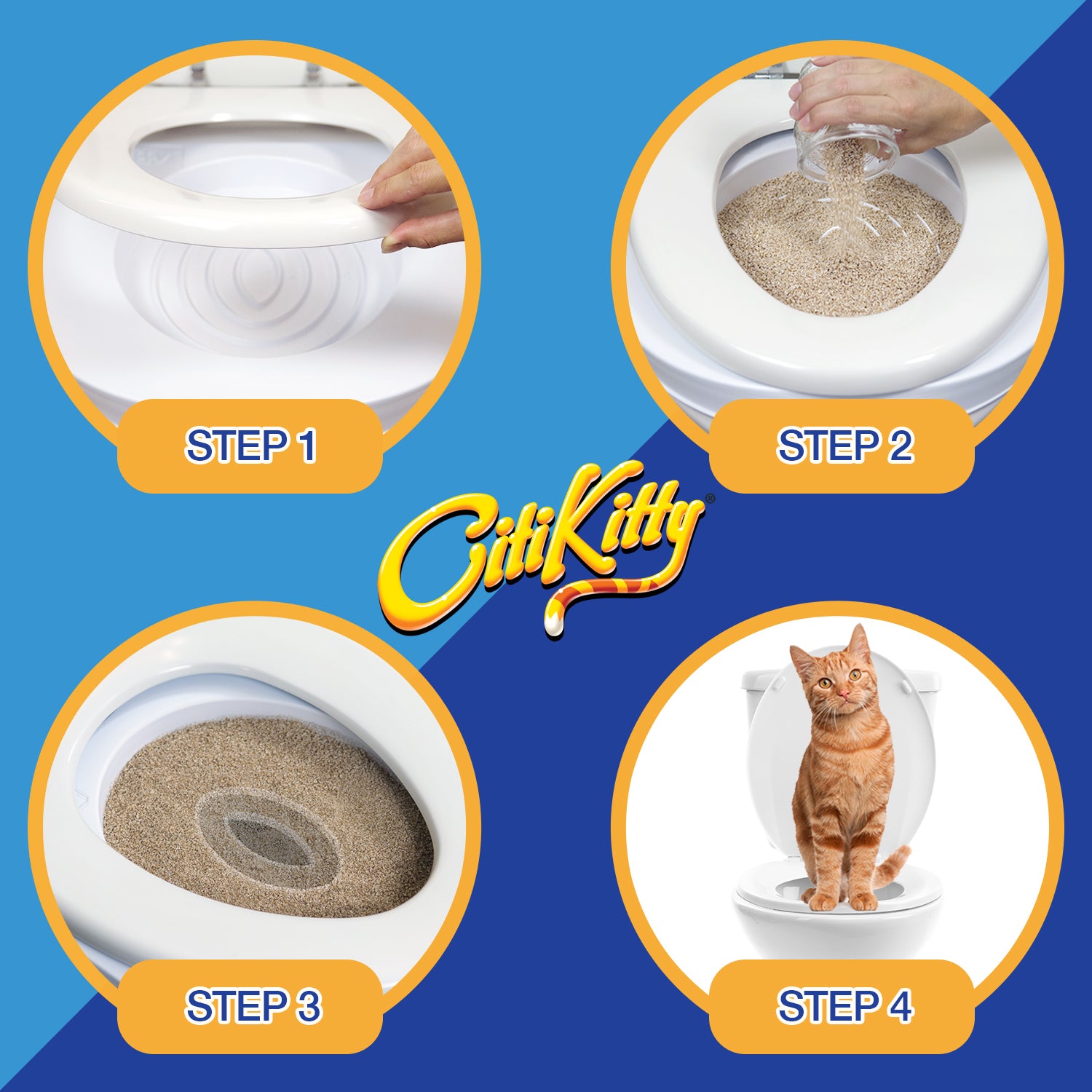
Sometimes, litter box problems come from stress or anxiety. A new pet, loud noises, or changes at home can upset your cat. Cats may stop using the litter box to show stress or fear. Aggression or hiding are other behavior signs. A vet can rule out medical causes and suggest ways to calm your cat. Addressing behavior issues improves litter box success and your cat’s well-being.
Credit: www.citikitty.com
Frequently Asked Questions
How Long Does It Take To Potty Train A Cat?
Potty training a cat usually takes 2 to 4 weeks. Consistency and patience are key. Each cat learns at its own pace, so results may vary.
What Supplies Are Needed For Cat Potty Training?
You need a litter box, cat litter, and cleaning supplies. Choose unscented litter and a box with low sides for easy access.
Can All Cats Be Potty Trained?
Most cats can learn potty training with proper guidance. Kittens adapt faster, but adult cats also succeed with patience.
How To Encourage A Cat To Use The Litter Box?
Place the cat in the litter box after meals and naps. Praise and reward your cat when it uses the box.
Conclusion
Training your cat to use the litter box takes time and patience. Stay calm and consistent every day. Reward good behavior with gentle praise. Watch your cat’s habits closely to avoid accidents. Clean the litter box regularly to keep it inviting.
Remember, every cat learns at its own pace. Trust the process and keep trying. Soon, your cat will use the potty like a pro. A happy cat means a happy home.