
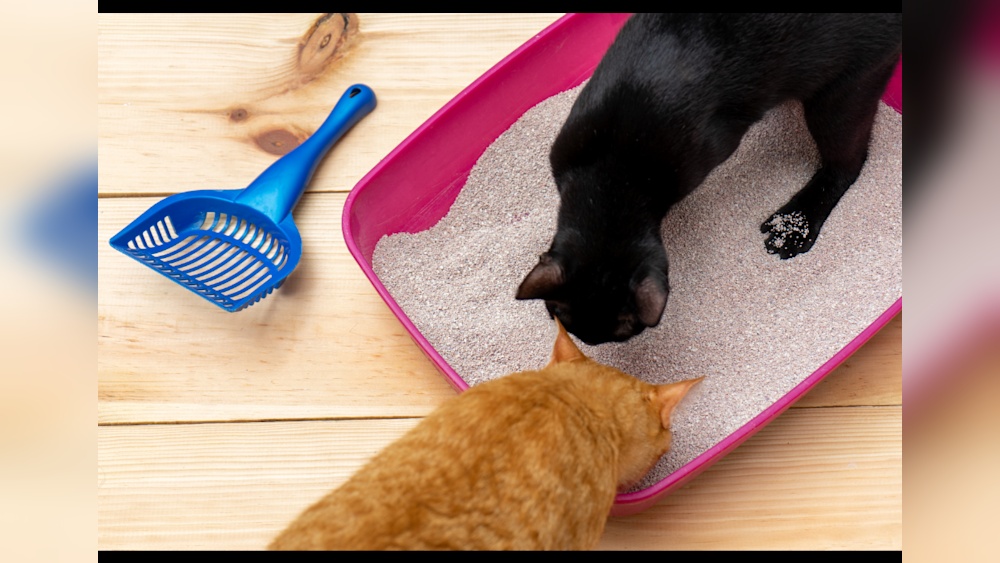
Potty training your cat to use the litter box might seem tricky, but it’s easier than you think. If you’re tired of surprises around the house and want a clean, stress-free way to handle your cat’s bathroom habits, this guide is for you.
You’ll discover simple steps that anyone can follow, helping your cat learn quickly and comfortably. Keep reading to unlock the secrets to a happy home and a well-trained cat!
Choosing The Right Litter Box
Choosing the right litter box is key to successful potty training for your cat. The right box makes your cat feel safe and comfortable. This encourages them to use it regularly. A good litter box fits your cat’s size and habits. It also suits your home space. Picking the right box helps prevent accidents and stress.
Size And Type Options
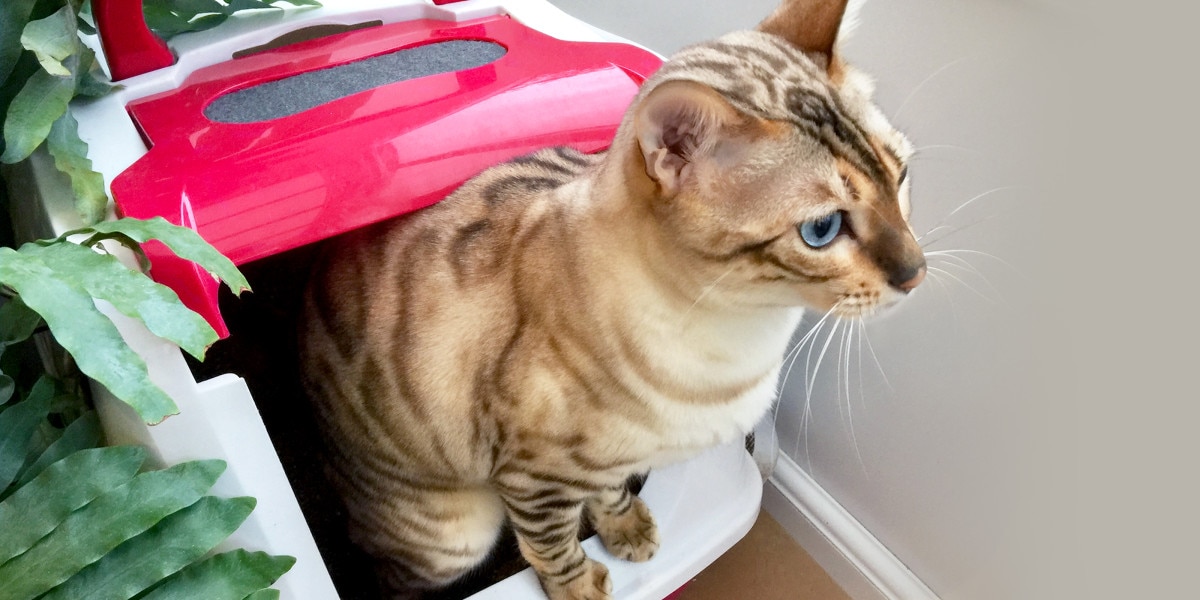
Choose a litter box large enough for your cat to turn around easily. Small boxes make cats uncomfortable and may cause accidents. Some cats prefer open boxes, while others like covered ones for privacy. Covered boxes help contain odors but may feel cramped. Self-cleaning boxes save time but can be noisy. Consider your cat’s personality before selecting the type.
Placement Tips
Place the litter box in a quiet, low-traffic area. Cats need privacy and calm to feel safe. Avoid placing the box near their food or water bowls. Keep the box away from loud appliances or busy rooms. Make sure the location is easy for your cat to reach. Clean the box regularly to encourage consistent use.
Credit: www.purina.com
Selecting The Best Litter
Selecting the best litter is key to potty training your cat. Cats can be picky about their litter. The right litter makes your cat feel comfortable. It helps them use the litter box regularly. Choosing litter that suits your cat’s preferences improves training success.
Texture And Scent Preferences
Texture matters a lot to cats. Some like soft, fine litter. Others prefer a coarser feel. Watch how your cat reacts to different types. Scent is another factor. Many cats avoid strong smells. Unscented litter is often the safest choice. It keeps your cat coming back to the box.
Clumping Vs Non-clumping
Clumping litter forms hard clumps when wet. It makes cleaning easier and faster. Non-clumping litter absorbs moisture but stays loose. It may need more frequent changing. Most cats prefer clumping litter. It helps keep the box fresh. Choose what fits your cat and lifestyle best.
Introducing The Litter Box
Introducing the litter box to your cat is a key step in potty training. It sets the foundation for good bathroom habits. A calm and patient approach helps your cat feel safe and curious. Start by making the litter box a familiar place in your home. This encourages your cat to use it without stress or fear.
Initial Exposure
Place the litter box in a quiet, low-traffic area. Avoid noisy or busy spots that might scare your cat. Let your cat see the box and sniff around it. Do not force your cat inside. Allow them to explore at their own pace. Keep the litter clean and fresh to attract your cat. A clean box feels more inviting and comfortable.
Encouraging Exploration
Gently guide your cat to the litter box after meals or naps. These are natural times cats need to go. Use soft praise when your cat approaches or enters the box. Play near the box to make it a positive space. You can place a paw in the litter to show its texture. Let your cat dig or scratch lightly. Patience is key during this exploration phase.
Establishing A Routine
Establishing a routine is key to potty training your cat. Cats feel safe and confident when they know what to expect. A steady schedule helps them learn where and when to use the litter box. Consistency creates good habits that last.
Regular Feeding Times
Feed your cat at the same times every day. This helps control when they need to go to the bathroom. Cats usually need to use the litter box shortly after eating. Regular feeding makes their bathroom schedule more predictable. It also reduces accidents outside the litter box.
Consistent Litter Box Access
Make sure your cat can always reach the litter box. Keep the box in a quiet, easy-to-find spot. Do not move it around too much. Clean the litter box daily to keep it inviting. A clean box encourages your cat to use it regularly. Block off other areas your cat might use as a bathroom.
Positive Reinforcement Techniques
Positive reinforcement helps cats learn the right place to go potty. It encourages good behavior by rewarding the cat. This method makes training easier and builds trust. Cats respond well to kindness and rewards. It helps create a strong habit of using the litter box.
Treats And Praise
Give treats immediately after your cat uses the litter box. This links the behavior with something pleasant. Use small, tasty treats your cat likes. Offer gentle praise with a soft voice. Petting or a quiet “good cat” works well. This positive feedback makes cats want to repeat the action. Consistency is key. Reward every success to build the habit faster.
Avoiding Punishment
Never punish your cat for accidents outside the box. Punishment causes fear and confusion. Cats may hide or stop using the litter box. It breaks trust between you and your pet. Focus on guiding, not scolding. Clean accidents calmly and redirect the cat to the box. Patience helps more than punishment. Positive reinforcement creates a safe learning space.
Credit: www.embracepetinsurance.com
Handling Common Challenges
Potty training a cat can bring challenges. These issues can slow progress. Patience and good strategies help solve problems. Understanding common hurdles makes training easier. Here are ways to handle typical challenges during litter box training.
Dealing With Accidents
Accidents are normal during training. Clean the area quickly and well. Use a cleaner that removes smells. Cats return to spots that smell like urine. Never punish your cat. Punishment creates fear and confusion. Instead, gently guide your cat back to the litter box. Praise your cat when it uses the box correctly. Keep the litter box clean. Change litter often and scoop daily. A clean box encourages your cat to use it.
Addressing Fear Or Hesitation
Some cats feel scared of the litter box. The box might be in a noisy or busy place. Move the litter box to a quiet, private spot. Let your cat explore the box without pressure. Use soft voices and gentle pets. Avoid forcing your cat into the box. Try different types of litter to find one your cat likes. A covered box can feel scary for some cats. Use an open box if your cat hesitates. Building trust takes time. Stay calm and patient throughout the process.
Maintaining Cleanliness
Keeping your cat’s litter box clean is key to successful potty training. A clean box encourages your cat to use it regularly. It also helps prevent bad smells and keeps your home fresh. Small daily efforts make a big difference.
Daily Cleaning Tips
Remove clumps and waste every day. Use a scoop designed for litter boxes. This keeps the box tidy and inviting. Replace the litter completely once a week. Wash the box with mild soap and water. Avoid strong chemicals that can scare your cat.
Preventing Odors
Use unscented, clumping litter to control smell. Avoid scented litters that may bother your cat. Place the litter box in a well-ventilated area. Clean spills and accidents outside the box quickly. Consider a litter deodorizer safe for pets. Regular cleaning stops odors before they start.

Credit: www.wikihow.com
When To Seek Help
Potty training a cat is usually straightforward. Most cats learn quickly to use the litter box. Sometimes, problems arise that need extra help. Knowing when to seek help can save stress and keep your cat healthy.
Veterinary Concerns
Changes in litter box habits might signal health problems. Cats avoiding the box could have urinary tract infections. Other illnesses include bladder stones or kidney issues. A vet can check your cat’s health and give treatment. Do not ignore sudden changes in bathroom behavior. Early diagnosis helps prevent serious complications.
Professional Training Support
Some cats need extra training beyond basic guidance. Trainers specialize in fixing litter box problems. They use gentle methods to teach cats new habits. Trainers can identify hidden causes like stress or fear. Professional help often improves success rates quickly. Training support is useful when home efforts fail.
Frequently Asked Questions
How Long Does It Take To Potty Train A Cat?
Potty training a cat usually takes 1 to 3 weeks. Consistency and patience speed up the process. Some cats learn faster based on age and personality.
What Type Of Litter Box Is Best For Training?
Choose a litter box with low sides for easy access. A covered box can help contain messes but may deter some cats. Keep the box clean for better acceptance.
How Often Should I Clean The Litter Box?
Clean the litter box daily by scooping waste. Replace litter completely once a week. A clean box encourages your cat to use it consistently.
Can I Use Treats To Encourage Litter Box Use?
Yes, treats reward positive behavior. Offer small treats immediately after your cat uses the litter box. This reinforces good habits quickly and effectively.
Conclusion
Potty training your cat takes time and patience. Start with a clean litter box in a quiet spot. Encourage your cat gently and praise good behavior. Expect some accidents—they are part of learning. Keep the litter box fresh and easy to access.
Watch your cat’s habits and adjust as needed. Soon, your cat will use the litter box confidently. A happy cat means a happy home. Stay calm and consistent throughout the process. Success comes with care and understanding.