
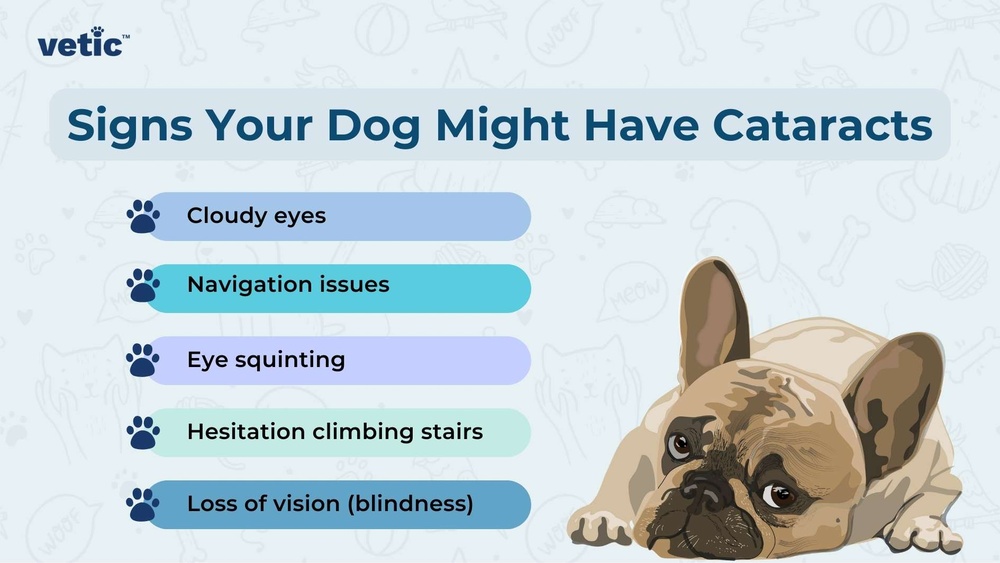
Have you ever wondered if some cat breeds are more likely to go blind? If you’re a cat owner or thinking of becoming one, this question matters more than you might think.
Losing sight can deeply affect your furry friend’s quality of life—and your ability to care for them. Understanding which breeds are at higher risk can help you spot early signs and take action before it’s too late. Keep reading to discover the facts about cat blindness and how you can protect your beloved companion’s vision.
Cat Breeds And Vision Risks
Cats can have different risks for eye problems based on their breed. Some breeds carry genes that make eye diseases more common. These diseases can cause vision loss or blindness over time.
Understanding which breeds face more risks helps cat owners watch for signs early. Early care can protect a cat’s sight and keep their eyes healthy longer.
Genetic Factors In Cat Vision
Many eye problems come from a cat’s genes. Some cats inherit traits that affect the eyes. These can lead to cataracts, retinal issues, or glaucoma.
Genes passed down through generations can increase the chance of blindness. Breeders often test for these genes to reduce risks. Still, some breeds have a higher chance of inherited eye problems.
Breeds Prone To Eye Issues
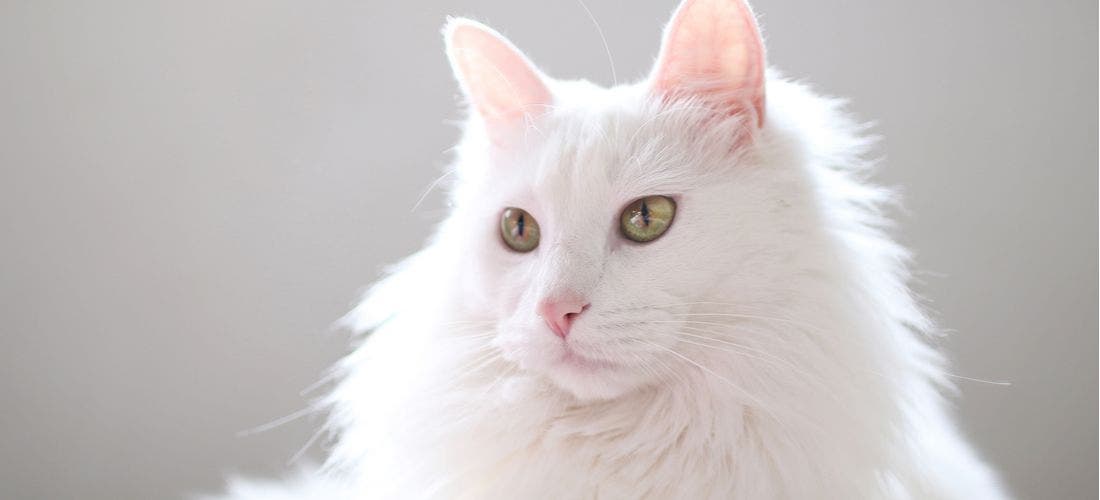
Certain cat breeds have more eye problems than others. Siamese cats often face progressive retinal atrophy. This disease slowly damages the retina and can cause blindness.
Persian cats are prone to tear duct problems and corneal ulcers. These issues may lead to vision trouble if untreated. Maine Coons can suffer from hypertrophic cardiomyopathy, which sometimes affects the eyes indirectly.
Burmese cats sometimes develop glaucoma early in life. This condition increases pressure in the eye, risking damage to the optic nerve. Owners of these breeds should watch their cats closely for eye changes.
Credit: www.petplace.com
Common Causes Of Blindness In Cats
Blindness in cats can happen for many reasons. Some causes are easy to treat, while others are permanent. Knowing these causes helps cat owners protect their pets’ sight. Understanding what leads to blindness also guides better care and early action.
Inherited Eye Disorders
Some cat breeds carry genes that affect their eyes. These inherited problems can cause blindness early in life. Common disorders include retinal atrophy and cataracts. These conditions damage the eye’s parts, reducing vision over time. Breeders often test for these issues to avoid passing them on.
Infections And Injuries
Eye infections can harm a cat’s vision quickly. Viral or bacterial infections may cause inflammation or ulcers. Injuries from fights or accidents also damage the eyes. Without prompt treatment, these issues can lead to blindness. Keeping cats safe and clean helps lower these risks.
Age-related Vision Loss
Older cats often face gradual vision loss. Changes in the eye tissues reduce their ability to see clearly. Cataracts and glaucoma become more common with age. Regular vet checks help catch these problems early. Managing health can slow the progression of vision loss.
Breeds With Higher Blindness Rates
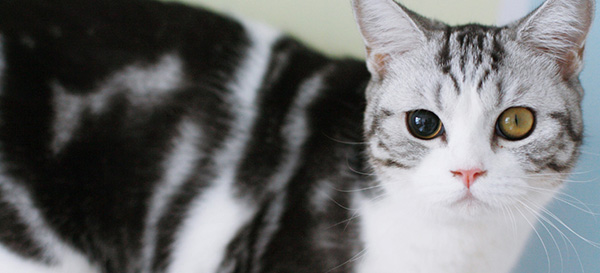
Certain cat breeds have a higher chance of developing blindness. Genetic factors and breed traits play a big role. Understanding these breeds helps owners stay alert and provide better care.
Some breeds carry inherited eye problems. These issues may lead to partial or full blindness over time. Early detection can improve a cat’s quality of life.
Persian And Related Breeds
Persians often have genetic eye conditions. Their flat faces cause tear duct problems. This leads to infections and vision issues.
Progressive Retinal Atrophy (PRA) is common in Persians. PRA causes the retina to degenerate slowly. This disease can cause blindness by middle age.
Siamese And Oriental Cats
Siamese cats may suffer from retinal degeneration. Their unique eye structure can lead to vision problems. Blindness may develop as they grow older.
Some Oriental breeds share these risks. Regular eye check-ups help catch issues early. Timely care can delay vision loss.
Bengal And Exotic Breeds
Bengals have a risk of certain eye diseases. Progressive retinal atrophy affects some Bengals. This condition can cause night blindness first.
Exotic breeds, like Exotic Shorthairs, face similar risks. Their facial structure sometimes leads to eye infections. These infections can harm their eyesight.
Credit: www.pdsa.org.uk
Symptoms Of Vision Problems In Cats
Cats can have vision problems that owners might not notice right away. Early signs are often subtle. Spotting these signs helps protect your cat’s eye health. Watch your cat’s behavior and physical condition closely. Changes can indicate eyesight issues. Understanding symptoms lets you act fast and keep your cat safe.
Behavioral Changes
Cats with vision problems may act differently. They might bump into furniture or walls. Hesitation before jumping or climbing is common. Some cats become less playful or curious. They may avoid dark or unfamiliar places. Sudden fearfulness or anxiety can show vision loss. Pay attention to these shifts in your cat’s behavior.
Physical Signs To Watch For
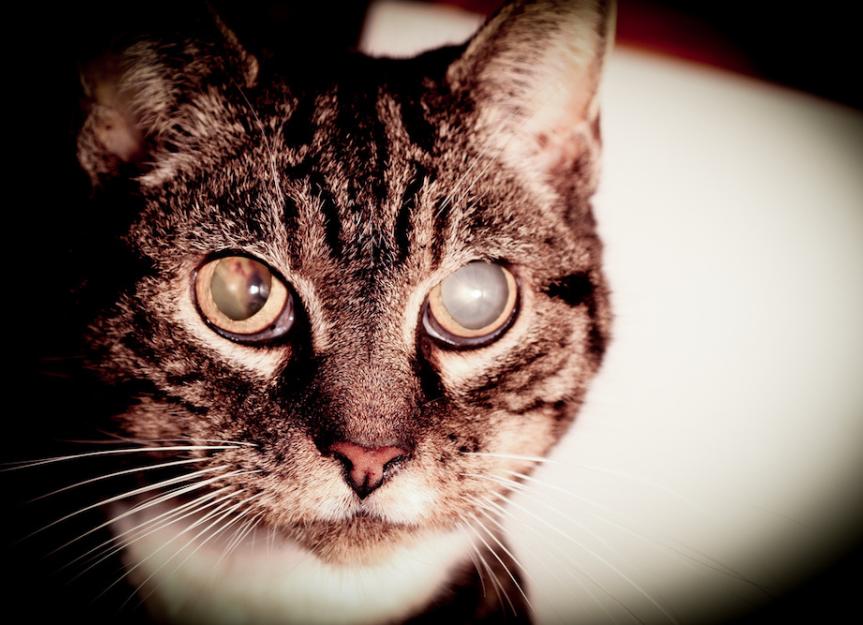
Look closely at your cat’s eyes. Cloudy or dull eyes may indicate trouble. Excessive tearing or redness can be a symptom. Pupils that do not react to light are concerning. Squinting or frequent blinking might mean discomfort. Notice any unusual eye discharge or swelling. These signs require a vet’s examination immediately.
Preventing And Managing Blindness
Preventing and managing blindness in cats requires careful attention and care. Some cat breeds may have a higher risk of eye problems. Early action can help keep your cat’s vision safe and improve their quality of life.
Regular Vet Checkups
Schedule regular visits to the vet for eye exams. Vets can spot early signs of blindness or eye disease. Timely treatment may stop or slow vision loss. Keep your cat’s health records updated. Share any changes in your cat’s behavior or eyesight with the vet.
Genetic Testing Options
Genetic testing helps identify breeds prone to inherited eye problems. Testing can reveal risks for conditions that cause blindness. Breeders can use these results to reduce passing on diseases. Owners can prepare and watch for early symptoms. Ask your vet about available tests for your cat’s breed.
Home Care For Visually Impaired Cats
Adjust your home to support a blind cat’s needs. Keep furniture and items in the same place to avoid confusion. Use scents or textures to help your cat navigate safely. Speak softly to guide and comfort your cat. Create a quiet, safe space where your cat feels secure.
Credit: www.petmd.com
Surprising Facts About Cat Vision
Cats have unique vision traits that many people do not know about. Their eyes work differently than human eyes. These traits help cats see well in many situations. Some facts about cat vision might surprise you.
Cats’ Night Vision Abilities
Cats see very well in low light. Their eyes have special cells called rods. These cells detect light better than the cells in human eyes. Cats can see in light levels six times lower than humans can.
Their eyes also have a layer called the tapetum lucidum. This layer reflects light inside the eye. It helps cats use all available light. This is why cat eyes shine in the dark.
Adaptations To Vision Loss
Some cats may lose vision as they age or get sick. Cats adapt well to vision loss. They rely more on their other senses, like smell and hearing.
Cats use their whiskers to sense objects near their face. They learn to move carefully and remember safe routes. Cats can live happy lives even with poor eyesight.
Frequently Asked Questions
Are Certain Cat Breeds Prone To Blindness?
Yes, some cat breeds like Burmese and Persian have a higher risk of genetic eye conditions leading to blindness.
What Causes Blindness In Specific Cat Breeds?
Genetic mutations, inherited diseases, and age-related degeneration commonly cause blindness in certain cat breeds.
Can Blindness In Cats Be Prevented Early?
Early veterinary check-ups and genetic testing help detect and manage blindness risks in susceptible cat breeds.
Do All Cats With Eye Issues Go Blind?
Not all cats with eye problems become blind; timely treatment can often preserve their vision.
Conclusion
Some cat breeds have a higher chance of losing sight. Genetics play a big role in eye health. Regular vet check-ups can help catch problems early. Feeding cats a healthy diet supports their vision. Watch for signs like bumping into things or squinting.
Early care can keep your cat’s eyes strong. Every cat deserves good eye health and a happy life. Understanding risks helps you protect your furry friend well. Keep learning about your cat’s breed and health needs.