
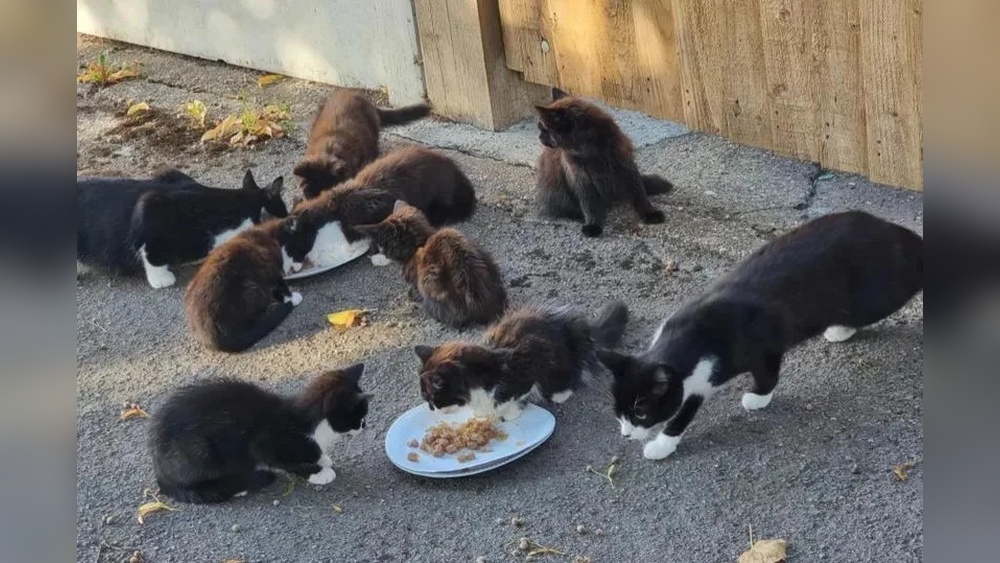
Have you ever wondered why feral cats seem to keep multiplying no matter what? If you’ve noticed more stray cats around your neighborhood, you’re not alone.
These cats don’t just appear out of nowhere—they keep breeding, and it can feel like an endless cycle. Understanding why feral cats keep breeding is key to finding solutions that work for your community and your peace of mind. Keep reading to uncover the reasons behind this constant growth and what you can do to help manage the feral cat population.
Feral Cat Behavior
Feral cats live outside human homes and behave differently than pets. They rely on their instincts to survive. Their behavior affects how they breed and form groups.
Understanding feral cat behavior helps explain why they keep breeding and how they interact with their environment.
Life Cycle Of Feral Cats
Feral cats grow fast and start living alone quickly. Kittens stay with their mother for about eight weeks. After that, they learn to hunt and find shelter. Most feral cats live only a few years due to dangers like predators and weather.
Mating Habits
Feral cats can breed several times a year. Female cats go into heat in warm seasons. Males compete for mates and may fight to win. They do not form long-term pairs. Cats mate with different partners over time.
Territorial Nature
Feral cats mark and defend their territory. They use scent and vocal sounds to warn others. Males have larger territories that overlap with females. Cats avoid fights but will fight to protect their space. Territory helps them find food and mates.

Credit: bestfriends.org
Breeding Patterns
Feral cats have unique breeding patterns that affect their population growth. Understanding how often they reproduce and under what conditions helps control efforts.
Their breeding cycle depends on various factors like environment and food supply. These factors influence how many kittens are born and survive.
Frequency Of Reproduction
Feral cats can breed multiple times a year. Female cats usually go into heat every few weeks during breeding season. Each heat cycle lasts about a week. Without spaying, a feral female can have two to three litters annually.
Seasonal Influences
Most feral cats breed during warmer months. Spring and summer provide better conditions for raising kittens. Longer daylight triggers hormonal changes in female cats. Cold or harsh weather slows down or stops breeding.
Litter Size And Survival
Each litter usually has three to five kittens. The size can vary based on the mother’s health and environment. Survival rates depend on food availability and shelter. Many kittens do not survive past their first few weeks.
Population Growth Factors
Feral cat populations grow due to several key factors. These factors affect how many cats continue to breed and survive. Understanding these helps explain why feral cats keep multiplying.
Lack Of Sterilization
Most feral cats do not get spayed or neutered. This allows them to breed freely. Without sterilization, female cats can have multiple litters each year. Each litter adds more cats to the population. This cycle repeats quickly and leads to more feral cats.
Food Availability
Feral cats survive better when food is easy to find. Leftover human food, trash, and small animals provide steady meals. When food is plentiful, more cats live longer and reproduce more. Scarce food limits population growth, but easy access encourages it.
Shelter And Environment
Safe places to hide and sleep help feral cats thrive. Abandoned buildings, bushes, and quiet corners offer shelter. A good environment protects cats from weather and predators. Comfortable living spaces support larger cat populations over time.
Challenges In Control
Controlling feral cat populations is not simple. These cats keep breeding quickly. Their wild nature makes it hard to manage their numbers. Many challenges stop efforts to control feral cats effectively.
Stopping the cycle needs strong plans and community help. Understanding these challenges helps find better ways to control feral cats.
Trap-neuter-return (tnr) Programs
TNR is a common method to reduce feral cat numbers. Cats are trapped, neutered, and then returned outside. This stops them from having kittens. Over time, the population should shrink. But it takes time to see results. Not all cats get caught. Some keep breeding and increase the population.
Community Involvement
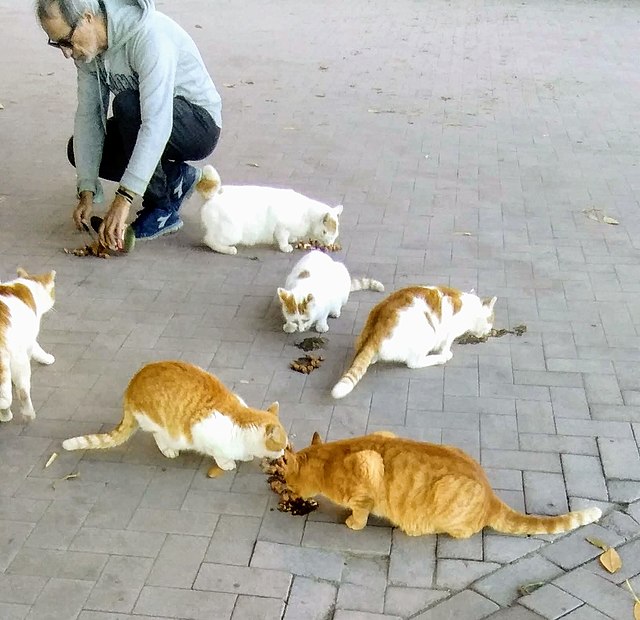
Communities play a big role in controlling feral cats. People help by reporting cat colonies and supporting TNR. Feeding feral cats can be a problem. It helps cats survive but also encourages more breeding. Education is key. Teaching people about feral cats helps reduce feeding and supports control efforts.
Limitations Of Current Methods
Current methods like TNR have limits. Not all cats can be trapped easily. Some live in hard-to-reach places. Funding and volunteers are often low. This slows down control programs. Without full coverage, cats keep breeding. New methods and more support are needed to improve control.
Impact On Ecosystems
Feral cats affect many parts of the ecosystem. Their growing numbers cause changes in the natural balance. This impact spreads across wildlife, disease, and even human life.
Effects On Wildlife
Feral cats hunt birds, small mammals, and reptiles. Many native animals cannot escape fast hunters. This leads to lower numbers of certain species. Some animals may face local extinction. The loss of these animals changes food chains. Plants and other creatures also feel the impact.
Disease Transmission
Feral cats can carry and spread diseases. They pass infections to other animals and humans. Some common diseases include toxoplasmosis and cat scratch fever. These illnesses can cause serious health problems. Disease spread is faster in crowded cat populations. It creates risks for pets and wildlife.
Human And Animal Conflicts
Feral cats often live near human homes. They may damage gardens and property. Their loud noises disturb people’s peace. Fights between cats cause injuries and stress. Stray cats also compete with pets for food. This conflict creates tension in communities.
Credit: www.wikiwand.com
Effective Solutions
Feral cats keep breeding, causing many problems for communities and wildlife. Stopping this requires effective solutions that work on many levels. These solutions focus on controlling cat populations and educating people. They also involve laws to protect animals and humans.
Widespread Sterilization Efforts
Sterilizing feral cats is the best way to stop their breeding. Trap-Neuter-Return (TNR) programs catch cats, sterilize them, and then release them. This method lowers the number of kittens born each year. Over time, it can reduce the feral cat population safely and humanely. Volunteers and vets work together to make this happen.
Public Awareness Campaigns
Teaching people about feral cats helps control their numbers. Awareness campaigns explain the problems caused by feral cats. They show why sterilization is important and how to help. These campaigns encourage people to support TNR and avoid feeding wild cats. Clear messages make communities more involved and responsible.
Policy And Legislation
Strong laws support efforts to manage feral cats. Policies can require sterilization before adoption or limit feeding wild cats. Governments can fund TNR programs and protect wildlife from cat predation. Good laws create a safer balance between cats and people. Enforcement ensures these rules are followed properly.

Credit: www.wikiwand.com
Frequently Asked Questions
Do Feral Cats Keep Breeding Without Control?
Yes, feral cats breed continuously if not spayed or neutered. They can produce multiple litters yearly, increasing their population rapidly.
How Long Do Feral Cats Keep Reproducing?
Feral cats can reproduce from six months old until their natural lifespan ends, often 5 to 10 years in the wild.
Can Feral Cat Populations Be Controlled Effectively?
Yes, through trap-neuter-return (TNR) programs, feral cat populations can be stabilized and reduced humanely over time.
Why Is Feral Cat Breeding A Community Concern?
Uncontrolled breeding leads to overpopulation, spread of diseases, and impacts local wildlife, creating ecological and public health issues.
Conclusion
Feral cats keep breeding unless steps are taken to stop it. They reproduce quickly and often, causing many kittens to be born. Controlling their population helps protect local wildlife and reduces stray cat problems. Spaying and neutering feral cats is the most effective method.
Communities working together can manage these cat populations better. Understanding this issue helps people make smart choices. The cycle continues without action, but we can change that. Taking care of feral cats benefits both animals and people.