
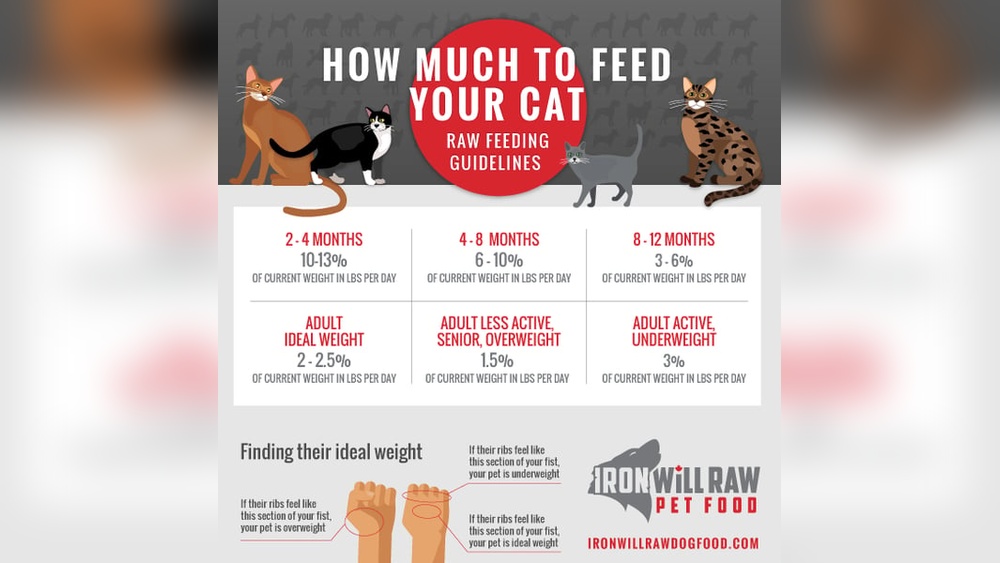
Are you unsure how much food your adult cat really needs each day? Feeding your cat the right amount is more important than you might think.
Too little food can leave your furry friend hungry and weak, while too much can lead to unwanted weight gain and health problems. You’ll discover simple guidelines to help you find the perfect daily portion for your cat. Keep reading to make sure your pet stays happy, healthy, and full of energy every day.

Credit: www.tippaws.com
Daily Calorie Needs
Daily calorie needs are key to keeping an adult cat healthy. Calories provide the energy cats need for daily activities. The right amount supports good weight and overall health. Too many calories cause weight gain. Too few calories lead to weakness and illness. Understanding calorie needs helps you feed your cat properly each day.
Factors Affecting Calorie Requirements
Several factors change how many calories a cat needs. Age plays a big role. Younger adult cats burn more energy. Older cats need fewer calories. Activity level matters too. Active cats use more energy. Less active cats need less food. Health status affects calorie needs. Sick cats may need special diets. Neutered cats often require fewer calories. Body size also affects energy use. Larger cats burn more calories daily.
Calories For Indoor Vs Outdoor Cats
Indoor cats usually move less. They need fewer calories than outdoor cats. Outdoor cats are more active and burn more energy. They need more calories to stay healthy. Feeding indoor cats like outdoor cats may cause weight gain. Outdoor cats with heavy activity need extra calories to keep up. Adjust food amounts based on your cat’s lifestyle. Watch their weight and energy levels closely.
Portion Sizes By Cat Weight
Portion sizes for adult cats vary depending on their weight. Feeding the right amount helps maintain their health and energy. Cats need enough food to stay active but not too much to gain weight. Dividing portion sizes by cat weight makes feeding easier and more precise.
Feeding Guidelines For Small Cats
Small cats usually weigh under 8 pounds. They need about 150 to 200 calories per day. This equals roughly 3 to 4 ounces of wet food or 1/4 cup of dry food daily. Split meals into two or three servings for better digestion. Monitor their weight and adjust portions if they gain or lose weight.
Feeding Guidelines For Medium Cats
Medium cats weigh between 8 and 12 pounds. They require around 200 to 250 calories daily. Feed 4 to 5 ounces of wet food or about 1/3 cup of dry food. Divide meals into two servings to keep energy levels steady. Watch their body condition to avoid overfeeding or underfeeding.
Feeding Guidelines For Large Cats
Large cats weigh over 12 pounds. They need approximately 250 to 300 calories each day. Offer 5 to 6 ounces of wet food or 1/2 cup of dry food daily. Feeding twice a day is best to maintain metabolism. Adjust food amounts based on their activity and body shape.
Types Of Cat Food
Choosing the right type of food is key for your adult cat’s health. Cats need balanced meals with the right nutrients. Different types of cat food offer different benefits. Understanding these can help you feed your cat properly every day.
Wet Food Benefits
Wet food contains high moisture. It helps keep cats hydrated, especially those who drink little water. It is soft and easy to chew, good for older cats or those with dental issues. Wet food often smells stronger, which can attract picky eaters. It also usually has fewer carbohydrates than dry food.
Dry Food Benefits
Dry food is convenient and easy to store. It helps clean your cat’s teeth as they chew. This type of food is usually less expensive and lasts longer after opening. Dry food offers a crunchy texture that many cats enjoy. It is perfect for free feeding throughout the day.
Mixing Wet And Dry Food
Combining wet and dry food gives the best of both worlds. Your cat gets moisture from wet food and dental benefits from dry food. Mixing food types can make meals more interesting. It helps meet all nutritional needs and keeps cats satisfied. This approach works well for cats with varied tastes.

Credit: www.reddit.com
Feeding Frequency And Schedule
Feeding frequency and schedule play an important role in a cat’s health. Adult cats need a routine that fits their lifestyle and metabolism. A good schedule helps maintain energy and prevents overeating. Cats are natural grazers, but some do well with set meal times. Understanding the best feeding pattern helps you keep your cat happy and healthy.
Multiple Small Meals Vs One Large Meal
Many adult cats prefer several small meals each day. This mimics how they eat in the wild. Small meals keep their energy steady and avoid hunger spikes. Feeding four to six small portions can reduce begging and food guarding. One large meal a day is easier for some owners but may cause hunger or overeating. Multiple meals often improve digestion and mood.
Adjusting Feeding Times
Feeding times should match your cat’s activity and your daily routine. Most cats eat best in the morning and evening. Adjust meal times slowly to avoid stress. Watch your cat’s hunger signals and behavior for clues. Consistency in feeding times builds trust and comfort. Change the schedule only if necessary for health or lifestyle reasons.
Special Considerations
Feeding an adult cat is not one-size-fits-all. Many factors change how much food your cat needs daily. Special care is required for some cats. These factors affect their diet and health.
Understanding these special considerations helps keep your cat healthy and happy. Let’s explore some key points that influence daily feeding amounts.
Age And Health Conditions
Older cats usually eat less than younger adults. Their metabolism slows down, so they need fewer calories. Cats with health problems may need special diets. Kidney disease, diabetes, or allergies change feeding rules. Consult a vet for the right food and portions.
Pregnant Or Nursing Cats
Pregnant cats need more food. Their bodies work harder to grow kittens. Nursing cats burn extra calories feeding their babies. They should eat nutrient-rich food and more often. This supports their health and helps kittens grow strong.
Weight Management Tips
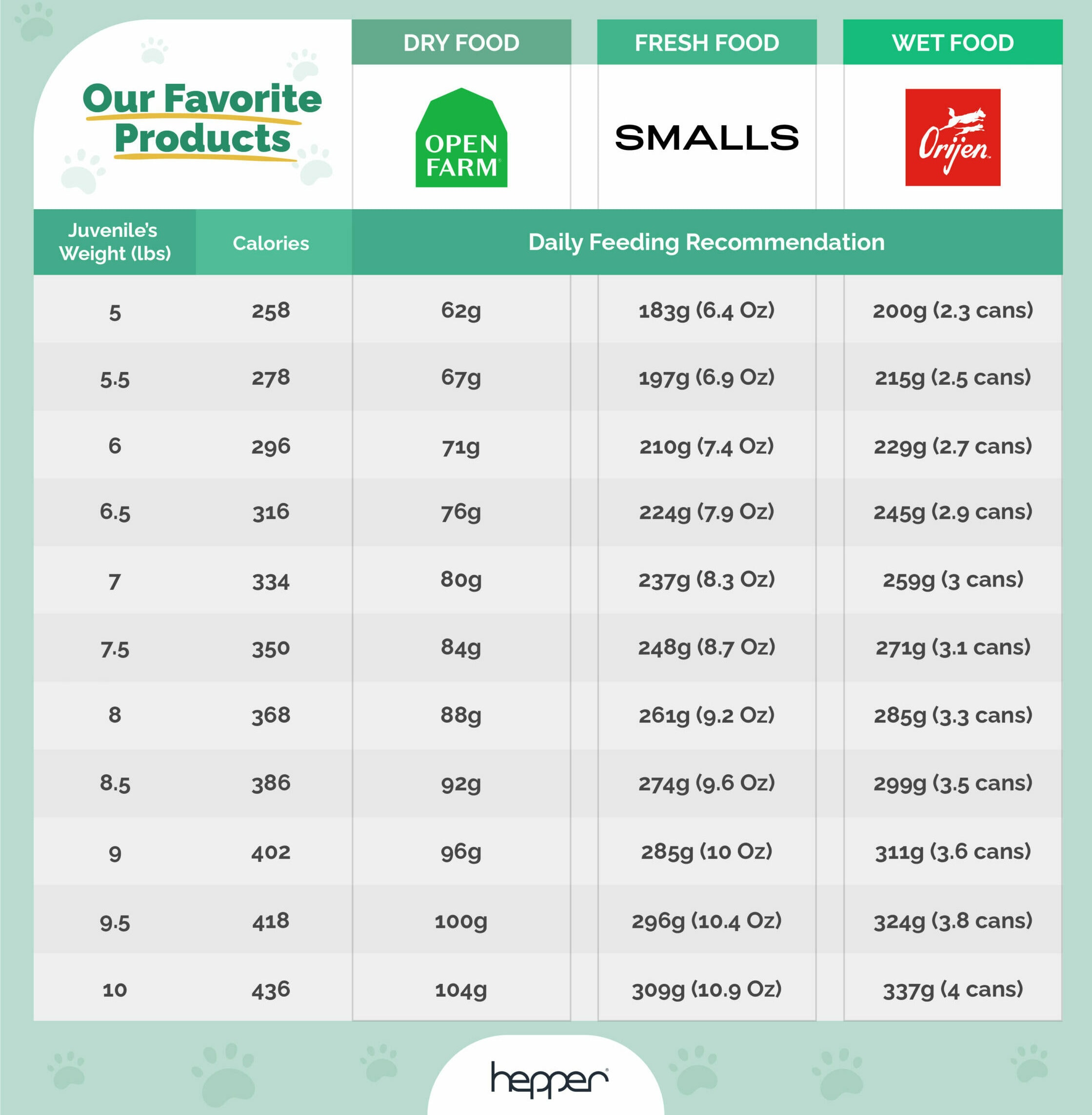
Maintaining a healthy weight is key. Overfeeding leads to obesity, causing many health issues. Measure your cat’s food using a cup or scale. Feed smaller meals throughout the day. Choose balanced food with protein and low carbs for weight control.
Credit: articles.hepper.com
Monitoring And Adjusting Portions
Knowing how much food to give your adult cat is not enough. You must watch how your cat responds to the portions. Monitoring your cat’s food intake helps keep them healthy. Adjusting portions over time meets their changing needs. This section explains how to track weight and spot feeding issues.
Tracking Weight Changes
Weigh your cat regularly. Use a small scale or visit the vet. Track the numbers in a notebook or app. Small changes in weight show if the food amount is right. Weight gain means cut back on food. Weight loss means increase the portions. Keep monitoring to find the perfect balance.
Recognizing Overfeeding And Underfeeding
Watch your cat’s body and behavior. Overfed cats may become lazy or gain weight. Their belly might look round or saggy. Underfed cats can seem tired or lose muscle. They may beg for food more often. Check their coat too. A dull coat can mean poor nutrition. Adjust food portions to fix these signs quickly.
Frequently Asked Questions
How Much Food Does An Adult Cat Need Daily?
An adult cat typically needs about 200-300 calories daily. This depends on weight, age, and activity. Consult your vet for personalized feeding amounts.
How Often Should I Feed My Adult Cat?
Most adult cats do well with two meals per day. Feeding at consistent times helps maintain healthy digestion and weight control.
Can Free-feeding Harm An Adult Cat’s Health?
Free-feeding can cause overeating and obesity in cats. Controlled meals help regulate calorie intake and prevent health issues.
What Factors Affect An Adult Cat’s Daily Food Amount?
Age, weight, activity level, and health status influence food needs. Adjust portions based on your cat’s lifestyle and veterinary advice.
Conclusion
Feeding an adult cat the right amount keeps it healthy and happy. Watch your cat’s weight and energy to adjust food amounts. Give balanced meals with proper nutrients every day. Avoid overfeeding to prevent health problems. Regularly check your cat’s needs as they can change.
A well-fed cat enjoys life more and stays active. Small changes in feeding can make a big difference. Trust your care and attention for your cat’s best health.