

Are you worried that feeding your kitten adult canned cat food might cause diarrhea? It’s a common question for many cat owners like you.
Kittens have delicate digestive systems, and what you feed them plays a big role in their health. Understanding whether adult cat food is safe for your little one can save you from sleepless nights and messy cleanups. Keep reading to discover the facts, avoid common mistakes, and ensure your kitten stays happy and healthy.
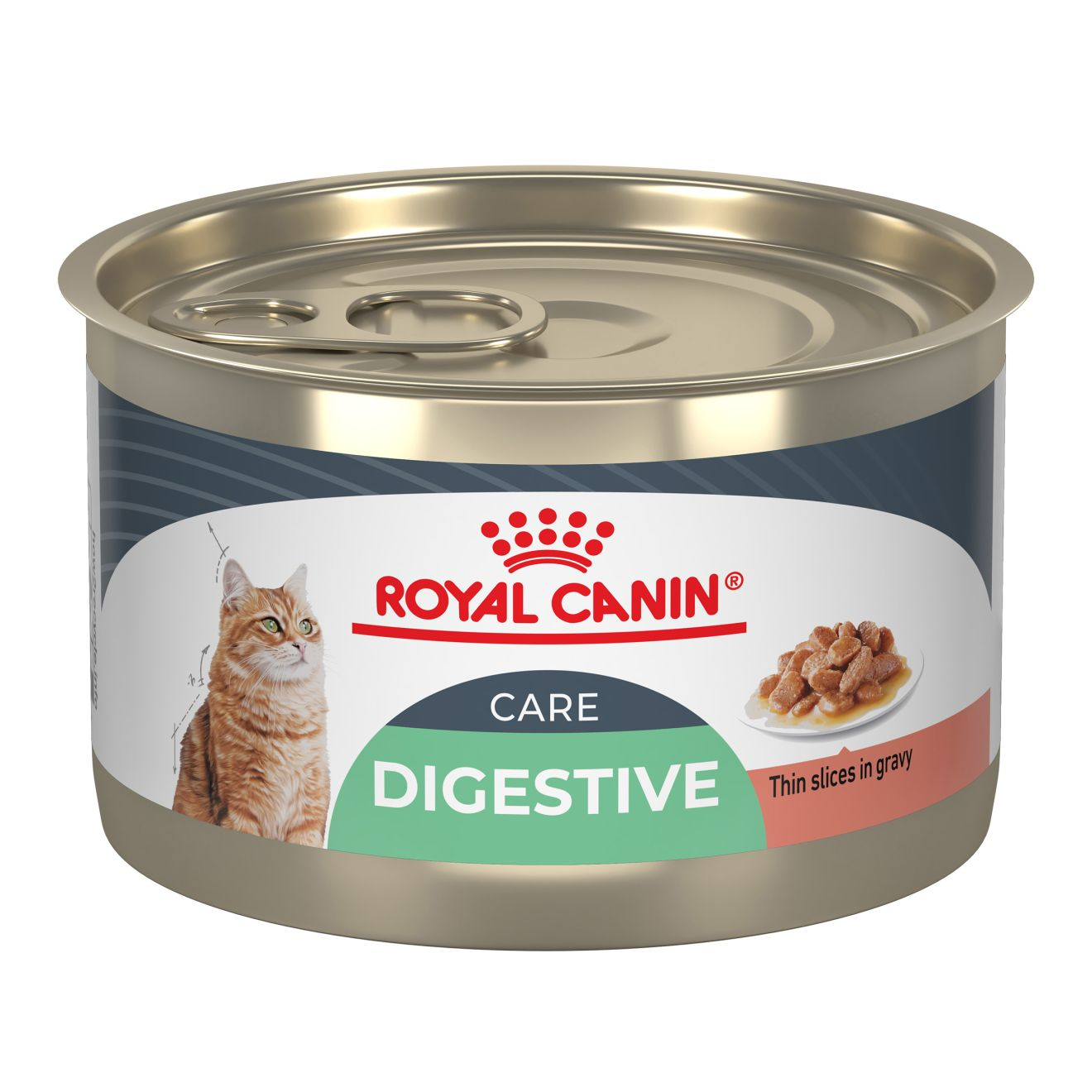
Credit: www.royalcanin.com
Adult Cat Food Vs Kitten Needs
Kittens need different food than adult cats. Their bodies and minds grow fast. They require special nutrients for strong bones and healthy muscles. Adult cat food does not meet these needs. Feeding kittens adult food can cause tummy problems, including diarrhea.
Understanding the differences between adult cat food and kitten needs helps prevent health issues. Let’s explore key points about their nutrition and digestion.
Nutritional Differences
Kitten food contains more protein and fat than adult cat food. These nutrients support growth and energy. Kittens need extra vitamins and minerals for development. Adult cat food has less of these, designed to maintain health, not growth. Feeding kittens adult food means missing important nutrition. This lack can weaken their immune system and slow growth.
Digestive System Development
Kittens have delicate, developing digestive systems. They digest food differently than adult cats. Kitten food is softer and easier to digest. Adult cat food may be too heavy or rich. This can upset their stomachs and cause diarrhea. Feeding the right food protects their sensitive tummies and supports healthy digestion.
Causes Of Diarrhea In Kittens
Diarrhea in kittens can be concerning for pet owners. Many factors cause this digestive upset. Understanding these causes helps in proper care and treatment. Young kittens have sensitive stomachs. They react quickly to changes in diet or environment. Some causes are simple and easy to fix. Others may need veterinary attention.
Dietary Changes
Kittens’ digestive systems are delicate. Sudden food changes often cause diarrhea. Switching from one type of food to another too fast can upset their stomach. This includes changing brands or moving from dry to canned food. Introducing new foods slowly can prevent problems. Gradual changes allow the kitten’s system to adjust well.
Food Intolerance
Some kittens cannot tolerate certain ingredients. Dairy products, for example, often cause diarrhea. Protein sources like beef or fish may also trigger reactions. Food intolerance means the kitten’s body struggles to digest some foods. This leads to loose stools and discomfort. Identifying and avoiding these foods is essential for kitten health.
Infections And Parasites
Kittens are vulnerable to infections and parasites. Bacterial infections can cause severe diarrhea. Parasites like worms upset the digestive tract too. These problems often come from dirty environments or contact with other animals. Infections and parasites need prompt veterinary care. Proper hygiene and regular check-ups help prevent these issues.
Risks Of Feeding Adult Canned Food To Kittens
Kittens need special care with their food. Feeding them adult canned cat food can cause problems. Their small bodies require different nutrients and digest food differently. This section explains the risks of feeding adult canned food to kittens.
Nutrient Imbalance
Kittens need more protein, fat, and certain vitamins than adult cats. Adult canned food does not have the right amounts for growing kittens. This lack can slow their growth and weaken their immune system. Nutrient imbalance can lead to health issues over time.
Digestive Stress
Kittens have sensitive stomachs that adapt to kitten food. Adult canned food often contains ingredients that are hard for kittens to digest. This can cause stomach upset, including diarrhea. Digestive stress makes kittens feel uncomfortable and may harm their health.
Potential Allergens
Adult canned cat food may contain ingredients that trigger allergies in kittens. Kittens’ immune systems are still developing. Allergens can cause skin problems, itching, or digestive troubles. Feeding kitten-specific food reduces the risk of allergic reactions.
Signs Of Digestive Trouble In Kittens
Kittens have delicate digestive systems. Changes in their diet can cause discomfort. Signs of digestive trouble often appear quickly. Recognizing these signs helps protect your kitten’s health. Early action can prevent serious problems.
Symptoms To Watch For
Diarrhea is a common sign of digestive upset. Watch for loose or watery stools. Vomiting may also occur along with diarrhea. A kitten may seem less active than usual. Notice if your kitten refuses to eat. Look for signs of dehydration, like dry gums. Stomach bloating or pain can be a warning. Sudden weight loss is another symptom to note.
When To Seek Veterinary Help
Contact a vet if diarrhea lasts more than 24 hours. Seek help if your kitten vomits repeatedly. Rapid breathing or weakness needs urgent care. Blood in stool or vomit requires immediate attention. If your kitten stops eating or drinking, call the vet. Severe bloating or constant crying signals a serious issue. Early vet visits improve recovery chances. Always trust your instincts about your kitten’s health.
Safe Feeding Practices For Kittens
Feeding kittens the right food helps them grow healthy and strong. Safe feeding practices prevent stomach problems like diarrhea. Kittens have delicate digestive systems that need special care. Choosing the correct food and changing diets slowly are key steps to keep kittens well.
Choosing The Right Food
Kittens need food made just for their age. Adult canned cat food may not have enough nutrients for kittens. It can cause stomach upset and diarrhea. Pick kitten-specific canned food with balanced proteins and fats. Check labels for essential vitamins and minerals. Good food supports growth and digestion.
Transitioning Diets Gradually
Changing a kitten’s food too fast can cause diarrhea. Mix a small amount of new food with old food. Increase new food slowly over 7 to 10 days. Watch for any signs of upset stomach. A slow change helps the kitten’s tummy adjust well. Patience avoids digestive issues and keeps kittens happy.
Credit: www.catster.com
Alternatives To Adult Canned Food
Adult canned cat food may cause diarrhea in kittens. Their digestive systems are sensitive and need special care. Choosing the right food helps avoid stomach problems and supports healthy growth.
Several alternatives suit kittens better than adult cat food. These options provide balanced nutrition and are gentle on young tummies. Exploring these choices ensures kittens stay happy and healthy.
Kitten-specific Formulas
Kitten-specific formulas have the nutrients young cats need. They contain extra protein, fat, and vitamins. These formulas support fast growth and strong immunity. Their texture and taste appeal to kittens, encouraging good eating habits. Many brands offer wet and dry kitten food designed just for them.
Homemade And Raw Diet Options
Homemade meals allow control over ingredients and freshness. Simple recipes include cooked chicken, rice, and vegetables. Raw diets mimic a kitten’s natural eating habits. These diets require careful preparation to avoid risks. Consulting a vet before starting homemade or raw food is important. This ensures the diet meets all nutritional needs safely.
Expert Tips For Healthy Kitten Digestion
Keeping a kitten’s digestion healthy is key to its growth and happiness. Kittens have sensitive stomachs that need gentle care. Understanding how to support their digestion helps prevent common issues like diarrhea. Follow these expert tips to keep your kitten’s tummy calm and healthy.
Hydration Importance
Water helps move food through the digestive system. Kittens need plenty of fresh water every day. Wet food also adds moisture to their diet. Proper hydration keeps stools soft and digestion smooth. Dehydration can cause constipation and stomach upset. Always provide clean, accessible water bowls for your kitten.
Regular Vet Check-ups
Vets check for infections and digestive problems early. Regular visits catch issues before they get worse. Vets also guide you on the right food for your kitten. They can spot allergies or intolerances causing diarrhea. Keep a vet schedule to protect your kitten’s health. Early care means fewer stomach troubles later.

Credit: www.kinship.com
Frequently Asked Questions
Can Adult Canned Cat Food Cause Diarrhea In Kittens?
Yes, adult canned cat food can cause diarrhea in kittens. It lacks proper nutrients and fat levels essential for kittens’ digestion. Kittens need specially formulated food for their delicate digestive systems. Feeding adult food may lead to stomach upset and loose stools.
Why Is Kitten Food Better Than Adult Cat Food?
Kitten food contains higher protein, fat, and calories needed for growth. It supports healthy development and energy requirements. Adult cat food has lower nutrient levels, which may not meet kittens’ needs. Proper nutrition helps prevent digestive issues like diarrhea in kittens.
How Long Should Kittens Eat Kitten Food?
Kittens should eat kitten food until they are about 12 months old. This ensures they get enough nutrients for growth. After one year, you can gradually switch to adult cat food. Transitioning too early can cause digestive problems, including diarrhea.
What Ingredients In Adult Cat Food Upset Kittens?
Adult cat food often has higher fiber and fewer fats. It may contain ingredients less digestible for kittens. These differences can cause digestive upset and diarrhea. Always check the ingredient list and choose food designed specifically for kittens.
Conclusion
Feeding adult canned cat food to kittens can cause diarrhea. Kittens need special food made for their growth. Adult food lacks some nutrients kittens require. Their stomachs are sensitive and react to new foods. Always choose kitten-specific food for better health and digestion.
Watch your kitten closely when changing food. Consult a vet if diarrhea lasts more than a day. Healthy eating helps kittens grow strong and happy. Keep their diet simple and suitable for their age.