
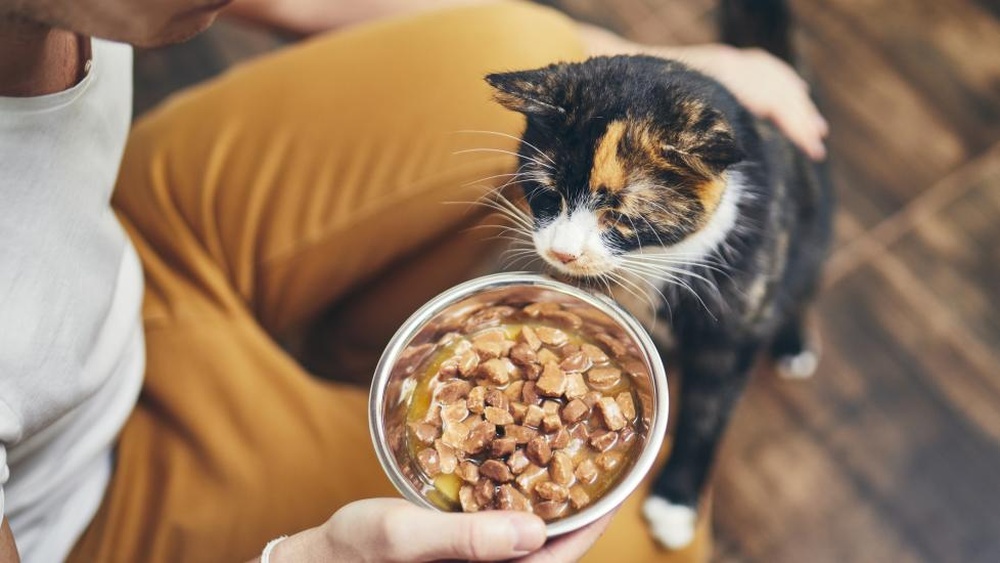
Are you unsure how much cat food your adult cat really needs? Feeding your cat the right amount is more important than you might think.
Too much can lead to weight gain, while too little can leave your furry friend hungry and unhappy. You’ll discover simple, practical tips to measure the perfect portion for your cat. Keep reading to make sure your pet stays healthy, happy, and full of energy every day.
Credit: www.petmd.com
Daily Calorie Needs
Understanding your adult cat’s daily calorie needs is essential for their health. Cats require the right amount of energy from food to stay active and maintain a healthy weight. Feeding too much can lead to obesity, while too little can cause malnutrition. Knowing how many calories your cat needs helps you choose the correct portion of food every day.
Factors Affecting Calorie Requirements
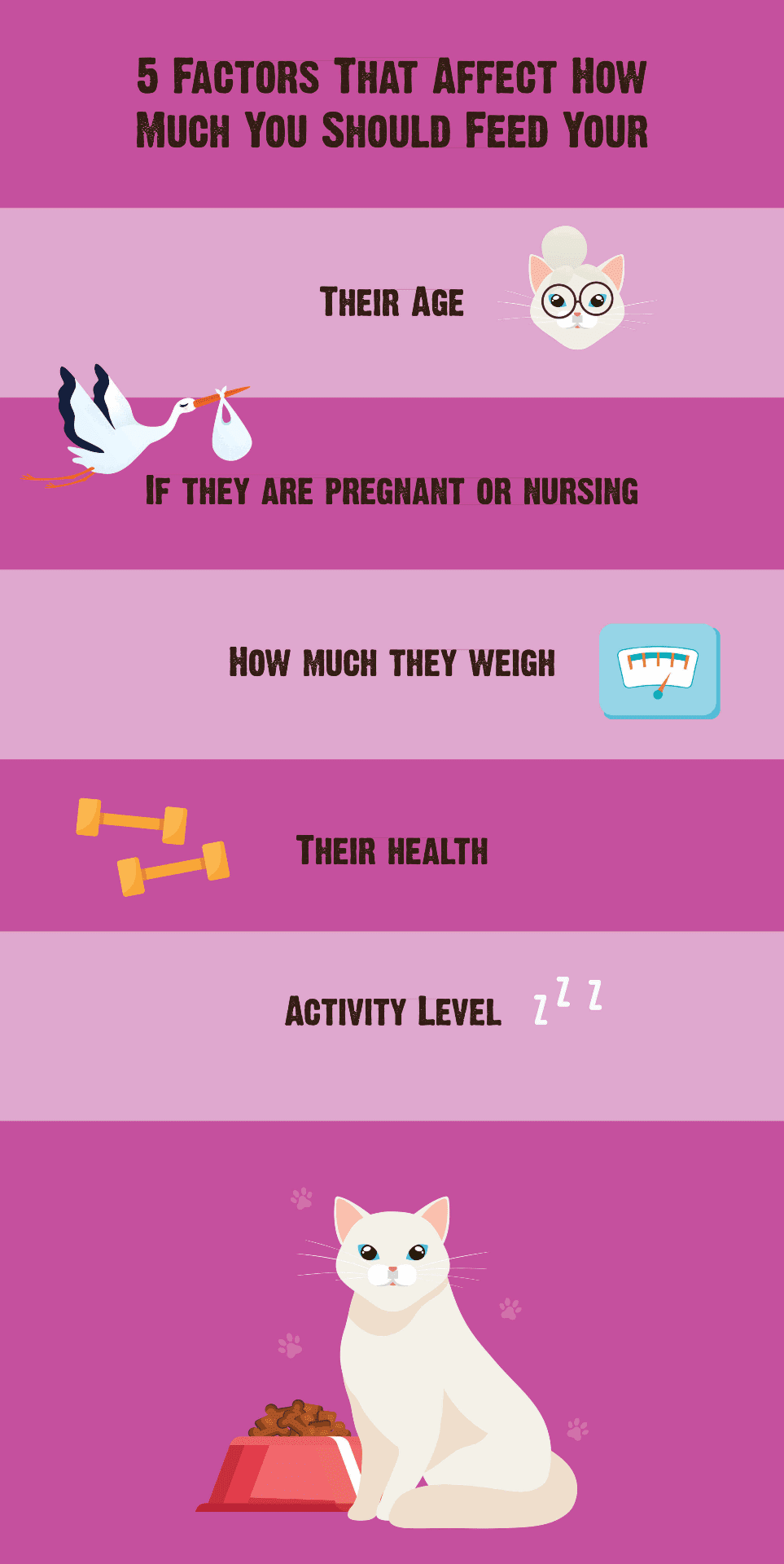
Several factors influence how many calories your cat needs each day. Age plays a key role; younger adult cats often need more energy than older ones. Activity level matters too. Cats that move around a lot burn more calories. Weight is important—overweight cats need fewer calories to lose weight. Health conditions can also change calorie needs. Spayed or neutered cats usually require fewer calories. Even the climate affects energy needs; colder weather may increase calorie demands.
Typical Calorie Range For Adult Cats
Most adult cats need between 20 to 35 calories per pound of body weight daily. For example, a 10-pound cat may need 200 to 350 calories each day. This range varies depending on the factors mentioned above. Feeding within this range helps keep your cat fit and healthy. Always check the food label for calorie content per serving. Adjust portions based on your cat’s weight and activity level. Regularly monitoring your cat’s weight ensures the calorie intake is right.
Types Of Cat Food
Cats need the right food to stay healthy and happy. There are three main types of cat food: dry, wet, and mixed. Each type has a different measure for how much to feed your adult cat. Understanding these types helps you give the right portions. This keeps your cat at a good weight and full of energy.
Dry Food Portions
Dry cat food is easy to store and feed. It usually comes in small kibbles. An adult cat generally needs about 1/4 to 1/3 cup of dry food per day. This depends on the cat’s size and activity level. Check the package for specific feeding instructions. Avoid overfeeding to prevent weight gain.
Wet Food Portions
Wet cat food has more moisture and is softer. It often comes in cans or pouches. Most adult cats need about 3 to 6 ounces of wet food each day. This varies by the brand and your cat’s needs. Wet food helps keep cats hydrated. Feeding too much can cause digestive issues, so watch the portions.
Mixed Feeding Guidelines
Mixed feeding means giving both dry and wet food. It offers variety and balanced nutrition. Split the daily food amount between dry and wet types. For example, half the calories from dry food and half from wet food. Adjust portions based on your cat’s appetite and health. Keep fresh water available at all times.
Reading Cat Food Labels
Understanding cat food labels helps you feed your adult cat properly. These labels show important details about the food’s content. Reading them carefully ensures your cat gets the right nutrition every day.
Calories Per Serving
Calories show how much energy your cat will get from one serving. Cats need enough energy to stay active and healthy. Too many calories can cause weight gain. Too few can lead to weakness. Check the calories to balance your cat’s diet well.
Nutritional Information
Look for protein, fat, fiber, and moisture levels on the label. Protein is vital for muscle health. Fat gives energy and helps absorb vitamins. Fiber supports digestion. Moisture keeps your cat hydrated. These nutrients must match your cat’s age and health needs.
Credit: rawznaturalpetfood.com
Adjusting Portions By Activity
Adjusting your cat’s food portions based on their activity level helps keep them healthy. Active cats burn more energy and need more food. Less active cats require less food to avoid weight gain. Knowing your cat’s lifestyle helps you feed the right amount.
Indoor Vs Outdoor Cats
Outdoor cats usually move more. They explore, climb, and chase. This activity burns many calories. Outdoor cats often need larger portions of food. Indoor cats move less. They rest and play in small spaces. Their energy needs are lower. Feeding indoor cats too much can cause weight gain. Adjust portions to match their daily activity.
Weight Management Tips
Watch your cat’s weight regularly. Use a scale or feel their ribs gently. If your cat gains weight, reduce food portions slightly. Increase portions if your cat loses weight. Offer balanced meals with protein and nutrients. Avoid free feeding all day. Feed measured portions twice a day. Encourage play to keep your cat active. Balanced food and activity keep cats healthy and happy.
Common Feeding Mistakes
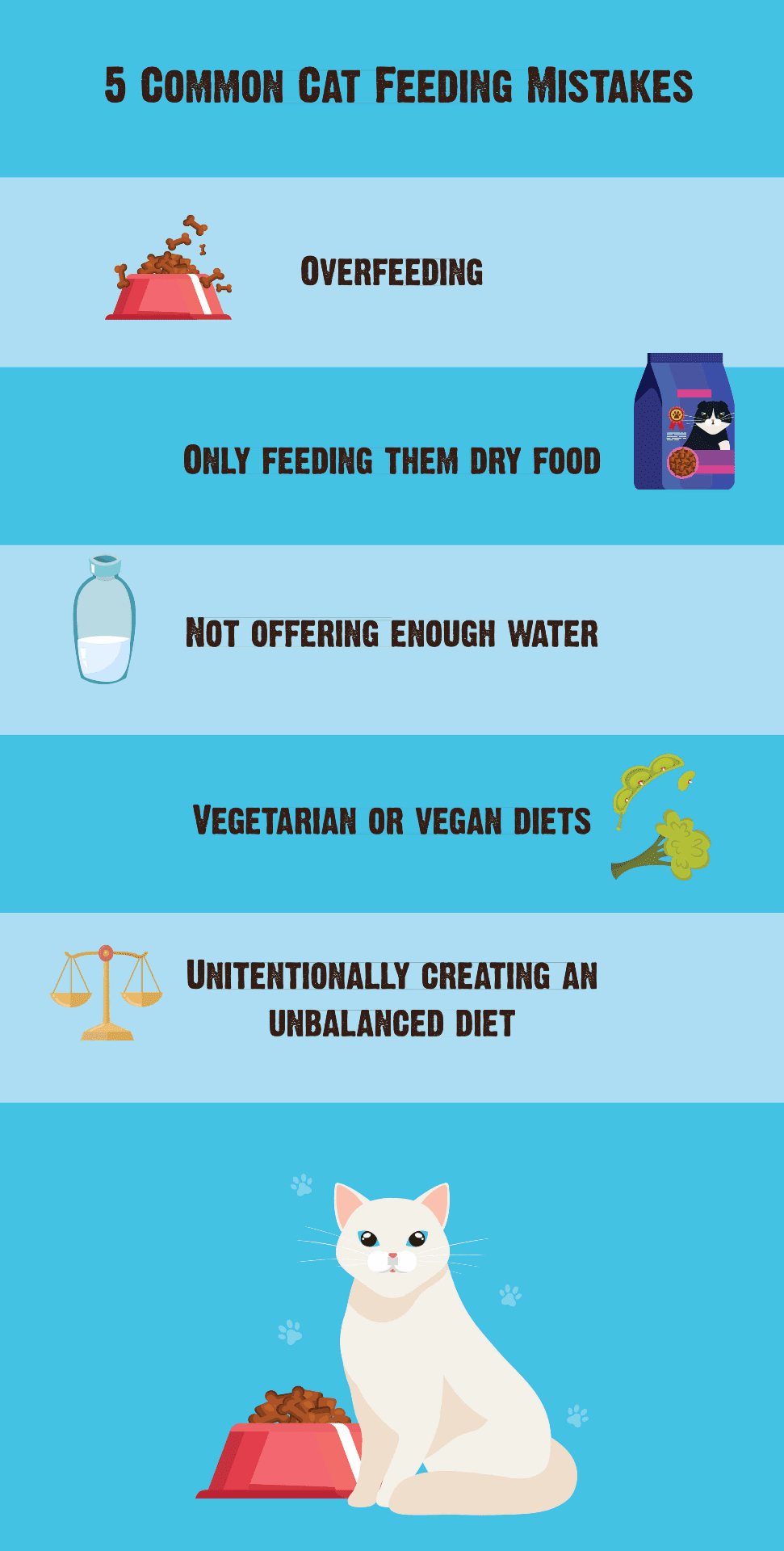
Feeding your adult cat the right amount of food is very important. Many pet owners make common mistakes without knowing it. These errors can affect your cat’s health and happiness. Understanding these mistakes helps keep your cat healthy and active.
Knowing the right food quantity is not always easy. Cats have different needs based on age, size, and activity. Avoiding feeding mistakes is key to good care.
Overfeeding Risks
Giving your cat too much food can cause serious problems. Overfeeding leads to weight gain and obesity. Obese cats face issues like diabetes and joint pain. Too much food also means your cat may not eat balanced meals. This can cause poor nutrition and health problems.
Watch your cat’s weight and adjust food portions. Too many treats or table scraps add extra calories. Always measure food carefully to avoid overfeeding.
Underfeeding Signs
Feeding too little can be just as harmful. Underfed cats may lose weight and become weak. They can show less energy and poor coat health. If your cat seems hungry all the time, it may not get enough food. Poor appetite or sudden weight loss are warning signs.
Monitor your cat’s body condition regularly. Consult a vet if you see signs of underfeeding. Proper food amounts keep your cat strong and healthy.
Credit: rawznaturalpetfood.com
Tools To Measure Food
Measuring the right amount of food for your adult cat is important. It helps keep your cat healthy and prevents overeating. Using the right tools makes this task easier and more accurate. Here are two common tools that many cat owners use.
Using Measuring Cups
Measuring cups are simple and easy to find. They come in different sizes and often have clear markings. You can use a dry measuring cup to scoop the cat food. Level it off to get an accurate amount. This method works well for both dry and wet food.
Measuring cups help keep portions consistent. This consistency supports your cat’s diet and weight control. They are affordable and do not need batteries or power. Just make sure to clean them well after each use.
Digital Scales For Accuracy
Digital scales give the most accurate measurement of cat food. They show the weight in grams or ounces on a clear screen. Place a bowl on the scale first and reset it to zero. Then add the cat food until you reach the right amount.
Using a scale is helpful if your cat’s food package lists serving sizes by weight. It ensures you feed your cat exactly what it needs. Digital scales can be small and easy to store. They require batteries but offer precision for better feeding control.
Consulting Your Veterinarian
Consulting your veterinarian is the best step to find the right cat food portion. Every cat has unique needs based on age, weight, and health. A vet can provide advice that fits your cat’s lifestyle and condition. This ensures your cat gets the right nutrition without overeating or losing weight.
Tailoring Portions To Health Needs
Your veterinarian can help adjust food portions for specific health issues. Cats with kidney problems, diabetes, or allergies need special diets. The vet will recommend the right amount and type of food. This keeps your cat healthy and comfortable while managing its condition.
Regular Weight Monitoring
Regular weight checks are important to keep your cat in good shape. Your vet can show you how to weigh your cat at home. Tracking weight helps spot changes early. Adjusting food amounts based on weight keeps your cat fit and active.
Frequently Asked Questions
How Much Cat Food Should An Adult Cat Eat Daily?
An adult cat typically needs 20-30 calories per pound daily. This equals about 1/3 to 1/2 cup of dry food or 5. 5 ounces of wet food daily. Adjust portions based on your cat’s weight, activity, and health needs for best results.
Does Cat Food Quantity Vary By Cat’s Weight?
Yes, cat food quantity varies with weight. Heavier cats need more calories, lighter cats need less. Always follow feeding guidelines on packaging and consult your vet for personalized advice to maintain a healthy weight.
How Often Should I Feed My Adult Cat?
Most adult cats do well with two meals per day. Feeding twice daily helps regulate metabolism and prevents overeating. Some cats prefer free feeding, but portion control is easier with set meal times.
Can Feeding Too Much Cat Food Harm My Cat?
Yes, overfeeding can cause obesity and health issues. Excess calories lead to weight gain, diabetes, and joint problems. Measure portions carefully and avoid free-feeding high-calorie foods to keep your cat healthy.
Conclusion
Feeding your adult cat the right amount keeps them healthy and happy. Watch their weight and energy for clues. Adjust food portions as needed, based on activity and age. Quality cat food matters, too. Always provide fresh water alongside meals.
Regular vet visits help track your cat’s health. Small changes make a big difference. Trust your care and attention to guide you. Your cat will thank you with purrs and play. Simple steps lead to a long, joyful life for your pet.