

Are you wondering if dry food is the right choice for your adult cat? You want to make sure your furry friend stays healthy and happy, but with so many opinions out there, it’s hard to know what’s best.
Choosing the right food affects your cat’s energy, weight, and even their teeth. You’ll discover the real benefits and hidden risks of dry cat food, so you can make the best decision for your pet’s well-being. Keep reading to find out what every cat owner needs to know before filling that bowl.
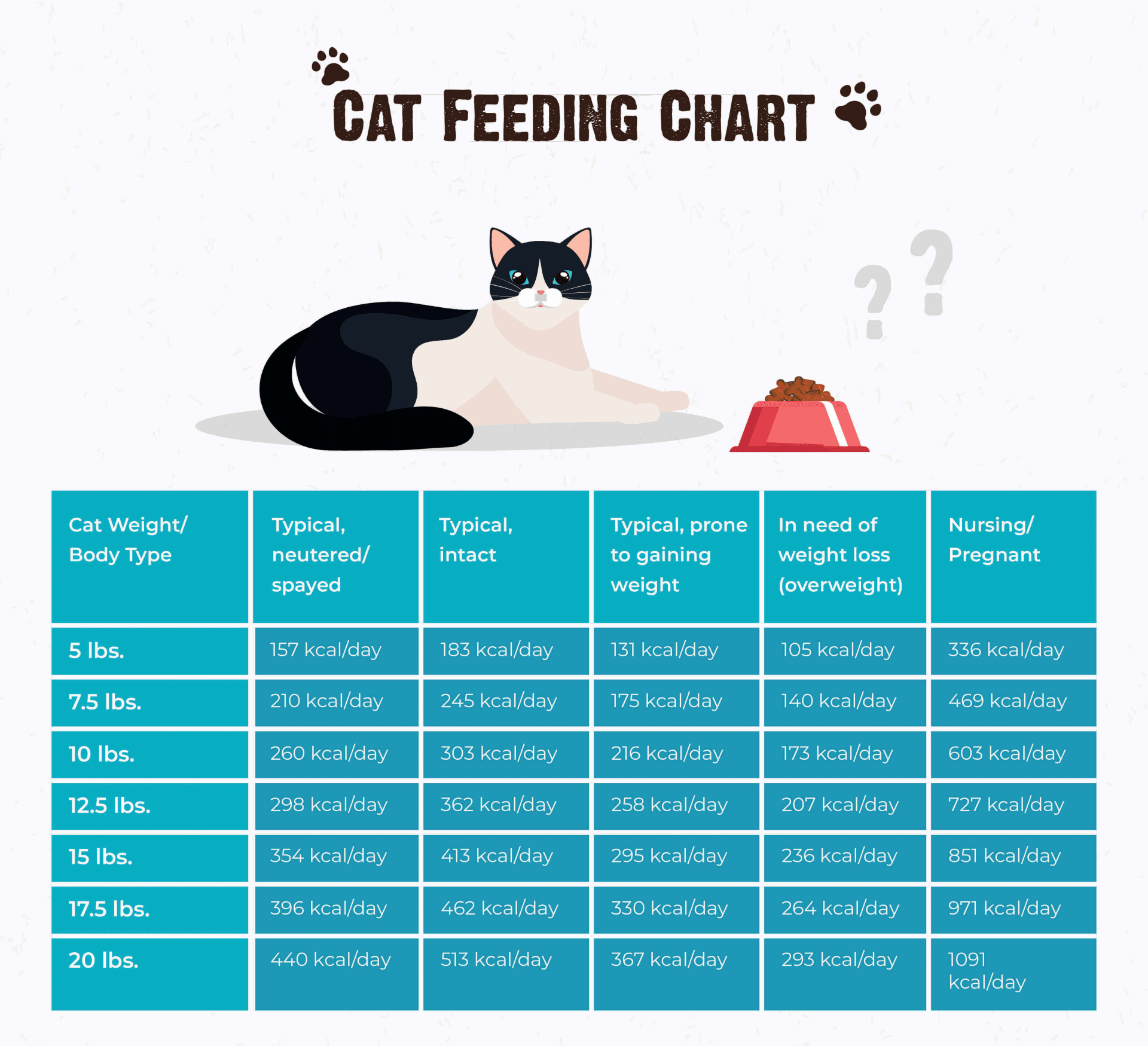
Credit: rawznaturalpetfood.com
Benefits Of Dry Cat Food
Dry cat food offers many benefits for adult cats. It is easy to store and feed. The nutrients in dry food help keep cats healthy. Many cat owners choose dry food for its convenience and health advantages.
Understanding these benefits can help you decide if dry food suits your cat’s needs. Here are some key points about dry cat food.
Nutritional Advantages
Dry cat food contains balanced nutrients. It has proteins, vitamins, and minerals needed for adult cats. Many brands make formulas for different health needs. This helps maintain a cat’s energy and body condition. The food also supports strong muscles and a shiny coat.
Convenience And Storage
Dry food is easy to store at home. It stays fresh longer than wet food. This saves money and reduces waste. You can leave dry food out all day. Cats can eat small amounts when they want. It makes feeding simpler for busy owners.
Dental Health Effects
Dry food can help clean a cat’s teeth. Crunchy kibble reduces plaque and tartar buildup. This supports better breath and oral health. Chewing dry food is good exercise for cats’ jaws. It lowers the risk of dental problems over time.

Credit: www.kinship.com
Drawbacks Of Dry Cat Food
Dry cat food is popular for its convenience and cost. Despite these benefits, it has notable drawbacks. These issues affect your adult cat’s health and wellbeing.
Risk Of Dehydration
Dry food contains very little moisture. Cats need water to stay healthy. Eating only dry food may cause dehydration. This can lead to urinary tract problems. Cats often do not drink enough water on their own.
Potential For Overeating
Dry food is easy to eat quickly. Cats may eat more than they need. Overeating leads to weight gain and obesity. Obesity causes many health problems in cats. It is harder to control portion size with dry food.
Quality Concerns
Not all dry foods have good ingredients. Some contain fillers and low-quality protein. These do not provide proper nutrition. Poor quality food can harm your cat’s health. Always check the ingredient list carefully.
Comparing Dry And Wet Food
Choosing the right food for adult cats can be tricky. Dry and wet foods are the two main types. Each has different features that affect a cat’s health and happiness. Understanding these differences helps pet owners make better choices for their cats.
Moisture Content Differences
Wet food contains a lot of water, usually 70-80%. This helps keep cats hydrated. Dry food has only about 10% moisture. Cats eating dry food need more water from other sources. Proper hydration supports kidney health and overall wellbeing.
Nutrient Absorption
Wet food often has higher protein and fat levels. These nutrients are easier for cats to digest. Dry food may have added carbohydrates. Cats digest protein better than carbs. Nutrient quality affects energy and muscle health.
Palatability And Preference
Many cats prefer wet food because of its smell and texture. Wet food feels softer and tastier to them. Dry food is crunchy and can help keep teeth clean. Cats may like one type more, depending on their taste and habits.
Health Considerations For Adult Cats
Adult cats need balanced nutrition to stay healthy and active. Choosing the right food affects their well-being. Dry food is popular, but it has pros and cons. Understanding health needs helps decide if dry food suits your cat.
Weight Management
Dry food is often calorie-dense, which can lead to weight gain. Overweight cats face risks like diabetes and joint problems. Portion control is key. Feeding measured amounts helps maintain a healthy weight. Some dry foods offer formulas for weight control. Always check the label for calorie content.
Urinary Tract Health
Water intake matters for urinary health. Dry food has low moisture, which may cause dehydration. Dehydration raises the risk of urinary stones and infections. Encouraging water drinking is important. Some owners add water to dry food to increase moisture. Regular vet checks help catch urinary issues early.
Allergies And Sensitivities
Cats can develop food allergies or sensitivities. Common triggers include grains and certain proteins in dry food. Symptoms may include itching, vomiting, or diarrhea. Choosing hypoallergenic or limited ingredient diets can help. Watch your cat’s reactions to new foods. Consult a vet for allergy testing and advice.
Expert Feeding Recommendations
Feeding adult cats the right food matters a lot for their health. Experts suggest following clear guidelines to keep cats strong and happy. Understanding how to feed dry food properly helps avoid common problems. Here are some expert tips on feeding adult cats dry food safely and effectively.
Balanced Diet Strategies
Adult cats need a mix of nutrients from their food. Dry food alone may not provide all necessary vitamins and moisture. Experts recommend combining dry food with wet food for better balance. This approach supports hydration and nutrient variety. Always choose high-quality dry food with good protein content. Avoid foods with too many fillers or artificial ingredients.
Portion Control Tips
Feeding the right amount prevents obesity and digestive issues. Experts advise measuring food portions based on your cat’s weight and activity. Overfeeding dry food can lead to weight gain. Divide daily food into smaller meals throughout the day. This helps control calorie intake and keeps your cat satisfied.
Monitoring Cat’s Health
Keep an eye on your cat’s weight and behavior. Changes in appetite or bathroom habits may signal health problems. Regular vet check-ups help catch issues early. Look for signs of dehydration if feeding mostly dry food. Adjust the diet based on your vet’s advice and your cat’s needs.
Transitioning To Dry Food
Switching an adult cat to dry food needs care and patience. Sudden changes can upset your cat’s stomach. A smooth transition helps your cat accept new food without stress. Watch your cat closely during this change.
Gradual Introduction
Start by mixing a small amount of dry food with wet food. Slowly increase the dry food portion over 7 to 10 days. This helps your cat get used to the new taste and texture. Never replace all the wet food at once.
Signs Of Adjustment
Look for how your cat reacts to the new dry food. Some cats may eat less or seem picky at first. Check for any vomiting, diarrhea, or changes in litter box habits. These signs show how well your cat handles the switch.
When To Consult A Vet
Talk to a vet if your cat refuses to eat dry food after two weeks. Seek help if you see vomiting, diarrhea, or weight loss. A vet can suggest the best diet and check for health problems.
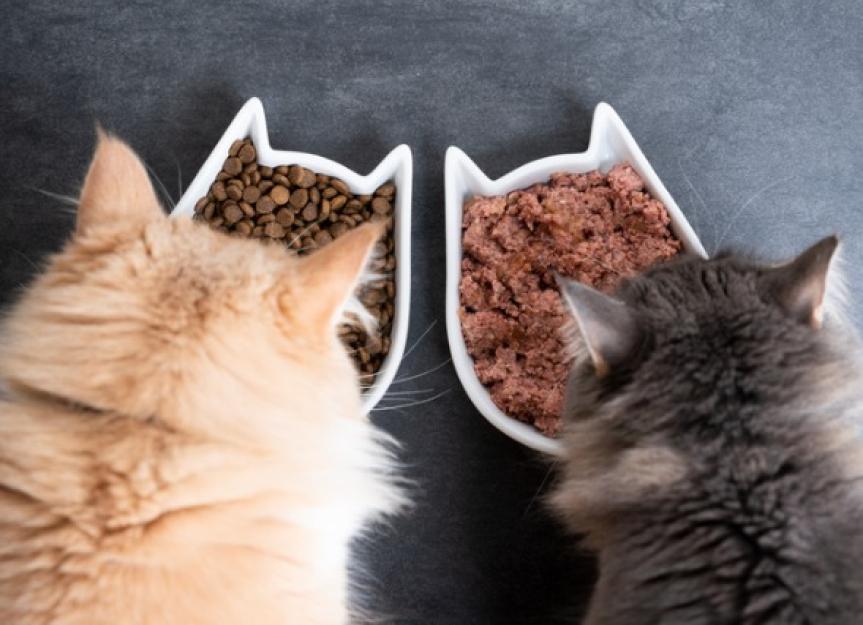
Credit: www.petmd.com
Frequently Asked Questions
Is Dry Food Suitable For Adult Cats Daily?
Yes, dry food is suitable for adult cats daily if it meets their nutritional needs. Choose high-quality brands with balanced proteins, fats, and vitamins for optimal health.
How Does Dry Food Affect Adult Cat Hydration?
Dry food contains low moisture, so adult cats need extra water. Encourage drinking by providing fresh water or mixing wet food to maintain hydration.
Can Dry Food Cause Health Issues In Adult Cats?
Poor-quality dry food or overfeeding may lead to obesity or urinary problems. Always select premium dry food and monitor portion sizes to avoid health risks.
Should Adult Cats Eat Only Dry Food Or Mix Diets?
A mixed diet combining dry and wet food offers balanced nutrition and hydration. This approach supports dental health and keeps cats well-hydrated and satisfied.
Conclusion
Adult cats can eat dry food, but balance is key. Dry food helps keep teeth clean and lasts longer. It also provides nutrients cats need daily. Still, fresh water must always be available. Mixing dry with wet food can boost hydration and taste.
Watch your cat’s weight and health closely. Every cat is unique, so adjust feeding as needed. Choose quality dry food made for adult cats. Good care means a happy, healthy feline friend.