

Are you wondering when to switch your cat from kitten food to adult food? Feeding your cat the right diet at the right time is crucial for their health and happiness.
If you start too early or too late, it could affect their growth and energy levels. You’ll discover the exact signs to look for and the best time to make this important change. Keep reading to ensure your furry friend gets the nutrition they need to thrive.
Kitten Growth Stages
Kittens grow very fast in their first months. Their food needs change as they develop. Knowing kitten growth stages helps you feed them right. This guides you on when to start adult cat food.
From Newborn To Weaning
Newborn kittens depend fully on their mother’s milk. It gives all the nutrients and hydration they need. Their eyes and ears open after about 1-2 weeks. They start crawling and exploring by 3 weeks old. At this stage, they still need mother’s milk for energy and growth.
Transition To Solid Food
At about 4 weeks, kittens begin trying solid food. Mix wet kitten food with water or milk replacer. This soft food is easier for their tiny teeth to eat. Slowly reduce milk as they eat more solids. By 8 weeks, most kittens eat solid food well and drink water.
Nutritional Needs By Age
Kittens need more protein and calories than adult cats. Their food must support quick growth and strong bones. Kitten food has extra vitamins and minerals. After 12 months, their growth slows and adult food is fine. Feeding the right food at each stage supports healthy development.
Signs To Switch To Adult Food
Knowing the right time to switch your cat to adult food is important. Cats grow fast and their nutritional needs change. Watch for clear signs that show your cat is ready for adult food. These signs help keep your cat healthy and strong.
Physical Development Indicators
Your cat’s body shows many clues about growth. Teeth are a good sign. When all baby teeth fall out and adult teeth appear, it may be time. Also, weight gain and muscle growth signal readiness. A cat that looks fully grown or close to it usually needs adult food. Coat changes, like shinier fur, also hint at growth stages.
Behavioral Changes
Adult cats act differently than kittens. They may eat less often but in bigger amounts. Your cat might explore food more carefully. Playfulness may slow down as energy levels change. These behavior changes suggest a diet change is needed. Watch how your cat eats and moves for clues.
Vet Recommendations
Veterinarians give the best advice on feeding. They check your cat’s health and growth. Your vet may suggest switching to adult food at a certain age. Regular checkups help track your cat’s progress. Follow your vet’s guidance to keep your cat healthy.
Risks Of Early Or Late Transition
Changing a cat’s food from kitten to adult at the right time matters a lot. Feeding adult food too early or too late can cause health problems. Cats need specific nutrients for each stage of life. Too soon or too late can upset their balance and well-being.
Watch the timing closely. The risks of an early or late switch affect nutrition, digestion, and weight. Understanding these risks helps keep your cat healthy and happy.
Nutritional Deficiencies
Kitten food has more protein and fat for growth. Adult food has fewer calories and different nutrients. Switching too early can leave kittens without enough nutrients. They may miss vitamins and minerals needed for strong bones and muscles.
Late switching means adult cats get too much protein and fat. This can strain their organs and cause health issues. Balanced nutrition is key for every life stage.
Digestive Issues
Cats’ digestive systems change as they grow. Kitten food is easier to digest for young cats. Adult food has different ingredients and fiber levels. Early change can upset the stomach and cause diarrhea or vomiting.
Late change may make it hard for adult cats to digest richer kitten food. This can lead to tummy troubles and discomfort. Proper timing helps avoid digestive problems.
Weight Management Concerns
Kittens need more calories to grow fast. Feeding adult food too soon can slow their growth and cause weight loss. They may not get enough energy for active play.
Adult cats eating kitten food for too long can gain excess weight. Obesity risks increase with too many calories. Weight control is important for long-term health.
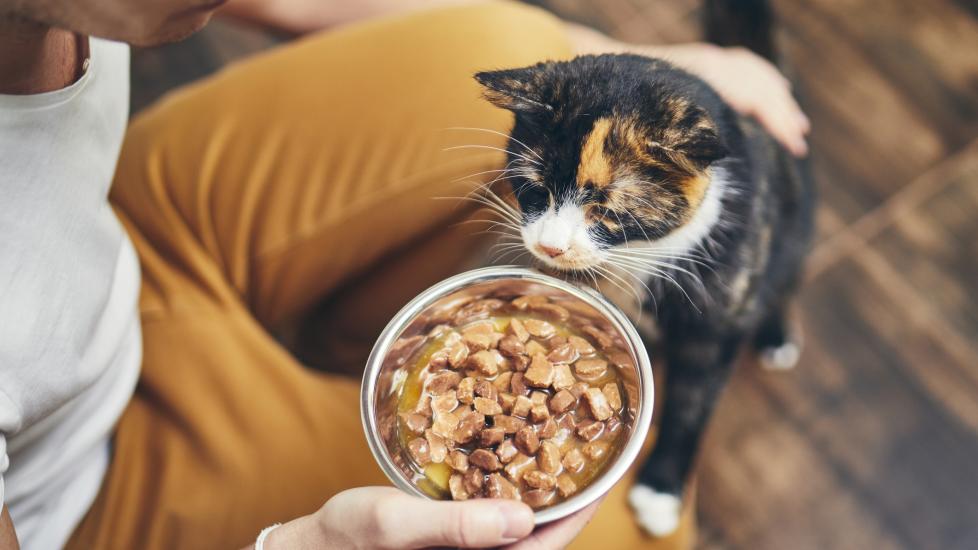
Credit: www.petmd.com
Choosing The Right Adult Food
Choosing the right adult food for your cat is important for their health. Adult cats need a balanced diet to stay strong and active. Not all foods are the same. Some have more nutrients, some less. Picking the right food helps your cat live a long, happy life.
Key Nutrients To Look For
Protein is the most important nutrient for adult cats. It helps build muscles and keeps energy up. Look for foods with high-quality animal protein like chicken or fish. Fat is also necessary for energy and healthy skin. Vitamins and minerals support the immune system and overall health. Taurine is a special nutrient cats need for their heart and eyes. Make sure the food includes taurine.
Types Of Adult Cat Food
Dry food is easy to store and helps clean teeth. Wet food has more moisture, which helps keep cats hydrated. Some cats like a mix of both types. There are also grain-free options for cats with allergies. Choose a type that matches your cat’s taste and health needs. Variety can keep your cat interested in their meals.
Reading Food Labels
Check the first ingredient on the label. It should be a named meat like chicken or fish. Avoid foods with too many fillers like corn or wheat. Look for clear information about protein and fat percentages. Avoid vague terms like “meat by-products.” Labels should list vitamins and minerals. Always check the expiration date to ensure freshness.
Transitioning Process Tips
Switching your cat from kitten food to adult food needs care and patience. The transition helps your cat adjust to new tastes and nutrients. A smooth change reduces stomach upset and keeps your cat happy.
Follow clear steps to make the switch easy and safe. Watch your cat closely during this time. Small changes can make a big difference for your cat’s health.
Gradual Food Mixing
Start by mixing a small amount of adult food with kitten food. Use about 25% adult food and 75% kitten food. Keep this ratio for three days. Then increase adult food to 50%, kitten food to 50%. After three more days, mix 75% adult food and 25% kitten food. Finally, switch to 100% adult food. This slow change helps your cat’s stomach adjust.
Monitoring Appetite And Health
Watch your cat’s eating habits closely. Check if your cat eats normally or refuses food. Look for signs of stomach upset, like vomiting or diarrhea. Also, watch your cat’s energy and mood. If your cat looks tired or sick, slow down the transition. Consult a vet if problems continue.
Adjusting Portions
Adult cats need different food amounts than kittens. Follow the feeding guide on the food package. Start with smaller portions during the transition. Increase or decrease food based on your cat’s hunger and weight. Avoid overfeeding to prevent weight gain. Adjust portions to keep your cat healthy and active.
Credit: www.catster.com
Special Considerations
Feeding a cat adult food requires attention to special factors. These factors ensure your cat stays healthy and happy. Consider the unique needs of your cat before changing their diet. Pay close attention to breed, health, and lifestyle.
Breed-specific Needs
Different cat breeds have unique nutritional needs. Some breeds grow faster or have higher energy. For example, large breeds may need more protein. Small breeds might require more calories per pound. Adjust feeding timing based on your cat’s breed traits.
Health Conditions
Cats with health issues need tailored diets. Kidney disease, diabetes, and allergies impact food choices. Consult a vet before switching to adult food. Special formulas may be necessary for sensitive cats. Monitor your cat’s health during diet changes.
Indoor Vs Outdoor Cats
Indoor cats are less active and need fewer calories. Outdoor cats burn more energy and need richer food. Outdoor cats may also face more health risks. Adjust food type and portion size for each lifestyle. Feeding the right food helps maintain healthy weight.
Credit: www.catster.com
Frequently Asked Questions
When Should I Switch My Kitten To Adult Cat Food?
You should switch your kitten to adult cat food at about 12 months. This marks their transition from growth to adulthood. Adult food supports maintenance, not rapid growth. Consult your vet if unsure about the timing for your specific cat.
Why Is Timing Important For Feeding Adult Cat Food?
Proper timing ensures your cat gets the right nutrients for its life stage. Feeding adult food too early may lack essential growth nutrients. Too late can lead to obesity or nutrient imbalances. Transition gradually to avoid digestive upset.
How To Transition A Cat To Adult Food Smoothly?
Mix increasing amounts of adult food with kitten food over 7-10 days. Gradual change helps prevent stomach upset and allows your cat to adjust. Monitor your cat’s health and appetite during this period for any issues.
Can Feeding Adult Food Too Early Harm Kittens?
Yes, feeding adult food too early can harm kittens. Adult food lacks nutrients kittens need for growth, like extra protein and fat. This can stunt growth and weaken their immune system. Always follow age recommendations on cat food labels.
Conclusion
Feeding your cat adult food at the right time helps their health. Most cats switch around one year old. Watch their growth and energy to know the best moment. Choose quality food made for adult cats. Changing food slowly avoids stomach problems.
A happy, healthy cat needs proper nutrition every day. Keep learning about your cat’s needs as they grow. Simple care makes a big difference in their life. Stay patient and kind during the change. Your cat will thank you with purrs and love.