
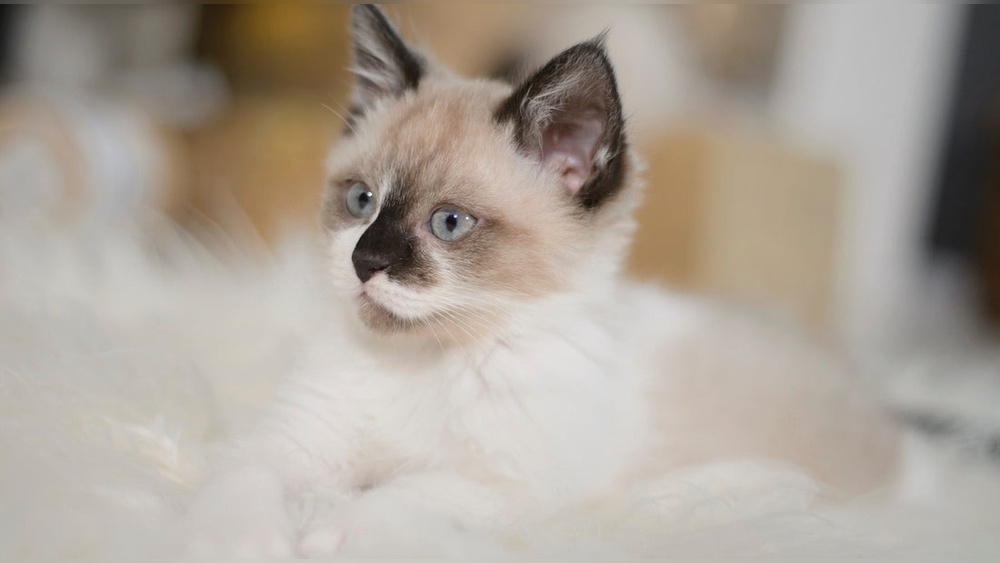
Taking care of a kitten weaned too early can feel overwhelming. You want to give your little furry friend the best start, but you might be unsure where to begin.
If your kitten stopped nursing before it was ready, it needs extra care, attention, and the right feeding routine to grow strong and healthy. In this guide, you’ll discover simple, practical steps to help your kitten thrive despite the early weaning.
Keep reading, because these tips could make all the difference in your kitten’s life—and your peace of mind.
Signs Of Early Weaning
Recognizing the signs of early weaning is important for taking proper care of a kitten. Early weaning happens when a kitten stops nursing before it is ready. This can affect its health and growth. Knowing the signs helps you act quickly and give the kitten the support it needs.
Age Indicators
Kittens usually wean between 6 to 8 weeks old. If a kitten stops nursing before 4 weeks, it may be weaned too early. Look at the kitten’s age closely. Very young kittens still need their mother’s milk for nutrition and immunity. Early weaning can cause feeding problems and weak immunity.
Behavioral Changes
Kittens weaned early may act restless or cry more. They might try to nurse but find no milk. Watch for chewing or biting objects often. These behaviors show the kitten is confused or hungry. Early weaned kittens may also sleep less and seem anxious. These signs show the kitten needs extra care and feeding support.
Nutrition Needs
Nutrition is crucial for kittens weaned too early. Their bodies need the right nutrients to grow strong. Early-weaned kittens often miss important food from their mother. So, special care is needed to meet their nutrition needs. Proper food helps their immune system and supports brain development. Feeding the right diet ensures healthy weight gain and good energy levels.
Choosing The Right Food
Select food made specifically for young kittens. These foods have more protein and fat than adult cat food. Wet food is easier to eat for early-weaned kittens. It also keeps them hydrated. Look for food with essential vitamins and minerals. Avoid cow’s milk; it can upset their stomach. Kitten formula milk is a better choice if needed.
Feeding Schedule
Feed early-weaned kittens small meals often. Their stomachs are small and cannot hold much food. Offer food at least four to six times a day. Keep portions small but frequent to avoid hunger. Monitor their weight and adjust feeding amounts if needed. Consistency helps build their eating habits and digestion.
Hydration Importance
Water is vital for all kittens, especially early-weaned ones. Always provide fresh, clean water nearby. Wet food helps increase water intake. Dehydration can lead to serious health problems. Watch for signs like dry gums or lethargy. Encourage drinking by changing water often and using shallow bowls.
Creating A Safe Environment
Creating a safe environment is key for a kitten weaned too early. It helps them feel secure and calm. Early weaned kittens need extra care and attention. Their new world can be scary without their mother. A safe space gives them comfort and peace.
Warmth And Comfort
Kittens cannot keep their body warm well. They need a warm spot to rest and sleep. Use a heating pad set on low or a warm water bottle wrapped in a towel. Keep the heat source under a soft blanket or bed. Check the temperature often to avoid burns.
Soft bedding like fleece or cotton helps the kitten feel cozy. Change bedding regularly to keep it clean and dry. Avoid drafts and cold floors. Warmth helps the kitten grow strong and healthy.
Safe Space Setup
Choose a quiet corner or small room for the kitten’s space. It should be free from loud noises and other pets. Use a small cage or playpen to keep the kitten safe. Make sure the area has no sharp edges or small objects to swallow.
Place food, water, and a litter box nearby. Keep everything easy to reach for the kitten. Give toys for mental stimulation and gentle play. A calm, tidy area helps the kitten feel less stressed and more secure.

Credit: petparentsbrand.com
Health Care Essentials
Taking care of a kitten weaned too early needs special health care. Early weaning can make kittens weaker and more prone to illness. Good health care helps them grow strong and healthy.
Pay close attention to their weight and growth. Watch for signs that may show illness. Regular vet visits are very important.
Monitoring Weight And Growth
Weigh the kitten every day using a small scale. Keep a record of the weight to see steady growth. Healthy kittens gain weight daily. If weight drops or stops rising, act quickly.
Check the kitten’s body condition. Thin ribs or spine show poor health. A healthy kitten feels firm and plump.
Recognizing Illness Signs
Look for changes in appetite or energy. A sick kitten may sleep more or refuse food. Watch for coughing, sneezing, or nasal discharge. Diarrhea or vomiting also needs quick attention.
Notice if the kitten has trouble breathing or is very weak. Early signs help prevent serious illness. Don’t wait to seek help if you see these symptoms.
Veterinary Visits
Schedule a vet visit soon after weaning. The vet will check health and give vaccines. Regular checkups keep the kitten safe from disease. Follow the vet’s advice on diet and care.
Keep emergency vet contacts handy. Early care can save a kitten’s life. Never ignore unusual signs or delays in growth.
Socialization And Play
Socialization and play are key for kittens weaned too early. These activities help them grow healthy and happy. Play teaches kittens how to interact with others. It also builds their confidence and reduces fear.
Kittens need gentle and regular social time. Early play and touch create strong bonds. They learn to trust humans and other pets. This social learning shapes their behavior forever.
Encouraging Interaction
Spend time holding and petting your kitten each day. Speak softly to make them feel safe. Let the kitten explore your hands and lap. Invite family members to join in calm play. Use slow movements to avoid scaring them. Watch their body language to know when to stop. Offer treats to reward friendly behavior. Social interaction helps kittens become friendly adults.
Toys And Stimulation
Provide a variety of safe toys to keep kittens busy. Toys with feathers, strings, or small balls work well. Change toys often to keep their interest high. Play sessions should be short but frequent. Interactive toys encourage natural hunting skills. Avoid toys with small parts that can be swallowed. Stimulating play reduces boredom and destructive habits. A tired kitten is a happy kitten.

Credit: ca.style.yahoo.com
Litter Training Tips
Litter training is very important for kittens weaned too early. They need clear guidance to learn where to go. Patience helps them understand and use the litter box properly. Simple steps make training easier for both you and your kitten.
Choosing A Litter Box
Pick a litter box that fits your kitten’s size. Small boxes with low sides work best. It helps them climb in and out without trouble. Use a box with smooth edges to avoid injury. Avoid covered boxes at first; kittens like open spaces. Place the box in a quiet, easy-to-reach spot. Keep it away from food and water bowls.
Training Steps
Show your kitten the litter box right after meals and naps. Gently place them inside to explore. Praise your kitten when they use the box correctly. Clean the litter box daily to remove waste and smells. Avoid harsh cleaners; mild soap works well. If accidents happen, do not punish your kitten. Use soft words and guide them back to the box. Repeat these steps every day until the habit forms.
Common Challenges
Taking care of a kitten weaned too early can be tough. These kittens face many challenges. They need special attention and care to grow healthy and strong.
Dealing With Stress
Early-weaned kittens often feel scared and alone. They miss their mother’s warmth and comfort. This stress can affect their health and behavior.
Keep the kitten warm with soft blankets. Create a quiet, safe space to help them relax. Spend time gently playing and petting to build trust.
Handling Feeding Difficulties
Kittens weaned too soon may refuse food or eat little. Their stomachs are small and sensitive. They need special kitten formula or soft wet food.
Feed small amounts often. Use a shallow dish or syringe if needed. Watch for signs of hunger or discomfort and adjust feeding times.
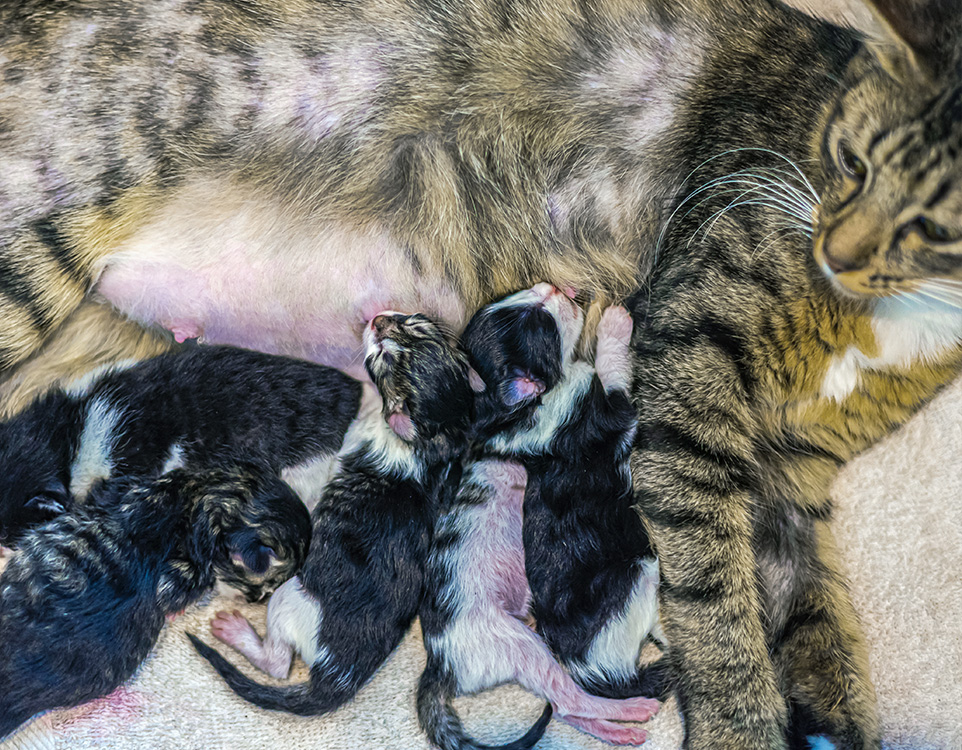
Credit: humanecolorado.org
Frequently Asked Questions
What Are Early Signs A Kitten Is Weaned Too Soon?
Kittens weaned too early often show poor weight gain, diarrhea, and lack of social skills. They may also appear weak and have trouble eating solid food. Early weaning can affect their immune system and behavior, requiring special care and monitoring.
How To Feed A Kitten Weaned Earlier Than Usual?
Feed early-weaned kittens kitten formula or wet food frequently. Avoid cow’s milk as it can cause upset stomach. Gradually introduce soft solid food and ensure fresh water is always available. Small, frequent meals help them adjust and grow healthy.
What Are Common Health Risks For Early-weaned Kittens?
Early-weaned kittens face risks like dehydration, infections, and malnutrition. They may have weaker immunity and digestive issues. Prompt veterinary care and a warm, clean environment are crucial to prevent complications. Proper nutrition supports their growth and development.
How To Provide Comfort To A Kitten Weaned Too Early?
Offer warmth using blankets or heating pads set on low. Provide gentle handling and social interaction to mimic motherly care. A calm environment reduces stress. Comfort helps kittens feel secure and supports emotional and physical growth.
Conclusion
Taking care of a kitten weaned too early needs patience and care. Feed small, frequent meals with kitten formula or soft food. Keep the kitten warm and comfortable every day. Watch for signs of illness and visit the vet if needed.
Give lots of gentle love and quiet time to grow strong. Early weaning can be challenging, but with steady care, the kitten will thrive. Small steps make a big difference in your kitten’s health and happiness. Keep learning and enjoy the special bond you share.