
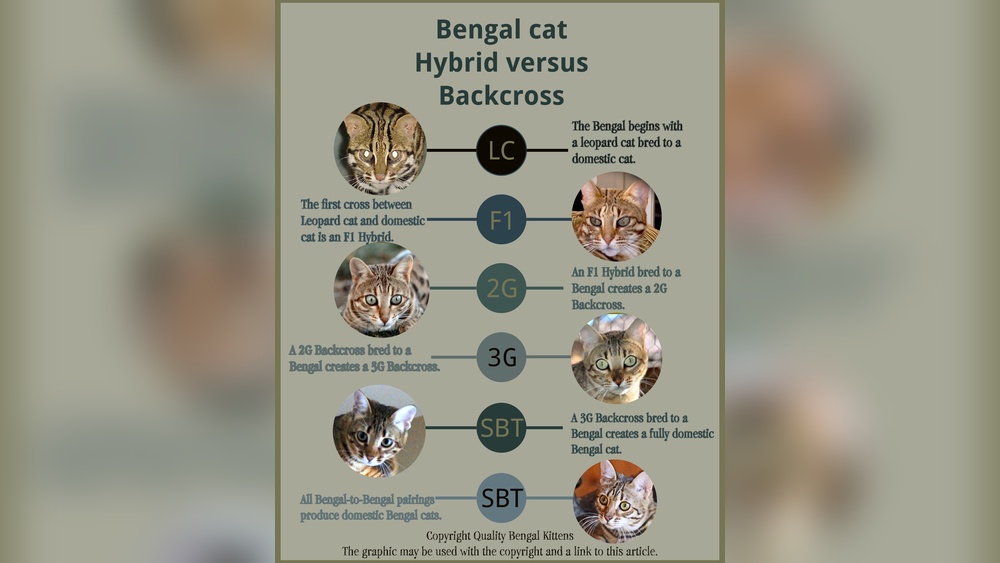
Are you fascinated by Bengal cats and wondering how to start breeding these stunning felines? Breeding Bengal cats isn’t just about having beautiful pets—it’s about understanding their unique traits and ensuring healthy, happy kittens.
If you want to turn your passion into a rewarding experience, you need the right knowledge and approach. This guide will walk you through everything you need to know to get started with Bengal cat breeding the right way. Keep reading, and you’ll discover the essential steps to make your breeding journey successful and fulfilling.
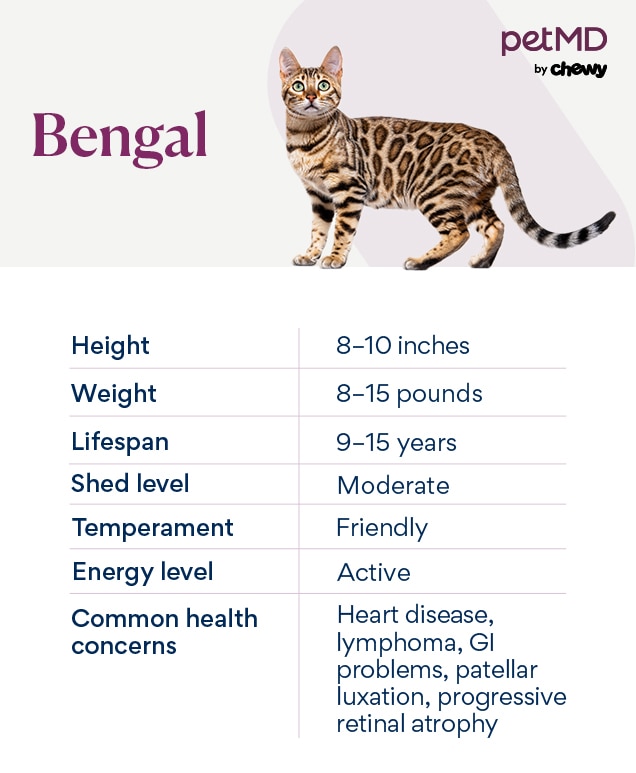
Credit: www.petmd.com
Why Choose Bengal Cats
Bengal cats are a special choice for breeders. They stand out because of their looks and personality. Many people love Bengals for reasons beyond just appearance. Their traits make them a favorite among cat lovers worldwide.
Unique Traits And Appearance
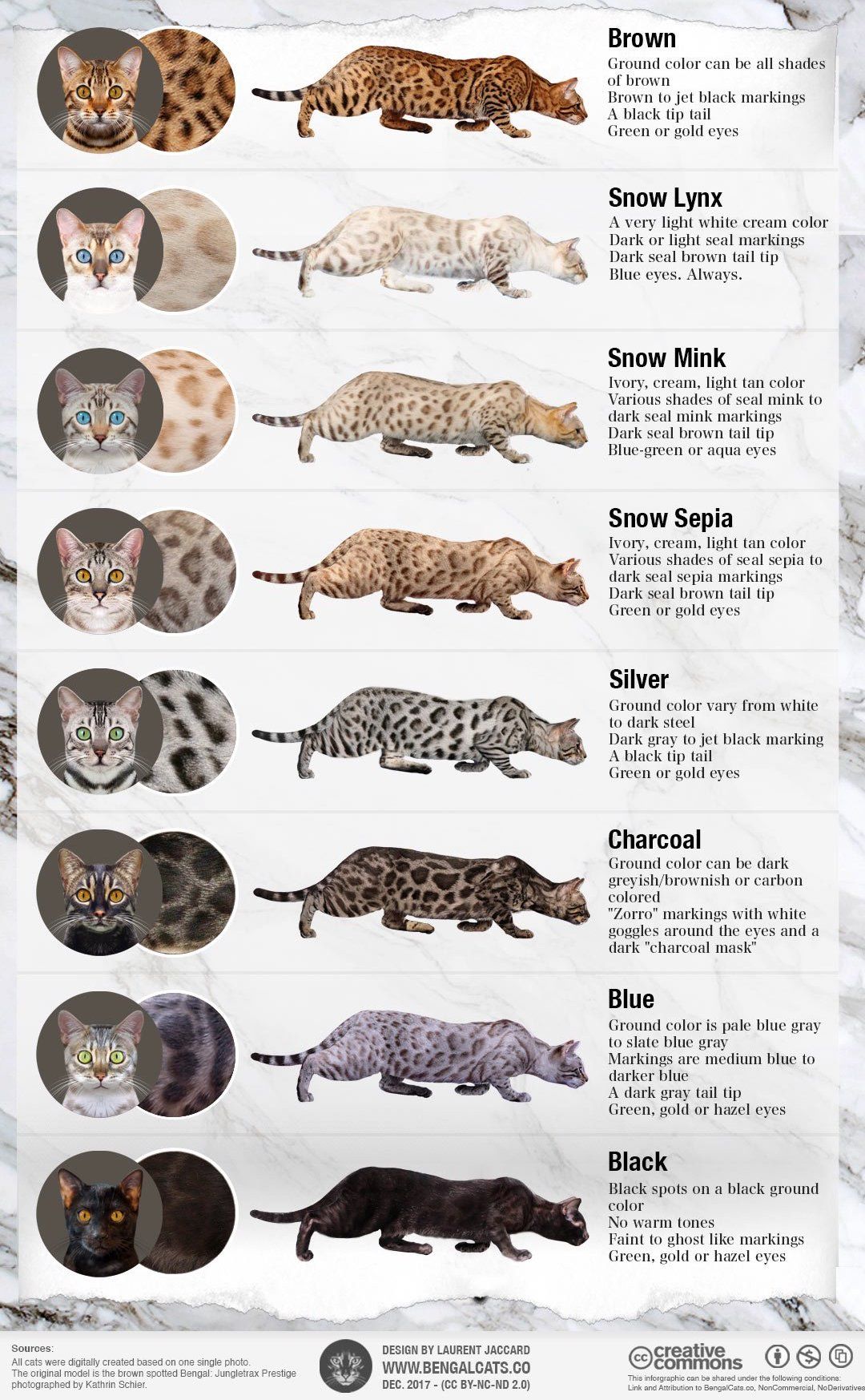
Bengal cats have a wild look. Their coat has spots and rosettes like a leopard. This pattern makes them very striking. Their fur is soft and shiny. Bengals are strong and athletic. Their eyes are bright and expressive. These features make Bengals easy to recognize.
Personality And Temperament
Bengals are playful and curious. They enjoy exploring their surroundings. These cats are smart and learn quickly. They like to interact with people. Bengals often form strong bonds with their owners. They are active and need exercise. Their friendly nature makes them great pets.
Popularity And Demand
Bengal cats are popular worldwide. Their unique look attracts many buyers. Demand for Bengals is high. Many people want Bengals as pets. This makes breeding Bengals a good opportunity. Responsible breeders can meet this growing demand. The Bengal breed continues to gain fans.
Essential Knowledge For Beginners
Starting Bengal cat breeding needs clear knowledge. This helps to care for cats well. Beginners must learn key facts about the breed, health, and rules. This section shares essential knowledge for beginners.
Understanding these basics builds a strong foundation. It guides breeders to make smart choices. Each part plays a big role in successful Bengal cat breeding.
Breed Standards And Genetics
Bengal cats have unique looks and traits. Breed standards describe these features clearly. Knowing these standards helps keep the breed pure. Genetics affect coat patterns, colors, and health. Studying Bengal genetics prevents unwanted traits. Breeders must choose pairs carefully to keep good qualities.
Health Considerations
Healthy cats live longer and are happier. Bengal cats can face certain health risks. Regular vet check-ups catch problems early. Vaccinations and good diet keep cats strong. Breeders must test for hereditary diseases. Clean and safe living spaces lower illness risks.
Legal And Ethical Aspects
Breeding cats needs following laws strictly. Some places have rules about breeding numbers and sales. Ethical breeders treat cats with respect and care. Avoid overbreeding and sell kittens responsibly. Good breeders focus on cat welfare above profit. Know local laws to avoid fines or trouble.
Setting Up Your Breeding Space
Setting up the right space is crucial for breeding Bengal cats. This area must be safe, clean, and comfortable. It helps the cats feel relaxed and healthy. A good environment supports the mother and her kittens during all stages.
Safe And Comfortable Environment
Choose a quiet room with little noise and traffic. The space should be warm and free from drafts. Soft bedding helps the mother rest well. Avoid sharp objects and anything harmful nearby. Good lighting is important but not too bright.
Necessary Equipment And Supplies
Prepare a sturdy nesting box for the mother cat. Keep clean towels and blankets on hand. Provide food and fresh water close by. Have a scale to monitor the kittens’ weight. A heating pad helps keep the area warm, but use it safely.
Hygiene And Maintenance
Clean the breeding space every day. Remove soiled bedding and replace it with fresh materials. Use pet-safe cleaners to disinfect surfaces. Wash your hands before and after handling cats. Regular cleaning reduces illness risks for cats and kittens.
Selecting The Right Cats
Selecting the right cats is the first step in breeding Bengal cats. It sets the foundation for healthy kittens with great traits. Choosing good breeding cats takes time and careful thought. Focus on quality, health, and compatibility. These factors influence the success of your breeding program.
Choosing Quality Breeding Stock
Start by finding Bengals with strong physical traits. Look for well-defined spots, sleek coats, and muscular bodies. The cat’s temperament matters too. Friendly and calm Bengals make better parents. Avoid cats with weak or unusual features. Good breeding stock helps pass desirable traits to kittens.
Evaluating Health And Pedigree
Check each cat’s health history before breeding. Healthy cats reduce risks during pregnancy and birth. Ask for veterinary records and test results. Genetic diseases can pass through family lines. Study the pedigree to understand inherited traits. Choose cats from lines with few health issues. This protects future generations from illness.
Matching Pairs For Best Results
Pair cats with complementary traits for stronger kittens. Combine good coat patterns, colors, and body types. Avoid mating cats that are too similar or too different. Balance is key. Also, consider their temperaments. Calm, social cats usually produce friendly kittens. Thoughtful pairings improve the quality of your Bengal cats.
Breeding Process Basics
Starting Bengal cat breeding requires understanding the basic steps involved. Each stage needs care and attention to ensure healthy cats and kittens. Knowing the breeding process basics helps you prepare well and succeed.
Mating Timing And Techniques
Bengal cats come into heat several times a year. The best time to breed is during the cat’s heat cycle. Signs include restlessness and loud meowing. Introduce the male and female slowly. Allow them to get used to each other first. Mating may take place over several days. Watch for gentle behavior and acceptance. Avoid forcing the cats to mate. Natural mating is safest and most effective.
Pregnancy Care
Bengal cats are pregnant for about 63 to 68 days. During this time, provide a quiet and comfortable space. Feed the mother high-quality food with extra nutrients. Keep her away from stress and loud noises. Regular vet check-ups ensure the pregnancy is healthy. Watch for any signs of illness or discomfort. Proper care helps the mother and kittens stay strong.
Preparing For Birth
Set up a clean, warm nesting area before the birth. Use soft blankets or towels for comfort. Keep the area private and safe from other pets. Have a vet’s number ready for emergencies. The mother may hide or become restless before labor. Help her stay calm and comfortable. Be ready to assist if the birth takes too long. Cleanliness and calmness are key to a smooth delivery.
Raising Bengal Kittens
Raising Bengal kittens is a rewarding experience that requires patience and care. These kittens are active and curious from the start. Their early days shape their health and behavior for life. Proper care helps them grow strong and friendly.
Each stage of their early life needs attention. From feeding to socializing, every step builds their future. Knowing what to do in each phase ensures happy and healthy Bengals.
Neonatal Care And Feeding
Newborn Bengal kittens need warmth and comfort. Keep their area clean and cozy. They rely on their mother’s milk for nutrition. If the mother is not available, use a kitten milk replacer. Feed small amounts often, every two to three hours. Handle kittens gently to avoid stress. Watch them closely for any signs of trouble.
Socialization And Development
Socializing Bengal kittens early is very important. Start gentle handling at two weeks old. Let them explore safe areas with supervision. Introduce sounds and new people slowly. Play with them using toys to encourage movement. This helps build trust and confidence. Well-socialized Bengals become friendly and playful adults.
Health Monitoring And Vaccinations
Monitor kittens’ health daily. Check their eyes, ears, and skin for problems. Keep track of their weight to ensure steady growth. Schedule regular vet visits for checkups and vaccines. Vaccinations protect against common diseases. Deworming and flea control are also essential. Early health care prevents many future issues.
Marketing And Selling Kittens
Marketing and selling Bengal kittens is a key part of breeding. It helps you find the right homes and build trust. Good marketing makes your kittens stand out. Clear selling practices protect you and the buyers.
Creating A Reputation
Reputation is everything in Bengal cat breeding. Share honest photos and stories about your kittens. Show care and knowledge in all your posts. Happy buyers talk and spread your good name. Positive reviews help attract serious cat lovers. Be patient. A strong reputation grows over time.
Finding Good Homes
Choose homes carefully for your Bengal kittens. Ask questions about the buyer’s experience and lifestyle. Make sure they understand Bengal cats’ needs and energy. Screen buyers to avoid neglect or abandonment. Follow up with new owners after the sale. Help them with advice to keep kittens healthy and happy.
Legal Documentation And Contracts
Always use clear contracts for every kitten sale. Include details like health guarantees and spay/neuter agreements. Provide registration papers and vaccination records. Contracts protect both you and the buyer. Keep copies of all documents for your records. This builds trust and shows professionalism in your breeding business.

Credit: www.petmd.com
Common Challenges And Solutions
Starting Bengal cat breeding can be exciting and rewarding. Expect some challenges along the way. Knowing common problems helps you prepare better. Solutions make the journey smoother and more enjoyable.
Health Issues
Bengal cats may face genetic health problems. Regular vet checks catch issues early. Test breeding cats for common diseases. Vaccinate cats to prevent infections. Keep a clean environment to reduce illness risks. Good nutrition supports strong immune systems. Address health issues quickly to avoid bigger problems.
Behavioral Problems
Bengals are active and curious cats. They may show aggressive or shy behavior. Socialize kittens early to build confidence. Provide toys and playtime to reduce boredom. Use gentle training to guide behavior. Recognize signs of stress and act fast. Calm, patient care helps improve their behavior.
Managing Costs
Breeding Bengal cats involves many expenses. Vet bills, food, and supplies add up fast. Set a budget before starting. Track all costs carefully for better control. Save money by buying quality items in bulk. Plan for unexpected expenses like emergencies. Smart money management keeps your breeding stable.
Credit: royalbengalcattery.com
Frequently Asked Questions
What Qualifications Are Needed To Breed Bengal Cats?
To breed Bengal cats, you need knowledge of genetics and feline health. Experience with breeding standards and ethics is essential. Register with a reputable cat breeding association. Ensure proper facilities for the cats’ care and maintain detailed records of breeding pairs and kittens.
How Much Does It Cost To Start Bengal Cat Breeding?
Starting Bengal cat breeding costs vary but expect $3,000 to $10,000. Expenses include purchasing quality breeding cats, veterinary care, and proper housing. Budget for registration, vaccinations, and nutrition. Initial investment depends on the breeder’s goals and available resources.
What Are The Essential Health Checks For Bengal Breeders?
Essential health checks include genetic testing for common Bengal diseases. Screen for hypertrophic cardiomyopathy and progressive retinal atrophy. Regular veterinary exams ensure breeding cats are healthy. Vaccinations and parasite control are critical before breeding.
How Do I Find Good Bengal Breeding Cats?
Find good Bengal breeding cats through reputable breeders or cat shows. Look for cats with strong pedigrees and health clearances. Evaluate temperament and physical traits matching Bengal standards. Join breeder networks for recommendations and support.
Conclusion
Breeding Bengal cats takes time, care, and patience. Start by learning about their needs and health. Choose healthy cats with good traits for breeding. Keep their environment clean and safe. Track their growth and behavior closely. Always consult experts or vets when unsure.
Enjoy the process and respect the cats’ well-being. This journey can bring joy and new experiences. Stay committed and keep learning every day.