
Bringing a kitten into your home is an exciting experience, but it also comes with important responsibilities. You want your new furry friend to grow up healthy, happy, and full of energy.
Knowing how to take care of a kitten properly can make all the difference in building a strong bond and ensuring their well-being. In this guide, you’ll discover simple, effective tips that will help you provide the best care for your kitten every step of the way.
Keep reading to learn how to create a safe, loving environment where your kitten can thrive.
Credit: www.shattovet.com
Choosing The Right Kitten
Choosing the right kitten is the first step to a happy pet life. A good choice makes a strong bond and fewer problems later. Take your time to find a kitten that fits your home and lifestyle. This section helps you pick a healthy, friendly kitten and get ready for its arrival.
Selecting A Healthy Kitten
Look for clear eyes and clean ears. The kitten should have a shiny coat with no bald spots. Watch for playful behavior and good energy. Avoid kittens that cough or sneeze often. Check if the kitten eats well and uses the litter box. These signs show good health and strong immune system.
Considering Breed And Personality
Different breeds have different needs and traits. Some cats are quiet and calm; others are active and loud. Think about your daily routine and space at home. Choose a breed that matches your lifestyle. Also, spend time with the kitten to see its personality. Friendly and curious kittens often adapt well to new homes.
Preparing Your Home
Make your home safe and welcoming. Remove plants or items that can harm the kitten. Set up a cozy bed and litter box in a quiet place. Buy food, toys, and scratching posts before the kitten arrives. Prepare a small area for the kitten to explore first. This helps the kitten feel secure and less scared.
Feeding Your Kitten
Feeding your kitten is one of the most important tasks. Proper nutrition helps kittens grow strong and healthy. A good diet supports their energy and development. Understanding what to feed and how much is key to their well-being.
Best Diet For Growth
Kittens need food rich in protein and fat. Protein builds muscles and supports growth. Fat gives energy for play and learning. Choose high-quality kitten food made for their age. Wet food helps keep kittens hydrated. Dry food can improve dental health. A mix of both is often best.
Feeding Schedule And Portions
Kittens eat small meals often. Feed them three to four times a day. Each meal should be small but balanced. Follow the feeding guide on the food package. Watch their weight and adjust portions if needed. Always provide fresh water after meals.
Foods To Avoid
Never give kittens cow’s milk. It can upset their stomach. Avoid raw meat or eggs to prevent illness. Chocolate, onions, and garlic are toxic to cats. Stay away from salty or sugary foods. Human snacks do not meet kitten nutrition needs.
Creating A Safe Environment
Creating a safe environment for your kitten is the first step in caring for it. Kittens are curious and like to explore. This curiosity can lead them into danger. A safe space helps your kitten grow healthy and happy. It also gives you peace of mind.
Kitten-proofing Your Home
Start by checking the places your kitten can reach. Move small items that your kitten might swallow. Hide electrical cords or cover them with protectors. Close windows and doors to keep your kitten inside. Remove plants that are toxic to cats. Look for small spaces where your kitten can get stuck and block them.
Safe Toys And Play Areas
Choose toys made for kittens. Avoid toys with small parts that can break off. Soft balls, feather wands, and stuffed mice are good options. Create a play area that is quiet and free from hazards. Make sure your kitten has space to run and jump. Change toys often to keep your kitten interested.
Managing Hazards
Keep cleaning supplies and chemicals out of reach. Store medicines in locked cabinets. Be careful with open flames and hot surfaces. Watch out for sharp objects like scissors or pins. Check that your kitten cannot access plastic bags or strings. These items can cause choking or injury.

Credit: www.bluebuffalo.com
Health And Veterinary Care
Taking care of a kitten’s health is very important. Good health means a happy, playful kitten. Regular veterinary care helps keep your kitten safe from illness. Early care also helps catch problems before they grow.
Vaccinations And Checkups
Kittens need vaccines to fight diseases. Your vet will give shots to protect against common infections. Start vaccinations at six to eight weeks old. Follow your vet’s schedule for booster shots. Regular checkups help track your kitten’s growth. Vets check for signs of illness and give advice.
Common Health Issues
Kittens can get colds, fleas, or worms. Watch for sneezing, coughing, or itching. Diarrhea and poor appetite are signs of trouble. Early treatment helps your kitten recover fast. Keep your kitten clean and safe to avoid sickness. Ask your vet about flea and worm prevention.
Spaying And Neutering
Spaying or neutering your kitten prevents unwanted litters. This surgery also lowers the risk of some diseases. It helps reduce roaming and aggressive behavior. Most vets recommend doing this at six months. Talk to your vet about the best time. This care supports a longer, healthier life.
Litter Training Tips
Litter training is an important step in caring for a new kitten. It helps keep your home clean and your kitten healthy. Teaching your kitten to use the litter box takes patience and the right approach. Below are some tips to make this process easier.
Choosing The Right Litter Box
Pick a litter box that is easy for your kitten to enter and exit. Small boxes with low sides work best for young kittens. Avoid covered litter boxes at first because they can feel scary. Use a box large enough for your kitten to turn around comfortably. Place the box in a quiet, low-traffic area where your kitten feels safe.
Training Techniques
Show your kitten the litter box right after meals and naps. Gently place your kitten inside and let them explore. Praise your kitten when they use the box correctly. Keep the litter box clean by scooping daily. Clean the box fully with mild soap once a week. Consistency helps your kitten learn faster.
Dealing With Accidents
Expect some accidents during training. Do not punish your kitten. Clean accidents thoroughly to remove smells. Use an enzyme cleaner to stop your kitten from returning to the spot. Place your kitten back in the litter box after accidents. Patience and kindness help your kitten feel safe and learn well.
Credit: www.catcarecenter.com
Socializing And Behavior
Socializing and behavior play a key role in a kitten’s development. Early experiences shape how your kitten acts and feels around people and other pets. Proper socialization helps your kitten grow into a friendly and confident cat. Understanding common behaviors aids in building a strong bond.
Encouraging Positive Interactions
Expose your kitten to new people gently and often. Let them explore different sounds and sights safely. Praise your kitten for calm and friendly behavior. Use toys to make interactions fun and stress-free. This helps your kitten feel safe and happy around others.
Handling Scratching And Biting
Kittens use scratching and biting to play and explore. Redirect this behavior to toys, not hands or furniture. Say “no” softly but firmly when biting or scratching happens. Offer plenty of scratching posts and chew toys. Consistent responses teach your kitten what is okay.
Building Trust And Bonding
Spend quiet time petting and talking to your kitten. Let the kitten come to you at its own pace. Use soft voices and gentle touches to build comfort. Regular feeding and play sessions create positive associations. Trust grows with patience and loving care.
Grooming Basics
Taking care of a kitten includes regular grooming. Grooming keeps your kitten clean and healthy. It also helps you bond and notice health problems early. Start grooming routines gently and make them fun for your kitten.
Brushing And Bathing
Brushing removes loose fur and dirt. It stops hairballs and matting. Use a soft brush made for kittens. Brush your kitten’s fur gently, a few times a week. Bathing is rarely needed. Use warm water and kitten-safe shampoo if bathing is necessary. Dry your kitten carefully with a towel after the bath.
Nail Care
Kitten nails grow fast and need trimming. Long nails can scratch people or damage furniture. Use small nail clippers made for pets. Hold your kitten’s paw and press the pad to extend nails. Cut only the sharp tip. Avoid the pink part, called the quick, to prevent pain and bleeding.
Dental Hygiene
Healthy teeth prevent pain and illness. Start dental care early. Use a soft toothbrush or a finger brush made for cats. Brush your kitten’s teeth gently every few days. Use toothpaste made for cats, never human toothpaste. Dental treats can help reduce plaque and freshen breath.
Traveling With Your Kitten
Traveling with your kitten can be a fun experience. It helps your kitten get used to new places and sounds. Planning ahead keeps the trip safe and calm for your pet. A smooth journey starts with the right preparation and care.
Safe Transport Methods
Use a sturdy cat carrier for all trips. It keeps your kitten secure and limits movement. Choose a carrier with good ventilation and soft bedding. Avoid letting your kitten roam inside the car. Keep the carrier on a stable surface, like the floor or seat.
Reducing Stress On The Road
Talk to your kitten softly during the drive. Play quiet, calming music to ease nerves. Cover the carrier with a light cloth to block bright lights. Stop for breaks on long trips to offer water and comfort. Keep your kitten’s routine as normal as possible.
Travel Essentials
Bring food and water for the journey. Pack familiar toys or blankets to provide comfort. Carry a small first aid kit for emergencies. Have waste bags and cleaning supplies ready. Keep your kitten’s ID and medical records handy.
Frequently Asked Questions
How Often Should I Feed A Kitten Daily?
Kittens need feeding 3 to 4 times a day for proper growth. Use high-quality kitten food rich in nutrients. Fresh water should always be available to keep them hydrated. Monitor their eating habits to ensure they are healthy and gaining weight steadily.
What Vaccinations Does A Kitten Require?
Kittens need core vaccines including FVRCP and rabies. Start vaccinations at 6-8 weeks old and follow up boosters. Vaccines protect against common feline diseases and ensure long-term health. Consult your vet to create a proper vaccination schedule.
How Do I Litter Train My Kitten Effectively?
Place the kitten in the litter box after meals and naps. Use a shallow, clean litter box with kitten-friendly litter. Praise and reward your kitten for using the box. Clean accidents gently without punishment to encourage proper habits.
When Should I Start Socializing My Kitten?
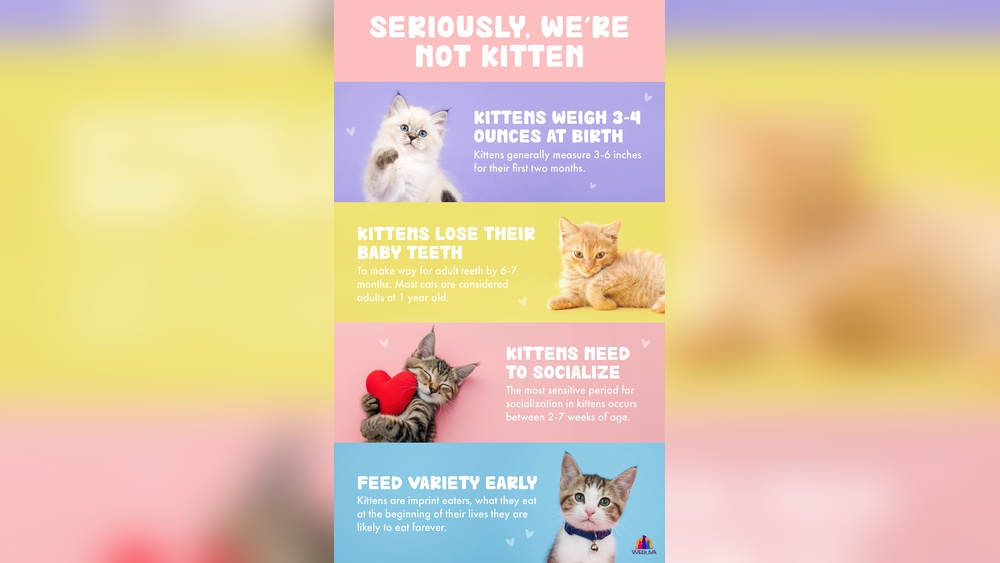
Begin socializing kittens between 2 to 7 weeks old for best results. Introduce gentle handling, new sounds, and different people gradually. Proper socialization helps kittens develop confidence and reduces future behavioral issues. Always use positive reinforcement during interactions.
Conclusion
Taking care of a kitten requires love and patience. Feed them healthy food and keep fresh water nearby. Play with them daily to help them grow happy. Keep their space clean and safe from harm. Visit the vet for regular checkups and vaccines.
Watch for signs of illness and act quickly. Building trust takes time, but it is worth it. Small steps lead to a strong bond with your kitten. Enjoy every moment with your new furry friend. Caring well today helps your kitten thrive tomorrow.