
Have you ever wondered what really happens when cats are bred for profit or appearance? You might think breeding cats is harmless or even helpful, but the truth is far from that.
Breeding cats can cause serious problems for the animals and for you as a cat lover. If you care about the well-being of cats and want to make smart choices, you need to understand why breeding cats is bad. Keep reading, and you’ll discover eye-opening reasons that could change how you see cat breeding forever.
Ethical Concerns
Breeding cats raises many ethical concerns. These issues affect both the animals and society. Understanding these concerns helps us see why breeding cats can be harmful.
Ethics focus on what is right or wrong. In cat breeding, the focus is on the treatment and well-being of cats. Many breeders put profit over the health of cats. This causes suffering and poor living conditions for the animals.
Exploitation Of Animals
Breeders often use cats only to make money. Cats become tools, not living beings with needs. They may be kept in small cages with little care. Female cats are forced to have many litters without rest. This causes physical and emotional harm to the cats. Exploiting animals ignores their right to a good life.
Impact On Cat Welfare
Breeding can cause many health problems for cats. Some breeders focus on looks, ignoring health risks. This leads to genetic diseases and weak kittens. Overbreeding also weakens the mother cat’s health. Stress and poor living conditions lower the cats’ quality of life. Many cats suffer silently due to unethical breeding practices.
:max_bytes(150000):strip_icc()/__opt__aboutcom__coeus__resources__content_migration__mnn__images__2016__05__cat-mutations-f6300cae887145fcb5994148abeaa8b5.jpg)
Credit: www.treehugger.com
Health Risks For Cats
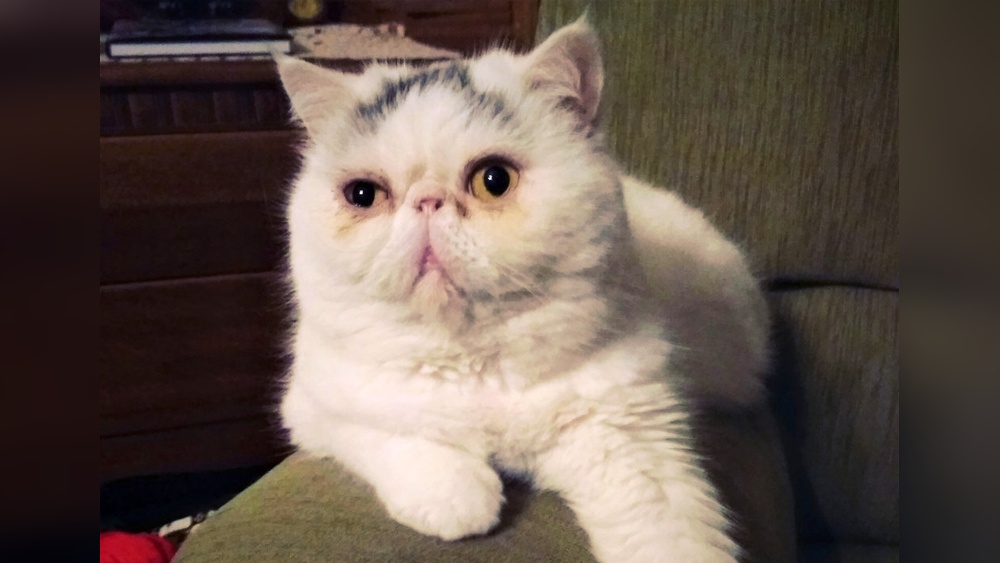
Breeding cats can cause many health problems for the animals. Breeders often focus on looks, not health. This causes many risks for the cats’ well-being. Many cats suffer from diseases passed down by their parents. These health risks can shorten their lives and cause pain.
Genetic Disorders
Genetic disorders happen when cats inherit bad genes. Breeding increases the chance of these problems. Some cats get heart disease, kidney failure, or weak bones. These problems make cats sick for life. They need special care and medicine to live. Healthy cats often do not get these diseases.
Inbreeding Problems
Inbreeding means breeding close relatives. This makes genetic problems worse. Cats from inbreeding have weaker immune systems. They get sick more often and heal slowly. Inbreeding can cause deformities and poor growth. Many inbred cats have shorter lives. Avoiding inbreeding helps keep cats healthy and strong.
Overpopulation Crisis
The overpopulation crisis is a serious problem for cats worldwide. Breeding cats adds more animals to a world already full of them. Many cats struggle to find homes. This causes many issues for animal shelters and communities.
Uncontrolled cat breeding leads to more cats than people can care for. These extra cats often suffer from hunger, disease, and lack of shelter. The overpopulation crisis puts a heavy burden on animal care systems and affects the cats’ well-being.
Shelter Overcrowding
Shelters become packed with cats needing homes. Overcrowding causes stress and illness among animals. Many shelters run out of space and resources. Staff cannot give each cat proper attention. Sadly, some cats face euthanasia due to lack of room. Overbreeding worsens this problem every year.
Stray And Abandoned Cats
Too many cats are left without homes. Stray cats roam streets, hunting for food. Abandoned cats suffer from hunger and injury. These cats often spread diseases to other animals. Overpopulation means more cats live harsh lives outside. Communities struggle to manage large stray cat populations.
Economic And Social Impact
Breeding cats affects more than just the animals. It creates big problems for communities and local services. These problems cost money and time. They also make it hard for shelters and neighborhoods to stay healthy and safe.
Cost To Animal Shelters
Animal shelters spend a lot caring for unwanted cats. Many cats from breeders end up in shelters. This causes overcrowding and strain on resources. Shelters must pay for food, medicine, and staff. These costs add up quickly. The money used here could help other animals in need.
Community Challenges
Too many cats cause problems in neighborhoods. Stray cats can spread diseases to people and pets. They also damage gardens and property. Noise from cats can disturb neighbors. Managing these issues takes time and money. Communities must work hard to control cat populations.
Alternatives To Breeding
Choosing alternatives to breeding cats helps reduce pet overpopulation. It also supports animal welfare and saves many lives. These options give cats a better chance to find loving homes.
Adopting From Shelters
Shelters have many cats waiting for homes. Adopting from shelters means saving a life. It gives a homeless cat a fresh start. You also avoid supporting breeding businesses. Shelter cats come in all ages and types. Adoption fees often cover vaccinations and spaying or neutering. This helps keep the cat healthy and ready for a new home.
Supporting Spay And Neuter Programs
Spay and neuter programs stop unwanted litters. They reduce the number of stray and shelter cats. Supporting these programs helps control pet populations safely. Many communities offer low-cost or free services. This makes it easier for pet owners to participate. These programs improve the health of cats and reduce shelter overcrowding.

Credit: katzenworld.co.uk
Credit: www.quora.com
Frequently Asked Questions
Why Is Breeding Cats Considered Harmful?
Breeding cats often leads to overpopulation and increases homeless animals. It also risks genetic health problems and reduces genetic diversity. Many breeders prioritize appearance over health, causing suffering. Ethical concerns arise when cats are bred for profit without proper care.
How Does Cat Breeding Affect Animal Welfare?
Cat breeding can cause health issues like genetic defects and diseases. Overbreeding stresses mother cats and kittens. Many bred cats face abandonment or poor living conditions. This practice often ignores the well-being of the animals involved.
What Are The Risks Of Inbreeding Cats?
Inbreeding cats increases genetic disorders and weakens immune systems. It leads to inherited diseases and shorter lifespans. Reduced genetic diversity makes cats more vulnerable to illness. Responsible breeding avoids close relatives to maintain healthy lines.
Can Breeding Cats Contribute To Shelter Overcrowding?
Yes, breeding cats add to the number of homeless pets. Many kittens from breeders end up in shelters due to lack of homes. Shelter overcrowding causes stress and higher euthanasia rates. Avoiding breeding helps reduce the shelter population.
Conclusion
Breeding cats causes many problems for animals and people. It can lead to health issues and overpopulation. Many cats wait in shelters for homes. Choosing adoption helps save lives and reduces suffering. Caring for cats means giving love, not supporting breeding.
Think about the impact on animals’ well-being. Small actions can make a big difference. Everyone can help by spreading kindness and awareness. Together, we protect cats and create a better future.