
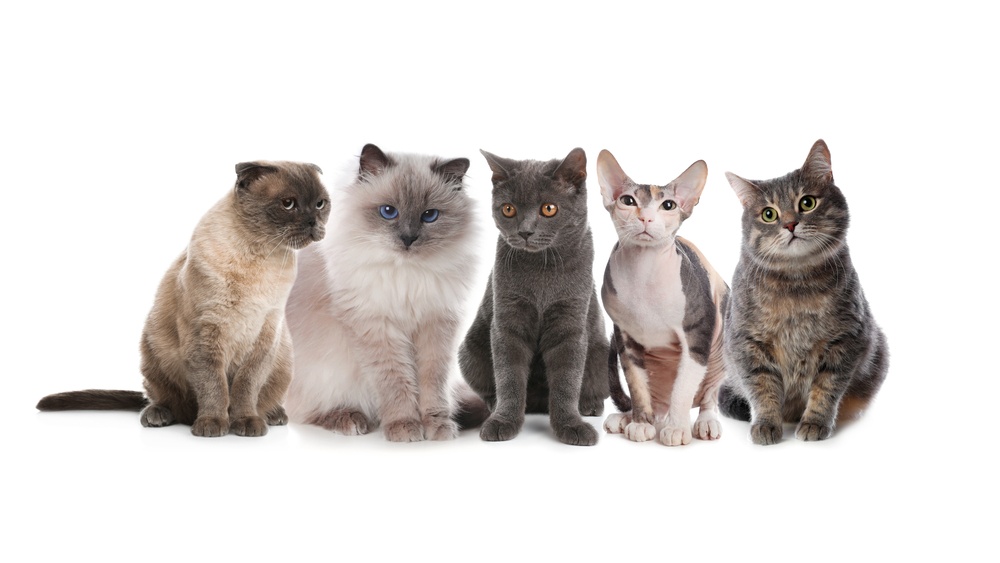
Have you ever tried to tell one cat breed from another and felt completely lost? You’re not alone.
Cats come in so many shapes, sizes, and colors that it’s easy to get confused. But why is it so hard to spot the difference between breeds? Understanding this can change the way you see your furry friend—and even help you choose the perfect cat for your home.
Keep reading, and you’ll discover the surprising reasons behind this mystery and how to finally tell those breeds apart with confidence.

Credit: viralcitron.com
Breed Similarities
Cats come in many breeds, but many look very similar. This makes it hard to tell one breed from another. Understanding why breeds share traits helps explain this confusion. Many breeds have overlapping features. Some share the same roots. These breed similarities make identification tricky for cat lovers and experts alike.
Physical Traits Overlap
Many cat breeds share similar physical traits. For example, different breeds may have the same fur color or pattern. Eye shapes and ear sizes often look alike too. Some breeds have the same body shape or size. These shared traits blur the lines between breeds. It is not easy to spot small differences at a glance. This overlap causes many cats to appear almost identical.
Common Ancestry Effects
Many cat breeds come from common ancestors. Breeders often select cats with similar traits to create new breeds. This keeps certain features alive across breeds. Genetic links mean breeds can carry the same traits for generations. These inherited traits make some breeds look very close. Understanding ancestry helps explain why breeds look alike. It also shows how breed traits spread and mix over time.
Genetic Complexities
Cats have many different breeds, but telling them apart is not always easy. Genetics play a big role in this challenge. The genes of cats mix in complex ways. These genetic details make it hard to clearly separate one breed from another.
Understanding these genetic complexities helps explain why breed identification is tricky. Some traits are hidden in the DNA. Others come from mixed family backgrounds. Both create confusion in recognizing pure breeds.
Mixed Lineages
Most cat breeds are not purely separate. They share common ancestors and traits. This creates mixed lineages in many cats. When genes from different breeds combine, traits blend together. This blending makes it tough to spot clear breed lines.
For example, a cat may have features from two or more breeds. Their coat color, size, or shape might not match one breed perfectly. This genetic mixing blurs the breed boundaries. It causes overlap in breed traits.
Hidden Genetic Markers
Some genetic markers that define breeds are hidden. They do not show up in a cat’s appearance. These hidden markers can only be found through DNA tests. Without these tests, many cats look similar even if they belong to different breeds.
Hidden markers explain why two cats may look alike but have different genetics. These invisible differences affect breed identification. This genetic invisibility adds another layer of difficulty to telling breeds apart.
Breed Standards Variations
Breed standards vary a lot, making cat breeds hard to tell apart. Different organizations set rules for what each breed should look like. These rules can change over time. This makes identifying breeds tricky for many cat lovers.
Different Registries
Several cat registries exist worldwide. Each has its own breed standards. One registry may accept certain traits while another rejects them. This causes confusion about what defines a breed. A cat seen as one breed in one place might be labeled differently elsewhere.
Evolving Criteria
Breed standards are not fixed. They evolve as breeders learn more about cats. Changes happen to improve health or appearance. This means a breed’s look today might differ from a decade ago. These shifts add complexity to recognizing breeds clearly.

Credit: www.amazon.com
Human Influence
Humans have shaped many cat breeds over time. Their choices influence how cats look and behave. This makes it hard to tell some breeds apart. The way people breed cats creates many similar traits across breeds. This human influence adds to the confusion in identifying cats.
Selective Breeding Challenges
Selective breeding focuses on certain traits like fur color or eye shape. Breeders pick cats with preferred features to mate. This narrows genetic variety and creates many cats that look alike. Small differences in appearance become hard to spot. Some breeds share almost the same look because of this.
Crossbreeding Impact
Crossbreeding mixes traits from two different breeds. This creates cats with a blend of features from both parents. Over time, crossbreeding blurs the lines between breeds. Cats may have traits from multiple breeds, confusing breed identification. This mixing makes it tough to say which breed a cat belongs to.
Visual Identification Limits
Visual identification of cat breeds can be tricky. Many breeds share similar looks. This overlap creates confusion for even experienced cat lovers. Cats show a wide range of colors, patterns, sizes, and shapes. These traits do not always point to a specific breed. The limits of visual ID make it hard to tell breeds apart just by looks.
Color And Pattern Confusions
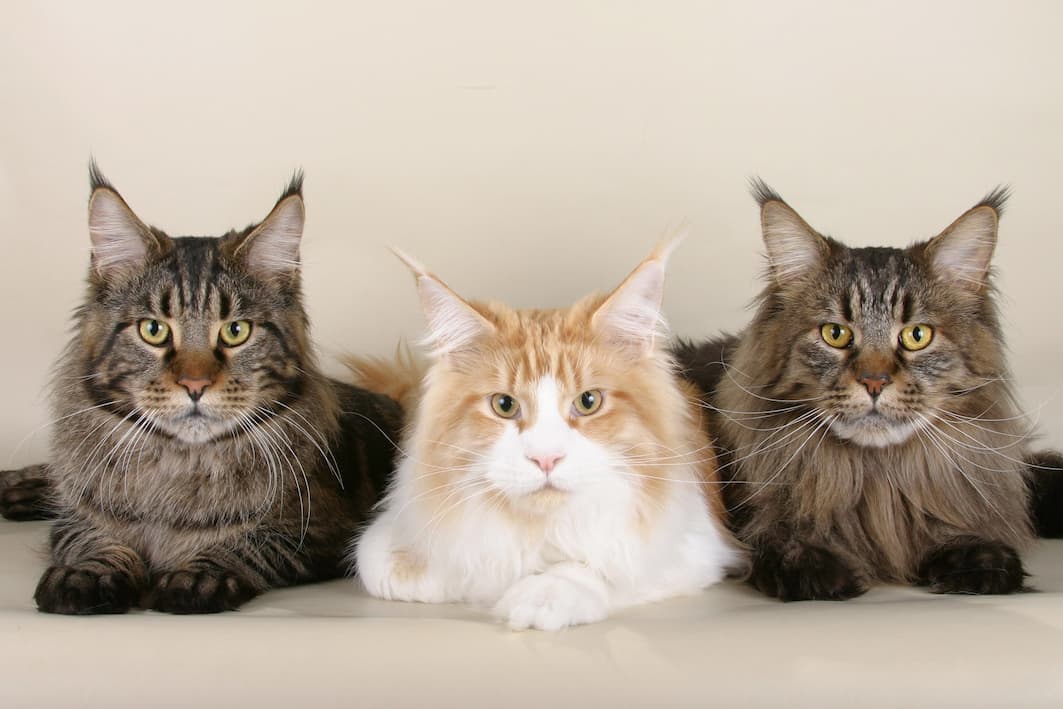
Many cat breeds share common colors. Black, white, gray, and orange appear in several breeds. Patterns like stripes, spots, and patches also overlap. A tabby pattern is found in many cats, purebred or not. Color and pattern alone rarely identify a breed. Two cats with the same markings can belong to different breeds. This overlap makes visual clues unreliable for breed ID.
Size And Shape Variability
Size varies widely within the same breed. Some cats grow larger or smaller than typical. Body shape differences add to the challenge. Some breeds have slender bodies, others are stocky. But many cats fall in between these extremes. Even tail length and ear shape can vary. This variability blurs the lines between breeds visually. Size and shape alone rarely give a clear breed answer.
Expert Techniques
Experts use special methods to tell cat breeds apart. These techniques go beyond looks. They focus on deeper details that are not easy to see. Two key methods help experts sort out breed differences. These are genetic testing and watching cat behavior closely.
Genetic Testing Advances
Genetic testing looks at a cat’s DNA. This test finds small differences in genes. These differences help identify the breed. Many breeds have similar fur and shapes. DNA shows what makes each breed unique. This method is very accurate. It helps solve confusion about mixed or rare breeds. Scientists keep improving these tests. They can now detect even tiny breed markers.
Behavioral Observations
Behavior can tell a lot about a cat’s breed. Some breeds act very differently. For example, some cats are very playful. Others prefer to be quiet and calm. Experts watch how cats move, play, and react. These actions give clues about their breed. Behavior is not as clear as DNA. But it helps confirm what genetic tests show. Experts use behavior to understand breed traits better.
Implications For Cat Owners
Understanding why cat breeds are hard to distinguish helps cat owners make better choices. Many cats share similar looks, making breed identification tricky. This can affect decisions about care, behavior, and health. Knowing the implications helps owners prepare well for their new pet.
Choosing The Right Breed
Different breeds have unique traits and needs. Some cats need more attention and playtime. Others prefer quiet and calm environments. Mistaking one breed for another can lead to unmet expectations. It is important to research and observe a cat’s personality. This helps match the cat to your lifestyle and home.
Health Considerations
Cat breeds carry specific health risks. Some are more prone to genetic diseases or allergies. Identifying the breed can guide you to watch for certain symptoms. This knowledge can lead to earlier treatment and better care. Regular vet visits and breed-specific advice keep cats healthier.
Credit: www.vetstreet.com
Frequently Asked Questions
Why Are Cat Breeds Difficult To Identify?
Cat breeds often share similar physical traits, making visual identification tricky. Many cats are mixed breeds, blurring clear distinctions. Subtle differences in coat patterns and body shapes add to the confusion.
Do Cat Breed Similarities Cause Confusion?
Yes, many breeds have overlapping features like fur length, colors, and size. This similarity leads to misidentification and makes breed recognition challenging for both owners and experts.
How Does Genetics Affect Cat Breed Distinction?
Genetics play a major role as many breeds share common ancestors. This genetic overlap creates similar appearances, making it harder to distinguish breeds through looks alone.
Can Mixed-breed Cats Resemble Purebreds?
Absolutely, mixed-breed cats can look like purebreds due to inherited traits. This resemblance complicates breed identification without genetic testing or detailed lineage information.
Conclusion
Cat breeds can look very similar, which makes telling them apart tough. Many cats share common features like fur color and size. Mixed breeds add more confusion to identifying pure breeds. Small differences often decide the breed, but they can be hard to spot.
Knowing a cat’s personality and history helps more than just looks. Recognizing breeds takes time, practice, and careful observation. This challenge makes learning about cats even more interesting. Keep exploring and enjoy the unique traits each cat brings.