
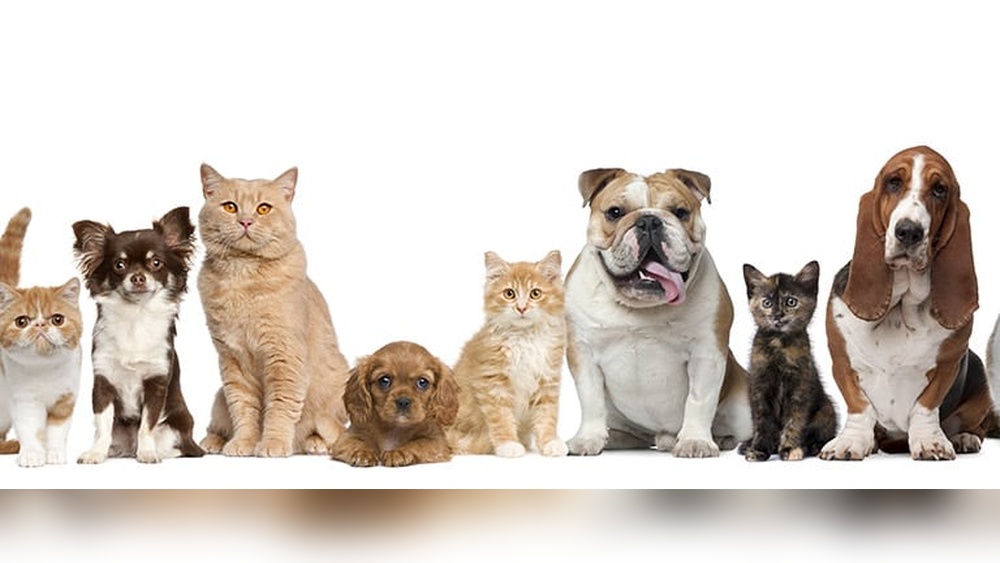
Have you ever wondered why dogs and cats come in so many different breeds? From tiny Chihuahuas to massive Great Danes, or fluffy Persians to sleek Siamese cats, the variety is fascinating.
But it’s more than just looks—each breed has its own unique traits, behaviors, and needs. Understanding why these differences exist can help you choose the perfect pet that fits your lifestyle and personality. Keep reading, and you’ll discover the surprising reasons behind this diversity and how it affects your furry friend’s life.
Origins Of Dog And Cat Breeds
The variety of dog and cat breeds we see today comes from their long history with humans. Over thousands of years, people shaped these animals to fit different needs and lifestyles. This process started with domestication and early selection.
Understanding the origins of these breeds helps us appreciate their unique traits and behaviors. It also explains why dogs and cats look and act so differently across breeds.
Domestication And Early Selection
Dogs and cats were among the first animals domesticated by humans. Dogs were likely domesticated around 15,000 years ago. Early humans chose dogs that helped with hunting and protection. They bred dogs with traits like loyalty and strength.
Cats became companions and helped control pests. They were domesticated about 9,000 years ago. Humans selected cats that were friendly and good hunters. This early selection created the base for many breeds.
Wild Ancestors And Genetic Roots
All dog breeds come from the gray wolf. Wolves provided the genetic material for dogs. Different environments and human needs caused diverse dog breeds to emerge.
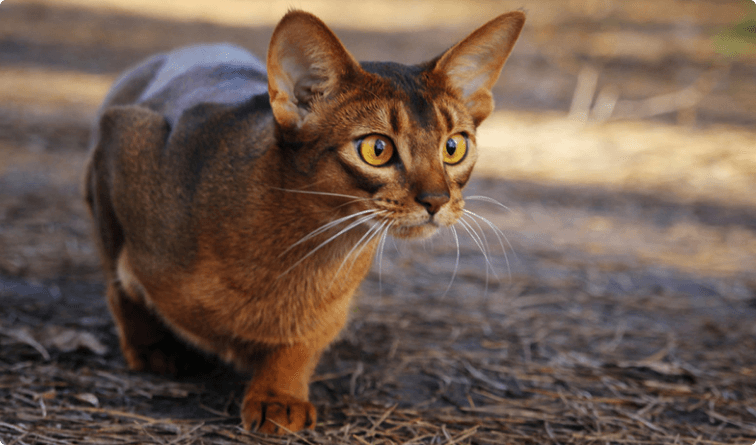
Cats descend from the African wildcat. This wild ancestor still lives in the wild today. Selective breeding from this root led to various cat breeds with distinct looks and temperaments.
Credit: www.petinsurance.com
Natural Vs. Artificial Selection
Different breeds of dogs and cats exist because of two main processes: natural selection and artificial selection. Natural selection happens in the wild. It allows animals best suited to their environment to survive and reproduce. Artificial selection is guided by humans. People choose which animals to breed based on traits they like. Both processes shape the variety of breeds we see today.
Role Of Evolution In Breed Development
Evolution through natural selection helps animals adapt to their surroundings. Over time, small changes build up. These changes improve survival chances. For example, wild cats developed sharp claws to catch prey. Wolves evolved strong jaws to hunt. These traits passed down from parents to offspring. Evolution works slowly and without human help.
This process creates breeds suited for specific environments. Animals that cannot adapt may not survive. Natural selection keeps only the strongest and best fit. It explains why certain wild animals have unique features. This same principle applies to early dogs and cats before humans influenced their breeding.
Human Influence Through Breeding
Humans started breeding dogs and cats thousands of years ago. They picked animals with traits they liked. Traits like size, color, or behavior were important. Breeders mated these animals to keep or enhance such traits. This is artificial selection.
Artificial selection happens faster than natural selection. It creates many breeds with unique looks and skills. For instance, dogs bred for hunting, herding, or companionship. Cats bred for coat patterns or friendly nature. This human influence led to the wide variety of breeds today.
Genetic Diversity Among Breeds
Genetic diversity among dog and cat breeds explains why they look and act so differently. Each breed has unique features shaped by its genes. These differences come from thousands of years of breeding and natural changes. Understanding genetic diversity helps us appreciate the wide variety of pets.
Inherited Traits And Variations
Inherited traits come from parents to offspring through genes. These traits include size, coat color, and ear shape. Breeders select animals with certain traits to create specific breeds. This selection causes variations within species. For example, some dogs have long hair, while others have short hair. Cats show variations in fur patterns and eye colors. These inherited traits make each breed special.
Impact On Health And Behavior
Genetic diversity affects the health of breeds. Some breeds have genes linked to certain diseases. Limited gene pools can increase health risks. Diverse genetics often lead to stronger immune systems. Behavior also varies by breed due to genetics. Some dogs are naturally calm, while others are energetic. Cats can be more social or independent depending on their breed. Genetics influence how pets act and feel.

Credit: cordis.europa.eu
Environmental Factors Shaping Breeds
Environmental factors play a big role in shaping different breeds of dogs and cats. These animals have adapted over time to survive in many places around the world. Changes in weather, land, and available food have all influenced how breeds look and behave. Understanding these factors helps explain why so many breeds exist today.
Adaptations To Climate And Habitat
Breeds change to fit their climate. Dogs in cold areas often have thick fur to stay warm. Cats from hot places usually have short hair to keep cool. Some breeds have paws that help them walk on snow or rough land. These traits protect them and help them live well in their homes.
Survival And Functional Roles
Breeds also develop traits to help with tasks. Some dogs were bred to herd animals or guard homes. Others became good hunters or companions. Cats have been valued for catching pests or as pets. Each breed’s skills come from the needs of the people and environment around them.
Purpose-driven Breeding
Different breeds of dogs and cats exist mainly because of purpose-driven breeding. People have bred animals for specific jobs and qualities. This led to a wide variety of breeds, each with unique traits. Breeders focused on traits that helped animals perform tasks or fit human needs. Over time, this created many breeds with different looks and skills.
Working Dogs And Specialty Cats
Many dog breeds were created to help humans with work. Some dogs herd sheep or guard homes. Others help police or rescue teams find people. These dogs have strong bodies and sharp senses. Their skills match the tasks they do.
Cats also have special breeds, but fewer are for work. Some cats are known for hunting mice or rats on farms. Other breeds are chosen for quiet or calm behavior. These traits help cats live well with people or in certain environments.
Companionship And Aesthetic Preferences
People also breed dogs and cats for companionship. Some breeds are friendly and gentle, perfect for families. Others have unique looks that people find beautiful or interesting. Breeders choose traits like coat color, size, and personality.
These preferences shape many popular breeds today. Some pets are small and easy to care for. Others have fluffy fur or unusual eyes. Each breed offers something special to the people who love them.
Global Influence On Breed Development
Breed development of dogs and cats is shaped by global influences. Different regions have unique needs and lifestyles. These needs guide the breeding of animals to fit local environments and cultures. Over time, this creates many distinct breeds worldwide.
Cultural Preferences And Traditions
People in different cultures prefer certain traits in pets. Some value size, others look for color or behavior. Traditions also affect breed choices. For example, hunting dogs are popular in some areas. In others, cats with specific looks are prized. These preferences help create and preserve unique breeds.
Trade And Migration Effects
Trade routes allowed animals to move across continents. Migrants brought their pets with them to new lands. This mixing led to new breeds with combined traits. Some breeds became popular far from their origins. Trade and migration helped spread breeds and create diversity.
Preserving Breed Diversity Today
Preserving breed diversity today is important for animals and people. Different breeds have unique traits and histories. These differences keep animals healthy and adaptable. Preserving breeds also helps protect rare types from disappearing. Many groups work hard to keep breed diversity alive.
Breed Registries And Standards
Breed registries keep official records of animals. They list which animals belong to each breed. Registries set rules called standards. These rules describe how each breed should look and behave. Standards help breeders know what traits to focus on. This keeps breeds consistent and recognizable. Registries also track animals’ health and lineage. This information helps avoid health problems in breeding.
Conservation And Ethical Breeding Practices
Conservation means protecting rare and endangered breeds. Ethical breeders avoid overbreeding and unhealthy pairings. They choose mates carefully to keep animals strong and happy. Breeders work to preserve natural traits without causing harm. They avoid inbreeding, which can cause health issues. Ethical breeding supports animal welfare and breed survival. Many breeders also educate owners about responsible care. This helps maintain breed diversity for future generations.
:max_bytes(150000):strip_icc():focal(999x0:1001x2)/dogs-cats-ab056c5eef4f4b63bacc04d5ab1e981b.jpg)
Credit: people.com
Frequently Asked Questions
Why Do Dogs Have Different Breeds?
Dogs have different breeds due to selective breeding. Humans bred dogs for specific traits like size, behavior, and skills. This led to diverse breeds suited for various tasks, environments, and companionship needs.
How Did Cat Breeds Develop Over Time?
Cat breeds developed through natural and selective breeding. Traits like coat color, size, and temperament were emphasized. Breeders aimed to preserve unique features, creating distinct breeds over centuries.
What Factors Influence Breed Differences In Pets?
Breed differences arise from genetics, environment, and human intervention. Selective breeding focuses on physical and behavioral traits. Environmental adaptation also plays a role in shaping unique breeds.
Are Dog And Cat Breeds Created For Specific Purposes?
Yes, many dog and cat breeds were developed for roles like hunting, herding, or companionship. Each breed’s traits suit particular tasks or lifestyles, enhancing their usefulness and appeal to humans.
Conclusion
Different dog and cat breeds exist because of history and human choice. People bred animals for special jobs or looks. Each breed has unique traits and needs. This variety helps pets fit many lifestyles and homes. Knowing why breeds differ helps you care for your pet better.
Every breed tells a story of time and care. Celebrate the diversity in your furry friend’s breed. It makes pets special and loved in many ways.