
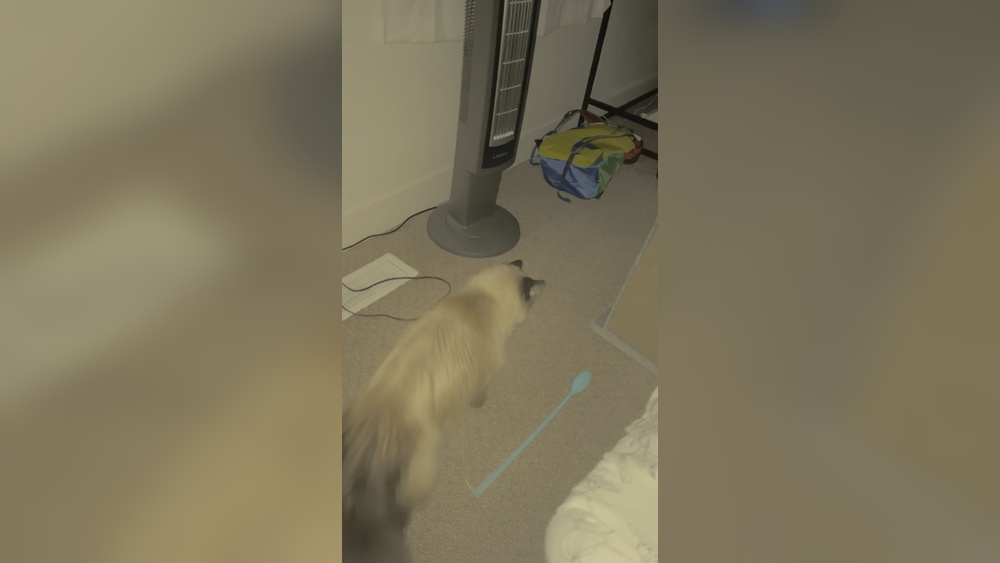
Have you ever noticed your cat yowling at her toy and wondered why she does it? It can be surprising and even a little confusing to hear those loud sounds coming from your usually quiet feline friend.
Understanding why your cat yowls with her toy can help you connect with her better and make playtime more enjoyable for both of you. Keep reading to discover the surprising reasons behind this behavior and what it means for your cat’s happiness and well-being.
Cat Yowling Behavior
Cats yowl for many reasons. It is a loud and long vocal sound. Yowling can mean different things based on the situation. When your cat yowls with her toy, she tries to tell you something. Understanding her yowling helps you respond better. It also deepens your bond with your cat.
Watching your cat’s body language and actions can explain her yowling. Sometimes, yowling shows excitement or playfulness. Other times, it signals frustration or a call for attention. Knowing these clues helps you know your cat’s feelings.
Common Cat Vocalizations
Cats make many sounds: meows, purrs, hisses, and yowls. Meows are short and soft. Purrs show contentment or calm. Hisses warn of danger or fear. Yowls are loud and longer than meows. They often show strong emotions.
Each cat has a unique voice and style of yowling. Some cats yowl to play or hunt. Others yowl to communicate with humans or other cats. Understanding these sounds helps you know what your cat needs.
When Yowling Occurs
Cats often yowl during playtime with toys. This yowling mimics hunting sounds. It shows excitement and focus on the toy. Sometimes, yowling happens if the cat feels frustrated. Maybe the toy moves too fast or out of reach.
Yowling can also happen when a cat wants attention. Your cat may want you to join the play. Older cats or unspayed females might yowl more. This can be a sign of mating behavior. Watching when yowling starts helps you understand your cat better.

Credit: www.labiosthetique.ee
Yowling And Playtime
Yowling during playtime is a common behavior in cats. It shows their excitement and interest in toys. Cats use sounds to communicate their feelings. Yowling can mean different things depending on the situation. Understanding this helps improve your bond with your cat.
How Toys Trigger Vocal Responses
Toys mimic prey animals. They move, making cats alert and focused. This movement triggers hunting instincts. Cats yowl as part of their hunting behavior. The sound expresses excitement or frustration. It helps them stay engaged and focused. Toys that move fast or make noise often cause more yowling. Cats react to these toys as if they were real prey.
Different Yowls For Different Toys
Cats make different yowls depending on the toy type. Soft toys may cause gentle, playful yowls. Noisy toys can lead to louder, sharper yowls. Some toys make cats more vocal than others. The cat’s mood also affects the yowl. A tired cat may yowl less. An excited cat often yowls more during play. Paying attention to these sounds helps understand your cat’s feelings.
Hunting Instincts And Toys
Cats have strong hunting instincts. These instincts come from their wild ancestors. Even indoor cats keep these natural behaviors. Toys help cats act out their hunting skills. Watching a cat yowl with a toy can be surprising. This sound shows their deep connection to hunting.
Simulating Prey With Toys
Toys mimic the movement of real prey. Small, fast, and twitchy toys attract cats. This triggers their chase and pounce instincts. Cats focus on the toy as if it were alive. They use their claws and teeth during play. The toy becomes a stand-in for a bird or mouse. This play helps cats stay sharp and active.
Yowling As A Hunting Signal
Yowling is part of a cat’s hunting behavior. Cats make this sound to express excitement or frustration. It often happens during intense play sessions. The yowl can signal a catch or a challenge. Cats may also use it to communicate with their owners. This vocalization shows their strong focus on the hunt. It keeps the play lively and engaging for them.
Credit: www.reddit.com
Seeking Attention
Cats often use sounds to communicate with their owners. Yowling while playing with a toy can be a way to get your attention. This behavior shows your cat wants you to notice her and join the fun. It is her way of saying, “Look at me!” or “Play with me!”
Using Yowls To Engage Owners
Your cat’s yowls are like calls for your focus. She might yowl to make sure you hear her. This noise grabs your attention better than silence. Cats learn that yowling gets you to look their way. It is a clever way to connect during playtime.
Encouraging Interaction
Yowling encourages you to interact with her and the toy. Your cat wants you to join in her game. She feels happier and more secure when you respond. This sound helps build your bond through shared play. Your cat uses yowls to invite you into her world.
Stress And Anxiety
Stress and anxiety affect cats just like people. Cats may feel uneasy from changes in their home or routine. This unease can cause different behaviors, including yowling. Understanding why your cat yowls with her toy helps you support her better.
Yowling As A Sign Of Discomfort
Yowling often means your cat feels discomfort or stress. She might be upset or scared. Yowling near a toy can show she is not relaxed. It can be her way of asking for help or attention. Watch her body language to see if she looks tense or scared.
How Toys Can Relieve Or Cause Stress
Toys can help reduce stress by giving your cat a positive focus. Playing with toys lets her use energy and feel happy. But some toys might cause stress if they remind her of something scary. Toys that are too noisy or move too fast can upset her. Choose calm toys and watch how she reacts.
Health-related Causes
Cats yowling during play may signal health issues. Understanding these causes helps keep your cat safe and happy. Pay attention to changes in behavior linked to toys and playtime.
Pain Or Discomfort During Play
Your cat might feel pain while playing with her toy. Injuries or arthritis can make movement painful. She may yowl to show she is uncomfortable or scared. Small wounds or joint pain may not be obvious. Play may worsen the pain, causing vocal signals.
When To Consult A Vet
Seek veterinary advice if your cat yowls often with toys. Notice if she avoids playing or moves stiffly. Watch for limping, swelling, or changes in appetite. A vet can check for hidden injuries or illness. Early care improves recovery and comfort for your cat.
Enhancing Play Sessions
Playtime is a special moment between you and your cat. It helps build trust and keeps her active. Enhancing play sessions makes these moments more fun and meaningful. Understanding why your cat yowls with her toy can improve your playtime. Reacting well to her sounds and picking the right toys make play better.
These tips create a stronger bond and keep your cat happy. Let’s explore how to enhance your play sessions with your cat’s yowling in mind.
Choosing The Right Toys
Select toys that match your cat’s hunting style. Some cats like soft toys, others prefer moving ones. Toys that mimic prey, like small mice or feathers, catch her attention. Avoid noisy or too large toys. They may scare or confuse your cat. Rotate toys often to keep her interest alive. A variety of toys encourages her natural hunting instincts.
Responding To Your Cat’s Vocalizations
Your cat’s yowling means she wants your attention. It could show excitement or a call to play. Talk back softly or make gentle sounds to keep her engaged. Join her in the game by moving the toy around. This shows you understand her signals. Ignoring her yowl might make her lose interest. Responding builds communication and makes play more fun.

Credit: ohmydogblog.com
Frequently Asked Questions
Why Does My Cat Yowl When Playing With Toys?
Cats yowl with toys to express excitement or frustration. It mimics hunting sounds, showing their natural predatory instincts during play.
Is Yowling Normal Behavior During Cat Playtime?
Yes, yowling is normal. It reflects your cat’s emotional state, like excitement or territorial feelings while engaging with their toy.
Can My Cat’s Yowling Indicate Toy Aggression?
Sometimes. Yowling may signal possessiveness or frustration over the toy. Monitor your cat’s behavior to ensure it doesn’t become aggressive.
How Can I Reduce My Cat’s Yowling With Toys?
Use interactive toys and play regularly. This helps satisfy hunting instincts and reduces frustration that causes yowling.
Conclusion
Cats yowl with toys to show excitement or frustration. They might want attention or feel playful. Sometimes, yowling means they are hunting or protecting their “catch. ” Watch your cat’s body language to understand better. Each cat is different and reacts in its own way.
Enjoy these moments; they show your cat’s unique personality. Keep playing and learning what makes your cat happy. This helps build a strong bond and keeps your cat active. Simple toys and time together make playtime fun and special.