
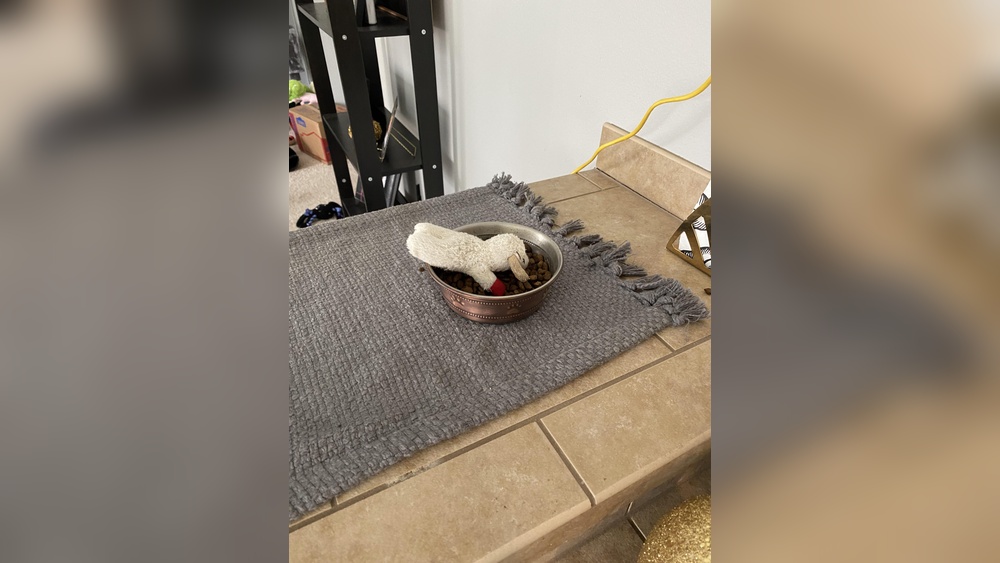
Have you ever noticed your cat carrying toys right up to their food bowl? It might seem strange or even confusing.
You wonder, why does my cat bring his toys to his food? This curious behavior is more common than you think, and it actually reveals a lot about your furry friend’s instincts and feelings. Understanding this simple act can deepen your bond and help you care for your cat better.
Keep reading, and you’ll discover surprising reasons behind this quirky habit that could change how you see your pet forever.

Credit: www.reddit.com
Cat Behavior Basics
Cats have many interesting habits. Some of these habits come from their natural instincts. Understanding these behaviors helps us care for them better. One curious habit is bringing toys to their food. This action might seem strange but has clear reasons behind it.
Knowing the basics of cat behavior reveals why they do such things. Cats are hunters and gatherers by nature. Their actions often connect to hunting, playing, and eating. Let’s explore the instincts and connections behind this behavior.
Instincts Behind Toy Carrying
Cats carry toys because of their hunting instincts. Wild cats catch prey and bring it to a safe spot. Domestic cats see toys as prey. Carrying toys to food shows their natural gathering habit. This behavior feels safe and familiar to them.
Sometimes, cats carry toys to protect them. They keep their “prey” close and away from others. This is a way to guard their treasures. It is a natural, instinctive act that has stayed in their genes.
Food And Play Connection
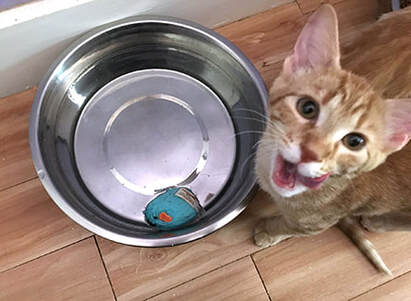
Play and eating often go together in cats. Playing mimics hunting. Hunting leads to food in the wild. Carrying toys to food links these two actions. Cats combine playtime with mealtime in a natural way.
Some cats bring toys near food to feel secure. Food is valuable, so they want their “prey” close. This behavior shows their desire to protect both food and toys. It is a blend of fun and survival.
Credit: www.thecatsmeowrescue.org
Hunting Instincts And Play
Cats have strong hunting instincts. These instincts guide much of their behavior, even in domestic life. Play often mimics hunting. Cats practice skills like stalking, pouncing, and capturing during play. This helps them stay sharp and satisfied.
Bringing toys to their food is part of this natural behavior. It connects their play with their feeding routines. This habit shows how deeply hunting instincts influence their daily actions.
Toys As Prey Substitutes
Toys act like pretend prey for cats. Small, soft toys resemble mice or birds in size and shape. Cats chase and carry these toys as if they were real animals. This play helps them fulfill their need to hunt safely indoors. It also keeps them mentally and physically active.
Hunting play is important for cats’ happiness. Carrying toys around reflects their natural urge to catch and move prey. This behavior is a healthy way to express their instincts.
Bringing Gifts To The Food Area
Cats sometimes bring their toys to their feeding spot. This behavior mimics bringing prey to a safe place. Wild cats do this to eat without disturbance. Domestic cats show similar habits with their toys.
Bringing toys near food may show comfort and pride. Cats treat their toys like valuable catches. Placing them by food is a way to share or protect their prize. This habit highlights the connection between hunting and eating in cat behavior.
Territory And Safety
Cats are very careful about their space. They want to feel safe and in control, especially during mealtime. Bringing toys to their food shows how they protect their territory and feel secure. This behavior is natural and helps cats manage their environment.
Marking Food Space
Cats use toys to mark their eating spot. Their scent on toys tells other pets, “This is mine.” This marking helps keep their food area safe from intruders. The toys act like a boundary, showing ownership clearly.
Feeling Secure While Eating
Eating makes cats vulnerable. They need to feel calm and safe to enjoy their meal. Having familiar toys nearby creates comfort. The toys reduce stress and make the space feel like a safe zone.
Credit: www.reddit.com
Social And Emotional Factors
Cats often bring their toys to their food for social and emotional reasons. This behavior shows how cats express their feelings and interact with their owners. Understanding these factors helps explain why your cat does this unusual act.
Seeking Attention From Owners
Some cats bring toys to their food to get your attention. They want you to notice them or play. This action can be a way to start interaction. Cats feel happy when owners respond to their signals. Bringing toys might be a simple call for love or fun.
Comfort And Stress Relief
Carrying toys to their food spot can calm cats. Toys provide comfort and reduce stress. The familiar object helps them feel safe while eating. Cats may use toys like a security blanket. This behavior shows they want to feel relaxed and secure.
Cat Personality And Preferences
Cats have unique personalities that shape their behaviors. Some cats are more playful, others more serious. Their preferences affect how they interact with toys and food. Understanding these traits helps explain why your cat might bring toys to his food bowl.
Individual Differences
Each cat is different. Some cats see their toys as treasures. They like to keep these “prizes” close, even near their food. For others, carrying toys may be a way to show comfort or security. Personality plays a big role in this habit.
Age And Play Habits
Young cats often play more and carry toys around. They use toys to mimic hunting skills. Older cats may bring toys to their food less often. Their playtime slows, and they focus more on resting. Age changes how cats use and value their toys.
How To Respond To This Behavior
Understanding how to respond when your cat brings toys to their food helps strengthen your bond. It also ensures your cat feels safe and happy during meals. Reacting calmly shows your cat that their behavior is okay. You can gently guide them toward better habits without stress.
Encouraging Positive Play
Offer toys away from the feeding area to keep playtime separate. Praise your cat for playing with toys in other spots. Rotate toys often to keep your cat interested and active. This helps reduce the habit of bringing toys to food. Give attention when your cat plays nicely. This builds good behavior with rewards.
Ensuring A Safe Eating Environment
Keep the food area quiet and free from distractions. Place food bowls in a calm, secure spot in your home. Remove toys from the feeding area to avoid confusion. Clean the feeding space regularly to keep it inviting. Make sure your cat feels safe while eating. A peaceful space reduces the need to carry toys around.
Frequently Asked Questions
Why Does My Cat Bring Toys To His Food Bowl?
Cats bring toys to their food bowl as a way to mimic hunting behavior. They treat their toys like prey and bring them to a safe spot, such as near their food, to “consume” or store them.
Is Bringing Toys To Food A Sign Of Affection?
Yes, it can be. Cats may bring toys as a form of sharing or bonding. It shows trust and comfort with their environment and their owner.
Does Toy-bringing Indicate Hunger Or Anxiety?
Toy-bringing is usually linked to instinct, not hunger or anxiety. However, if combined with other unusual behavior, it might signal stress or discomfort.
How Can I Encourage My Cat’s Natural Hunting Instincts Safely?
Provide interactive toys and play sessions. Use wand toys or laser pointers to simulate hunting. This keeps your cat mentally and physically stimulated.
Conclusion
Cats bring toys to their food for comfort and instinct. They see toys as prey or companions. This behavior shows their natural hunting and sharing instincts. It also means your cat feels safe and happy around you. Watching this habit helps you understand your cat better.
Enjoy these small moments—they reveal your cat’s unique personality. Keep observing, and you’ll learn more about your furry friend every day.