
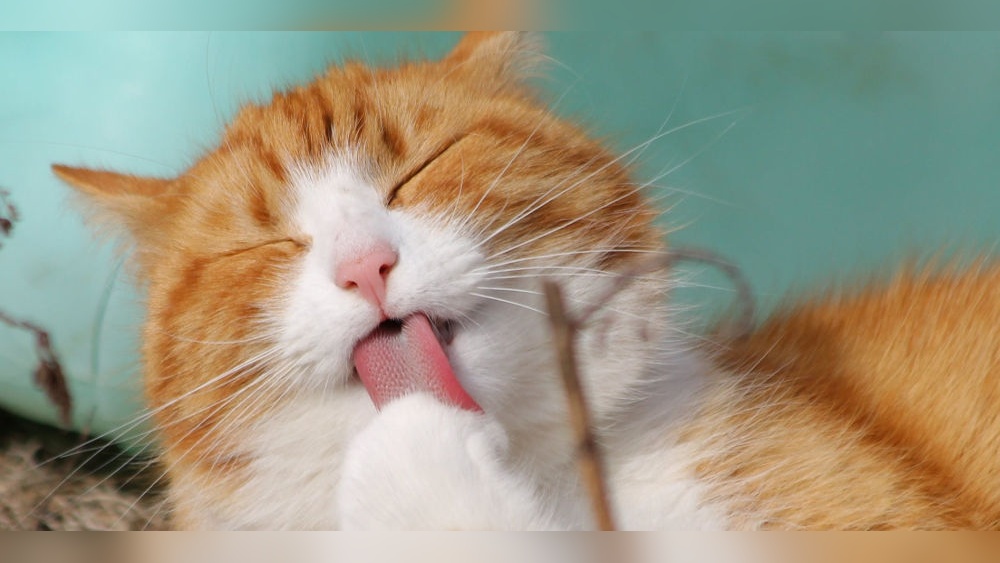
If you’ve ever watched your cat meticulously clean itself, you know how important grooming is to their health and happiness. But sometimes, your furry friend might need a little extra help to stay clean and comfortable.
You might wonder how to help your cat groom without stressing them out or causing discomfort. You’ll discover simple, effective ways to assist your cat with grooming that will strengthen your bond and keep them feeling their best. Keep reading to learn the secrets to making grooming a positive experience for both you and your cat.

Credit: michupet.com
Benefits Of Grooming
Grooming your cat is more than just keeping them clean. It helps maintain their health and comfort. Regular grooming sessions build trust and strengthen your bond. There are several important benefits to helping your cat groom.
Improved Coat Health
Grooming removes dirt, dust, and loose fur from your cat’s coat. It helps spread natural oils evenly across their skin. This keeps the fur shiny and soft. A well-groomed coat reduces itching and skin problems. Cats with healthy coats look happier and feel better.
Reduced Hairballs
Cats swallow loose hair while cleaning themselves. Too much hair can cause hairballs. Brushing your cat lowers the amount of hair they swallow. This reduces the chances of hairballs forming. Fewer hairballs mean less vomiting and discomfort for your cat.
Early Detection Of Health Issues
Grooming lets you check your cat’s body closely. You can spot lumps, bumps, or skin changes early. It helps find signs of fleas, ticks, or infections. Early detection means your cat gets care sooner. This can prevent serious health problems later.
Choosing The Right Tools
Choosing the right tools is key to helping your cat groom well. Good tools make grooming easier and more pleasant for both you and your cat. You can avoid pulling fur or hurting your pet with proper supplies. The right tools also help keep your cat’s coat clean and healthy.
Different cats need different grooming tools. Some have short hair, others long. Some cats have thick undercoats, while others have thin fur. Picking the correct tools matches your cat’s needs and fur type.
Types Of Brushes
Brushes come in many styles. Slicker brushes have fine wires that remove loose fur and dirt. They work well for medium to long hair cats. Bristle brushes help spread natural oils. They make fur shine and feel soft. Pin brushes have wider spaced pins. They are good for thick fur or mats. Comb tools help find tangles and remove fleas. Choose a brush that fits your cat’s coat length and type.
Nail Clippers And Other Supplies
Clipping nails keeps your cat’s paws healthy. Use small, sharp nail clippers made for cats. Avoid human scissors or large clippers. Keep styptic powder ready to stop bleeding if you cut too deep. Other supplies include grooming wipes, which clean paws and fur quickly. A grooming glove can help remove loose fur with gentle strokes. Have a soft towel ready to calm your cat after grooming. These tools make the process smooth and safe.
Establishing A Grooming Routine
Establishing a grooming routine helps keep your cat healthy and happy. Regular grooming prevents mats, reduces hairballs, and improves skin condition. Cats enjoy consistency. A set routine makes grooming less stressful for both of you.
Frequency And Timing
Decide how often to groom your cat based on their coat type. Long-haired cats need daily brushing. Short-haired cats benefit from once or twice a week sessions. Choose a time when your cat feels relaxed and calm. After a nap or meal often works well. Keep grooming sessions short at first, around five minutes. Gradually increase time as your cat gets used to it.
Creating A Calm Environment
Find a quiet spot free from distractions. Soft lighting helps your cat stay calm. Speak in a gentle, soothing voice. Use slow movements to avoid startling your cat. Have grooming tools ready and within reach. Offer treats or gentle petting during breaks. This positive experience encourages your cat to enjoy grooming time.
Techniques For Brushing
Brushing your cat is a key part of keeping it clean and healthy. It removes loose fur and stops mats and tangles. Brushing also helps you check your cat’s skin for any problems. Different types of fur need different brushing methods. Knowing the right way makes grooming easier and more pleasant for your cat.
Brushing Short-haired Cats
Use a soft-bristle brush or a rubber grooming mitt for short-haired cats. Brush gently in the direction of the fur. This removes loose hair and dirt without hurting the skin. Brush two or three times a week to keep the coat smooth. Pay extra attention to areas like the neck and behind the ears. These spots often collect dirt and loose fur.
Brushing Long-haired Cats
Long-haired cats need more care to avoid mats. Use a wide-toothed comb first to detangle knots. Follow with a slicker brush to smooth the fur. Brush slowly and carefully to avoid pulling on the hair. Focus on areas like the belly, under the legs, and behind the ears. Brush daily to keep their coat soft and clean.
Handling Common Grooming Challenges
Grooming your cat can sometimes be tricky. Some cats do not like being brushed or handled. Problems like mats and nervousness can make grooming hard. Understanding these challenges helps you care for your cat better. Patience and gentle techniques make grooming easier for both of you.
Dealing With Mats And Tangles
Mats and tangles happen when your cat’s fur gets stuck together. They can cause pain and skin problems. Use a wide-tooth comb to gently work through small tangles. For bigger mats, try using your fingers to pull them apart slowly. Never cut mats with scissors. This can hurt your cat. Regular brushing helps stop mats from forming.
Managing A Nervous Cat
Nervous cats may hide or fight during grooming. Speak softly and move slowly to calm your cat. Give treats before and after grooming to make it positive. Short grooming sessions work better for anxious cats. Let your cat take breaks if needed. A calm environment with few noises helps reduce stress. Patience is key to helping a nervous cat trust grooming.
Additional Grooming Tips
Helping your cat stay clean and healthy means more than just brushing fur. Some extra grooming steps keep your cat comfortable and fresh. These small tasks can prevent issues and make your cat feel loved.
Bathing Your Cat
Bathing a cat is not always needed but can help in some cases. Use warm water and a cat-safe shampoo. Wet your cat gently, avoiding the face. Massage shampoo softly into the fur. Rinse well to remove all soap. Dry your cat with a towel, keeping it warm. Keep the bath short to reduce stress.
Cleaning Ears And Eyes
Check ears and eyes regularly for dirt or discharge. Use a soft cloth or cotton ball dampened with water. Wipe ears gently, never deep inside. For eyes, clean any crust or tears carefully. Watch for redness or bad smell. These signs mean a vet visit is needed. Clean ears and eyes prevent infection and discomfort.
When To Seek Professional Help
Knowing when to seek professional grooming help is important for your cat’s health. Some grooming tasks can be hard to do at home. Professional groomers have skills and tools to care for your cat properly.
Recognizing signs that your cat needs a groomer can prevent discomfort and health problems. Choosing the right professional ensures your cat stays safe and happy during grooming.
Signs Your Cat Needs Groomer Assistance
Matted fur that you cannot brush out needs expert care. Severe tangles can hurt your cat’s skin. Excessive shedding or hair loss may need professional attention. Overgrown nails that make walking difficult require trimming. Dirt or debris stuck in the fur might need cleaning. Bad odor or skin issues could mean a bath or treatment is needed. Cats with mobility problems may struggle to groom themselves well. If your cat resists grooming, a professional can help safely.
Choosing A Professional Groomer
Look for groomers with experience in cat care. Check for good reviews and recommendations from other cat owners. Make sure the groomer uses gentle handling and cat-friendly tools. A clean and calm environment is important. Ask about the services offered and prices upfront. Confirm the groomer has knowledge about cat behavior and health. Visit the salon before booking to see the place and meet staff. Trust your instincts about how the groomer treats your cat.

Credit: luckydawgsalongrooming.com

Credit: smoochie-pooch.com
Frequently Asked Questions
How Often Should I Groom My Cat?
Groom your cat at least once a week to prevent matting. Long-haired cats may need daily brushing. Regular grooming reduces shedding and hairballs, promoting a healthy coat and skin.
What Tools Are Best For Cat Grooming?
Use a soft-bristle brush for short-haired cats. Long-haired cats benefit from a slicker brush or comb. Nail clippers and grooming wipes are also helpful for hygiene and nail care.
How Can I Make Grooming Stress-free For My Cat?
Create a calm environment and use gentle strokes. Start with short sessions, gradually increasing time. Reward your cat with treats and praise to build positive associations.
When Should I Seek Professional Grooming Help?
If your cat has severe matting, skin issues, or resists grooming, seek a professional. Regular check-ups help maintain your cat’s coat health safely and effectively.
Conclusion
Helping your cat groom keeps them clean and healthy. Regular brushing removes loose fur and prevents mats. Gentle care builds trust and reduces stress. Watch your cat’s skin and coat for changes. Simple grooming habits make your cat happy. Small daily efforts bring big benefits over time.
Enjoy bonding moments while caring for your pet. Keep grooming a calm and positive experience. Your cat will thank you with purrs and love.