

Traveling with a cat can feel overwhelming, but it doesn’t have to be. You want your furry friend to stay calm and safe while you’re on the move.
Whether it’s a short trip or a long adventure, knowing the right steps can make all the difference. In this guide, you’ll discover simple, effective tips that help your cat feel comfortable and secure. Keep reading to learn how to make traveling with your cat easier and stress-free—for both of you.
Credit: www.rd.com
Choosing The Right Carrier
Choosing the right carrier is important for your cat’s travel comfort and safety. The carrier should fit your cat well and provide a secure space. It must be easy to carry and strong enough to hold your pet safely. This section covers size, comfort, ventilation, security, and carrier types to help you pick the best one.
Size And Comfort
The carrier must be big enough for your cat to stand and turn around. A tight carrier causes stress and discomfort. Soft padding inside helps your cat relax during travel. Avoid carriers that are too large, as your cat may slide inside during movement. Measure your cat before buying to ensure the right fit.
Ventilation And Security
Good airflow keeps your cat calm and cool. Choose carriers with many ventilation holes or mesh windows. These allow your cat to breathe fresh air and see outside. The carrier must have secure locks or zippers. This prevents your cat from escaping during the trip. Check the carrier’s strength to avoid breaks or tears.
Soft-sided Vs Hard-sided
Soft-sided carriers are lightweight and easy to carry. They often have more ventilation and can fit under airplane seats. Hard-sided carriers offer more protection in case of bumps. They are easier to clean and usually more durable. Consider your travel type and your cat’s behavior when choosing between the two.
Preparing Your Cat For Travel
Traveling with your cat needs good preparation. It helps make the journey calm and safe. Start preparing your cat days before the trip. This gives your cat time to adjust and feel comfortable.
Familiarizing With The Carrier
Introduce the carrier early. Place it in your cat’s favorite resting spot. Leave the door open so your cat can explore it freely. Put treats or toys inside to encourage curiosity. Practice short trips in the carrier before the main travel day. This reduces stress and builds positive feelings about the carrier.
Health Check And Vaccinations
Visit the vet for a health check. Make sure your cat is fit to travel. Update all vaccinations required for your destination. Ask the vet about motion sickness or anxiety medicine if needed. Carry a copy of your cat’s health records during travel.
Packing Essentials
Pack food and water for the trip. Bring familiar blankets or toys for comfort. Don’t forget a leash and a collar with ID tags. Include a small first aid kit for emergencies. Keep all essentials organized and easy to reach during travel.
Planning Your Route
Planning your route is a key step to travel smoothly with your cat. Careful preparation reduces stress for both of you. Knowing where to stop and stay makes the trip easier and safer.
Think about your cat’s needs along the way. Plan places that welcome pets. Make breaks comfortable and timely. Consider weather and travel time for your cat’s comfort.
Selecting Pet-friendly Accommodations
Find places that accept cats before you book. Check their pet policies. Some hotels have size or breed limits. Choose quiet spots to keep your cat calm.
Look for rooms with easy access outside. A safe area for your cat to explore helps reduce anxiety. Always bring your cat’s carrier for safety.
Scheduling Breaks
Stop every two to three hours. Let your cat rest and stretch in a secure area. Offer water and a chance to use a litter box.
A short break helps prevent stress and discomfort. Avoid long stretches without rest. Keep your cat inside the carrier during stops for safety.
Considering Weather And Timing
Check the weather for your whole route. Avoid extreme heat or cold. These conditions can harm your cat.
Travel during cooler parts of the day. Early mornings or late afternoons work best. Less traffic and noise help your cat stay calm.

Credit: justcatsclinic.com
Traveling By Car
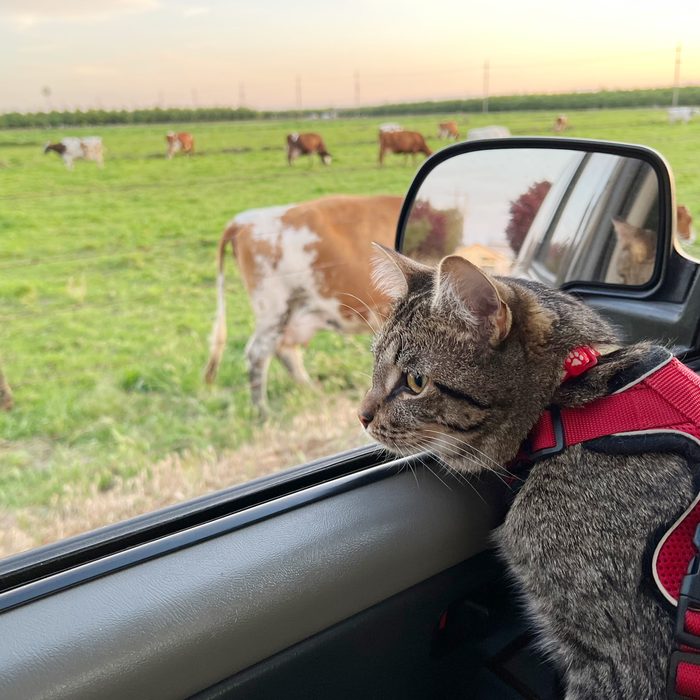
Traveling by car with a cat can be a smooth experience with the right preparation. Cats feel safer in small, enclosed spaces. A car trip offers control over the environment and stops. Planning your route and breaks helps your cat stay comfortable. Here are key tips for a safe and calm journey.
Safety Tips
Use a sturdy cat carrier during the trip. Secure the carrier with a seatbelt to prevent movement. Never let your cat roam freely inside the car. Keep windows closed or only slightly open. Avoid loud music and sudden noises. Check the carrier regularly for signs of stress.
Managing Motion Sickness
Feed your cat lightly before travel to avoid nausea. Avoid giving food right before the trip. Offer water during stops to keep your cat hydrated. Try natural remedies like ginger, but ask your vet first. Keep the car cool and well-ventilated. Watch for drooling or vomiting as signs of sickness.
Keeping Your Cat Calm
Bring your cat’s favorite blanket or toy for comfort. Speak softly to reassure your cat during the ride. Play calming music designed for pets. Stop often for breaks to let your cat relax. Keep the carrier covered with a light cloth to reduce outside distractions. Practice short drives before long trips to build confidence.
Flying With A Cat
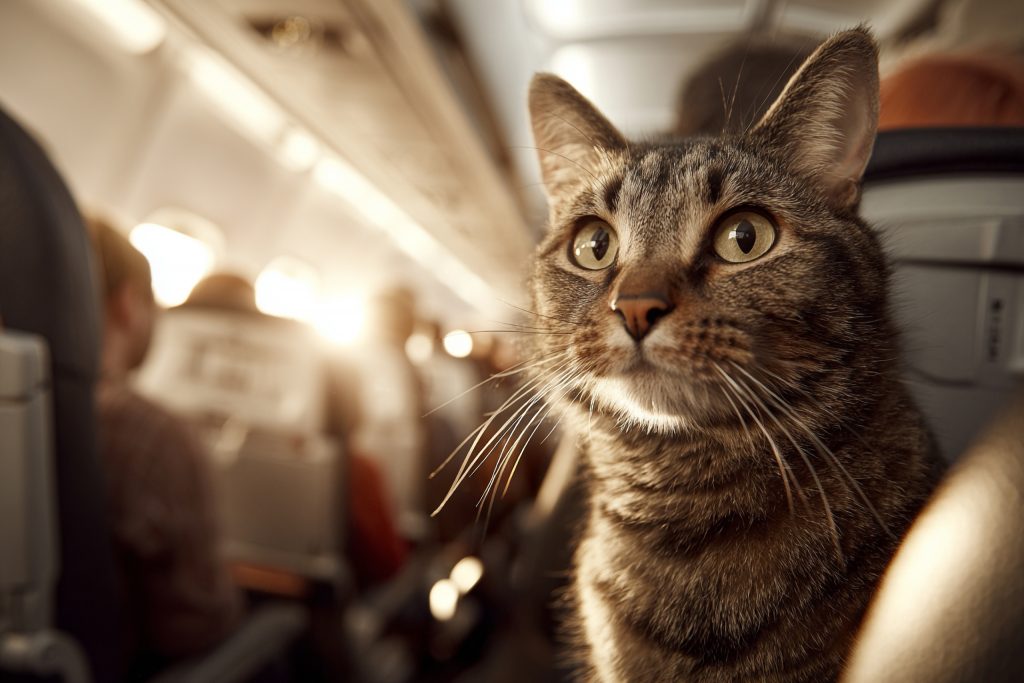
Flying with a cat can be stressful but manageable with the right steps. Preparing ahead helps your cat stay calm and safe. Understanding airline rules, booking smartly, and moving through airport security smoothly all make a big difference.
Airline Policies
Each airline has different rules for flying with pets. Some allow cats in the cabin, others require checked baggage or cargo. Check size limits for carriers and weight rules too. Some airlines need health certificates or vaccination records. Always read policies before booking to avoid surprises at the airport.
Booking Tips
Book your cat’s spot early. Airlines often limit the number of pets on a flight. Choose flights with fewer stops to reduce travel time. Select seats near the front to board early and settle your cat calmly. Inform the airline you are traveling with a cat at the time of booking.
Navigating Security
At security, remove your cat from the carrier. Carry your cat through the metal detector. The carrier goes on the conveyor belt for scanning. Keep a leash or harness on your cat to prevent escapes. Stay calm and speak softly to help your cat stay relaxed.
Reducing Stress During Travel
Traveling with a cat can be stressful for both of you. Cats do not like changes in their environment. New places and noises make them anxious. Reducing stress helps your cat feel safe and calm. It also makes the trip easier for you. Small steps can make a big difference during travel.
Calming Aids And Techniques
Calming sprays and diffusers use pheromones to soothe cats. These products mimic natural cat scents. They help reduce anxiety in new places. Soft music or white noise can also calm your cat. Gentle petting and soft voices provide comfort. A favorite blanket or toy offers a sense of security. Try these aids before and during travel.
Maintaining Routine
Cats like habits. Keeping feeding and playtime times the same helps. Use the same food and water bowls. Let your cat rest in familiar spots before the trip. Carry familiar bedding or toys. Routine gives your cat a feeling of control. This reduces stress and keeps your cat calm.
Recognizing Signs Of Stress
Watch for hiding, growling, or hissing. Panting or drooling can also be signs. Loss of appetite and excessive grooming show stress. Your cat may meow loudly or pace nervously. Recognizing these signs early helps prevent bigger problems. Stop and comfort your cat if you see stress signs.
After Arrival Care
After traveling with a cat, care is very important. The journey can be stressful for your pet. They need time to adjust to new surroundings. Paying attention to their needs helps them feel safe and calm. This section covers key steps to take after arrival.
Settling In
Give your cat a quiet space to rest. Keep their carrier nearby at first. Let them explore slowly and at their own pace. Avoid loud noises or sudden movements. Stay close and speak softly. This helps your cat feel secure in the new place.
Monitoring Health
Watch for signs of stress or sickness. Check their eating, drinking, and bathroom habits. Look for unusual hiding or lethargy. Keep an eye on breathing and movement. Contact a vet if anything seems wrong. Early care prevents health problems from growing.
Reintroducing Familiar Items
Bring your cat’s favorite toys and blankets. Place them in the new space to offer comfort. Familiar smells help reduce anxiety. Use their usual food and water bowls. This creates a sense of normalcy after the trip. Small comforts make a big difference.
Credit: www.airtransportanimal.com
Frequently Asked Questions
How Do I Prepare My Cat For Travel?
Start by getting your cat used to the carrier. Practice short trips to build comfort. Bring familiar toys and treats to reduce stress during travel.
What Are The Best Cat Carriers For Travel?
Choose a sturdy, well-ventilated carrier with secure locks. Soft-sided carriers are great for air travel. Ensure the carrier is the right size for your cat’s comfort.
Can I Travel With My Cat By Plane?
Yes, but check airline policies first. Your cat usually travels in the cabin in a carrier. Always book in advance and bring a health certificate if required.
How To Keep My Cat Calm During Travel?
Use calming sprays or pheromone diffusers in the carrier. Talk softly to your cat and avoid loud noises. Frequent breaks and hydration help maintain calmness.
Conclusion
Traveling with a cat can feel easy and stress-free. Plan ahead and choose safe, comfortable gear. Keep your cat calm with familiar items and breaks. Watch your pet’s needs during the trip. A happy cat makes the journey better for everyone.
Enjoy the adventure together, one step at a time. Safe travels and happy paws!