

Are you tired of finding cat hair on your clothes, furniture, and everywhere in between? You’re not alone.
Many cat lovers want a furry friend without the constant shedding mess. But is it possible? Are there cat breeds that don’t shed, or at least shed very little? If you’ve been dreaming of a cleaner, hair-free home while still enjoying the companionship of a cat, this article is for you.
Keep reading to discover which breeds could be the perfect fit for you and your lifestyle.
Cat Shedding Basics
Understanding cat shedding helps to manage pet care better. Shedding is a natural process for cats. It involves losing old or damaged hair. This allows new hair to grow healthy and strong. Some cats shed more than others. Knowing why and how cats shed can help you keep your home cleaner. It also keeps your cat comfortable.
Why Cats Shed
Cats shed to remove old fur. This helps their coat stay clean and healthy. Shedding also helps cats adjust to temperature changes. In warm weather, shedding removes thick winter fur. This keeps cats cool. Shedding also gets rid of dirt and parasites hiding in fur.
Factors Affecting Shedding
Several things affect how much a cat sheds. Breed plays a big role. Some breeds naturally shed less. Diet and health also matter. Poor nutrition can increase shedding. Stress and illness might cause more hair loss. Indoor cats tend to shed less than outdoor cats.
Seasonal Shedding Patterns
Cats shed more during certain seasons. Spring and fall are peak shedding times. In spring, cats lose winter coats. This helps them stay cooler in summer. In fall, cats grow thicker fur for winter. Seasonal shedding depends on daylight length and temperature.
Credit: www.purina.com
Low-shedding Cat Breeds
Low-shedding cat breeds are perfect for people who want less fur at home. These cats lose very little hair, making cleaning easier. They often cause fewer allergy problems too. Many breeds fit this category, each with unique looks and personalities.
Sphynx
The Sphynx cat has almost no fur. Its skin feels warm and soft. This breed needs regular baths to remove oils. Sphynx cats are friendly and love attention.
Russian Blue
Russian Blues have dense, short coats that shed very little. Their blue-gray fur stays neat with simple brushing. These cats are gentle and quiet companions.
Bengal
Bengal cats have short, sleek fur that sheds minimally. Their coat shines with a beautiful spotted pattern. Bengals are active and playful pets.
Balinese
Balinese cats have medium-length fur but shed less than other longhairs. Their silky coats need light grooming. They are social and enjoy being around people.
Siberian
Siberians have thick fur but shed less than expected. Their triple coat traps allergens better. These cats are strong and love to explore.
Cornish Rex
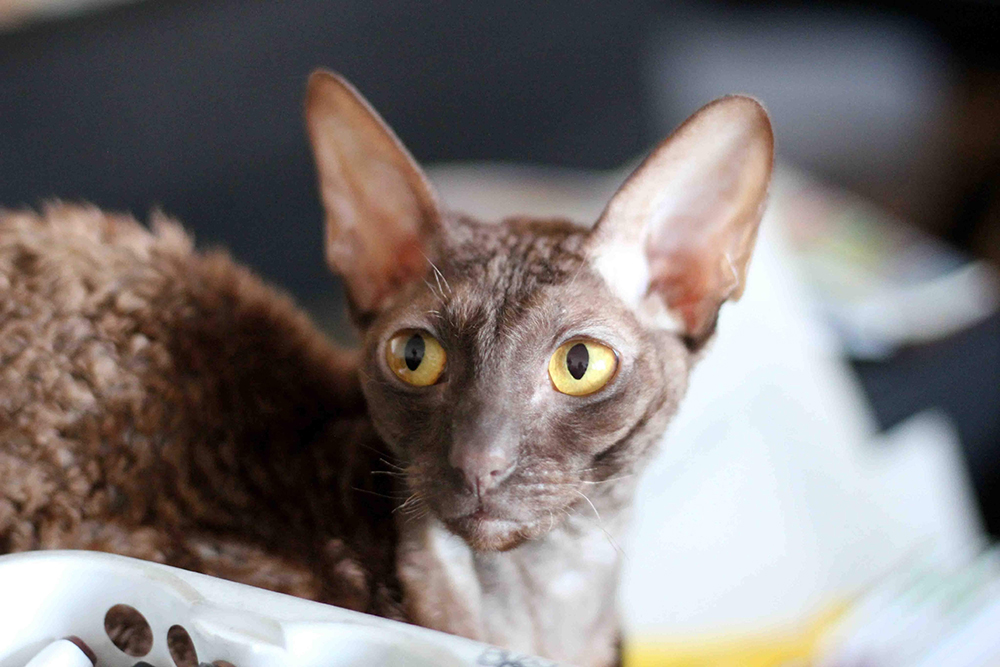
Cornish Rex cats have soft, curly fur that sheds very little. Their coat feels like velvet. These cats are lively and curious.
Devon Rex
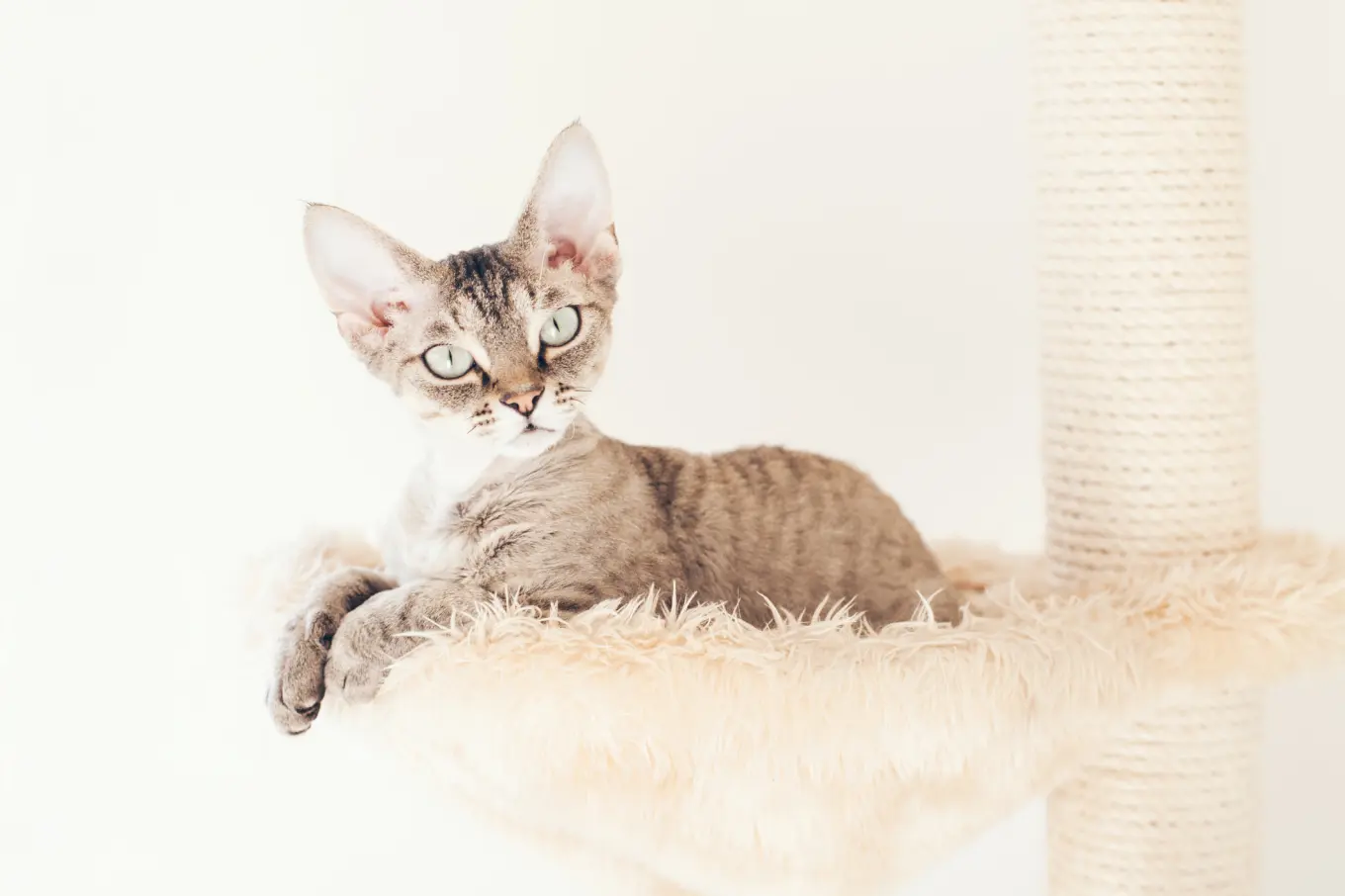
Devon Rex cats have short, wavy coats that shed minimally. They have big ears and playful natures. These cats like to stay close to their owners.
Hypoallergenic Cats And Shedding
Many people want cats that do not shed much. This is especially true for those with allergies. Some cats are called hypoallergenic. These cats cause fewer allergy problems. Understanding the link between shedding and allergies helps choose the right pet.
Difference Between Low-shedding And Hypoallergenic
Low-shedding cats lose less fur than others. Their fur falls out slowly and in small amounts. Hypoallergenic cats produce fewer allergy-causing proteins. These proteins are in saliva, skin, and urine. Shedding and allergies are connected but not the same.
A cat can shed little but still cause allergies. Some hypoallergenic cats shed like normal cats. Shedding only affects how much fur is in your home. Allergies depend on protein levels and how your body reacts.
Allergy Considerations
Allergies come from a protein called Fel d 1. It is in cat skin and saliva. When cats groom themselves, this protein spreads on fur. Then it falls off with the shedding fur or dander.
Hypoallergenic cats make less Fel d 1 protein. This lowers the chance of allergy symptoms. Still, no cat is 100% allergy-free. Allergy sufferers should spend time with a cat before adopting.
Cleaning often helps reduce allergens. Using air filters and washing cat bedding also lowers allergens. Choosing a cat is about managing allergies and shedding together.

Credit: petmedonline.com
Tips To Manage Cat Shedding
Managing cat shedding can make life cleaner and more comfortable. Shedding is natural, but control helps reduce hair around your home. Simple steps can keep shedding under control and make your cat happier.
Regular care and attention can limit loose hair and dander. Focus on grooming, diet, and cleaning to manage shedding effectively. These tips help keep your cat’s coat healthy and your house tidy.
Grooming Techniques
Brush your cat often to remove loose fur. Use a brush made for your cat’s fur type. Brushing stops hair from spreading around the house. Bathing your cat sometimes helps reduce shedding too. Trim nails to avoid damage during grooming. Make grooming a calm and short routine.
Diet And Nutrition
Feed your cat balanced food for a healthy coat. Food rich in omega-3 and omega-6 oils helps skin and fur. Avoid sudden diet changes that may cause more shedding. Fresh water is also important for good skin health. Talk to your vet about the best diet for your cat.
Home Cleaning Tips
Vacuum floors and furniture regularly to remove pet hair. Use a vacuum with a pet hair attachment for best results. Wash cat bedding and blankets often to reduce fur. Keep air filters clean to trap hair and dust. Use lint rollers on clothes to remove stray hairs quickly.
Choosing The Right Cat For Your Home
Choosing the right cat for your home is very important. Cats have different needs and personalities. Picking a cat that fits your lifestyle makes life easier for both you and the cat. Some cats shed a lot, while others shed very little. Knowing what kind of cat suits your home helps you enjoy pet ownership more.
Lifestyle Compatibility
Think about your daily routine. Some cats need lots of attention and playtime. Others are happy resting most of the day. Active families might prefer playful breeds. Quiet homes may suit calm and gentle cats. Also, some cats handle being alone better than others. Choose a cat that matches your activity level and time at home.
Allergy-friendly Options
Many people have allergies to cat fur or dander. Some cat breeds shed less, which can reduce allergic reactions. Breeds like the Sphynx or the Russian Blue are known for low shedding. No cat is 100% hypoallergenic, but some are better for allergy sufferers. Consider these breeds if allergies are a concern in your home.
Adoption And Care
Adopting a cat is a kind choice. Shelters often have cats of all kinds, including low-shedding breeds. Caring for a cat means regular feeding, grooming, and vet visits. Cats that shed less still need brushing to keep their coat healthy. Providing love and attention helps your cat feel safe and happy.
Credit: www.newsweek.com
Frequently Asked Questions
Which Cat Breeds Shed The Least?
Breeds like the Sphynx, Russian Blue, and Bengal shed very little. These cats have minimal fur loss, making them ideal for allergy sufferers or those wanting less pet hair.
Are Hypoallergenic Cats Truly Non-shedding?
Hypoallergenic cats still shed but produce fewer allergens. They often have less dander, which reduces allergic reactions. However, no cat breed is 100% non-shedding or allergen-free.
How Often Do Low-shedding Cats Need Grooming?
Low-shedding cats require regular grooming to keep coats healthy. Weekly brushing helps remove loose fur and reduces shedding further. It also promotes better skin health and bonding.
Do Non-shedding Cats Require Special Care?
Non-shedding cats like the Sphynx need skin care, including baths. Their exposed skin can get oily or dirty. Regular cleaning is essential to maintain their health and comfort.
Conclusion
Some cat breeds shed very little, making them easier to care for. Cats like the Sphynx, Russian Blue, and Siamese are known for low shedding. Choosing such breeds can help keep your home cleaner. Remember, all cats need love and attention regardless of shedding.
Finding the right cat means thinking about your lifestyle too. Shedding is just one part of the whole pet experience. Enjoy the company of a furry friend without worrying much about hair everywhere.