
Are you wondering when your cat can start breeding? Knowing the right time is important for your pet’s health and well-being.
If you breed too early, it can cause serious problems for your cat. But waiting too long might mean missing key opportunities. You’ll discover the signs that show your cat is ready, why timing matters, and what you should consider before making this decision.
Keep reading to make sure you give your cat the best care possible.
Credit: www.purina.com
Cat Sexual Maturity
Cats reach sexual maturity at different ages. This stage means they can start breeding and having kittens. Understanding this helps owners care for their pets responsibly. It also prevents unwanted litters and health issues.
Sexual maturity affects both male and female cats. Female cats go into heat, while males become more active and territorial. Knowing the signs and age range helps in making good decisions.
Age Range For Breeding
Most cats start breeding between five and twelve months old. Smaller breeds may mature faster, while larger ones take more time. Female cats often begin heat cycles around six months. Male cats can be fertile a little later but sometimes as early as five months.
It is better to wait until cats are at least one year old. Their bodies are stronger and better prepared for pregnancy or mating. Breeding too early can harm the cat’s health.
Signs Of Readiness
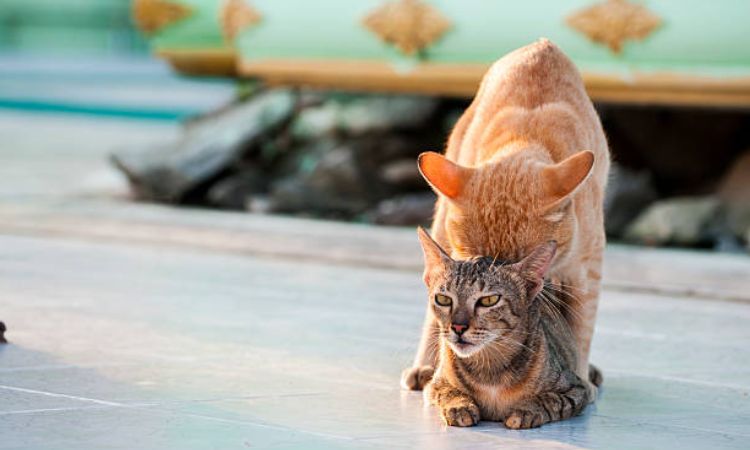
Female cats show clear signs when ready to breed. They may become vocal, restless, and rub against objects or people. Their tail position changes, often held to one side. These behaviors show they are in heat and fertile.
Male cats become more aggressive and mark territory with scent. They may roam more and try to find females. A mature male cat will show interest in female cats during their heat cycle.
Credit: nexus-pets.com
Breeding Risks And Considerations
Breeding cats too early can lead to serious problems. It affects their health and growth. Understanding these risks helps protect your cat and her future kittens.
Breeding is not just about timing. It requires careful thought about the cat’s wellbeing. Young cats are more vulnerable to health issues during pregnancy and birth.
Health Risks For Young Cats
Young cats face higher chances of complications during pregnancy. Their bodies may not be ready for the stress. Problems like infections and difficult births can occur.
Early breeding can weaken a cat’s immune system. This makes her more likely to get sick. It also puts kittens at risk of being born weak or unhealthy.
Impact On Growth And Development
Breeding too soon can slow a cat’s growth. Her body needs time to fully develop before pregnancy. Early pregnancy can stunt bone and muscle growth.
Young cats may not have enough energy to support their kittens. This affects both the mother and her litter. Proper growth before breeding helps ensure healthier cats and kittens.
Ideal Breeding Age
Knowing the ideal breeding age for cats is important for their health and well-being. Cats must be physically and emotionally ready before breeding. Starting too early can harm the mother and her kittens. Understanding breed differences helps to decide the right time.
Physical And Emotional Readiness
Cats usually reach physical maturity between 6 and 12 months. But emotional maturity takes longer. A cat needs a strong body and calm mind for breeding. Signs of readiness include regular heat cycles and good health. Breeding too soon may cause complications during pregnancy.
Breed-specific Differences
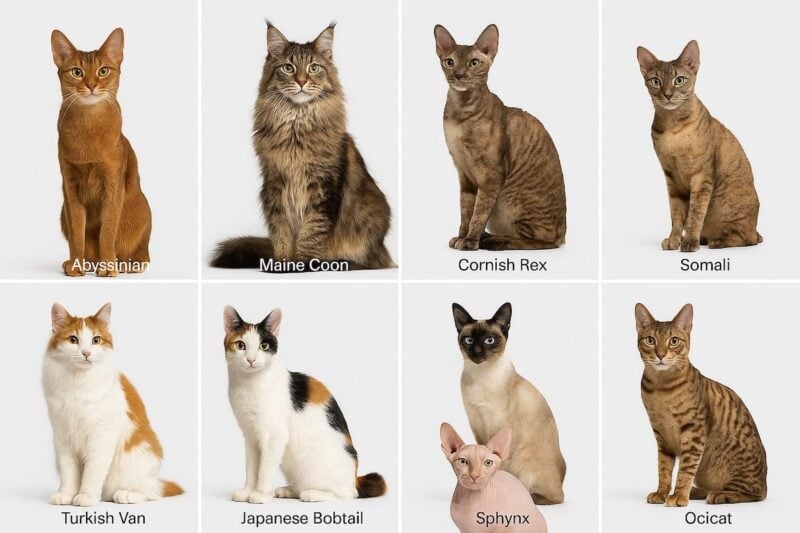
Different cat breeds mature at different speeds. Small breeds often mature faster than large breeds. For example, Siamese cats may be ready earlier than Maine Coons. Knowing your cat’s breed helps set a better breeding age. Consult a vet to understand the best timing for your cat.
Breeding Cycle And Heat Periods
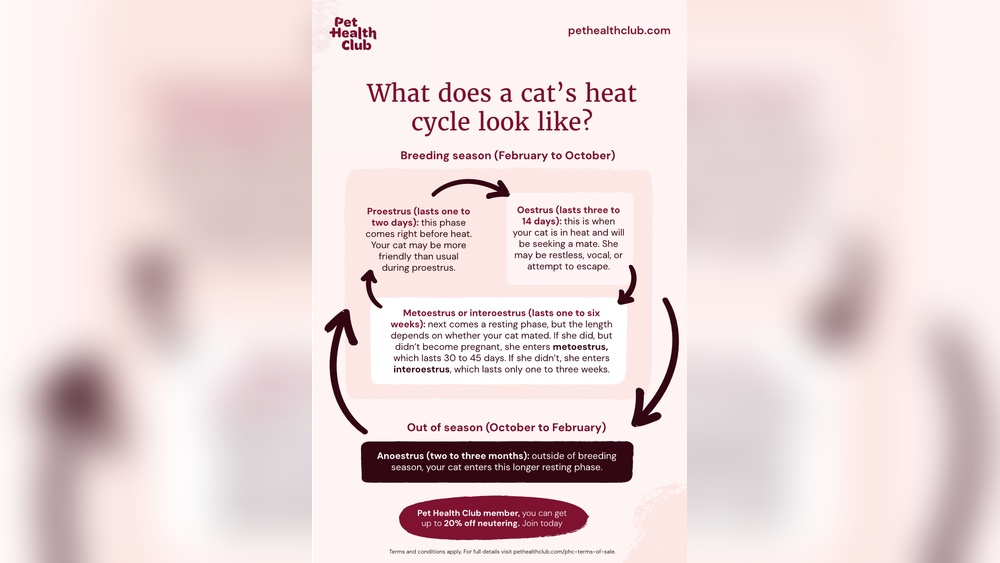
Cats have a unique breeding cycle that starts with their heat periods. Understanding this cycle helps pet owners recognize when cats are ready to mate. The heat period is a key phase in a cat’s reproductive cycle. It signals the time when females are fertile and can become pregnant. This cycle repeats several times a year, depending on the cat’s age and environment. Each heat period lasts a few days and brings noticeable changes in behavior.
Frequency Of Heat Cycles
Cats usually enter heat every two to three weeks during breeding season. This season can last from early spring to late fall. Indoor cats may experience heat cycles year-round due to artificial light. Each cycle lasts about four to seven days. If a cat does not mate, the heat will repeat until she becomes pregnant or the season ends. The frequency varies by breed and individual cat health.
Behavioral Changes During Heat
During heat, female cats show clear behavior shifts. They become more vocal, often meowing loudly to attract males. Restlessness and rubbing against objects are common signs. Cats may raise their hindquarters and move their tails to the side. Some become more affectionate or try to escape outdoors. Male cats near a female in heat may also show increased activity and marking behaviors.
Responsible Breeding Practices
Responsible breeding practices ensure healthy kittens and happy cats. Breeders must focus on the cat’s health and well-being. Careful planning helps avoid health problems and genetic issues. It also prepares the cat for a safe pregnancy.
Health Screening
Health screening checks the cat’s overall condition. Tests for diseases and infections keep kittens safe. Vaccinations must be up to date before breeding. Regular vet visits help spot problems early. Healthy parents lead to healthy babies.
Genetic Considerations
Breeders should study the cat’s family history. Avoid breeding cats with known genetic diseases. Choose mates that complement each other’s traits. This reduces the chance of passing bad genes. It helps produce strong and healthy kittens.
Preparing For Pregnancy
Prepare the cat’s body before pregnancy starts. Feed a balanced diet with extra nutrients. Keep the cat calm and stress-free. Provide a safe, quiet space for the cat to rest. Regular vet check-ups track the pregnancy progress.
Signs Of Pregnancy In Cats
Noticing pregnancy in cats early helps you give proper care. Cats show clear signs when they are expecting kittens. Knowing these signs supports their health and comfort during pregnancy.
Early Symptoms
One of the first signs is a change in appetite. Pregnant cats often eat more than usual. Their nipples become pinker and larger. Some cats may act more affectionate or sleepy. Mild morning sickness can happen, causing slight vomiting. You might see a small belly swelling after a few weeks. These signs appear about two to three weeks into pregnancy.
Care During Pregnancy
Provide a quiet, safe space for your cat to rest. Feed her high-quality, nutritious food designed for pregnant cats. Fresh water should always be available. Avoid stressful situations and loud noises. Regular gentle petting helps keep her calm. Schedule vet visits to monitor health and progress. Proper care leads to healthy kittens and a happy mother.
When To Consult A Veterinarian
Knowing when to consult a veterinarian is important before starting cat breeding. A vet can check your cat’s health and readiness. This helps avoid risks for both the mother and kittens. Regular vet visits ensure a safe and healthy breeding process.
Pre-breeding Checkups
Pre-breeding checkups help confirm your cat is healthy. The vet will test for infections and diseases. They check the cat’s age and weight too. This ensures your cat can handle pregnancy and birth. Vaccinations and parasite control are also important. A healthy cat leads to healthier kittens.
Pregnancy Complications
Pregnancy can cause complications that need vet care. Signs like loss of appetite, vomiting, or bleeding require attention. The vet can monitor the pregnancy and suggest treatments. Early care reduces risks during birth. Always watch for changes in behavior or health. Quick vet visits protect both mother and babies.
Credit: www.mainecooncentral.com
Frequently Asked Questions
When Do Cats Reach Breeding Age?
Cats typically reach breeding age between 5 to 12 months. Female cats can go into heat as early as 5 months, while males mature around 6 to 12 months. Breeding too early may risk health issues for the cat.
How Often Can Cats Breed In A Year?
Cats can breed multiple times yearly, especially during warm months. Female cats can have 2 to 3 litters annually. Proper care and rest between pregnancies are essential to maintain their health.
What Signs Show A Cat Is Ready To Breed?
Signs include behavioral changes like increased vocalization, restlessness, and affectionate behavior. Female cats display heat cycles, while males may mark territory. These signs indicate sexual maturity and breeding readiness.
Is It Safe To Breed Cats At Their First Heat?
Breeding cats at their first heat is not recommended. Their bodies may not be fully developed, increasing health risks for both mother and kittens. Waiting until the second or third heat ensures better health outcomes.
Conclusion
Cats usually start breeding around six months old. Early breeding can cause health problems for kittens and mothers. Responsible care helps keep cats healthy and safe. Watch your cat’s behavior and body changes closely. Consult a vet before allowing breeding to begin.
Healthy breeding supports strong, happy future generations. Taking time to learn is always worth it. Breeding should never be rushed or forced. Your cat’s well-being matters most in every step.