
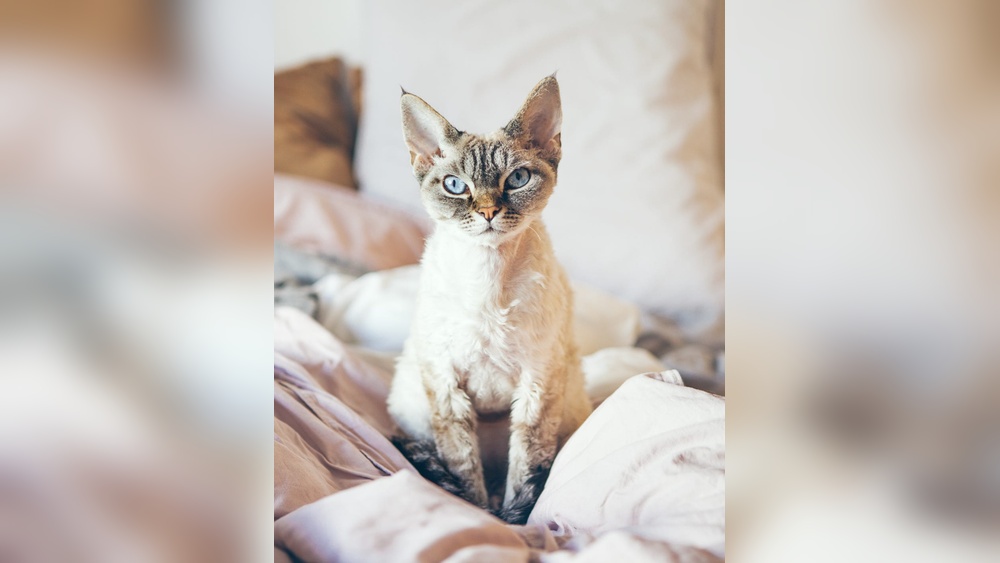
Are you worried about allergies but still dreaming of having a cat? You’re not alone.
Many people love cats but hesitate because of sneezing, itchy eyes, or worse. The good news is, some cat breeds are known to be hypoallergenic. But what does that really mean for you and your home? You’ll discover which cat breeds might be easier on your allergies and how to choose the right furry friend without sacrificing comfort.
Keep reading to find out if a hypoallergenic cat could be the perfect match for you.

Credit: www.thepioneerwoman.com
What Makes A Cat Hypoallergenic
Many people wonder what makes a cat hypoallergenic. Some cats cause fewer allergy problems than others. This depends on what triggers allergies and how much of it the cat produces. Understanding these details helps in choosing a cat that suits sensitive individuals. Let’s explore the main causes of cat allergies and what affects allergen levels.
Common Allergens In Cats
Cat allergies mostly come from proteins found in their saliva, skin, and urine. The main allergen is called Fel d 1. Cats spread Fel d 1 when they groom themselves. The allergen sticks to their fur and skin flakes, known as dander. People breathe in or touch these particles, causing allergic reactions. Different cats produce different amounts of these allergens.
Factors Affecting Allergen Levels
Several factors change how much allergen a cat releases. The cat’s breed can influence allergen levels. Male cats tend to produce more Fel d 1 than females. Neutering can lower allergen production. Age also matters; younger cats often produce more allergens. The cat’s health and diet play a role too. Regular grooming can reduce allergens on the fur. All these factors help determine if a cat is hypoallergenic.

Credit: talis-us.com
Top Allergy-friendly Cat Breeds
Many cat lovers worry about allergies. Some cat breeds cause fewer allergic reactions. These breeds produce less of the proteins that trigger allergies. They also shed less fur and dander. Here are some top allergy-friendly cat breeds to consider.
Siberian Cats
Siberian cats have thick, beautiful coats. Surprisingly, they produce fewer allergenic proteins. Many allergy sufferers find them easier to live with. Their friendly and playful nature makes them great pets. They adapt well to family life and other pets.
Balinese Cats
Balinese cats are often called the “long-haired Siamese.” They produce less of the Fel d 1 protein. This protein causes most cat allergies. Their silky fur does not shed much. Balinese cats are social and enjoy being with people.
Sphynx Cats
Sphynx cats have no fur. This reduces dander and shedding. They need regular baths to remove oils on their skin. Their affectionate personality makes them popular. People with mild allergies often choose this breed.
Russian Blue Cats
Russian Blue cats have a short, dense coat. They produce lower levels of allergenic proteins. Their soft blue-gray fur sheds less than other cats. These cats are quiet and gentle. They form strong bonds with their owners.
Devon Rex Cats
Devon Rex cats have curly, short fur. Their coat sheds very little. This reduces allergens in the home. They are playful and love human attention. Their unique look and sweet nature attract many cat lovers.
How To Manage Cat Allergies At Home
Managing cat allergies at home helps you live comfortably with your pet. Small changes can reduce allergy symptoms significantly. Focus on cleaning, grooming, and air quality to control allergens.
Cleaning Tips To Reduce Allergens
Clean floors and surfaces often to remove cat dander. Use a vacuum with a HEPA filter for best results. Wash bedding and curtains regularly in hot water. Avoid carpets and heavy drapes that trap allergens.
Grooming Practices For Allergy Relief
Brush your cat outside to keep dander away from indoor air. Bathe your cat occasionally to reduce allergens on fur. Use grooming wipes designed for cats to clean fur gently. Wear gloves while grooming to protect your skin.
Air Purifiers And Ventilation
Use air purifiers with HEPA filters to clean indoor air. Open windows for fresh air when weather allows. Maintain good ventilation to reduce allergen buildup. Change air filters in heating and cooling systems regularly.
Living With Hypoallergenic Cats
Living with hypoallergenic cats offers a chance for allergy sufferers to enjoy pet companionship. These cats produce fewer allergens, which may reduce allergy symptoms. Still, no cat breed is completely allergen-free. Understanding how to live with these pets helps create a happy, healthy home.
Proper care and planning improve comfort for both cat and owner. It is important to prepare before adopting. Once the cat is home, managing allergies keeps the experience positive.
Allergy Testing Before Adoption
Testing for allergies before adopting a cat is very helpful. Visit an allergist to check your reaction to cat dander. Some hypoallergenic breeds may still cause mild symptoms. Testing helps avoid surprises after adoption. Spend time around the cat to see how your body reacts. This step saves trouble and stress later.
Building A Cat-friendly Allergy Plan
Create a plan to reduce allergens in your home. Clean floors and furniture often to remove dander. Use air purifiers to keep air fresh and clean. Designate cat-free zones, like bedrooms, for allergy relief. Wash your cat’s bedding regularly to reduce allergens. Groom your cat with a damp cloth to lower dander. Small changes make a big difference in comfort.

Credit: www.womansday.com
Frequently Asked Questions
What Makes A Cat Breed Hypoallergenic?
Hypoallergenic cats produce fewer allergenic proteins in their saliva and skin. This reduces allergic reactions in sensitive individuals. However, no cat is completely allergen-free. Choosing hypoallergenic breeds can help minimize symptoms but does not guarantee zero allergies.
Which Cat Breeds Are Considered Hypoallergenic?
Popular hypoallergenic cat breeds include the Siberian, Balinese, Sphynx, and Russian Blue. These breeds shed less dander and produce fewer allergens. They are ideal for allergy sufferers seeking feline companionship with reduced allergic responses.
Can Hypoallergenic Cats Trigger Allergies?
Yes, hypoallergenic cats can still trigger mild allergic reactions. Individual sensitivities vary, and allergens may remain on fur and skin. Regular grooming and cleaning can help reduce allergen exposure and ease symptoms.
How To Reduce Cat Allergies At Home?
To reduce cat allergies, clean frequently, use HEPA filters, and groom cats regularly. Wash bedding and vacuum floors to remove dander. Limiting cat access to bedrooms also helps minimize allergen presence.
Conclusion
Hypoallergenic cat breeds can help reduce allergy symptoms. No cat is completely allergy-free, but some breeds shed less. These cats produce fewer allergens that trigger reactions. Choosing the right breed can make living with cats easier. Always spend time with a cat before adopting.
This helps to see if allergies become a problem. Clean homes and regular grooming also reduce allergens. Cat lovers with allergies can still enjoy pets. Careful choices and good habits make a big difference.