
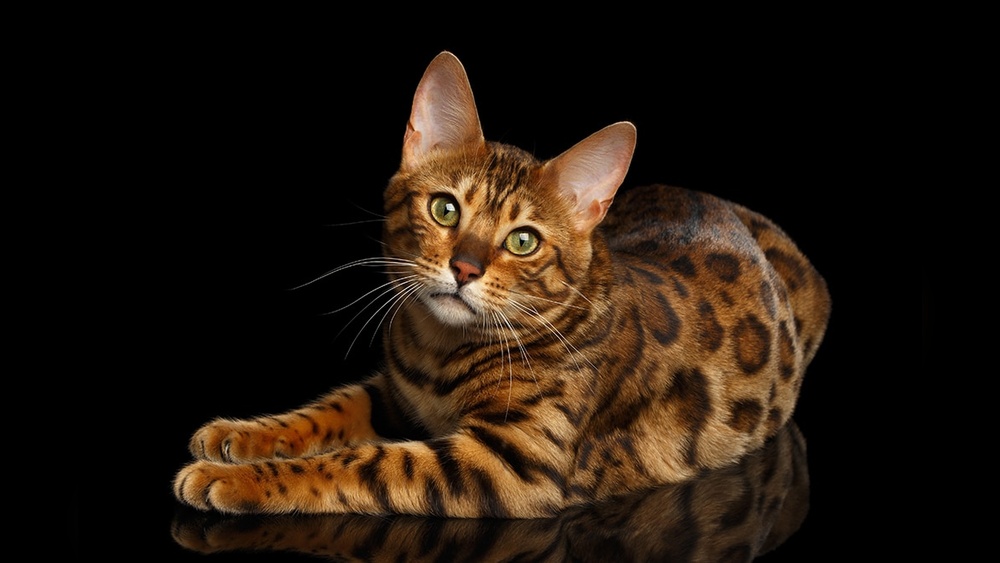
Are you thinking about bringing a Bengal cat into your home but worried about spraying? You’re not alone.
Many cat lovers wonder if Bengals spray more than other breeds and what that means for their living space. Understanding this behavior can save you from frustration and help you enjoy your new furry friend without surprises. Keep reading to discover the truth about Bengal cats and spraying, so you can make the best choice for your family and your home.
Credit: exoticbengalsd.com
Bengal Cats And Spraying Behavior
Bengal cats are known for their wild look and active nature. Many owners wonder if Bengals spray more than other cats. Spraying is a common behavior in cats, but it can be confusing and frustrating for pet owners.
This section explains Bengal cats and their spraying behavior. It helps you understand why cats spray and how it relates to Bengals specifically.
What Is Spraying In Cats?
Spraying is a way cats mark their territory. Cats release a small amount of urine on walls or furniture. It is different from regular urination. Spraying leaves a strong smell that warns other cats to stay away.
Both male and female cats spray, but unneutered males spray more often. Spraying is natural but unwanted inside the home.
Common Reasons For Spraying
Cats spray for many reasons. Stress is a big cause. Changes in the home or new pets can trigger spraying. Anxiety or fear also makes cats spray to feel safe.
Some cats spray to attract mates. Unneutered males spray to show dominance. Medical issues like urinary infections can cause spraying too.
Bengal cats are active and curious. They may spray if they feel stressed or bored. Proper care and attention can reduce spraying in Bengals.
Spraying Frequency In Bengal Cats
Bengal cats are known for their unique looks and lively personality. One question many cat owners ask is about their spraying habits. Understanding the spraying frequency in Bengal cats helps owners manage their pets better. This behavior can affect the household and the cat’s comfort.
Spraying is a way cats mark territory or express stress. Bengal cats might spray, but the frequency varies. Knowing how often Bengal cats spray compared to other breeds gives useful insight.
Comparison With Other Breeds
Bengal cats do not spray more than most other cat breeds. Their spraying habits are similar to breeds like Siamese or Abyssinians. Some breeds, like unneutered males, tend to spray more regardless of breed. Bengal cats often spray less if they are spayed or neutered early. Overall, Bengal cats’ spraying frequency fits within the normal range for domestic cats.
Factors Influencing Bengal Spraying
Several factors affect how often Bengal cats spray. Stress and anxiety can increase spraying behavior. Changes in the home, new pets, or loud noises may trigger spraying. Lack of litter box cleanliness also causes some cats to spray. Health problems like urinary infections can make spraying more frequent. Neutering or spaying Bengal cats lowers spraying chances significantly. Providing a calm environment helps reduce spraying incidents.
Gender And Spraying Tendencies
Gender plays a role in spraying behavior among Bengal cats. Male and female Bengals often show different tendencies. Understanding these differences helps in managing your pet better. This section explains how gender affects spraying and what can help reduce it.
Male Bengals Vs Female Bengals
Male Bengals tend to spray more than females. This is often a way to mark territory. Unneutered males are especially prone to this behavior. Female Bengals spray less but may do so during heat cycles. Their spraying is usually less frequent and less intense. Knowing these patterns helps set expectations for pet owners.
Impact Of Neutering And Spaying
Neutering male Bengals greatly reduces spraying. It lowers the hormones that drive this behavior. Spaying female Bengals also helps but the effect is less strong. Early surgery can prevent spraying from becoming a habit. Both procedures contribute to calmer, cleaner pets. They are key steps in managing Bengal cat spraying.
Environmental Triggers For Spraying
Environmental triggers often play a big role in why Bengal cats spray. These triggers can cause stress or confusion for the cat. Understanding these factors helps manage and reduce spraying behavior. Bengal cats are active and sensitive to their surroundings. Changes in their environment can prompt them to mark their territory more often.
Stress And Territory Issues
Bengal cats may spray when they feel stressed or unsafe. Stress can come from loud noises, new pets, or visitors. Territory is very important to them. If they sense a threat to their space, they may spray to mark it. This behavior helps them feel more secure. Stress can raise their need to claim their territory frequently.
Changes In Household Dynamics
Changes in the home can upset Bengal cats. Moving to a new house or rearranging furniture can confuse them. New family members or pets can cause anxiety too. These changes make them feel their territory is at risk. Spraying becomes a way to cope and communicate. Keeping a stable routine can help reduce spraying from these triggers.
Preventing And Managing Spraying
Spraying can be a common problem with Bengal cats and other breeds. Managing this behavior early helps keep your home clean and your cat happy. Understanding ways to prevent and control spraying is essential for all cat owners.
Behavior changes, environment, and health all play roles. Addressing these areas can reduce spraying incidents. Use a mix of training, medical care, and a good living space.
Behavioral Training Tips
Start training your Bengal cat as soon as possible. Use positive reinforcement like treats and praise. Avoid punishing your cat for spraying. Set clear rules and be consistent. Give your cat enough playtime to reduce stress. Use a scratching post to redirect marking instincts. Clean sprayed areas with enzyme cleaners to remove odor.
Medical Interventions
Visit a vet to rule out health issues. Urinary tract infections can cause spraying. Hormonal imbalances may also lead to this behavior. Neutering or spaying often reduces spraying urges. Your vet might suggest medication for anxiety. Regular check-ups help keep your cat healthy and calm.
Creating A Cat-friendly Environment
Provide safe spaces for your Bengal cat. Use cozy beds and hiding spots. Make sure litter boxes are clean and in quiet places. Avoid overcrowding if you have multiple pets. Use pheromone diffusers to calm your cat. Keep feeding areas separate from litter boxes. A calm environment helps reduce stress and spraying.

Credit: www.kittensup4sale.com
When To Consult A Veterinarian
Knowing when to consult a veterinarian is important for Bengal cat owners. Spraying can be a sign of health problems or stress. Early help can stop bad habits and protect your cat’s well-being.
Health-related Causes Of Spraying
Sometimes Bengal cats spray due to illness. Urinary tract infections cause pain and discomfort. This leads to frequent and urgent urination. Kidney problems or bladder stones also trigger spraying. These conditions need quick medical care to prevent harm. Untreated health issues can worsen and cause more spraying.
Professional Advice And Treatment Options
A veterinarian can find the root cause of spraying. They perform exams and tests for accurate diagnosis. Treatment may include medication or dietary changes. Behavior advice can help reduce stress-related spraying. Professional guidance improves your cat’s health and your home’s cleanliness. Always seek expert help if spraying suddenly starts or increases.

Credit: www.angeldustbengals.co.uk
Frequently Asked Questions
Do Bengal Cats Spray More Than Other Breeds?
Bengal cats do not spray more than other breeds by nature. Spraying depends on factors like stress, territory, and neutering status. Proper training and neutering usually reduce spraying in Bengals and other cats alike.
Why Do Bengal Cats Spray Indoors?
Bengal cats spray indoors mainly due to stress, anxiety, or territory marking. Unneutered males are more prone. Ensuring a calm environment and neutering helps minimize indoor spraying.
How To Prevent Bengal Cat Spraying Behavior?
Neutering your Bengal cat significantly reduces spraying. Providing enough play, attention, and a stress-free environment also helps. Clean marked areas promptly to discourage repeat spraying.
Is Spraying Common In Bengal Kittens?
Spraying is uncommon in Bengal kittens. It usually develops as cats mature, especially if unneutered. Early neutering and socialization reduce the likelihood of spraying later.
Conclusion
Bengal cats do not spray more than other breeds by nature. Spraying often happens due to stress, territory, or health issues. Owners can help by spaying or neutering their cats. Providing a calm and safe space also reduces spraying chances.
Understanding your Bengal’s behavior is key to managing this habit. Each cat is unique and may act differently. Patience and care make a big difference in preventing spraying. Keep your Bengal happy and healthy for a cleaner home.