
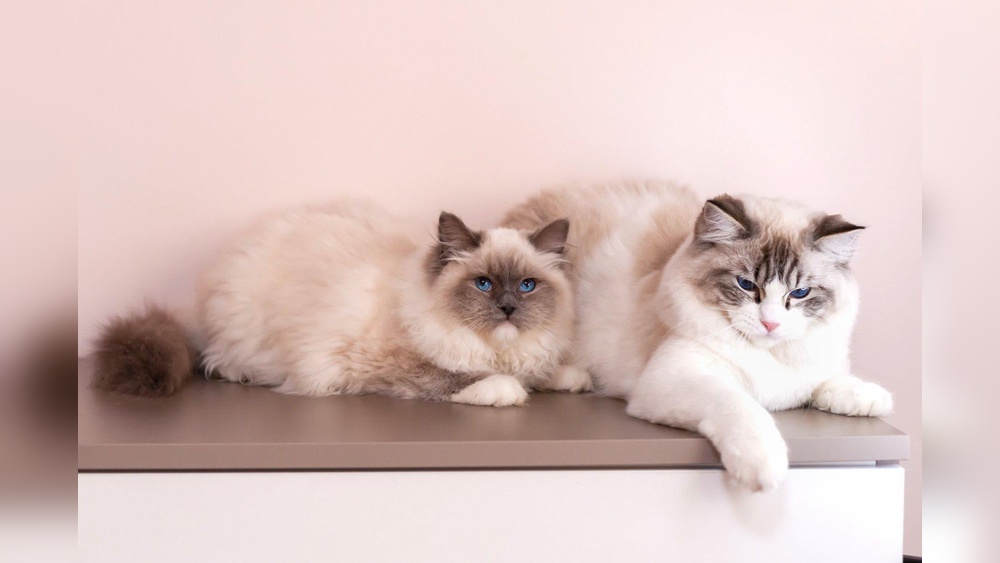
Have you ever wondered if your allergy symptoms change around different cats? Maybe you sneeze and itch with one breed, but feel fine with another.
Understanding whether you can be allergic to some cat breeds but not others could make a huge difference in your comfort and happiness. You’ll discover the surprising facts about cat allergies and how certain breeds might affect you differently. Keep reading to find out what really triggers your allergies and how you can enjoy the company of cats without the discomfort.
Cat Allergies Basics
Cat allergies affect many people around the world. Understanding the basics helps manage symptoms better. Allergies happen when the immune system reacts to certain proteins. These proteins often come from cats’ skin, saliva, or fur. Knowing what triggers allergies and spotting common symptoms are key steps.
What Triggers Cat Allergies
Cat allergies start with proteins called allergens. The main allergen is Fel d 1, found in cat saliva and skin. When cats groom themselves, these proteins get on their fur. The allergens spread into the air when fur or skin flakes fall off. People breathe in these tiny particles, causing an allergic reaction.
Allergies do not come from cat fur alone. Dander, which is dead skin, holds allergens too. Some cats produce less Fel d 1, but no breed is fully hypoallergenic. Allergens can stick to furniture, clothes, and walls, staying in the environment long after the cat leaves.
Common Allergy Symptoms
Symptoms vary but often affect the nose, eyes, and skin. Sneezing, runny nose, and congestion are usual signs. Eyes may itch, become red, or water. Skin can get itchy, red, or develop rashes. Some people cough, wheeze, or feel short of breath.
Symptoms can appear quickly or build up over time. Mild reactions may feel like a cold. Severe reactions need medical attention. Knowing these signs helps control exposure and seek help early.
Allergy Variation Among Cat Breeds
Cat allergies affect many people worldwide. Not all cat breeds cause the same allergic reactions. Some breeds produce more allergens than others. Allergies depend on the type and amount of proteins cats release. These proteins come from skin flakes, saliva, and urine. Understanding these differences helps allergy sufferers choose the right cat.
Breed-specific Allergens
Cats produce a protein called Fel d 1. It is the main allergen for humans. Different breeds produce different amounts of Fel d 1. Some breeds have lower levels, which may reduce allergic reactions. Still, no breed is completely free of allergens. Petting or living with any cat can trigger symptoms in sensitive people.
Hypoallergenic Cat Breeds Myth
The idea of hypoallergenic cats is popular but misleading. No cat breed is 100% allergy-free. Some breeds, like the Siberian or Balinese, may cause fewer allergies. Their lower Fel d 1 levels make them easier for some people. Still, people with strong allergies may react to any cat. Testing with a specific cat before adopting is best.
Why Some Breeds Cause More Reactions
Different cat breeds cause different allergic reactions. Allergies depend on many factors. Some breeds produce more proteins that trigger allergies. Others shed more fur and dander. These differences explain why some cats cause stronger reactions.
Protein Differences In Saliva
Cat allergies mainly come from proteins in their saliva. When cats groom themselves, they spread saliva on their fur. Some breeds produce higher amounts of these proteins. These proteins stick to fur and skin flakes. People allergic to these proteins may react more to certain breeds.
Shedding And Dander Levels
Dander is tiny skin flakes cats shed. It carries allergy-causing proteins. Some breeds shed less fur and dander. These breeds may cause fewer allergic reactions. Others shed heavily, spreading more allergens in the air. The amount of shedding affects how much allergen people breathe in.

Credit: www.thepioneerwoman.com
Testing For Cat Breed Allergies
Testing for cat breed allergies helps identify which cats cause reactions. Allergies can vary by breed because of different proteins in cat saliva and skin. Knowing the specific allergen guides better choices for pet owners.
Tests are done by doctors or allergy specialists. They use methods to find out if the body reacts to certain cat allergens. This information helps people manage symptoms and avoid trouble.
Allergy Testing Methods
Skin prick tests are common. A small drop of allergen is placed on the skin. The skin is then pricked gently. If a red bump appears, it means an allergy.
Blood tests measure allergy antibodies. They detect immune response to cat proteins. These tests need a blood sample from the arm.
Some tests use cat dander extracts from specific breeds. This helps find breed-related allergies. Not all clinics have breed-specific tests.
Interpreting Test Results
Positive tests show sensitivity to cat allergens. The size of the skin reaction matters. Larger bumps mean stronger allergies.
Blood test results show antibody levels. Higher levels suggest more severe allergies. Doctors compare these with symptoms.
Results guide allergy management. Avoiding certain breeds or using medication may help. Testing also helps confirm if symptoms come from cats.
Managing Allergies Around Cats
Managing allergies around cats can be challenging for many people. Allergies occur because of proteins found in cat skin flakes, saliva, and urine. These proteins cause reactions like sneezing, itching, and watery eyes. Learning how to reduce these allergens can help you live more comfortably with cats.
Reducing Allergen Exposure
Keep cats out of bedrooms and other sleeping areas. Use HEPA air filters to clean the air in your home. Wash your hands after touching cats. Clean furniture and floors often to remove allergens. Choose hard floors instead of carpets for easier cleaning. Regularly bathe and groom your cat to reduce dander. Use allergen-reducing sprays made for pets.
Medication And Treatment Options
Over-the-counter antihistamines can relieve mild allergy symptoms. Nasal sprays help reduce inflammation in the nose. Allergy shots, or immunotherapy, may lower sensitivity over time. Consult an allergist for the best treatment plan. Some eye drops can ease itchy, watery eyes. Always follow your doctor’s advice for medications.
Credit: www.newsweek.com
Living With Cat Allergies And Multiple Breeds
Living with cat allergies and multiple breeds can be tricky. Allergies often vary from one breed to another. Some cats produce more allergens, while others produce less. Understanding these differences helps manage symptoms better. It also allows allergy sufferers to enjoy their pets more comfortably. Adapting your home and habits can reduce allergic reactions significantly.
Choosing The Right Cat Breed
Not all cat breeds cause the same allergy symptoms. Some breeds shed less fur and dander. These cats may be easier on sensitive noses. Breeds like the Siberian or Balinese are often better tolerated. They produce fewer proteins that trigger allergies. Research each breed’s allergy potential before deciding. Meeting the cat first can also help test your reaction.
Practical Tips For Allergy Sufferers
Keep cats out of the bedroom to reduce allergens. Use air purifiers with HEPA filters to clean indoor air. Regular vacuuming with a HEPA vacuum removes dander from carpets. Bathe your cat occasionally to lower allergen levels. Wash your hands after petting your cat. These small steps can greatly reduce allergy symptoms. They help create a more comfortable living space for everyone.

Credit: www.thepioneerwoman.com
Frequently Asked Questions
Can Allergies Vary Between Different Cat Breeds?
Yes, allergies can vary. Some breeds produce fewer allergens, but no breed is completely hypoallergenic. Individual reactions differ.
Which Cat Breeds Cause Fewer Allergic Reactions?
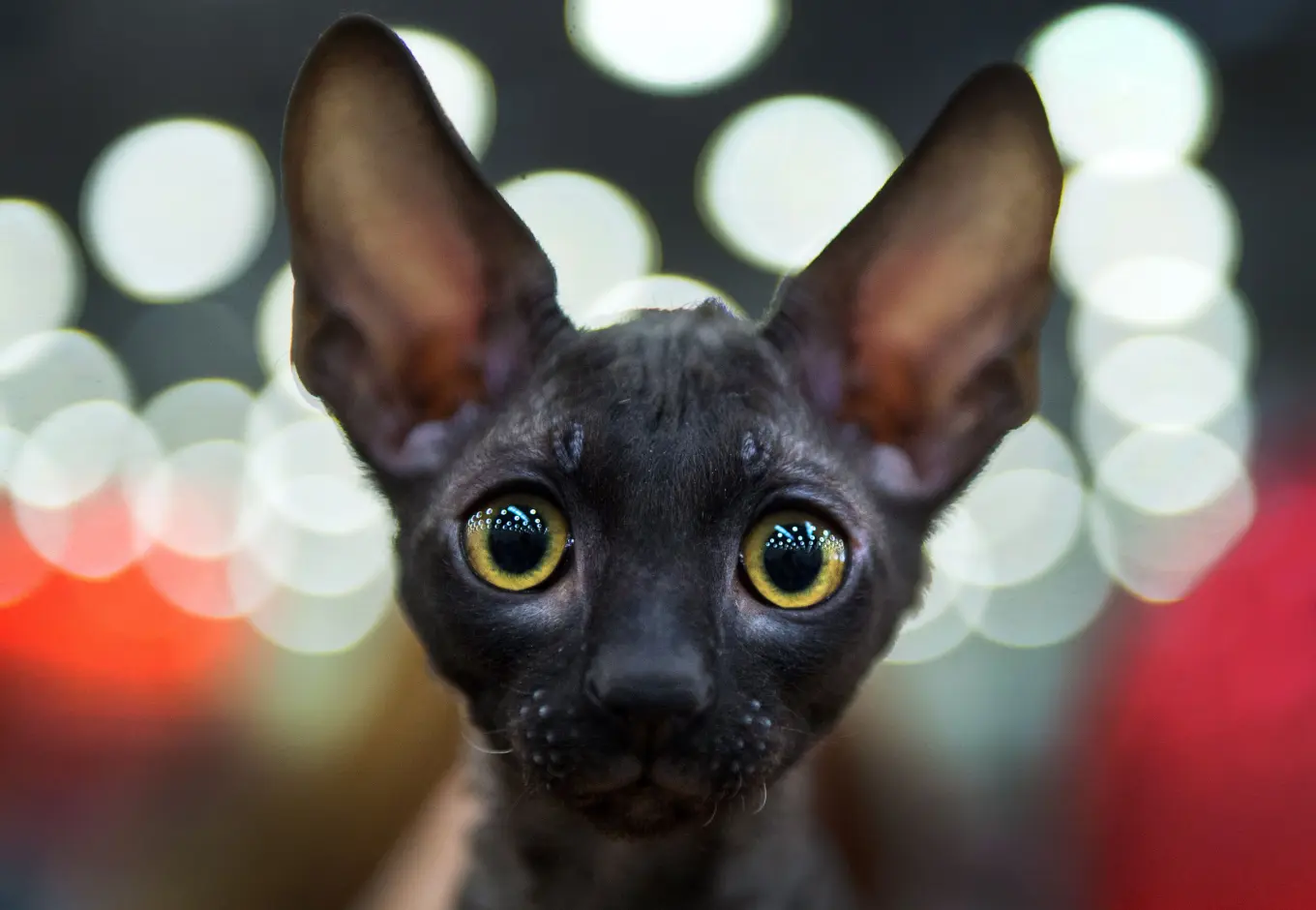
Breeds like Siberian, Balinese, and Sphynx often cause fewer allergies due to lower allergen levels in their fur.
What Allergen Causes Cat Allergies?
The main allergen is a protein called Fel d 1, found in cat saliva, skin, and urine.
Can Hypoallergenic Cats Prevent Allergies Completely?
No, hypoallergenic cats reduce allergens but don’t eliminate allergies entirely. Sensitivity levels vary among individuals.
Conclusion
Allergies to cats can vary by breed and individual sensitivity. Some breeds produce fewer allergens, but no cat is completely hypoallergenic. Understanding your own allergy triggers helps in choosing the right pet. Spending time with different cats before deciding is a smart step.
Managing allergies with medication and cleaning can improve your comfort. Loving a cat should not come with constant discomfort. Knowing the facts helps you make a healthy, happy choice for both you and the cat.