

Are you worried about your cats having kittens when you’re not ready? Preventing your cats from breeding is one of the smartest ways to keep them healthy and avoid unexpected litters.
But how do you do it effectively and safely? You’ll discover simple, proven steps that anyone can follow to stop cats from breeding. Whether you have one cat or several, these tips will help you take control and protect your pets—and your home.
Keep reading to learn exactly what you need to do.

Credit: www.gulfanimalhospital.com
Why Control Cat Breeding
Controlling cat breeding is important for many reasons. It helps keep cats healthy and communities safe. Uncontrolled breeding leads to many problems for cats and people. Understanding why control matters helps owners make smart choices.
Impact On Cat Population
Too many cats can cause big problems. Stray cats increase quickly and struggle to find food. Shelters become crowded and cannot help all cats. Controlling breeding stops overpopulation and reduces homeless cats.
Health Risks For Cats
Unplanned kittens may face health risks. Mothers and babies can get sick without proper care. Breeding without control raises chances of diseases and injuries. Spaying or neutering keeps cats healthier for longer.
Benefits For Owners
Controlling breeding makes life easier for owners. No surprise litters to care for or find homes. It lowers vet bills and stress about pets’ health. Owners enjoy calmer, happier cats without breeding issues.
Spaying And Neutering
Spaying and neutering are the best ways to stop cats from breeding. These surgeries help control the cat population and keep pets healthy. Many cat owners choose these procedures to avoid unwanted litters. It also reduces the risk of some health problems and behavioral issues.
When To Schedule Surgery
Most vets suggest spaying or neutering cats at about five to six months old. This age is before cats can have babies. Some vets perform surgery earlier, around eight weeks. Ask your vet for the best time based on your cat’s health and size.
Choosing A Veterinarian
Pick a vet who has experience with cat surgeries. Look for good reviews and clear communication. The vet should explain the procedure and answer your questions. Choose a place that keeps cats calm and safe during surgery.
Post-surgery Care
After surgery, keep your cat indoors and quiet. Give pain medicine if the vet prescribes it. Check the surgery site daily for swelling or redness. Avoid letting your cat lick or bite the area. Follow all vet instructions to help your cat heal fast.
Managing Outdoor Access
Managing outdoor access is a key step in preventing cats from breeding. Controlling where and when cats go outside limits their chances to meet other cats. This reduces the risk of unwanted litters. Keeping cats safe outdoors also protects them from accidents and diseases.
Keeping Cats Indoors
Keeping cats indoors stops them from finding mates outside. Indoor cats live longer and healthier lives. Provide toys and playtime to keep them happy inside. Make a cozy space near a window for watching outside. This reduces their urge to escape.
Safe Outdoor Spaces
Create safe outdoor areas for cats to enjoy fresh air. Use cat-proof fences or enclosures to keep them contained. These spaces prevent contact with stray or unneutered cats. Add plants and shade for comfort. Outdoor safety keeps cats secure and calm.
Supervised Outdoor Time
Supervised outdoor time means watching cats closely outside. Use a harness and leash for control. This allows fresh air and exercise without risks. Supervision stops cats from roaming and breeding. It also helps spot dangers early.

Credit: petyaari.com
Behavioral Control Techniques
Behavioral control techniques help manage cats’ breeding instincts without surgery. These methods focus on understanding and changing your cat’s natural behaviors. They require patience and close attention to your cat’s signals. These techniques reduce the chances of unwanted litters effectively.
Recognizing Heat Cycles
Female cats go into heat every few weeks. Signs include loud meowing and restlessness. You may see your cat rubbing her body on furniture. She might also raise her hindquarters when touched. Knowing these signs helps you act quickly to prevent mating. Keep a close eye during these times.
Reducing Mating Triggers
Keep your cat indoors during heat cycles to avoid males. Limit her exposure to male cats nearby. Use toys and playtime to distract her from mating urges. Create a calm and safe environment to lower stress. Avoid letting your cat outside unsupervised.
Using Deterrents
Some smells can discourage cats from mating behaviors. Citrus scents often work as natural deterrents. Use sprays or place citrus peels near windows and doors. Avoid harsh chemicals that may harm your cat. Gentle deterrents help reduce mating chances without stress.
Alternative Birth Control Methods
Alternative birth control methods offer options beyond surgery to prevent cats from breeding. These methods can help control your cat’s reproductive cycle safely. They are useful for pet owners who prefer non-surgical choices. Understanding these options helps you make informed decisions for your cat’s health.
Hormonal Treatments
Hormonal treatments use medicine to stop cats from going into heat. They work by controlling hormones that trigger breeding behavior. These treatments can be given as injections or pills. They may prevent pregnancy for a short time or longer, depending on the type. Hormonal treatments do not cause permanent sterility.
Pros And Cons
Hormonal treatments can quickly stop heat cycles. They may be less expensive than surgery at first. Some cats tolerate them well with few side effects. But hormonal treatments can cause health risks over time. Risks include infections, weight gain, or changes in behavior. They do not fully prevent future heat cycles or pregnancy. Repeated use may lead to serious health problems.
Consulting Your Vet
Always talk to your vet before starting any birth control. Your vet can explain the best options for your cat’s needs. They help weigh benefits and risks of hormonal treatments. Your vet can also suggest safer or permanent alternatives. Regular check-ups are important if using hormonal birth control. Professional advice ensures your cat’s health and well-being.
Preventing Unplanned Litters
Preventing unplanned litters is important for every cat owner. It helps reduce the number of homeless kittens. It also keeps your cats healthy and safe. Simple steps can stop cats from breeding without surgery. These methods work well at home and in communities.
Separating Male And Female Cats
Keep male and female cats in different rooms. This reduces chances of mating. Make sure they cannot see or smell each other. Use separate feeding areas and litter boxes. This helps stop attraction between cats. Separation is an easy and effective step.
Monitoring Cat Interactions
Watch your cats when they are together. Look for signs of mating behavior. Stop interactions quickly if mating starts. Do not leave cats alone for long periods. Supervision lowers chances of unplanned litters. It also helps notice health or behavior changes.
Community Awareness
Talk to neighbors about spaying and neutering cats. Share information about preventing unplanned litters. Support local programs for cat health and control. Encourage others to keep cats separated by gender. Community effort reduces stray cat populations. It creates a safer environment for all cats.
Supporting Stray And Feral Cats
Supporting stray and feral cats is key to reducing unwanted litters. These cats live outdoors and often lack care. They can quickly increase in number without help. Communities must act wisely to control their breeding.
Trap-neuter-return Programs
Trap-Neuter-Return (TNR) programs catch stray cats safely. After trapping, cats get spayed or neutered. This stops them from having kittens. Once healed, cats go back to their spot. TNR helps lower cat populations humanely. It also reduces fighting and noise from mating cats.
Feeding And Shelter Strategies
Providing food and shelter keeps stray cats healthy. Feeding in one place helps monitor the cats. Shelters protect cats from harsh weather. Healthy cats are less likely to roam far. This limits spread and helps control breeding. Feeding should be regular but controlled to avoid attracting more cats.
Reducing Breeding In The Community
Educating neighbors about spaying and neutering is vital. Sharing facts reduces myths and fears. Communities can support clinics offering low-cost services. Volunteers can help trap and care for cats. Together, these efforts slow down breeding. A community united can protect cats and reduce overpopulation.
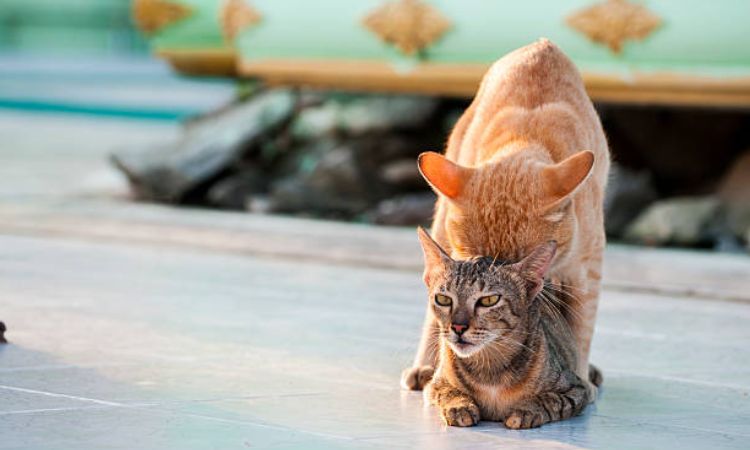
Credit: nexus-pets.com
Frequently Asked Questions
How Can I Stop My Cat From Breeding Naturally?
The best way to prevent natural breeding is spaying or neutering your cat. This surgery stops reproduction and reduces stray populations.
When Is The Best Time To Spay Or Neuter Cats?
Cats should be spayed or neutered between 4 to 6 months old. Early surgery ensures they don’t enter heat or impregnate others.
Are There Non-surgical Options To Prevent Cat Breeding?
Hormonal treatments exist but are less safe and effective. Spaying or neutering remains the most reliable method to prevent breeding.
How Does Indoor Living Affect Cat Breeding Chances?
Keeping cats indoors limits their access to mates. Indoor cats have a lower chance of unwanted pregnancies and reduce stray risks.
Conclusion
Preventing cats from breeding helps control pet populations. Spaying or neutering remains the most effective method. Keep your cat indoors to avoid unwanted mates. Regular vet visits ensure your cat stays healthy. Responsible pet care reduces stray cat numbers. Taking these steps protects your cat and community.
Small actions lead to big positive changes. Start today to help keep cats safe and happy.