
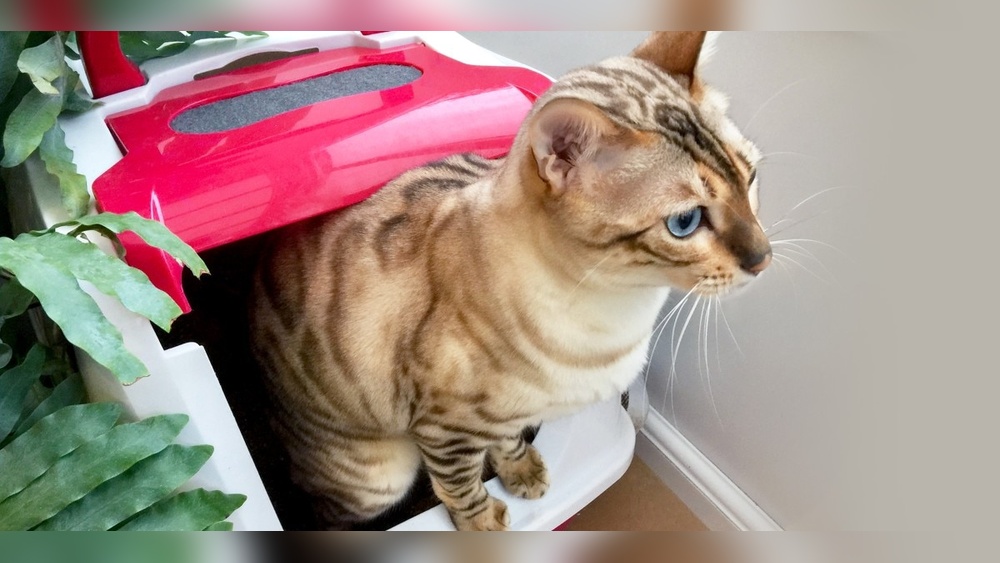
Is your cat suddenly ignoring the litter box? It can be frustrating when your furry friend starts having accidents around the house.
But don’t worry—you can fix this. Re potty training your cat is easier than you think, and with the right approach, you’ll have your cat using the litter box reliably again in no time. Keep reading, and you’ll discover simple, effective steps to get your cat back on track.
Your home—and your peace of mind—will thank you.

Credit: www.wikihow.com
Signs Your Cat Needs Retraining
Noticing your cat avoiding the litter box signals a need for retraining. Cats usually stick to their habits. So, sudden changes in bathroom behavior mean something is off. Catching these signs early helps fix the problem faster. Watch your cat closely for clues.
Behavioral Changes To Watch For
Your cat may start urinating outside the box. Or scratching in odd places instead of the litter. Sometimes, cats hide or become restless near the box. They might meow more or act anxious. These shifts in behavior suggest discomfort or confusion. Pay attention to any new patterns around bathroom time.
Common Causes Of Litter Box Issues
Illness can make cats avoid the litter box. Pain or bladder infections cause sudden accidents. Stress from moving or new pets also disrupts habits. Dirty or small litter boxes drive cats away. Changes in litter type may confuse them. Understanding causes helps choose the right retraining steps.
Choosing The Right Litter Box
Choosing the right litter box plays a big role in re-potty training a cat. Cats feel more comfortable using a box that fits their needs. The right litter box can help reduce accidents and stress. It encourages your cat to use the toilet area properly again.
Size And Accessibility
Pick a litter box that suits your cat’s size. A box too small can make your cat avoid it. Make sure your cat can easily get in and out. Older cats or those with health issues need low-entry boxes. Place the box in a quiet, easy-to-reach spot. This helps your cat feel safe and relaxed.
Types Of Litter Boxes
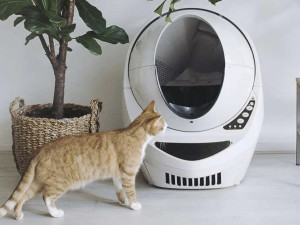
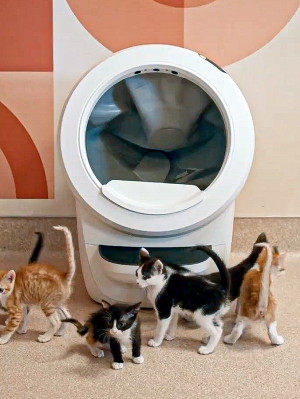
There are many kinds of litter boxes to choose from. Open boxes give your cat plenty of space. Covered boxes offer privacy but may trap odors. Self-cleaning boxes save time but can scare shy cats. Consider your cat’s personality and habits. Choose a box your cat will feel comfortable using.
Selecting The Best Cat Litter
Choosing the right cat litter plays a big role in re potty training a cat. Cats can be picky about their litter. The wrong type may cause accidents or refusals. Picking the best cat litter helps your cat feel comfortable and clean. It also keeps your home fresh and odor-free.
Material Options
Cat litter comes in many materials. Clay litter is common and clumps well. It is easy to scoop but dusty. Silica gel crystals absorb moisture and control smell. They last longer but cost more. Natural litters use corn, wheat, or pine. These are eco-friendly and less dusty. Some cats prefer soft, fine textures. Others like coarse or grainy types. Try different materials to find what your cat likes best.
Scented Vs Unscented
Scented litters mask odors with fragrances. Some cats dislike strong smells and avoid the box. Unscented litters have no added fragrance. They smell more natural and cause fewer allergies. Unscented types allow you to notice real odors. This helps keep the litter box clean. Choose unscented litter for sensitive cats. Scented options might work for homes with many cats. Always watch how your cat reacts to scented litter.
Credit: www.kinship.com
Cleaning And Maintenance Tips
Keeping the litter box clean is key for successful re-potty training. Cats are very sensitive to smells and dirt. A clean box encourages them to use it regularly. It also prevents accidents around the house.
Regular cleaning helps stop bad odors and keeps your home fresh. It also protects your cat’s health by reducing germs and bacteria. Follow these simple tips for proper cleaning and maintenance.
Proper Cleaning Techniques
Always wear gloves when cleaning the litter box. Dump out all the old litter into a trash bag. Use warm water and mild soap to wash the box. Avoid strong chemicals that can scare your cat. Rinse the box well to remove all soap. Dry the box completely before adding new litter. This prevents clumping issues and keeps the box fresh.
Frequency Of Cleaning
Scoop waste at least once a day. This keeps the box tidy and smell-free. Change all the litter and clean the box fully once a week. More frequent cleaning helps if you have multiple cats. Monitor your cat’s behavior to adjust cleaning times. A clean box makes re-potty training easier and faster.
Step-by-step Retraining Process
Retraining a cat to use the litter box takes patience and care. This step-by-step process helps your cat learn good habits again. Follow clear actions to make the change smooth. Consistency is key for success.
Setting Up A Controlled Environment
Start by limiting your cat’s space to a small room. This helps the cat focus on the litter box. Remove old litter boxes from other areas. Place one clean litter box in the room. Make sure the box is easy to access. Choose a quiet spot with low traffic. Keep food and water bowls away from the box.
Positive Reinforcement Strategies
Reward your cat with gentle praise or treats after using the litter box. Use calm, happy tones to encourage your cat. Avoid scolding or punishment. Cats respond better to kindness. Repeat rewards every time the cat uses the box. This builds a positive connection with the litter box.
Handling Accidents Calmly
Accidents happen during retraining. Clean messes quickly with a pet-safe cleaner. Avoid strong smells like ammonia. Never punish or yell at your cat. This can cause fear or stress. Stay calm and patient. Guide your cat back to the litter box gently. Keep a routine to help your cat learn faster.
Credit: www.kinship.com
Addressing Medical And Behavioral Issues
Re-potty training a cat can be tricky if there are hidden problems. Medical and behavioral issues often cause cats to avoid the litter box. Understanding these problems helps you find the right solution. This section explains when to seek veterinary help and what behavioral therapies can assist your cat.
When To Consult A Veterinarian
Watch for signs like blood in urine, frequent urination, or pain. These symptoms may signal urinary tract infections or kidney problems. Cats with health issues often stop using their litter box. A vet can diagnose the problem with tests and exams. Treating health problems usually improves litter box habits. Do not delay veterinary visits if your cat shows unusual behavior.
Behavioral Therapy Options
Stress, anxiety, or changes in the home can cause litter box refusal. Behavioral therapy helps reduce stress and rebuild good habits. Use positive reinforcement when your cat uses the box correctly. Create a calm environment with quiet, private litter box areas. Sometimes, a behaviorist may suggest pheromone diffusers or calming sprays. Consistency and patience are key during behavioral training. Small steps lead to lasting changes in your cat’s behavior.
Preventing Future Problems
Preventing future problems in re-potty training helps keep your cat happy and your home clean. Cats thrive on habits. Consistency builds good bathroom behavior. Small changes can lead to lasting success. Focus on steady routines and gentle encouragement.
Establishing A Routine
Set regular times for your cat to use the litter box. Cats feel safe with a schedule. Feed your cat at the same times daily. This helps predict bathroom needs. Take your cat to the box after meals and naps. Watch for signs your cat needs to go. Praise your cat when it uses the box. A calm and quiet spot for the box works best. Clean the box daily to keep it fresh. Routine reduces accidents and stress.
Encouraging Consistent Litter Box Use
Choose a litter your cat likes. Avoid strong scents or harsh textures. Place the box in a quiet, easy-to-reach area. Avoid noisy or busy places. Keep the box clean by scooping daily. Replace litter fully once a week. If accidents happen, clean spots with an enzyme cleaner. This removes smells that attract cats back. Reward your cat with gentle petting or treats. Encourage your cat to use the box every time. Patience and kindness help build trust and good habits.
Frequently Asked Questions
How Long Does Re-potty Training A Cat Take?
Re-potty training a cat usually takes 1 to 3 weeks. Consistency and patience are key. Monitor progress and adjust methods as needed. Each cat adapts differently, so timelines may vary.
What Are Common Mistakes During Re-potty Training?
Common mistakes include inconsistent routines, dirty litter boxes, and using harsh punishments. Avoid sudden litter changes. Always reward positive behavior. These mistakes can confuse cats and delay training.
How To Choose The Right Litter For Re-potty Training?
Choose unscented, clumping litter with a texture your cat prefers. Avoid dusty or strongly scented litters. Clean the box regularly to encourage use. Test different litters to find the best fit.
Can Stress Affect A Cat’s Potty Training?
Yes, stress can cause accidents and regression in potty habits. Identify and reduce stressors like new pets or environment changes. Use calming sprays or pheromones to help your cat adjust.
Conclusion
Re potty training a cat takes patience and consistency. Keep the litter box clean and easy to access. Reward your cat for using the right spot. Watch your cat’s behavior and adjust as needed. Stay calm; accidents will happen sometimes.
With time, your cat will learn again. Trust the process and be gentle. Your efforts will lead to a happy, well-trained cat.