

Have you ever wondered if your cat’s breed affects how it behaves? Maybe you’ve noticed your feline friend is playful, shy, or curious, and you’re curious if that’s tied to their breed.
Understanding your cat’s personality can help you connect better and create a happier home for both of you. You’ll discover how different cat breeds can have unique traits and what that means for your relationship. Keep reading to find out which breed might match your lifestyle and how to bring out the best in your furry companion.
Cat Breeds And Personality Traits
Cats come in many breeds, each with its own look and personality. Knowing these traits helps owners find cats that fit their lifestyle. Personality traits in cats can vary widely even within breeds. Still, some breeds tend to share common behaviors and moods.
Understanding these traits helps in building a strong bond with your pet. It also makes living together more enjoyable. Let’s explore common personality types and breed-specific behaviors.
Common Personality Types
Many cats fall into a few main personality groups. Some cats are very social and love attention. Others prefer quiet and alone time. Some cats are playful and curious, always exploring. Calm and gentle cats like to relax and cuddle. Knowing these types can guide your choice of a cat.
Personality types are not fixed. Cats may show traits from more than one group. Each cat is unique, but these types help describe general trends.
Breed-specific Behaviors
Certain breeds often show unique behaviors and traits. Siamese cats are talkative and seek human interaction. Maine Coons are friendly giants who enjoy playtime. Persian cats tend to be calm and enjoy lounging. Bengals are active and love climbing and hunting games.
Breed traits come from genetics and history. These traits affect how cats respond to people and their environment. Knowing breed behaviors helps in understanding and caring for your cat.

Credit: www.youtube.com
Genetics Vs Environment
Cat personalities can be shaped by many things. Two main factors are genetics and environment. Genetics means the traits passed from parents to kittens. Environment means the place and care a cat grows up in. Both affect how cats act and behave.
Role Of Heredity In Behavior
Genes give cats their basic traits. Some breeds are known for being calm or active. For example, Siamese cats often like to talk and be social. Maine Coons tend to be gentle and friendly. These traits come from their family line. Genetics set the starting point for a cat’s personality.
Impact Of Upbringing And Socialization
Where a cat grows up matters a lot. Cats raised with people learn to trust and play. Kittens exposed to other animals often become friendlier. A quiet, safe home helps shy cats feel more confident. Early experiences can change how a cat acts, sometimes more than genes do.
Popular Breeds And Their Traits
Cat breeds differ not just in looks but in how they act. Each breed shows unique habits and moods. Knowing these traits helps you find a cat that fits your lifestyle. Popular breeds have clear and distinct personalities. Their behaviors can make living with them more fun and rewarding.
Here are some well-known breeds and what makes them special in personality.
Siamese And Vocal Nature
Siamese cats are famous for being talkative. They love to chat with their owners. Their voices are loud and clear, demanding attention. These cats enjoy company and dislike being alone. They stay active and playful all day.
Maine Coon’s Gentle Giant Persona
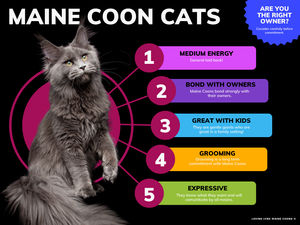
Maine Coons are large but very gentle. They behave calmly around children and pets. These cats are patient and love to cuddle. Maine Coons enjoy quiet times and playful moments equally. Their friendly nature makes them great family pets.
Sphynx And Social Interaction
Sphynx cats crave social interaction and warmth. They are curious and love being the center of attention. These cats often follow owners around the house. They enjoy meeting new people and pets. Their playful and loving nature shines in every moment.
Persian’s Calm Disposition
Persians are known for their calm and quiet nature. They prefer peaceful environments and soft voices. These cats enjoy lounging in cozy spots. Persians bond closely with their owners but stay low-energy. Their gentle temperament suits calm households well.
Credit: catbloomhaven.com
Myths About Breed Personalities
Many people believe that cat breeds come with fixed personalities. They think certain breeds are always shy, playful, or lazy. These ideas create myths that can confuse cat owners and lovers. Personality depends on more than just breed. Understanding these myths helps us see cats as individuals.
These myths often come from stories, movies, or old beliefs. They do not always match reality. Each cat has its own character, shaped by many factors. It is important to look beyond breed labels.
Debunking Stereotypes
People often say Siamese cats are talkative and demanding. Or that Persians are calm and quiet. These are common stereotypes. But not every Siamese is loud. Not every Persian is lazy. Cats have moods and behaviors that vary greatly. Stereotypes can limit how people treat their cats. They might miss out on a cat’s true personality by judging it too soon.
Variability Within Breeds
Even within one breed, cats behave in many ways. Some may be shy while others are bold. Genetics play a role, but environment matters more. How a cat is raised and cared for shapes its personality. Socialization, training, and love make a big difference. Breed alone cannot predict how a cat will act.
How To Choose A Cat Based On Personality
Choosing a cat based on personality helps create a happy home for both. Cats have different temperaments. Some like to play a lot. Others prefer quiet and cuddles. Matching a cat’s personality with your daily life makes care easier. It also builds a stronger bond.
Observe your own habits first. Think about your free time and energy. This way, you pick a cat that fits your lifestyle perfectly.
Assessing Your Lifestyle
Start by thinking about your daily routine. Are you busy or relaxed most days? Active cats need playtime and attention. Quiet cats fit well with calm homes. Consider your family members too. Kids may enjoy energetic cats. Older adults might prefer gentle pets. Your space matters as well. Small apartments suit calm cats. Large homes can house playful cats. Knowing your lifestyle helps narrow down choices.
Meeting Individual Cats
Visit shelters or breeders to meet cats in person. Watch how each cat behaves around you. Some cats come right up for pets. Others hang back and observe. Notice how they react to noise and movement. Friendly cats may purr or nuzzle. Shy cats might hide or stay still. Spend time with a few cats to compare. Trust your feelings about comfort and connection. Every cat has its own unique personality. Meeting them helps find the best match for you.
Credit: www.lovinglynx.com
Training And Adapting Cat Behavior
Training and adapting cat behavior is important for a happy pet and owner. Cats have unique personalities, but they can learn new habits. Understanding how to guide their behavior helps build trust and harmony at home.
Each cat reacts differently to training. Some are quick to learn, while others take time. Patience and consistency are key to shaping good behavior. Positive methods work best and keep cats calm and willing.
Behavioral Flexibility
Cats show different levels of flexibility in behavior. Some breeds adapt easily to new routines or environments. Others may resist change and prefer familiar patterns. Recognizing this helps tailor training approaches.
Behavioral flexibility depends on age, breed, and past experiences. Younger cats often adjust faster than older ones. Breeds like Siamese or Burmese tend to be more social and open. This trait can make training simpler for them.
Tips For Positive Reinforcement
Reward good behavior immediately to help cats learn. Use treats, petting, or praise as rewards. Avoid punishment as it can cause fear or aggression. Positive reinforcement encourages cats to repeat good actions.
Keep training sessions short and fun. Use clear, simple commands and gestures. Repeat tasks often to reinforce learning. Celebrate small successes to motivate your cat. Consistent rewards build strong habits over time.
Frequently Asked Questions
Do Cat Breeds Influence Their Personalities?
Yes, cat breeds often influence personality traits. Some breeds are more affectionate, playful, or independent than others. Genetics and breed history shape typical behavior patterns, but individual cats can vary significantly within a breed.
Are Some Cat Breeds More Social Than Others?
Certain cat breeds like Siamese and Ragdolls tend to be more social and affectionate. Other breeds may be more reserved or independent. Social behavior depends on both breed tendencies and individual cat experiences.
How Do Breed Traits Affect Cat Behavior?
Breed traits impact activity levels, vocalization, and temperament. For example, Bengals are energetic and curious, while Persians are calm and laid-back. Understanding breed traits helps owners meet their cats’ behavioral needs effectively.
Can Mixed Breed Cats Have Distinct Personalities?
Yes, mixed breed cats can have unique personalities combining traits from various breeds. Their behavior is often less predictable but can be equally lovable and diverse compared to purebreds.
Conclusion
Cat breeds often show unique personality traits. Some cats are playful, while others stay calm. Knowing these traits helps choose the right pet. Every cat has its own mood and habits. Personality also depends on environment and care. Spend time with cats to understand them better.
This makes living with a cat more joyful. Different breeds bring different joys to your home. Choose a cat that fits your lifestyle and heart. Enjoy the special bond that grows with time.