

Are you curious about when your male cat will start breeding? Understanding this phase is important if you want to manage your pet’s health and behavior.
Knowing the right time can help you make smart decisions about care, training, and even preventing unwanted litters. You’ll discover the key signs and age when male cats become ready to breed, so you’re fully prepared for what’s ahead. Keep reading to learn everything you need to know about your cat’s breeding timeline.
Credit: www.petco.com
Male Cat Maturity Age
Male cats reach maturity at different times. This age marks when they become capable of breeding. Understanding this helps owners manage their cats better. It also prevents unwanted litters and health issues.
Physical Development Timeline
Male cats usually start growing faster around 4 months old. Their testicles begin to develop and descend. By 6 months, many males reach sexual maturity. Some males may mature a bit earlier or later. Their bodies fill out, muscles become stronger. Full adult size happens around 12 months old. Physical changes signal readiness to breed.
Behavioral Changes
Behavior shifts as male cats mature. They start marking territory with strong scents. Vocalizations become louder and more frequent. Aggression may increase, especially toward other males. Restlessness and roaming behavior can appear. These changes show a drive to find mates. Owners should watch for signs of readiness to breed.

Credit: www.mrnmrspet.com
Signs Of Breeding Readiness
Male cats show clear signs when they are ready to breed. These signs help owners understand their cat’s behavior. Watching for these clues can prevent unwanted litters and help manage your cat better. Breeding readiness often starts around six months of age but can vary by cat.
Territorial Marking
Male cats mark their territory to signal breeding readiness. They spray urine on walls, furniture, and doors. This strong-smelling spray warns other males to stay away. The behavior increases as testosterone levels rise. Marking helps the cat claim space to attract females. It can become more frequent and intense during breeding season.
Vocalization Patterns
Breeding-ready males change their vocal sounds. They often yowl or make loud meows. These sounds aim to call female cats nearby. The vocalization can be continuous and louder than normal. It is a way to show strength and attract mates. Owners may notice their cat is noisier at night during this time.
Breeding Season And Frequency
Male cats start breeding once they reach sexual maturity. This usually happens between six and twelve months of age. Breeding season and frequency depend on many factors. These include the environment and the natural cycles of female cats. Understanding these can help you know when male cats are most active in breeding.
Influence Of Environment
Light and temperature affect a male cat’s breeding behavior. Longer daylight hours signal the start of breeding season. Male cats tend to breed more in spring and summer. Indoor cats may breed year-round due to constant light and warmth. Outdoor cats follow natural seasonal changes more closely. The availability of females also influences breeding frequency.
Typical Breeding Cycles
Male cats can breed anytime after maturity. Yet, they are most active during the female’s heat cycle. Female cats come into heat every two to three weeks during breeding season. Males respond quickly to females in heat. A male cat may mate several times over a few days. This increases the chance of successful breeding.
Credit: www.kinship.com
Health And Breeding
Health plays a big role in male cats starting to breed. Strong health helps cats produce healthy offspring. Breeding without good care can cause problems for both the male cat and his kittens.
Understanding the health needs before breeding keeps your cat safe. It also helps prevent passing diseases to the female and the babies. Careful attention to health makes breeding better for everyone.
Importance Of Vaccination
Vaccination protects male cats from many diseases. These illnesses can affect their ability to breed. Common vaccines include those for feline leukemia and rabies. Healthy cats have a better chance of successful breeding. Vaccines also stop the spread of infections to others.
Common Breeding Health Issues
Breeding males may face health problems like infections and parasites. Some may have reproductive issues such as low sperm count. These problems reduce fertility and affect kittens’ health. Regular check-ups help catch problems early. Treating issues quickly keeps breeding safe and effective.
Managing Breeding Behavior
Managing breeding behavior in male cats is important for a peaceful home. Male cats often start showing breeding behaviors as early as five to six months old. These behaviors can include spraying, loud yowling, and roaming. Managing these actions helps keep your cat calm and your home clean.
Neutering Benefits
Neutering male cats reduces hormone-driven behaviors. It lowers the urge to spray and roam. Neutered cats are less likely to fight with other cats. This also helps reduce unwanted kittens. Neutering improves your cat’s health and lifespan.
Behavioral Training Tips
Train your cat with gentle commands and rewards. Use toys to distract from breeding behaviors. Provide a safe and comfortable space for your cat. Keep your cat indoors to prevent roaming. Patience and consistency are key in training.
Owner Responsibilities
Owning a male cat that is ready to breed brings important duties. Responsible owners help keep their cats healthy and safe. Knowing what to do supports your cat’s well-being and the health of future kittens.
Providing Proper Nutrition
Male cats need good food to grow strong. Feeding high-quality cat food helps maintain their energy. Protein is key for muscle and reproductive health. Avoid overfeeding to prevent obesity. Fresh water must always be available for hydration.
Ensuring Safe Environment
Keep your cat in a secure area to prevent accidents. Outdoor access should be limited or supervised. Protect your cat from fights with other animals. Clean living spaces reduce risks of infections. A calm, stress-free place supports healthy behavior and breeding readiness.
Frequently Asked Questions
When Do Male Cats Reach Breeding Age?
Male cats typically start breeding at around 6 to 12 months old. This varies by breed and health. Early maturity means they can father kittens as soon as they are sexually active.
How Can You Tell If A Male Cat Is Ready To Breed?
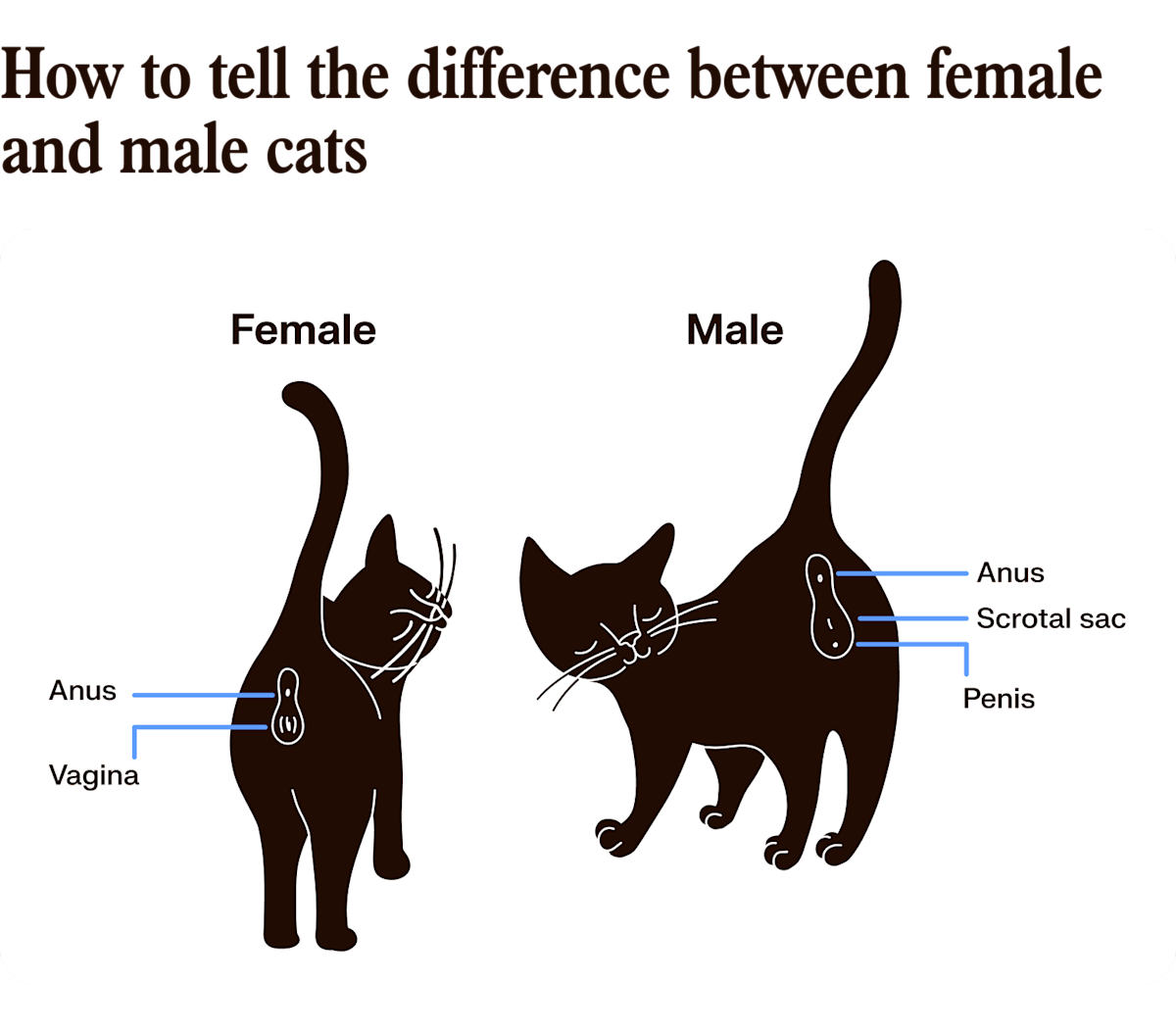
Signs include increased territorial marking, roaming behavior, and mounting attempts. Physically, testicles become more prominent. These signs show sexual maturity and readiness for breeding.
Does Neutering Affect A Male Cat’s Breeding Ability?
Yes, neutering stops sperm production and eliminates breeding ability. It also reduces aggressive and territorial behaviors linked to mating instincts.
At What Age Should Male Cats Be Neutered?
Veterinarians recommend neutering male cats between 4 to 6 months old. Early neutering prevents unwanted litters and reduces behavioral issues related to breeding.
Conclusion
Male cats usually start breeding around six to nine months old. Their hormones become active, making them interested in females. Early breeding can lead to unwanted kittens and health risks. Responsible pet owners should consider neutering to control the cat population.
Understanding when male cats start breeding helps in planning proper care. Keep your cat safe and healthy by knowing these key facts. Breeding age affects behavior and health, so stay informed. Simple steps can make a big difference for your pet’s well-being.