
Have you ever noticed your cat’s tail hanging low and wondered if it means something special? You might be surprised to learn that some cat breeds naturally keep their tails down more often than others.
Understanding why this happens can help you read your feline friend’s mood better and strengthen your bond. Keep reading to discover which breeds tend to hold their tails down and what it really means for your cat’s behavior.
Credit: mykitten.in
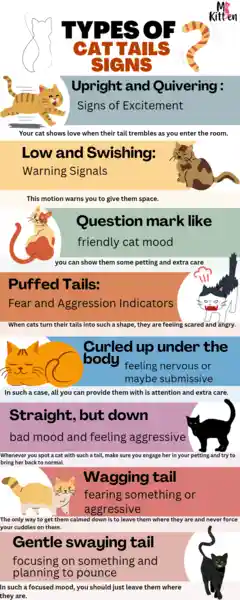
Tail Positions And Cat Behavior
Cat tails say a lot about what they feel. Watching tail positions helps us understand cats better. Different tail moves show many moods and thoughts. This is true for all cat breeds, not just some.
Tail positions connect with a cat’s behavior. They signal comfort, fear, or curiosity. Paying attention to tails helps owners know their cats’ needs.
What Tail Positions Mean
A tail held high often shows confidence and happiness. Cats raise tails when they greet friends or feel safe. A straight-up tail means a friendly mood.
A tail down can mean different things. Sometimes it shows shyness or nervousness. Other times, the cat is just relaxed and calm.
A tail tucked between legs signals fear or submission. Cats use this to avoid trouble or danger. Flicking tails show irritation or excitement.
How Tails Reflect Mood
A slowly moving tail usually means the cat is calm. Gentle sways can show contentment or mild interest.
A fast, twitching tail means the cat is annoyed. This signals a warning to back off. Tail thrashing often shows anger or frustration.
A puffed-up tail means the cat feels scared or threatened. It tries to look bigger to protect itself.
Watching tail positions helps read a cat’s feelings clearly. This skill improves the bond between cats and owners.
Breeds Known For Low Tail Carriage
Some cat breeds naturally carry their tails low. This trait often links to their body shape or genetic traits. Low tail carriage can mean the tail hangs close to the body or curls downward. Understanding these breeds helps cat owners know more about their pets’ behavior and health.
Scottish Fold And Tail Posture
Scottish Folds often hold their tails low. Their unique folded ears also affect body posture. The tail usually stays close to the ground or curves gently. This low tail position matches their calm and relaxed nature. It is a natural part of their look, not a sign of illness.
Manx Cats And Tail Variations
Manx cats show many tail styles, from no tail to short tails. Some have tails that rest low or are completely absent. This breed’s genetic mutation causes these tail differences. Manx cats with tails often carry them near their bodies. This low carriage suits their strong, muscular build.
Other Breeds With Drooping Tails
Some other breeds also display low tail carriage. The Burmese and the Japanese Bobtail sometimes carry their tails low. This trait varies between individual cats. In these breeds, low tails add to their unique charm. Tail position can reflect mood but also breed characteristics.
Genetics And Tail Structure
The way a cat carries its tail often links to its genetics and tail build. Different breeds show various tail positions and movements. This happens because of inherited traits and physical tail differences.
Understanding tail length, shape, and genetic factors helps explain why some cats keep their tails down. These traits affect balance, communication, and even mood signals.
Tail Length And Shape Differences
Cat tails vary greatly in length and shape. Some breeds have long, slender tails. Others have short or fluffy tails. Tail shape affects how cats move and hold their tails.
For example, the Manx breed often has a very short or no tail. This changes their tail position and how they express emotions. Tail length can also influence a cat’s balance and agility.
Genetic Mutations Affecting Tails
Genetic mutations can cause unusual tail traits in cats. Some mutations shorten the tail or change its shape. These genes pass down through generations in certain breeds.
The Japanese Bobtail is a good example. It has a naturally short, kinked tail due to a genetic mutation. This mutation affects tail movement and how the cat holds its tail.
Mutations can also cause some cats to keep their tails down more often. This behavior links to the tail’s physical structure and comfort.

Credit: www.aol.com
Health Factors Influencing Tail Position
Tail position in cats can signal many things about their health. Some cats keep their tails down due to health issues. Understanding these health factors helps owners notice problems early. This knowledge supports timely care and better cat well-being.
Injuries And Tail Drooping
Injuries often cause a cat to hold its tail down. Tail fractures or bruises make movement painful. Cats avoid lifting their tails to reduce discomfort. Tail injuries may result from falls or fights. Swelling or bleeding near the tail is a clear sign. Prompt vet visits are important to prevent further damage.
Neurological Conditions
Neurological issues can also affect a cat’s tail position. Nerve damage may cause weakness or paralysis in the tail. Some cats lose control over their tail muscles. This leads to a drooping or limp tail look. Conditions like spinal problems or infections might be the cause. Early diagnosis improves the chance of recovery.
Behavioral Reasons For Tail Down
Many cat breeds hold their tails in different ways. Tail position shows how a cat feels. Sometimes, a cat keeps its tail down for certain reasons. These reasons often relate to the cat’s mood or behavior. Understanding tail signals helps you know your cat better. Below are common behavioral reasons why cats keep their tails down.
Fear And Anxiety Indicators
A cat’s tail down often means it feels scared or anxious. When a cat faces a threat, it lowers its tail to protect itself. The tail might also tuck close to the body. This shows the cat wants to appear smaller and less noticeable. Cats may also hide or freeze in place. Tail down is a clear sign of nervousness or fear in cats.
Relaxation And Resting Tails
Sometimes cats keep their tails down when they are calm or resting. A relaxed cat may let the tail hang loosely. This shows the cat feels safe and comfortable. The tail might gently move or stay still. Cats do not always hold their tails up when calm. A tail down can simply mean the cat is at ease.
Credit: www.embracepetinsurance.com
How To Read Your Cat’s Tail Signals
Understanding your cat’s tail signals helps you know their feelings. Cats use their tails to talk without words. Their tail position and movement show moods like happiness, fear, or anger. Watching these signals can improve your bond with your pet. Here is how to read your cat’s tail signals clearly.
Context Matters
Always watch the situation around your cat. A tail down can mean different things. Sometimes it shows fear or submission. Other times, it means the cat is relaxed or tired. The environment changes the meaning. Is your cat near strangers or in a quiet room? These details help you understand the signal.
Combining Tail With Other Body Language
Look at the whole body, not just the tail. Ears, eyes, and posture tell a bigger story. A tail down with wide eyes and flattened ears shows fear. A tail down with relaxed eyes means calmness. Tail flicks with a tense body suggest irritation. Use all clues to read your cat’s true feelings.
Frequently Asked Questions
Do Certain Cat Breeds Keep Their Tails Down More Often?
Yes, some breeds like the Scottish Fold and Burmese often hold their tails down. This behavior relates to their temperament and genetics. Tail position can indicate mood and breed-specific traits. Understanding these helps interpret a cat’s emotions better.
Why Do Some Cats Keep Their Tails Down?
Cats may keep tails down when feeling anxious, submissive, or cautious. Breed traits also influence tail posture. A lowered tail can signal discomfort or uncertainty. Observing tail position aids in understanding feline behavior and emotional state.
Does A Cat’s Tail Position Vary By Breed?
Yes, tail carriage varies by breed and individual personality. Some breeds naturally carry tails low due to genetics. Tail posture reflects both breed characteristics and current mood. Knowing breed tendencies improves cat behavior interpretation.
Can A Cat’s Tail Position Indicate Health Issues?
A persistently lowered tail might signal pain or injury in cats. Tail position changes can indicate discomfort or illness. If unusual tail posture persists, consult a vet for health assessment. Early detection helps ensure cat well-being.
Conclusion
Cat tail positions can tell us a lot about their mood. Some breeds tend to keep their tails down more often. This behavior depends on personality and breed traits. Watching your cat’s tail helps you understand their feelings better. Remember, each cat is unique and shows emotions differently.
Pay close attention to your pet’s body language. This way, you build a stronger bond and keep your cat happy. Tail posture is just one clue in the big picture of cat behavior. Stay curious and enjoy learning from your furry friend.