
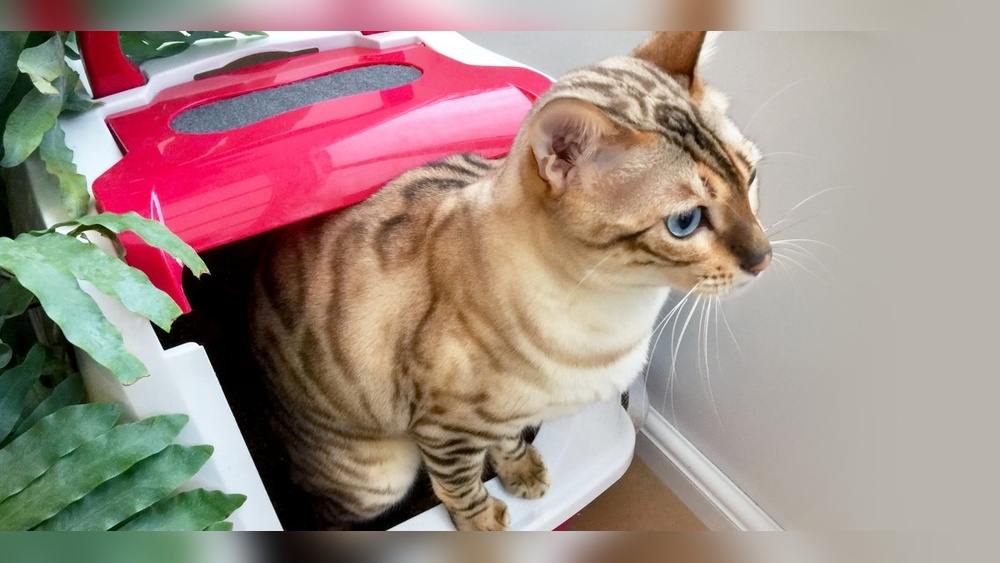
Are you wondering how old your cat should be before you start potty training? It’s a common question for many cat owners who want a clean home and a happy pet.
Knowing the right time to begin can make all the difference in success and frustration. You’ll discover the best age to start potty training your cat and simple tips to make the process easier for both of you. Keep reading to learn how to help your furry friend master this important skill quickly and smoothly.
Credit: catloversden.com
Ideal Age To Start
Potty training a cat is a process that needs patience and timing. Starting at the right age helps your cat learn faster and with less stress. Knowing when your cat is ready makes training smoother. This section explores the best age to start potty training your cat.
Kittens Vs Adult Cats
Kittens are easier to train than adult cats. Their young brains adapt quickly to new habits. Most experts suggest starting potty training around 8 weeks old. At this age, kittens begin to explore and learn from their environment.
Adult cats can learn too, but it takes longer. Some adults resist change because of old habits. Patience and consistency become very important with grown cats. Training adult cats may need more time and effort.
Signs Your Cat Is Ready
Watch your cat’s behavior for clues. A cat ready for potty training will show interest in the litter box. It may start digging or scratching in similar places. The cat will also try to hide when it needs to go.
Another sign is your cat’s control over its bladder. If it can hold its urine for a few hours, it is ready. Your cat may also follow you around, signaling trust and readiness to learn.
Choosing The Right Litter Box
Choosing the right litter box is key to teaching your cat good bathroom habits. The right box makes your cat feel safe and comfortable. This helps them learn faster and reduces accidents.
Think about your cat’s size and personality. A good litter box fits their needs and space in your home. Small details can make a big difference in training success.
Size And Type
Pick a litter box that is large enough for your cat to move freely. Cats like to turn around and dig. A small box can feel cramped and stop them from using it.
Open boxes work well for most cats. They offer easy access and good ventilation. Covered boxes keep smells in but some cats feel trapped inside. Watch how your cat reacts.
For kittens, choose a shallow box. It helps them climb in and out easily. As they grow, upgrade to a bigger box.
Location Matters
Place the litter box in a quiet, private spot. Cats avoid noisy or busy areas. A calm place helps them relax and use the box without fear.
Keep the box away from food and water bowls. Cats do not like to eat near their bathroom. Separate these areas clearly.
Make sure the box is easy to find. If your cat can’t find it, accidents happen. Keep it in a consistent location during training.
Selecting The Best Litter
Choosing the right litter plays a big role in potty training your cat. Cats prefer certain textures and smells. The right litter makes them feel comfortable and encourages good habits. It also keeps your home clean and odor-free. Understanding different litter types helps you pick the best one for your cat’s needs.
Material Options
Cat litter comes in many materials. Clay litter is common and absorbs well. Clumping clay forms solid clumps for easy cleaning. Natural options include corn, wheat, and pine. These are biodegradable and gentle on paws. Silica gel crystals trap moisture and odors. Each material has pros and cons. Choose one that fits your cat’s preference and your cleaning routine.
Scented Vs Unscented
Scented litter masks bad smells with fragrances. Some cats dislike strong scents and avoid the litter box. Unscented litter is neutral and less likely to bother your cat. It helps you notice if the litter needs changing. For sensitive cats, unscented litter is usually better. It keeps the litter box inviting and fresh without overpowering smells.

Credit: www.wikihow.com
Step-by-step Training Process
Training a cat to use the litter box takes patience and clear steps. Cats learn best with a simple routine. Follow these steps to help your cat feel comfortable and confident. Consistency is key in every part of the training process.
Introducing The Litter Box
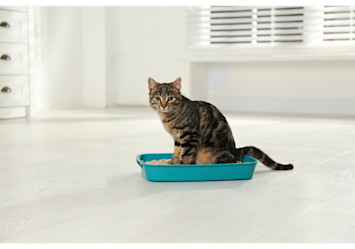
Place the litter box in a quiet, easy-to-find spot. Avoid noisy or busy areas. Show your cat where the box is right away. Let your cat explore the box without pressure. Use a clean, unscented litter to start. Keep the box uncovered for easy access. This helps the cat feel safe and in control.
Encouraging Use
Gently place your cat in the litter box after meals and naps. Praise or softly pet your cat when it uses the box. Avoid scolding or punishment for accidents. Use treats to reward good behavior. Keep the box clean by scooping daily. A clean box invites the cat to return.
Dealing With Accidents
Accidents are normal during training. Clean accidents with an enzyme cleaner to remove odors. Avoid ammonia-based cleaners that may attract cats. Never punish your cat for accidents. Instead, guide them back to the litter box. Watch for signs your cat needs to go. Increase litter box access if needed.
Common Challenges
Potty training a cat can be tricky. Many cat owners face common challenges during this process. Understanding these issues helps make training smoother. Patience and gentle guidance are key.
Avoiding Fear And Stress
Cats are sensitive creatures. Loud noises or sudden changes cause fear. Stress can stop a cat from using the potty box. Always create a calm and quiet space for training.
Use soft voices and gentle touches. Never punish a cat for accidents. Fear makes cats hide or avoid the litter box. Keep the box clean and in a safe spot.
Handling Refusal To Use Box
Some cats refuse the litter box at first. This refusal can happen for many reasons. The box might be dirty or in a busy area. Try moving it to a quiet corner.
Use litter that your cat likes. Experiment with different types to find the best one. Reward your cat with treats or praise when it uses the box. Be patient and keep trying.
Credit: www.embracepetinsurance.com
Maintaining Good Habits
Maintaining good habits is key to keeping your cat well-trained. Consistency helps your cat understand what you expect. It also prevents problems like accidents outside the litter box. Good habits create a clean and happy home for both of you.
Cleaning Routine
Clean the litter box every day. Cats dislike dirty spaces for their bathroom. Use mild soap and water to wash the box weekly. Avoid strong smells that can scare your cat. Keep the litter box in a quiet, easy-to-find spot. Regular cleaning keeps your cat healthy and comfortable.
Positive Reinforcement
Praise your cat when it uses the litter box. Use soft words and gentle petting. Treats can help your cat feel happy about good behavior. Avoid punishment if your cat makes mistakes. Positive actions teach your cat what you want. This builds trust and encourages good habits.
Frequently Asked Questions
At What Age Can You Start Potty Training A Cat?
You can start potty training a cat at 8 to 12 weeks old. Kittens are more adaptable at this age. Early training helps them learn proper bathroom habits quickly and reduces accidents.
How Long Does Cat Potty Training Usually Take?
Cat potty training typically takes 2 to 6 weeks. Patience and consistency are key. Some cats learn faster, while others need more time to adjust to new routines.
Can Adult Cats Be Potty Trained Successfully?
Yes, adult cats can be potty trained. It may take longer and require extra patience. Consistent positive reinforcement and a proper setup will improve success chances.
What Tools Help In Potty Training A Cat?
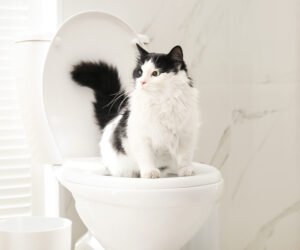
Special cat potty training kits or litter boxes aid training. Training seats and flushable litter can ease the transition. These tools encourage cats to use the designated potty area.
Conclusion
Potty training a cat takes patience and time. Most cats start learning around three to four months old. Begin with small steps and keep routines clear. Praise your cat when it uses the litter box. Stay calm if accidents happen—they are normal.
Each cat learns at its own speed. Consistency helps your cat feel safe and confident. With care, your cat will soon understand the rules. Enjoy the process and celebrate small wins. Potty training builds a stronger bond with your pet.
Keep trying, and success will come.