
If you’re thinking about potty training your cat, you probably want to know one thing first: how long will it actually take? You might be eager to ditch the litter box and enjoy a cleaner home, but the process can feel confusing and even frustrating.
Don’t worry—understanding the timeline and what to expect can make a big difference. You’ll discover how long it typically takes to potty train a cat, plus practical tips to speed up the process and avoid common mistakes. Keep reading, because with the right approach, you and your cat can get there faster than you think.
Cat Potty Training Basics
Potty training a cat takes patience and understanding. It starts with knowing the basics. Cats have natural habits that help with training. Watching your cat closely helps you learn these habits. Every cat is different, so training times vary. Starting with the right steps makes the process smoother.
Why Train Your Cat
Training your cat to use the toilet can save space. It reduces the need for litter boxes. This can cut down on cleaning time and odors. Trained cats also avoid accidents outside their area. It creates a cleaner, healthier home environment. Some cats enjoy the challenge and mental activity.
Signs Your Cat Is Ready
Look for your cat’s interest in the toilet area. They may watch you flush or sit near the toilet. Your cat should be healthy and able to balance well. They should use a litter box consistently. Avoid training if your cat is very young or sick. Patience helps, but readiness is key for success.

Credit: www.reddit.com
Typical Training Timeline
Potty training a cat takes time and patience. The process usually follows a clear timeline. Understanding this timeline helps set the right expectations. Each phase builds on the last to create good habits. Let’s break down the typical training timeline.
Initial Adjustment Phase
This phase lasts about one to two weeks. Cats get used to the new potty setup during this time. They learn where to go and explore their space. Expect your cat to show curiosity and some hesitation. Keep the area clean and quiet. Praise your cat for any correct behavior. This phase sets the foundation for training success.
Consistent Training Period
This period usually takes three to six weeks. Consistency is key in this stage. You guide your cat to use the potty every time. Reward good behavior with gentle praise or treats. Avoid punishment; it can cause fear or confusion. Slowly, your cat will start using the potty regularly. Keep the routine simple and steady.
Expected Challenges
Challenges often arise during training. Some cats may resist the new routine. Accidents might happen, especially early on. Stay calm and clean messes quickly. Distractions or stress can cause setbacks. Patience helps your cat overcome these issues. Adjust your approach if you notice problems. Remember, every cat learns at its own pace.
Effective Training Methods
Effective training methods help cats learn potty habits quickly. Patience and consistency are key. Each cat learns at its own pace. Choosing the right approach makes a big difference. Below are some proven methods to try.
Using A Litter Box
Start with a clean, easy-to-access litter box. Place it in a quiet, low-traffic area. Use a litter your cat prefers. Scoop the box daily to keep it fresh. Show your cat the box often. Praise them when they use it correctly. Replace or add more boxes if needed.
Transitioning To A Toilet
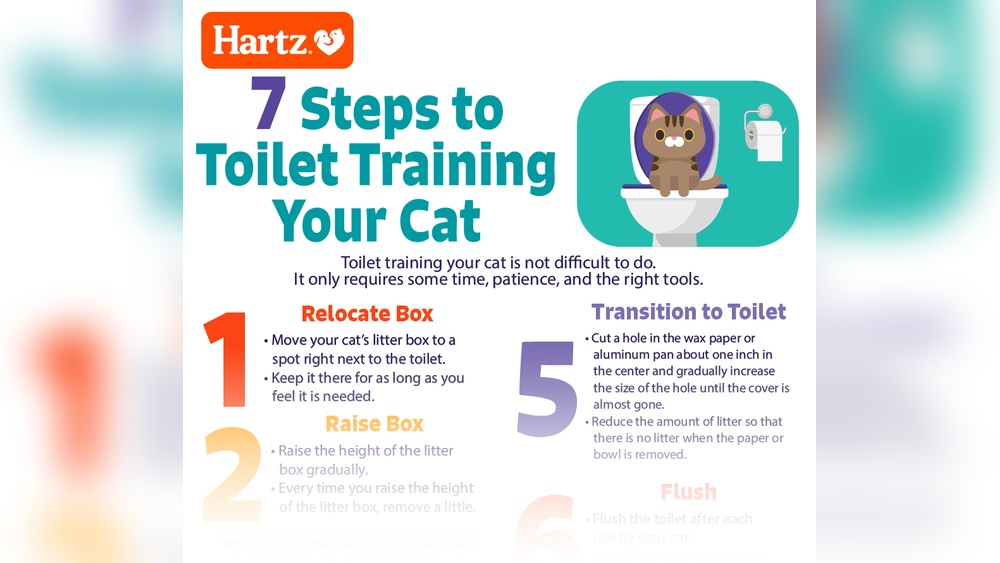
Toilet training takes time and patience. Begin by moving the litter box closer to the toilet. Gradually raise the box height over days. Switch to a special training seat on the toilet. Reduce litter inside the seat slowly. Reward your cat for every success. Watch for signs of stress or resistance.
Positive Reinforcement Techniques
Praise your cat with gentle words and pets. Offer small treats as rewards after success. Use clicker training if your cat responds well. Avoid punishment or harsh tones. Keep training sessions short and fun. Reward good behavior to build habits faster. Consistency helps your cat understand expectations.
Common Obstacles
Potty training a cat can be tricky. Many pet owners face common obstacles that slow progress. Understanding these challenges helps in handling them better. Patience and consistency are key to success.
Dealing With Resistance
Cats often resist change. They may avoid the new potty area. Some cats prefer their old habits. They feel safe with familiar spots. Gentle encouragement helps them explore the new area. Avoid forcing the cat to use the potty. This can cause fear and distrust.
Addressing Accidents
Accidents happen during training. Cats may urinate or defecate outside the potty. Clean accidents quickly and thoroughly. Use pet-safe cleaners to remove odors. This stops cats from returning to the same spot. Never punish your cat for accidents. It can harm your bond and cause stress.
Managing Stress Factors
Stress affects a cat’s potty habits. Changes in home, loud noises, or new pets increase stress. Stress can cause accidents or refusal to use the potty. Keep the environment calm and quiet. Provide a safe, comfortable space for your cat. Stress reduction supports faster potty training.
Tips To Speed Up Training
Potty training a cat can be a slow process. Speeding up training helps both you and your pet. Use simple steps to make learning easier for your cat.
Focus on clear habits, the right supplies, and steady practice. These tips help your cat learn faster and feel safe.
Creating A Routine
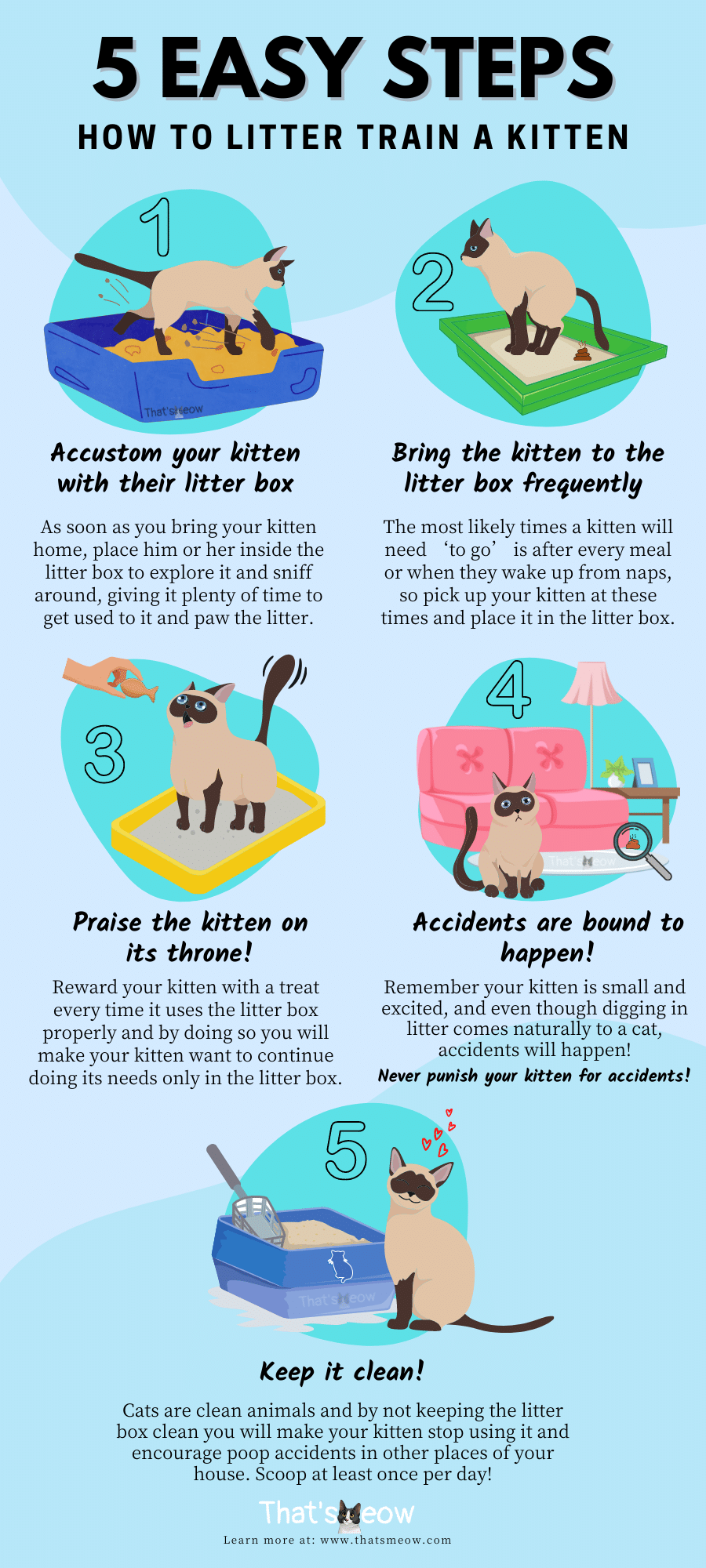
Set specific times for your cat to use the litter box. Cats like habits and feel safer with a schedule. Take your cat to the box after meals or naps. Repeat this daily to build a strong routine.
Choosing The Right Tools
Pick a litter box that fits your cat’s size and needs. Use soft, unscented litter to avoid scaring your cat. Keep the box clean and in a quiet spot. Good tools make your cat more willing to use the box.
Patience And Consistency
Be patient with your cat’s learning pace. Cats need time to understand new habits. Praise your cat gently when it uses the box right. Avoid punishment, which can cause fear and confusion. Stay consistent with your training steps every day.
:strip_icc()/cat-pooping-outside-box-Final-554017-6d77dbd602474769ad6cebd1b578752a.jpg)
Credit: www.leafacademy.in
When To Seek Help
Potty training a cat can be a smooth process for many pet owners. Yet, some cats face challenges that may need extra attention. Knowing when to seek help saves time and stress. It ensures your cat stays healthy and happy during training.
Signs Of Behavioral Issues
Watch for sudden changes in your cat’s bathroom habits. Frequent accidents outside the litter box may signal stress or fear. Avoidance of the litter box can also show discomfort or confusion. Excessive scratching or digging around the house might mean anxiety. These signs suggest a deeper problem beyond simple training.
Consulting A Veterinarian
A vet can check if health issues cause potty problems. Urinary tract infections or bladder stones often lead to accidents. Pain or discomfort may stop cats from using the box. The vet will examine and recommend treatments if needed. Early medical help prevents worsening conditions.
Professional Training Resources
Trainers specialize in fixing tough potty habits. They offer techniques tailored to your cat’s needs. Training classes or online courses provide useful tips and support. Experts help understand your cat’s behavior better. Seeking professional advice improves training success.
Credit: intensivemed.com.br
Frequently Asked Questions
How Long Does Potty Training A Cat Usually Take?
Potty training a cat typically takes 4 to 6 weeks. Consistency and patience are key for successful training. Some cats may learn faster, while others need more time.
What Factors Affect Potty Training Duration For Cats?
A cat’s age, personality, and previous habits influence training time. Younger cats usually adapt quicker. Consistent litter box placement and positive reinforcement also help speed up the process.
Can All Cats Be Potty Trained Successfully?
Most cats can be potty trained with patience and the right approach. However, some cats with behavioral or medical issues may need extra time or professional help.
How Can I Speed Up My Cat’s Potty Training?
Use consistent routines, keep the litter box clean, and reward good behavior. Avoid punishment, as it can cause stress and slow progress. Positive reinforcement works best.
Conclusion
Potty training a cat takes patience and time. Each cat learns at its own pace. Some may catch on within weeks, while others need months. Consistency in training helps your cat understand better. Reward good behavior to encourage progress. Stay calm and avoid punishment.
Remember, accidents are normal during training. With care and effort, your cat will learn. Enjoy the process and celebrate small wins. Your patience makes a big difference in success. Keep trying, and soon your cat will use the potty confidently.