
Potty training a cat might sound tricky, but with the right steps, you can teach your furry friend to use the litter box like a pro. If you’ve ever struggled with messy accidents or want to keep your home clean and fresh, this guide is made for you.
You’ll discover simple, clear tips that anyone can follow, no matter your cat’s age or personality. Keep reading to unlock easy ways to make potty training stress-free for both you and your cat!
Choosing The Right Toilet Training Method
Choosing the right toilet training method for your cat is important. Each cat has different needs and learning speeds. Picking a method that suits your cat makes training easier. It also helps your cat feel safe and confident during the process.
Litter Box To Toilet Transition
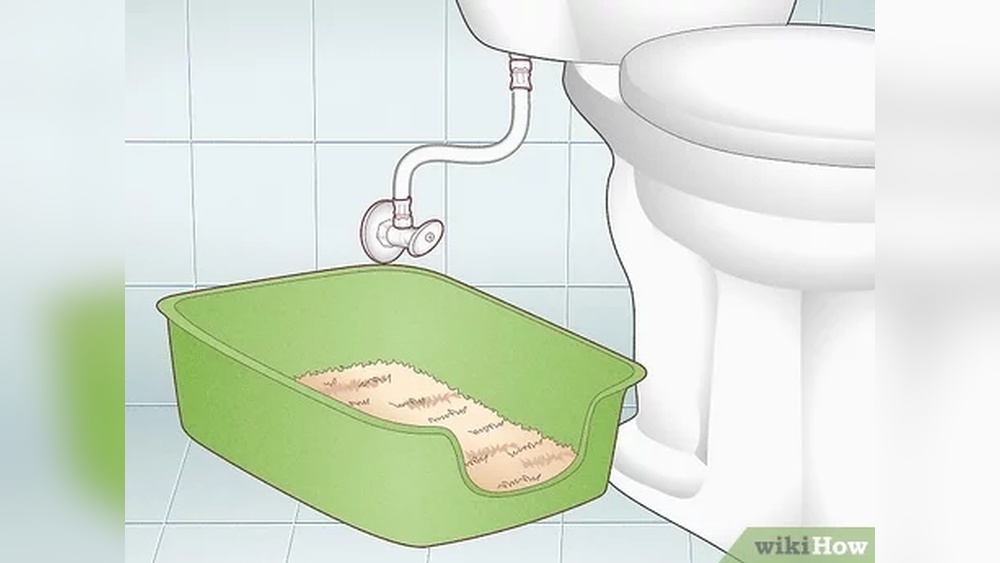
This method moves your cat gradually from the litter box to the toilet. Start by placing the litter box next to the toilet. Slowly raise the box’s height over days or weeks. Eventually, place a small box or tray on the toilet seat. Reduce the litter amount until your cat uses the toilet directly.
This approach takes patience. Your cat learns step by step. It works well for cats used to a litter box routine.
Using A Training Seat
A training seat fits on the toilet bowl. It holds litter for your cat to use. These seats have holes that get bigger over time. The holes let your cat balance on the toilet seat. The litter amount lowers gradually. Your cat learns to use the toilet instead of the litter box.
Training seats help cats adjust faster. They provide support and comfort during training.
Alternative Training Approaches
Some owners try clicker training or rewards. Teaching your cat to use the toilet with treats encourages good behavior. You can also use a shallow pan or tray as a step before the toilet. Each cat reacts differently to these methods. Try different ways to find what fits your cat best.
Patience and consistency are key. Keep training sessions short and positive.

Credit: thepethospitals.com
Preparing Your Cat For Training
Preparing your cat for potty training sets the stage for success. It helps your cat feel comfortable and ready. Taking time to prepare makes the training smoother and less stressful. Patience and care during this phase are important.
Assessing Your Cat’s Readiness
Check your cat’s age and health. Cats younger than four months may struggle to learn. Make sure your cat is healthy and active. Watch for signs like using the litter box regularly. A cat that understands basic commands is easier to train.
Setting Up The Training Area
Choose a quiet spot for training. This area should be free from distractions and noise. Keep the training area clean and safe. Place the toilet seat or training device where your cat can reach easily. Consistency helps your cat get used to the new spot.
Gathering Necessary Supplies
Prepare all needed items before starting. Get a cat toilet training kit or a training seat. Have cleaning supplies ready for accidents. Use treats or toys to reward good behavior. A few supplies make the process easier and more effective.
Step-by-step Training Process
Potty training a cat takes patience and clear steps. Follow a simple process to help your cat learn. Each step builds on the last. This method helps your cat feel safe and confident.
Gradual Litter Box Placement Changes
Start by placing the litter box near your cat’s usual bathroom spot. Move the box slowly toward the toilet. Shift it a few inches each day. Let your cat get used to each new spot. This gradual move keeps your cat calm and curious.
Introducing The Training Seat
Once the box reaches the toilet, add a special training seat. This seat fits over the toilet bowl. It holds a small amount of litter. Show your cat how to use the seat. Stay patient and praise your cat for trying. This step helps your cat balance and feel secure.
Reducing Litter Gradually
Slowly reduce the litter in the training seat. Use less litter each day. Your cat will learn to use the toilet without litter. Watch your cat closely for signs of stress. Keep the process slow and steady. This reduces accidents and builds good habits.
Dealing With Common Challenges
Potty training a cat can bring many challenges. Every cat reacts differently to new routines. Understanding common problems helps keep training on track.
Patience and gentle care help your cat adjust well. Small steps lead to steady progress. Let’s explore how to handle common issues during potty training.
Handling Accidents
Accidents happen. Stay calm and avoid punishment. Clean the area thoroughly to remove odors. Cats return to spots that smell like waste. Use an enzyme cleaner for best results.
Place your cat back on the potty area after accidents. Reward small successes to encourage good habits. Consistency makes accidents less frequent over time.
Managing Resistance Or Fear
Some cats fear the potty setup. Give your cat time to explore the new place. Use treats and gentle praise to build trust. Avoid forcing your cat onto the potty.
Watch for signs of stress. If your cat hides or avoids the area, slow down the process. Gradual introduction helps reduce fear and resistance.
Maintaining Consistency
Regular routines help cats learn faster. Keep potty times consistent every day. Use the same potty spot and type of litter.
All family members should follow the same rules. Mixed signals confuse cats and slow training. Consistency builds confidence and good habits.
Tips For Long-term Success
Potty training a cat takes patience and care. Success does not end once your cat uses the litter box. Keeping good habits helps your cat stay clean and happy. Follow these tips to maintain long-term success with potty training.
Positive Reinforcement Techniques
Reward your cat for using the litter box correctly. Give treats or gentle praise right after they finish. This helps your cat link good behavior with positive feelings. Avoid punishment, as it can cause fear or confusion. Keep rewards consistent to build strong habits.
Monitoring Your Cat’s Progress
Watch your cat’s behavior every day. Notice if they avoid the litter box or show signs of stress. Check the box’s cleanliness and location. Clean it regularly to encourage use. Track any accidents to understand patterns. Adjust training methods based on your cat’s needs.
When To Seek Professional Help
Consult a vet if problems persist beyond a few weeks. Health issues can cause potty troubles. A vet can rule out illness or infections. Consider a cat behaviorist if your cat shows anxiety. Professionals provide tailored advice to improve training success.

Credit: www.pdpetsupply.com

Credit: www.wikihow.com
Frequently Asked Questions
How Long Does Cat Potty Training Usually Take?
Potty training a cat generally takes 2 to 6 weeks. Consistency, patience, and positive reinforcement speed up the process. Each cat learns at its own pace, so adjust training methods accordingly for best results.
What Tools Do I Need To Potty Train My Cat?
You need a litter box, cat litter, cleaning supplies, and treats. A small training litter box helps transition from potty pads to the main litter box. Patience and a calm environment are essential tools too.
Can All Cats Be Potty Trained Successfully?
Most cats can be potty trained, but success depends on age, personality, and health. Kittens adapt faster than older cats. Some cats may resist due to stress or medical issues, so consult a vet if needed.
How Do I Encourage My Cat To Use The Litter Box?
Place the litter box in a quiet, accessible spot. Show your cat the box after meals and naps. Praise or reward them when they use it. Keep the box clean to encourage regular use.
Conclusion
Potty training a cat takes time and patience. Start slow and be consistent every day. Praise your cat when it uses the right spot. Keep the training area clean and easy to reach. Watch your cat’s behavior and adjust as needed.
Soon, your cat will learn this new habit. Enjoy a cleaner home and a happy pet. Remember, every cat is different, so go at your cat’s pace. Success comes with calm, steady effort and kindness.