
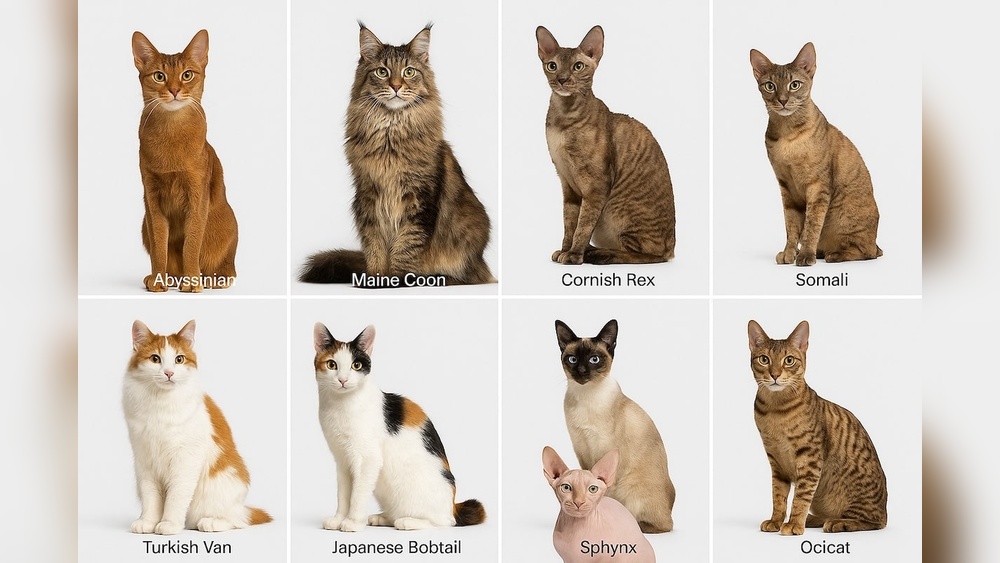
Have you ever wondered just how many house cat breeds exist? If you’re curious about the different types of cats you might meet or even bring home, you’re in the right place.
Knowing the variety of cat breeds can help you find the perfect feline companion that matches your lifestyle and personality. Keep reading to discover fascinating facts about cat breeds that will surprise you—and maybe even change the way you see your furry friend forever.

Credit: www.latimes.com
Cat Breed Categories
Cats come in many breeds, but these breeds fit into a few main categories. Each category shows how cats are grouped by their origin and traits. Understanding these groups helps you learn about the variety in house cats. Some cats are purebred, some mixed with wild cats, and others developed naturally over time.
These categories explain how many types of house cats exist and what makes each unique. Let’s explore the three main cat breed categories.
Pedigree Breeds
Pedigree breeds are cats with a clear family tree. Breeders keep track of their ancestors for many generations. These cats have specific looks and behaviors. Examples are Siamese, Persian, and Maine Coon. They often have official breed standards. Pedigree cats are popular in shows and as pets.
Hybrid Breeds
Hybrid breeds come from crossing domestic cats with wild cats. This mix creates unique traits and appearances. Bengals and Savannahs are well-known hybrid breeds. They often have wild patterns and larger sizes. These cats need special care and space. Hybrid breeds are rare and exciting for cat lovers.
Natural Breeds
Natural breeds developed without human interference. They adapted to their environment over many years. Examples include the Norwegian Forest Cat and the Turkish Van. Natural breeds have strong survival traits and distinct looks. They represent the original domestic cats from different regions. These cats are healthy and well-suited to home life.
Popular House Cat Breeds
House cats come in many breeds. Each breed has unique traits and charm. Some breeds are more popular than others. They catch the eye with their looks and personalities.
People often choose popular breeds for pets. These cats fit well in homes and bring joy. Let’s explore some popular house cat breeds below.
Persian Cats
Persian cats have long, fluffy fur. Their faces are flat and round. They are calm and love quiet places. Persians enjoy gentle petting and soft beds. They need regular grooming to keep their fur neat.
Siamese Cats
Siamese cats are slim and elegant. Their fur is short and smooth. They have bright blue eyes and large ears. Siamese cats are very vocal and social. They like to be near people and play often.
Maine Coon Cats
Maine Coon cats are large and strong. Their fur is thick and water-resistant. They have tufted ears and bushy tails. Maine Coons are friendly and good with kids. They enjoy climbing and exploring their homes.
Bengal Cats
Bengal cats look wild with spotted coats. Their fur is short and soft. Bengals are active and curious pets. They love to jump and chase toys. Bengals need a lot of attention and playtime.
Rare And Exotic Breeds
Rare and exotic cat breeds catch the eye of many cat lovers. They stand out with unique looks and special traits. These breeds are not common in most homes. Their rarity makes them fascinating and often sought after by enthusiasts. Here are some of the most unusual and captivating breeds you might not know well.
Sphynx Cats
Sphynx cats are famous for their hairless bodies. Their skin feels warm and soft to touch. These cats have large ears and big eyes. They are very friendly and enjoy attention. Their lack of fur means they need special care to stay warm. Sphynx cats are playful and love to cuddle.
Scottish Fold Cats
Scottish Fold cats have unique folded ears. Their ears bend forward and down, giving them a sweet look. These cats have round faces and big eyes. They are calm and gentle pets. Their unusual ears come from a natural genetic mutation. Scottish Folds are great companions for quiet homes.
Turkish Van Cats
Turkish Van cats are known for their love of water. They have soft, semi-long fur and a distinctive color pattern. Their bodies are mostly white with colored markings on the head and tail. These cats are active and enjoy playing in water. Turkish Vans are strong and agile, making them excellent jumpers.

Credit: www.womansday.com
Breed Recognition Organizations
Breed recognition organizations set the standards for cat breeds worldwide. They decide which breeds are official and list their traits. These groups help keep breed information clear and consistent. Each organization has its own list of recognized breeds. The number of house cat breeds varies by organization.
Cat Fanciers’ Association
The Cat Fanciers’ Association (CFA) is one of the largest cat registries. It recognizes about 45 different breeds. CFA focuses on breed standards and cat shows. It promotes responsible breeding and cat welfare. Many breeders and cat lovers follow CFA rules closely.
The International Cat Association
The International Cat Association (TICA) has a broad breed list. It recognizes over 70 cat breeds. TICA allows new breeds to develop and gain recognition. It supports cat shows worldwide and encourages breed diversity. TICA’s open approach helps introduce new breeds.
Fédération Internationale Féline
Fédération Internationale Féline (FIFe) is a European-based organization. It recognizes about 50 cat breeds. FIFe sets strict breed standards for health and appearance. It organizes international cat shows and promotes breed knowledge. FIFe works with many countries globally.
Factors Affecting Breed Count
The total number of house cat breeds is not fixed. Several factors cause the count to vary. These factors affect how many breeds different sources list. Understanding these helps explain why breed numbers differ.
Breed recognition depends on many details. Some groups include certain cats while others do not. Changes in cat breeding also add new breeds over time. Different regions accept different breeds too.
Breed Standards Variations
Each cat breed has a standard. It describes the cat’s look and traits. Different cat organizations set their own standards. These standards decide if a cat fits a breed.
Some groups are strict about features. Others allow more variations within a breed. This causes some breeds to be counted differently. One group may list a breed others skip.
New Breed Development
Breeders create new cat breeds by mixing others. This process can take years. New breeds may look different or have new traits. Breeders want to show these cats as unique breeds.
Not all new breeds get recognized quickly. Some take time to be accepted. This affects the total breed count at any time.
Regional Recognition Differences
Different countries and cat clubs accept different breeds. A breed common in one place may be unknown elsewhere. Some regions have local breeds not found globally.
Regional culture and history influence which breeds are recognized. This leads to many breed lists with different totals.
Choosing The Right Breed
Choosing the right house cat breed matters a lot. Each breed has its own personality and needs. Picking a breed that fits your lifestyle makes living with a cat better. Some cats are playful, while others like quiet time. Some need lots of grooming, and others stay clean on their own. Knowing these differences helps you find a great match.
Temperament Traits
Cat breeds differ in how they behave. Some breeds are very social and love attention. Others prefer to be alone most of the time. Some cats are calm and gentle. Others are active and curious. Think about how much time you can spend with your cat. Choose a breed that suits your home and family.
Care And Grooming Needs
Different breeds need different care. Long-haired cats need daily brushing to avoid mats. Short-haired cats need less grooming but still benefit from brushing. Some breeds shed a lot, which means more cleaning. Some cats like water and baths, others do not. Understand the grooming needs before picking a breed.
Health Considerations
Some breeds have common health problems. Knowing these helps you prepare for future care. Certain breeds may need special diets or medicines. Regular vet visits are important for all cats. Choose a breed with health traits that fit your care ability. This keeps your cat happy and healthy for years.

Credit: www.latimes.com
Frequently Asked Questions
How Many Recognized House Cat Breeds Exist Worldwide?
There are about 70 recognized house cat breeds worldwide. Different cat associations may list slightly varied numbers. Popular registries like CFA and TICA provide official breed counts.
Which Cat Breed Is Most Popular As A House Cat?
The Domestic Shorthair is the most popular house cat breed. It is known for its friendly nature and adaptability. This breed is common in many households globally.
How Do Cat Breeds Differ From Each Other?
Cat breeds differ in appearance, coat type, and personality. Each breed has unique traits, colors, and grooming needs. These differences help owners choose cats that fit their lifestyle.
Can New Cat Breeds Still Be Created?
Yes, new cat breeds can still be created through selective breeding. Breeders focus on specific traits to develop unique breeds. This process often takes several generations.
Conclusion
House cats come in many breeds, each with unique traits. Knowing the number helps you appreciate their variety. Whether you prefer fluffy or sleek, there is a breed for you. Cats bring joy and comfort to many homes. Exploring different breeds can be fun and rewarding.
Remember, every cat deserves love and care, no matter the breed. Choose a breed that fits your lifestyle and heart. The world of house cats is vast and full of charm.