
Are you curious about tiny feline friends that fit perfectly in your lap or even your purse? Small cat breeds bring a unique charm and personality packed into a petite package.
Whether you live in a cozy apartment or just love the idea of a pint-sized companion, knowing which cat breeds stay small can help you find the perfect match. You’ll discover the smallest cat breeds, their special traits, and what makes them so irresistible.
Get ready to meet the little cats that could steal your heart instantly!
Credit: www.chipchick.com
Top Tiny Cat Breeds
Small cats have a special charm. They fit easily in your lap and are easy to carry. Many people love tiny cats for their cute size and playful nature.
Some cat breeds are naturally small. They stay small even when fully grown. These breeds make great pets for small homes and apartments.
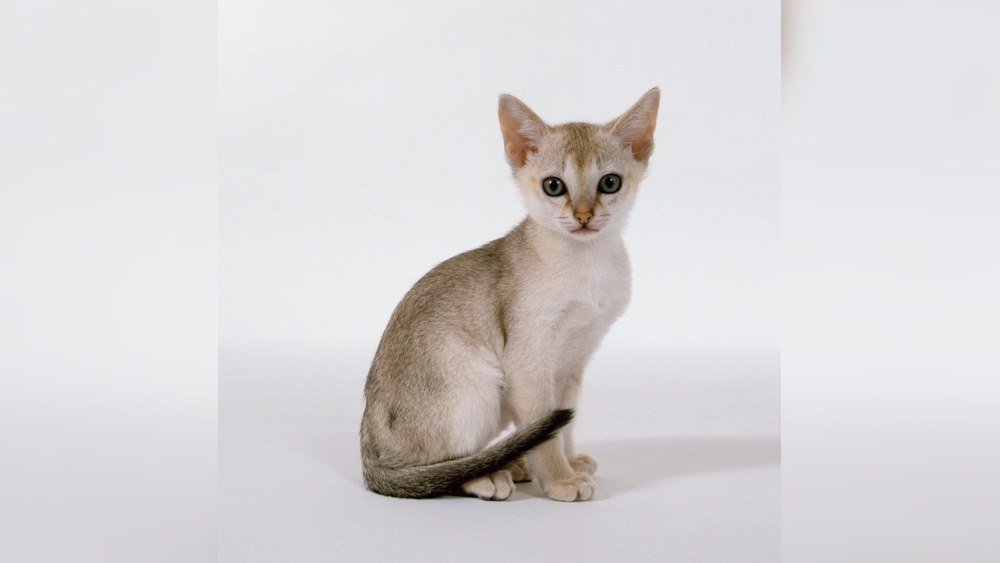
Singapura
The Singapura is one of the smallest cat breeds. It weighs around 4 to 8 pounds. This breed has large eyes and ears, giving it a curious look. Singapura cats are playful and friendly. They love to explore and stay close to their owners.
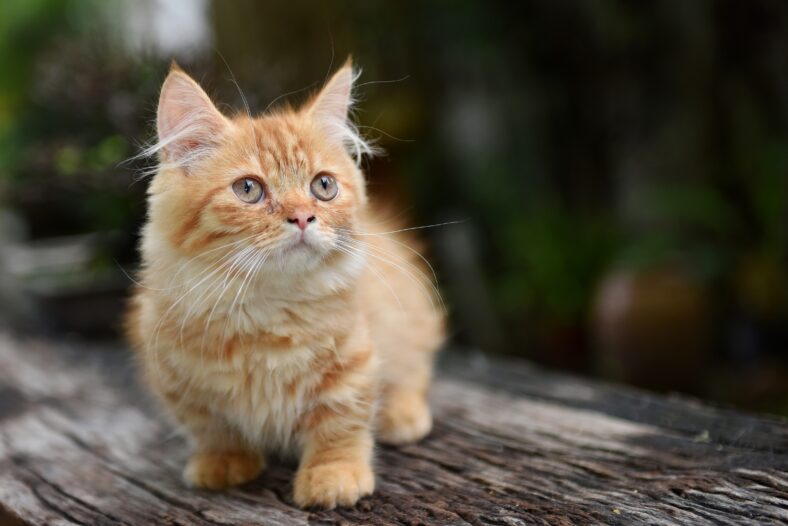
Minskin
Minskin cats are tiny and unique. They have short legs and a small body. This breed is a mix of Munchkin and other small breeds. Minskins enjoy attention and are very social. They also have soft, short fur that feels nice to touch.
Cornish Rex
Cornish Rex cats are small and slim. They weigh between 6 to 10 pounds. Their coat is soft and curly, which makes them stand out. These cats are active and love to jump and play. They enjoy being around people and other pets.
Devon Rex
The Devon Rex is a small cat with big ears. They have wavy fur that is soft and thin. This breed is very friendly and loves to cuddle. Devon Rex cats are known for their playful and mischievous nature. They stay close to their family members.
American Curl
American Curl cats are small to medium in size. Their ears curl backward, making them easy to recognize. They have a sweet and gentle personality. These cats enjoy playing but also like quiet time. American Curls adapt well to new environments.
Physical Traits Of Small Cats
Small cat breeds have unique physical traits that set them apart. Their size makes them charming and easy to care for. These cats often have delicate frames and soft features. Their appearance reflects their small size and gentle nature.
Size And Weight
Small cats usually weigh between 4 and 9 pounds. Their bodies are compact and light. They stand shorter than average cats. Their small size allows them to move quickly and quietly. These cats fit comfortably in small spaces.
Distinctive Features
Small cats often have large eyes and ears. Their faces can be rounded or triangular. Some have slender legs and small paws. Their tails may be thin or fluffy. These features make them look cute and alert.
Coat Types
Small cat breeds come with different coat types. Some have short, smooth fur that is easy to groom. Others have medium or long fur that feels soft. Their coats can be solid, striped, or spotted. Coat colors vary widely among small cats.
Personality Traits Of Tiny Breeds
Small cat breeds often surprise people with their big personalities. Despite their tiny size, these cats show a variety of traits that make them unique. Understanding their personality helps owners enjoy a strong bond with these little companions.
Many small breeds are lively and curious. They enjoy exploring and interacting with their surroundings. Their behavior can be quite different from larger cats, making them special pets to watch and care for.
Energy Levels
Small cats usually have high energy. They love to run, jump, and climb. Their small bodies make them quick and agile. Playtime is very important for their happiness. They need toys and activities to keep them busy and healthy.
Social Behavior
These tiny cats often enjoy company. They like being near people and other pets. Some breeds are shy at first but warm up quickly. They communicate with soft meows and gentle purrs. Small breeds can be very friendly and curious about new faces.
Affection And Playfulness
Small cats often show strong affection. They enjoy cuddling and sitting on laps. Many love gentle petting and brushing. Their playful nature makes them fun companions. They often invite their owners to join in games and activities.
Care Tips For Small Cats
Small cats need special care to stay healthy and happy. Their size makes them different from bigger cats. Owners must pay attention to their diet, exercise, and health. This helps small cats live longer and feel good every day.
Diet And Nutrition
Small cats need food that suits their tiny bodies. Give them high-quality cat food rich in protein. Small, frequent meals help keep their energy up. Avoid overfeeding to prevent weight problems. Fresh water should always be available.
Exercise Needs
Small cats are playful and need daily exercise. Use toys that encourage jumping and chasing. Short play sessions help keep muscles strong. Safe climbing spots can also keep them active. Exercise supports their physical and mental health.
Health Concerns
Small cats can have unique health issues. Watch for signs of dental problems and respiratory issues. Regular vet visits help catch problems early. Keep vaccinations and parasite control up to date. A clean, stress-free environment supports good health.
Choosing The Right Tiny Cat
Choosing the right tiny cat is important for a happy home. Small cat breeds have different needs and personalities. Picking one that fits your life makes caring easier. Think about your daily routine and space. Some tiny cats are very active, while others like to relax more. Knowing what to expect helps you enjoy your new pet.
Lifestyle Compatibility
Small cats need attention and playtime. Some breeds like to explore and climb. Others prefer quiet and calm places. Match the cat’s energy with your daily habits. Busy people may want a low-energy cat. Families with kids might choose a friendly, playful breed. Space matters too. Tiny cats can live in apartments well.
Allergy Considerations
Some small cats cause fewer allergies. Breeds like the Siberian or Balinese are better for sensitive people. No cat is fully hypoallergenic, but some shed less fur. Less shedding means fewer allergens in the air. Regular cleaning helps reduce allergy problems. Talk to a doctor if allergies are a concern. This keeps both you and the cat healthy.
Adoption Vs. Breeders
Adopting a tiny cat saves a life. Shelters have many small cats needing homes. Adoption is usually less expensive. Breeders offer specific breeds with known traits. Choose breeders carefully to avoid health issues. Ask about the cat’s health and history. Both adoption and breeders have good options. Pick what fits your needs and values best.
Credit: www.embracepetinsurance.com
Credit: www.newsweek.com
Frequently Asked Questions
What Are The Smallest Cat Breeds Known For?
The smallest cat breeds are known for their tiny size, playful nature, and unique appearances. They often weigh under 6 pounds, making them ideal for small living spaces.
Which Cat Breed Is The Tiniest In The World?
The Singapura is the tiniest cat breed globally. It weighs about 4-8 pounds and has a petite, muscular body with large eyes.
Are Small Cat Breeds Suitable For Apartment Living?
Yes, small cat breeds adapt well to apartment living. Their compact size and low space needs make them perfect indoor companions.
Do Small Cat Breeds Have Special Care Needs?
Small cat breeds require regular grooming and a balanced diet. Their delicate size means monitoring health closely is important for longevity.
Conclusion
Small cat breeds bring charm to any home. Their tiny size fits well in small spaces. They often have playful and loving personalities. Choosing the right small cat depends on your lifestyle. These cats need care and attention like all pets.
Knowing their traits helps you give the best care. Small cats can brighten your days with their energy. They make great companions for many people. Enjoy the joy a small cat can bring.