

Are you wondering when to switch your kitten to adult cat food? Choosing the right time is key to keeping your furry friend healthy and happy.
Feeding your cat the proper food at the right age supports their growth, energy, and overall well-being. If you get this wrong, your cat could miss out on important nutrients or gain unwanted weight. You’ll discover exactly how old your cat should be before making the switch and what signs to watch for.
Keep reading to make the best choice for your pet’s diet and health.
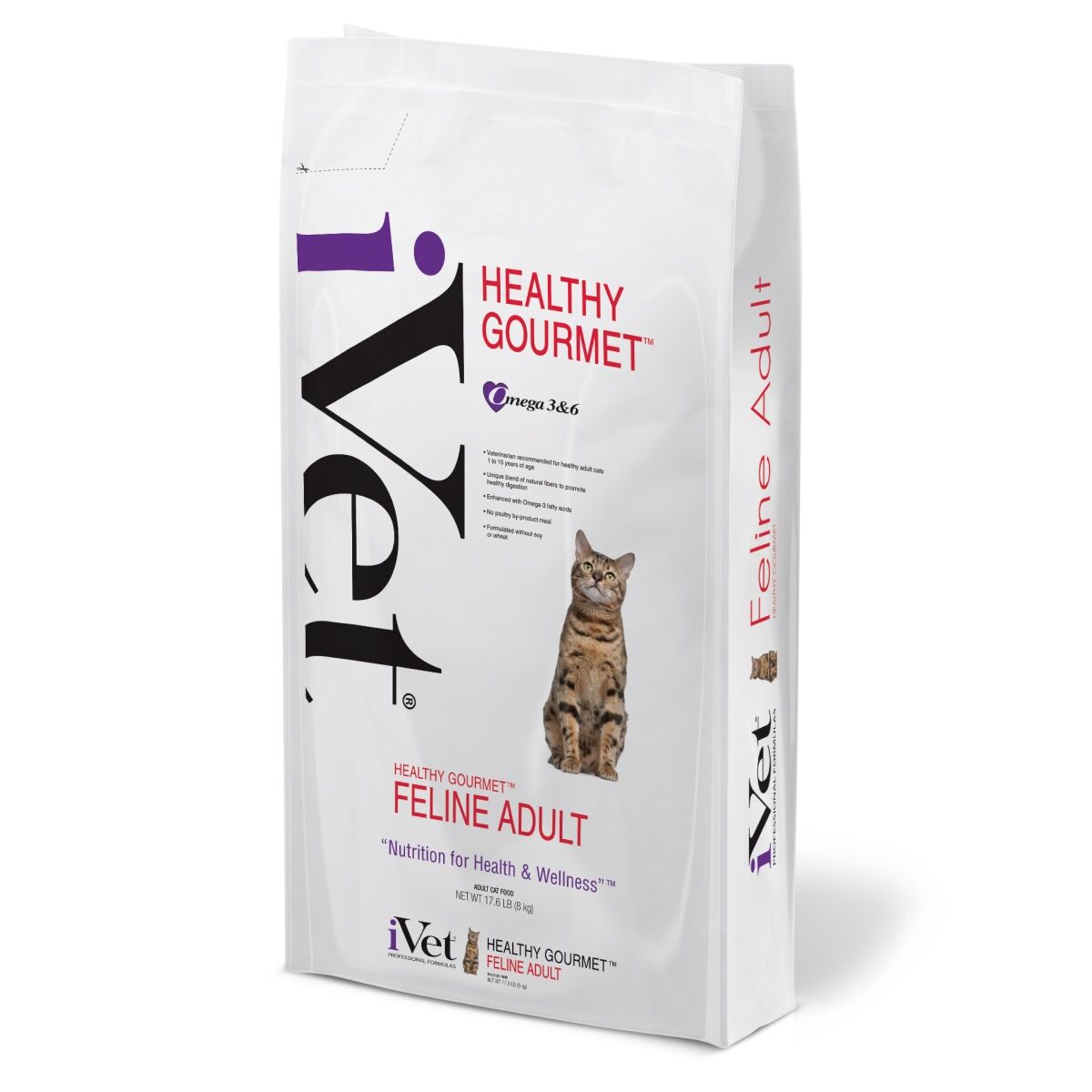
Credit: ivet.com
When To Switch To Adult Cat Food
Switching your cat to adult food is an important step. It supports their health and growth at the right time. Feeding the right food helps maintain energy and weight. Knowing when to make this change avoids digestion problems.
Age Benchmarks For Transition
Kittens grow fast and need special food. Usually, cats switch to adult food between 9 and 12 months old. Some larger breeds may need kitten food longer, up to 18 months. Always check the food label for age recommendations.
At one year, most cats’ growth slows down. Their nutritional needs shift from growth to maintenance. Adult cat food has fewer calories and more balanced nutrients. This helps keep your cat healthy and active.
Signs Your Cat Is Ready
Look for clear signs your cat is ready to change food. If your cat’s size stops increasing, they may be ready. Less playful behavior can mean slower growth. Your vet can also help decide the best time.
Some cats may lose interest in kitten food. They might eat less or seem full faster. Healthy adult cats need food that fits their new lifestyle. Watch your cat’s weight and energy levels closely.
Differences Between Kitten And Adult Food
Cats need different types of food as they grow. Kitten food and adult cat food serve different purposes. Understanding these differences helps you give your cat the best nutrition. Feeding the right food supports your cat’s health and energy.
Nutritional Needs
Kittens grow fast and need more nutrients. Their food has higher protein and fat. These nutrients help build muscles and support brain growth. Adult cats need fewer calories to avoid weight gain. Their food focuses on maintaining health and energy.
Ingredient Variations
Kitten food contains more vitamins and minerals for growth. Ingredients like DHA support brain and eye development. Adult food includes ingredients to keep joints healthy. It also has fiber to aid digestion. The texture of food may change too. Kittens get softer food, while adults get firmer kibble for dental health.
Factors Affecting The Transition Age
Deciding the right time to switch your cat to adult food depends on several factors. Each cat grows and develops differently. These factors help you choose the best age to change their diet. Understanding these details ensures your cat stays healthy and happy during the transition.
Breed And Size Considerations
Different breeds grow at different rates. Large breeds take longer to mature than small ones. For example, Maine Coons may need kitten food longer than smaller cats. Small breeds often switch to adult food earlier. Knowing your cat’s breed helps guide the timing. Size affects their nutritional needs too. Larger cats need more calories and protein. Adjust food type and timing based on breed and size.
Health And Activity Levels
Active cats burn more energy and need more nutrients. Less active cats require fewer calories. Health problems can change dietary needs. Cats with certain illnesses may need special food longer. Monitor your cat’s energy and health closely. Adjust feeding plans to support their well-being. Consult your vet for health-related diet changes.
Risks Of Switching Too Early Or Late
Switching your cat to adult food at the wrong time can cause problems. Too early or too late changes affect their health. Understanding these risks helps you make the best choice for your pet.
Digestive Issues
Changing food too soon can upset your cat’s stomach. Kitten food is softer and easier to digest. Adult food is richer and harder to digest for young kittens. This can cause diarrhea or vomiting.
Switching too late also causes troubles. Older cats may struggle with kitten food’s nutrients. This can lead to stomach pain and poor digestion.
Nutrient Deficiencies
Kitten food has more protein and fat for growth. Adult cats need fewer calories and different nutrients. Feeding adult cats kitten food too long can cause weight gain.
Switching too late may also mean missing key nutrients. Adult cat food has vitamins and minerals for maintenance. Without these, your cat’s health can decline.
Tips For A Smooth Food Transition
Changing your cat’s food needs care and patience. A smooth food transition helps your cat adjust easily. Sudden changes can upset their stomach or cause refusal to eat. Follow simple tips to make this change stress-free and safe. Healthy eating habits start with a gentle switch.
Gradual Mixing Techniques
Start by mixing a small amount of adult cat food with the current food. Use 25% new food and 75% old food on the first day. Each day, increase the new food by 25%. By day four, your cat eats only adult cat food. This slow change helps avoid stomach problems.
Monitoring Your Cat’s Response
Watch your cat’s eating habits closely during the transition. Check for vomiting, diarrhea, or less interest in food. If problems appear, slow the mixing process. Give your cat more time to adjust before adding more new food. Keep fresh water available at all times.
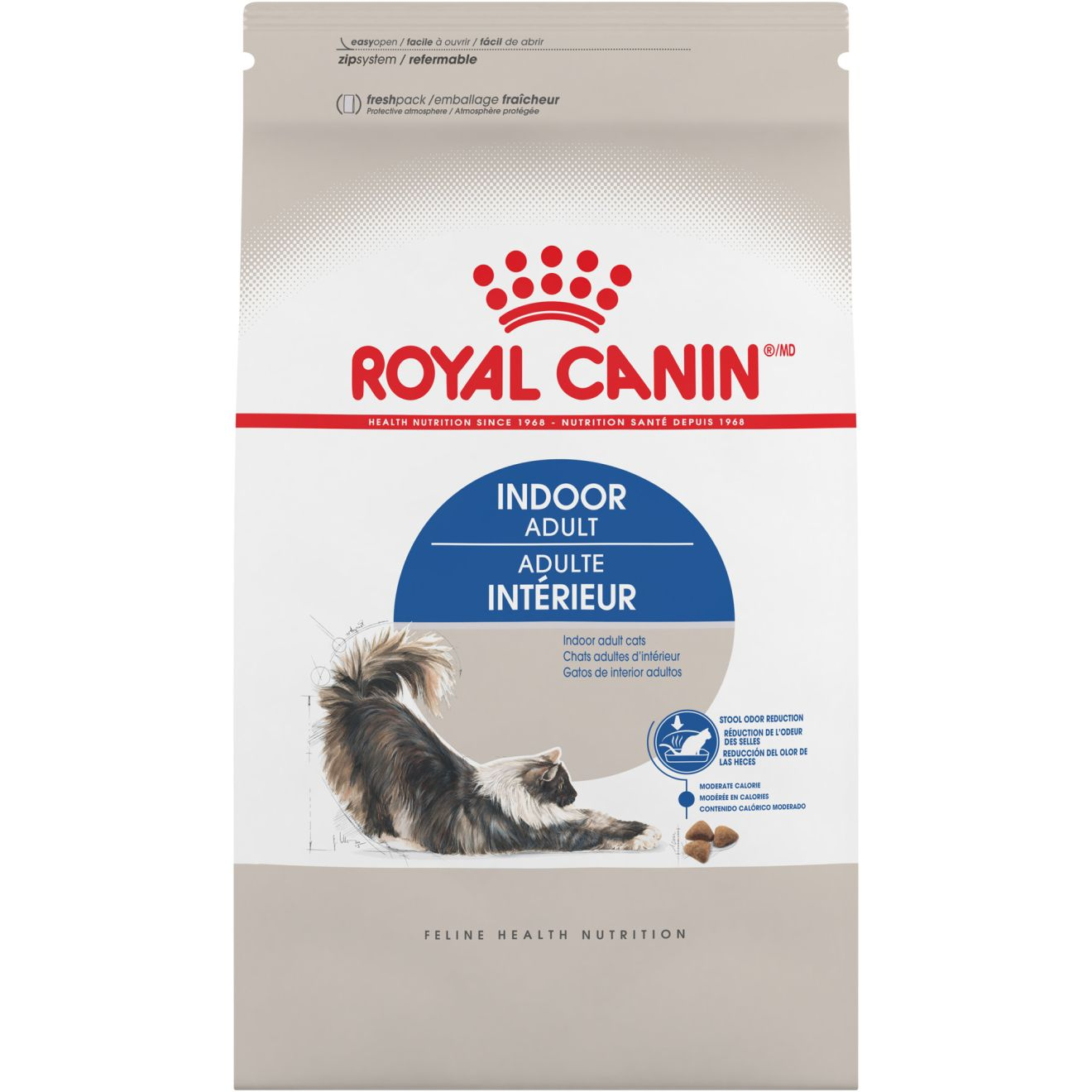
Credit: www.royalcanin.com
Special Cases: Senior And Indoor Cats
Special cats need special care. Senior cats and indoor cats have different needs than young, outdoor cats. Their diets must match their lifestyles and health conditions. Feeding them the right food helps keep them healthy and happy for longer.
Adjusting Food For Aging Cats
Older cats digest food slower. Their metabolism slows down too. They need fewer calories but more nutrients. Protein is important to keep muscles strong. Look for food with added vitamins and minerals. These support joints and the immune system. Avoid foods high in fat to prevent weight gain. Smaller, softer kibble helps if teeth are weak. Feeding smaller meals often helps digestion.
Indoor Cat Dietary Needs
Indoor cats move less. They burn fewer calories. Their food should have fewer calories to avoid obesity. Fiber is important to aid digestion and reduce hairballs. Indoor cat food often contains more fiber and fewer fats. These cats need balanced vitamins to stay healthy inside. Clean water should always be available. Monitoring their weight regularly helps catch problems early.

Credit: www.tippaws.com
Frequently Asked Questions
When Should I Switch My Kitten To Adult Cat Food?
Kittens should transition to adult cat food at about 12 months old. This change supports their growth needs and energy levels. Adult food has balanced nutrients suited for mature cats. Consult your vet for personalized advice on timing and diet adjustments.
What Age Defines An Adult Cat For Feeding Purposes?
Cats are generally considered adults at 1 year old. At this age, their growth slows, and nutritional needs stabilize. Feeding adult cat food after this point helps maintain healthy weight and overall wellness. Always monitor your cat’s health during dietary changes.
Can I Feed Adult Cat Food To A Kitten?
Feeding adult cat food to kittens is not recommended. Kittens need higher protein and calorie content for growth. Adult food lacks these essential nutrients and may stunt development. Use kitten-specific food until they reach about 12 months old for optimal health.
How Long Can A Cat Stay On Adult Food?
Adult cats can remain on adult cat food throughout their adult life. This diet meets their maintenance nutritional needs. However, senior cats might require special diets tailored to age-related health issues. Regular vet checkups can guide any necessary dietary changes.
Conclusion
Adult cat food suits cats usually after their first year. Growing kittens need special nutrients for strong bones. Once cats turn one, their energy needs change. Feeding adult cat food helps maintain a healthy weight. Watch your cat’s behavior and health closely.
Consult your vet if unsure about switching foods. Each cat is unique and may need different care. Choosing the right food supports a long, happy life. Simple changes make a big difference in your cat’s health. Keep your cat comfortable with proper nutrition every day.