
Have you ever thought about becoming a cat breeder? If you love cats and want to share that passion, breeding might be the right path for you.
But it’s not just about having cats—there’s a lot to learn to do it the right way. You’ll need to understand their health, genetics, and care to raise happy, healthy kittens. In this guide, you’ll discover simple steps to start breeding cats responsibly and successfully.
Ready to find out what it takes? Keep reading, and you’ll get all the important tips to make your breeding journey a great one.
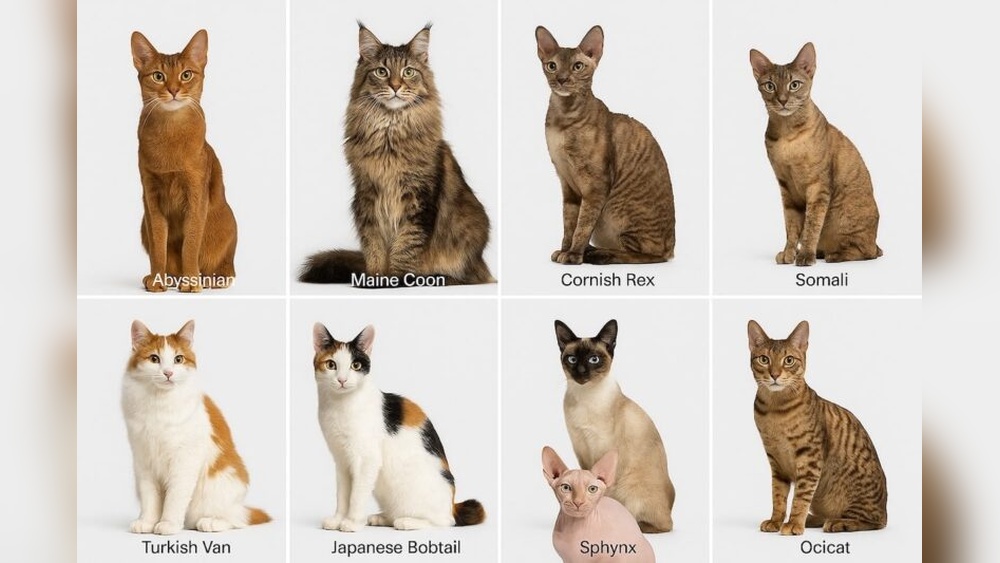
Choosing The Right Breed
Choosing the right breed is the first step in becoming a successful cat breeder. Each breed has unique traits that affect care, temperament, and breeding challenges. Picking a breed that fits your lifestyle and goals leads to better results and happier cats.
Consider Breed Characteristics
Understand the breed’s personality and needs. Some cats are calm and friendly, while others are active and independent. Grooming needs vary too. Long-haired breeds need more care than short-haired ones. Think about space, time, and patience you can give.
Research Breed Health Issues
Every breed may face specific health problems. Learn about common illnesses or genetic risks. This knowledge helps you plan health checks and care. Avoid breeds with severe health problems if you want an easier experience. Healthy cats mean healthier litters.
Select Reputable Bloodlines
Choose cats from trusted breeders or lines. Good bloodlines mean strong genetics and better health. Check breeder history and reputation. Ask for health clearances and certificates. This step protects your breeding program and maintains breed quality.

Credit: poshraggies.com
Preparing Your Cats
Preparing your cats for breeding is a key step to ensure healthy kittens and happy parents. Each cat needs special care before breeding starts. This preparation helps avoid health risks and stress for your cats. Spend time on their health, diet, and living space. These steps build a strong foundation for successful breeding.
Health Screening And Vaccinations
Start with a full health check from a vet. Look for any diseases or conditions that could affect breeding. Test for common cat illnesses. Vaccinate your cats against contagious diseases. Keep vaccinations up to date to protect both parents and kittens. Regular vet visits help catch problems early.
Nutrition And Diet
Feed your cats a balanced diet made for their life stage. Use high-quality cat food with enough protein and nutrients. Pregnant and nursing cats need extra calories and vitamins. Fresh water must always be available. Good nutrition supports strong health and fertility. Avoid sudden changes in their diet to prevent stress.
Creating A Comfortable Environment
Set up a quiet, clean space for your cats. Provide soft bedding and a safe hiding spot. Keep the area warm and free from loud noises. Limit access to other pets or strangers. A calm environment reduces stress and helps cats feel secure. Clean the space regularly to keep it healthy.
Breeding Process
The breeding process is a key step in becoming a cat breeder. It involves careful planning and attention to detail. Each stage affects the health and success of the kittens. Understanding the process helps ensure a smooth experience.
Timing The Mating
Cats go into heat several times a year. The best time to mate is during the female’s heat cycle. Signs include loud meowing and restlessness. Usually, heat lasts about a week. Breeders watch closely to find the right moment.
Introducing The Cats
Introduce the male and female slowly. Let them sniff and see each other first. This helps reduce stress and aggression. Keep the first meetings short and calm. Watch their behavior to spot any signs of trouble.
Monitoring The Mating
Stay close while the cats mate. Mating can be quick but sometimes takes longer. Watch gently without disturbing them. After mating, the female may clean herself or rest. Check both cats for any injuries or stress.
Pregnancy Care
Pregnancy care is vital for a healthy cat and her kittens. Proper attention ensures the mother stays strong. It also supports the growth of healthy babies. Careful observation and good habits help avoid complications.
Recognizing Pregnancy Signs
Early signs of pregnancy include changes in appetite and behavior. The cat may seem more tired than usual. Her nipples will swell and turn pink. Weight gain becomes noticeable after a few weeks. These signs help confirm pregnancy before vet visits.
Adjusting Nutrition
Pregnant cats need more calories and nutrients. Feed high-quality kitten food for extra protein and energy. Small, frequent meals suit her better than large ones. Fresh water must always be available. Avoid supplements unless a vet recommends them.
Regular Vet Checkups
Vet visits track the cat’s health and kitten development. Schedule checkups every few weeks during pregnancy. The vet may use ultrasounds to see the kittens. Vaccinations and parasite control need discussion with the vet. Early medical care prevents many problems.
Kitten Care And Socialization
Taking care of kittens is a key part of being a responsible cat breeder. Proper care helps kittens grow healthy and strong. Socialization shapes their behavior and makes them friendly pets. This section covers important steps to care for newborn kittens and help them adjust well to people and their new homes.
Birth Preparation
Set up a quiet, warm place for the mother cat. Use soft bedding to keep her comfortable. Prepare clean towels and heating pads. Have a vet’s contact ready for any emergencies. This helps the mother feel safe and ready for delivery.
Caring For Newborn Kittens
Keep newborns warm and dry at all times. Check their weight daily to track growth. Feed the mother well so she can nurse properly. If needed, feed kittens with a bottle using special kitten formula. Clean their bedding regularly to prevent infections.
Early Socialization Techniques
Handle kittens gently starting at two weeks old. Talk softly to them to get them used to voices. Introduce different safe textures for them to explore. Let them meet new people calmly and slowly. Early socialization helps kittens become confident and friendly cats.
Legal And Ethical Considerations
Breeding cats requires more than care and passion. It involves legal rules and strong ethics. These guide breeders to protect cats and buyers. Following these ensures a responsible and honest breeding practice.
Breeding Laws And Regulations
Many places have laws about breeding cats. These laws protect animal welfare and prevent cruelty. Breeders must know local rules before starting. Licensing may be needed to breed legally. Some areas limit how many cats you can have. Ignoring laws can cause fines or shutdowns. Always check with local animal control or government offices.
Ethical Breeding Practices
Ethics means doing what is right for cats. Breeders should avoid overbreeding or unhealthy pairings. Health tests help prevent passing diseases to kittens. Socializing kittens early makes them friendly pets. Avoid selling cats in poor conditions or to unknown buyers. Responsible breeders focus on improving cat health and temperament. Respect for cats’ welfare is key in ethical breeding.
Record Keeping And Documentation
Good breeders keep detailed records of each cat. Documents include health checks, vaccinations, and lineage. This helps track genetic traits and diseases. Records prove transparency and build buyer trust. Keep sale agreements and registration papers safe. Organized documentation supports legal compliance and ethical standards. It also helps in future breeding decisions.
Marketing And Selling Kittens
Marketing and selling kittens is a key part of being a responsible cat breeder. It involves more than just finding buyers. You must ensure kittens go to loving homes. This section covers how to find good buyers, set fair prices, and offer support after the sale.
Finding Responsible Buyers
Responsible buyers care about the kitten’s health and happiness. Ask questions about their home and lifestyle. Check if they understand cat care and costs. Avoid buyers who want kittens only for breeding or showing. Use social media and local groups to meet serious adopters. Always meet buyers in person before selling a kitten.
Setting Prices
Set prices based on breed, health, and pedigree. Research prices from other breeders with similar cats. Don’t sell too cheap; it may attract the wrong buyers. Avoid very high prices that might scare people away. Be clear about what the price includes, such as vaccinations and microchips. Fair pricing builds trust with buyers.
Providing Support And Guidance
Offer advice to new kitten owners. Help with feeding, training, and health care questions. Stay in contact after the sale for updates. Guide owners to local vets and cat services. Support shows you care about the kitten’s future. This creates a good reputation for your breeding business.
Credit: siberianroyalcats.com
Common Challenges And Solutions
Breeding cats is rewarding but comes with challenges. Knowing common problems helps you prepare well. This section covers health, behavior, and unexpected situations. Solutions make your breeding journey smoother and safer.
Dealing With Health Issues
Health problems often appear in breeding cats. Regular vet checkups catch issues early. Vaccinate cats to protect them from diseases. Keep a clean environment to avoid infections. Watch for signs like loss of appetite or lethargy. Quick action can prevent serious problems.
Handling Behavioral Problems
Behavior issues may arise in breeding cats. Stress can cause aggression or hiding. Provide a calm space with hiding spots. Socialize kittens gently to reduce fear. Use positive reinforcement for good behavior. Patience helps build trust with your cats.
Managing Unexpected Situations
Unexpected events can happen anytime. Prepare for emergencies like difficult births or injuries. Have a vet’s contact ready for quick help. Keep emergency supplies like heating pads and clean towels. Stay calm and act fast to protect cats and kittens.

Credit: www.onegreenplanet.org
Frequently Asked Questions
What Are The First Steps To Becoming A Cat Breeder?
Start by researching cat breeds and breeding ethics. Gain experience with cats, join breeder associations, and find a mentor. Learn about genetics, health testing, and proper care for breeding cats.
How Do I Select Healthy Cats For Breeding?
Choose cats with good health, temperament, and breed standards. Test for genetic diseases and ensure vaccinations are up to date. Healthy cats increase the chance of strong, healthy kittens.
What Legal Requirements Apply To Cat Breeding?
Check local laws regarding breeding licenses, permits, and animal welfare regulations. Follow guidelines for housing, care, and sales. Compliance ensures ethical breeding and avoids legal issues.
How Can I Care For A Pregnant Cat Properly?
Provide a balanced diet, a quiet space, and regular vet checkups. Monitor her health and prepare a safe nesting area. Proper care supports healthy pregnancy and kitten development.
Conclusion
Being a cat breeder takes care, patience, and love. Always focus on your cats’ health and happiness. Learn about their needs and breed traits well. Keep your space clean and safe for kittens. Talk with other breeders and vets for advice.
Breeding cats is a big job but rewarding. Stay responsible and kind to your animals. Enjoy the process and watch your cats grow strong. This journey teaches you a lot about cats and life.