
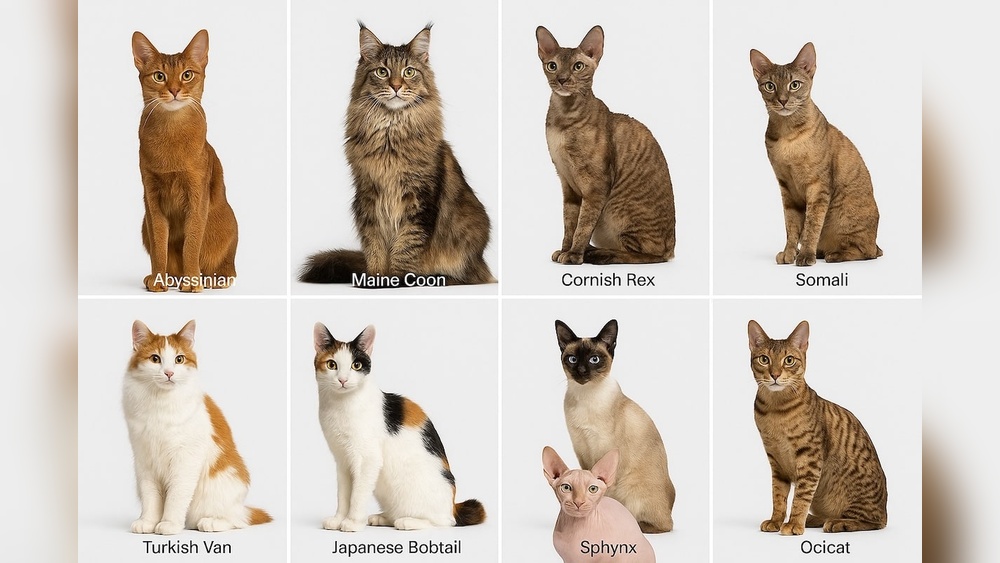
Have you ever looked at a cat and wondered what breed it is? Knowing how to tell cat breeds can make your experience with cats even more exciting and rewarding.
Whether you’re thinking about adopting a new furry friend or simply curious about the cats you meet, understanding their breed helps you connect with them better. You’ll discover simple tips and tricks to identify different cat breeds quickly and easily.
By the end, you’ll feel confident recognizing your favorite cats wherever you go. Ready to become a cat breed expert? Let’s dive in!
Common Cat Breed Groups
Cat breeds often fall into broad groups based on their fur type. Recognizing these groups helps identify different breeds. Each group has unique traits that make cats special and easy to spot.
Short-haired Breeds
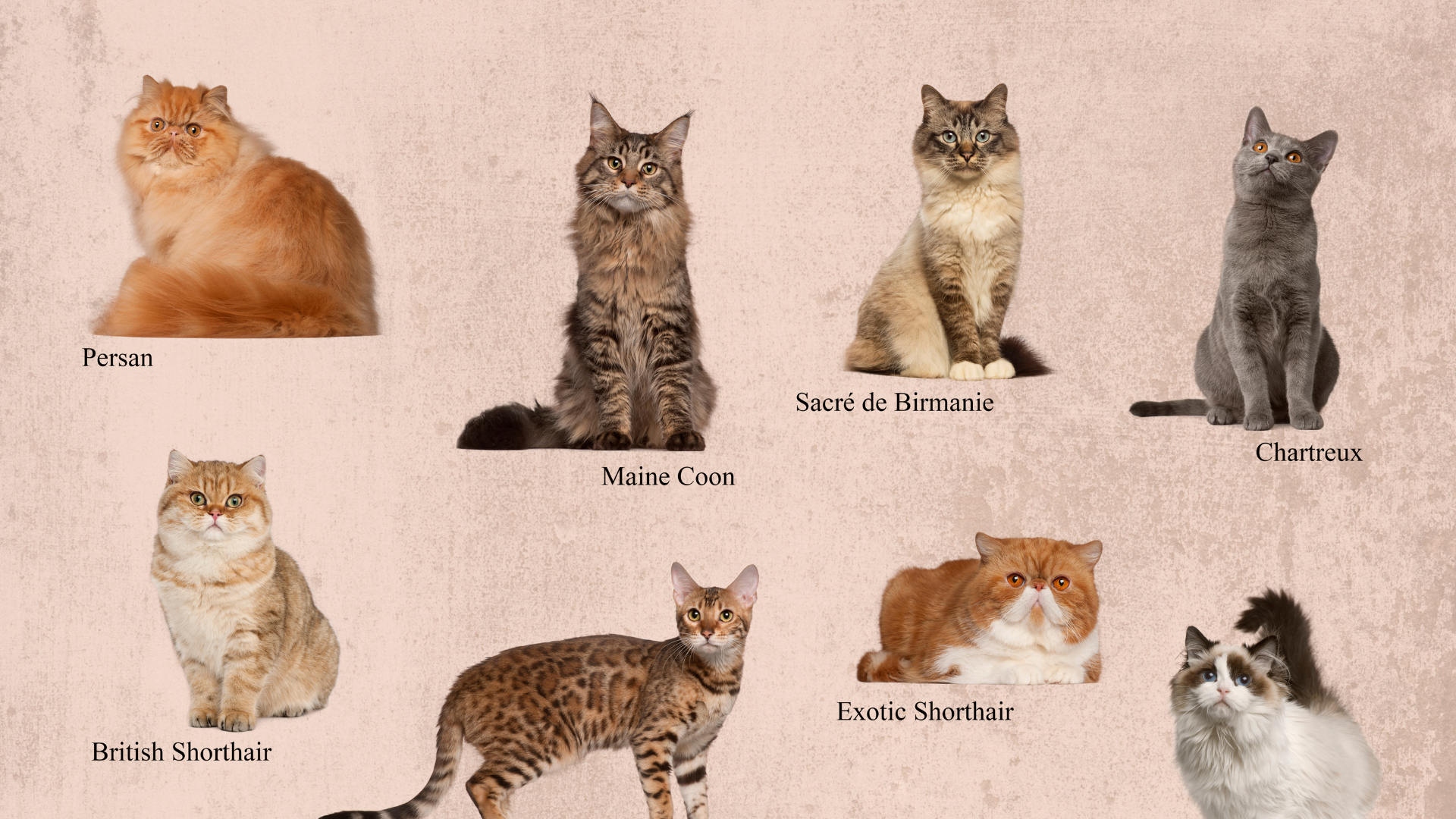
Short-haired cats have fur that lies close to the body. Their coats are easy to care for and shed less. Popular examples include the American Shorthair and the British Shorthair. These cats often have round faces and sturdy bodies. Their fur feels smooth and soft to touch.
Long-haired Breeds
Long-haired cats have thick, flowing fur that can grow very long. They need more grooming to keep their coats clean and tangle-free. Famous long-haired breeds are the Persian and Maine Coon. These cats look fluffy and majestic. Their fur keeps them warm in cold weather.
Hairless Varieties
Hairless cats have little or no fur on their bodies. Their skin feels warm and soft. The Sphynx is the most well-known hairless breed. These cats need special care to protect their skin. They are very playful and love attention.
Credit: www.goodnaturedbrand.com
Key Physical Traits To Spot
Knowing a cat’s breed helps understand its personality and care needs. Physical traits give strong clues about a cat’s breed. These traits include coat patterns, body shape, eye shape, and ear position. Spotting these features can make identifying breeds easier. Observe each trait carefully for the best guess.
Coat Patterns And Colors
Coat patterns vary widely across cat breeds. Some cats have solid colors like black or white. Others show stripes, spots, or patches. The classic tabby pattern has distinct stripes and markings. Calico cats display large patches of white, black, and orange. Siamese cats have light bodies with darker points on ears, face, and tail. Coat texture also matters—some breeds have short hair, others have long or curly fur.
Body Shape And Size
Body shape differs by breed and affects a cat’s overall look. Some cats are slim and long, like the Siamese. Others are compact and muscular, such as the British Shorthair. Size varies too; some breeds are small and light, others are large and heavy. The Maine Coon is known for its big size and sturdy frame. Pay attention to leg length, tail thickness, and body proportions.
Eye Shape And Color
Eye shape can help identify certain breeds. Almond-shaped eyes appear in breeds like the Burmese. Round eyes are common in Persian cats. Eye color varies from blue and green to copper and gold. Siamese cats often have striking blue eyes. Eye color sometimes matches coat color, giving clues about breed. Bright, clear eyes usually signal a healthy cat.
Ear Shape And Position
Ear shape and position add to breed identification. Some cats have large, pointed ears set high on the head. Oriental breeds often show this trait. Scottish Folds have unique folded ears close to the head. Ear size varies from small and round to tall and wide. Watch how the ears move and react. This trait often relates to breed behavior and alertness.
Behavioral Clues By Breed
Behavioral clues can help identify cat breeds. Cats show unique habits that match their breed traits. Observing these behaviors gives insight beyond looks.
Each breed has distinct activity levels, social ways, and vocal sounds. These traits help distinguish one breed from another. Understanding these clues makes recognizing breeds easier.
Activity Levels
Some cats are very active and love to play. Siamese cats are known for high energy and constant movement. They enjoy climbing and exploring their space.
Other breeds, like British Shorthairs, prefer calm and quiet. They spend more time resting or watching their surroundings. This low activity level suits a relaxed home.
Social Tendencies
Siberian cats are friendly and enjoy meeting new people. They like being part of family activities and are very loving. These cats often seek attention and affection.
On the other hand, Russian Blues tend to be shy. They prefer quiet spaces and trust only close family. Their reserved nature helps identify this breed.
Vocalization Patterns
Siamese cats are famous for their loud and frequent meows. They use their voice to communicate needs and feelings clearly. This talkative habit is a strong breed clue.
Maine Coons are quieter but use soft chirps and trills. These gentle sounds show their friendly and calm personality. Their unique voice sets them apart from other breeds.
Using Visual Aids And Resources
Using visual aids and resources helps identify cat breeds clearly. Pictures, guides, and apps show key features of different breeds. These tools make it easier to spot traits like fur type, color, and body shape. They help both beginners and experienced cat lovers learn fast and with confidence.
Breed Identification Apps
Breed identification apps use photos to guess the cat’s breed. Just upload a cat’s picture, and the app shows possible matches. These apps highlight important features like ear shape and coat pattern. Some apps also provide breed history and care tips. Apps are quick and fun for anyone curious about cat breeds.
Reference Books And Websites
Reference books give detailed information on many cat breeds. They include clear photos and breed descriptions. Websites can offer updated data and breed comparisons. Trusted sites list traits like size, personality, and grooming needs. Using books and websites helps verify breed details with accuracy.
Joining Cat Enthusiast Communities
Cat enthusiast communities connect you with other cat lovers. Members share photos and knowledge about various breeds. Online forums and social media groups offer advice and breed ID help. Talking with others improves your skill in spotting breed traits. Communities also keep you informed about breed events and news.
Common Misidentifications
Many people find it hard to identify cat breeds correctly. Mistakes happen often because cats share many similar traits. Knowing common misidentifications helps avoid confusion. It also helps in understanding cat breeds better.
Mixed Breeds Vs. Purebreds
Mixed breed cats have features from different breeds. Their looks vary widely, making identification tricky. Purebred cats follow specific breed standards. They have consistent traits like coat color and body shape. Mixed breeds may look like purebreds but lack clear breed traits. Many cats in shelters are mixed breeds. It is easy to mistake them for purebreds due to some shared features.
Look-alike Breeds
Some cat breeds look very similar. For example, the Abyssinian and Somali cats share a similar coat pattern. The British Shorthair and Scottish Fold can look alike except for ear shape. These look-alike breeds confuse many cat lovers. Small differences like ear shape or tail length help tell them apart. Learning these details improves breed identification skills.
Myths And Misconceptions
Many myths surround cat breeds. Some believe all Siamese cats have blue eyes and pointy ears only. Others think all black cats are from the Bombay breed. These ideas are not always true. Eye color and ear shape can vary within breeds. Coat color alone does not define a breed. Knowing facts helps avoid these common misconceptions.
Credit: www.rd.com
Tips For Quick Breed Recognition
Quickly recognizing cat breeds helps in understanding their needs and behavior. Knowing breed traits can guide care and feeding. It also makes conversations about cats more fun and interesting.
Here are some simple tips to identify cat breeds fast. These tips focus on visible features, habits, and expert advice. They make breed recognition easier for everyone.
Focus On Distinctive Features
Look at the cat’s size and body shape first. Some breeds are small and slim, others large and muscular. Check the fur type and length. Long-haired cats like Persians stand out. Short-haired breeds like the Siamese have sleek coats. Notice the color patterns and markings. Spots, stripes, or solid colors help narrow options. Eye color and ear shape also give clues. Pointed ears or round faces are breed hints.
Observe Behavior Patterns
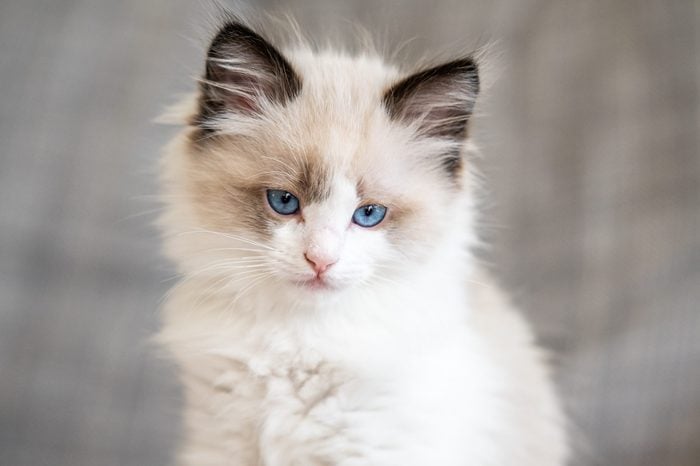
Different breeds act differently. Watch how the cat moves and plays. Active breeds like Bengals are very energetic. Calm breeds like Ragdolls enjoy being held. Some cats are talkative, others quiet. Pay attention to how they interact with people. Social or shy behavior can suggest certain breeds.
Ask Experts When Possible
Veterinarians and breeders know many cat breeds well. They can offer quick and accurate identification. Online cat forums and groups also help. Share pictures and ask for opinions. Experts can confirm your guesses or correct them. Their advice improves your breed knowledge fast.

Credit: www.youtube.com
Frequently Asked Questions
What Are The Key Features To Identify Cat Breeds?
Key features include coat color, pattern, fur length, body shape, and eye color. Behavior and personality also help distinguish breeds.
How Can I Tell A Cat’s Breed By Its Fur?
Fur texture, length, and pattern give clues. For example, Siamese cats have short, sleek fur, while Persians have long, thick coats.
Are Cat Breed Traits Consistent In Mixed Breeds?
Mixed breeds may show traits from several breeds. Identification becomes harder, but dominant features often hint at ancestry.
Can A Cat’s Size Indicate Its Breed?
Yes, size can help. Maine Coons are large and muscular, while Singapuras are small and slender, aiding breed recognition.
Conclusion
Knowing how to tell cat breeds makes pet care easier and more fun. Each breed has its own look and personality. Pay attention to size, fur, and eye color. This helps you understand your cat better. Enjoy learning about different cats and their traits.
Soon, identifying breeds will feel natural. Keep observing and asking questions. Your bond with cats will grow stronger. Explore more about cats and enjoy their company every day.