

Are you fascinated by the stunning beauty and playful nature of Bengal cats? Imagine turning that passion into something more—becoming a Bengal cat breeder.
But where do you start? What does it really take to breed these magnificent cats responsibly and successfully? This guide will walk you through everything you need to know, from understanding the breed’s unique traits to setting up your breeding program.
If you want to make a real difference in the Bengal cat community and create healthy, happy kittens, keep reading. Your journey to becoming a Bengal cat breeder begins here.
Credit: tica.org
Choosing Bengal Cats
Choosing the right Bengal cats is the first step to becoming a successful breeder. This breed needs careful attention to health and traits. Picking the best cats helps ensure strong, healthy litters. It also supports the breed’s unique qualities. Understanding what to look for makes the process smoother and more rewarding.
Selecting Healthy Cats
Start with cats that show no signs of illness. Check their eyes, coat, and energy levels. Healthy Bengals have bright eyes and shiny fur. Avoid cats with breathing or skin problems. Ask for veterinary records to verify their health. Healthy cats reduce risks in breeding and produce better kittens.
Understanding Bengal Traits
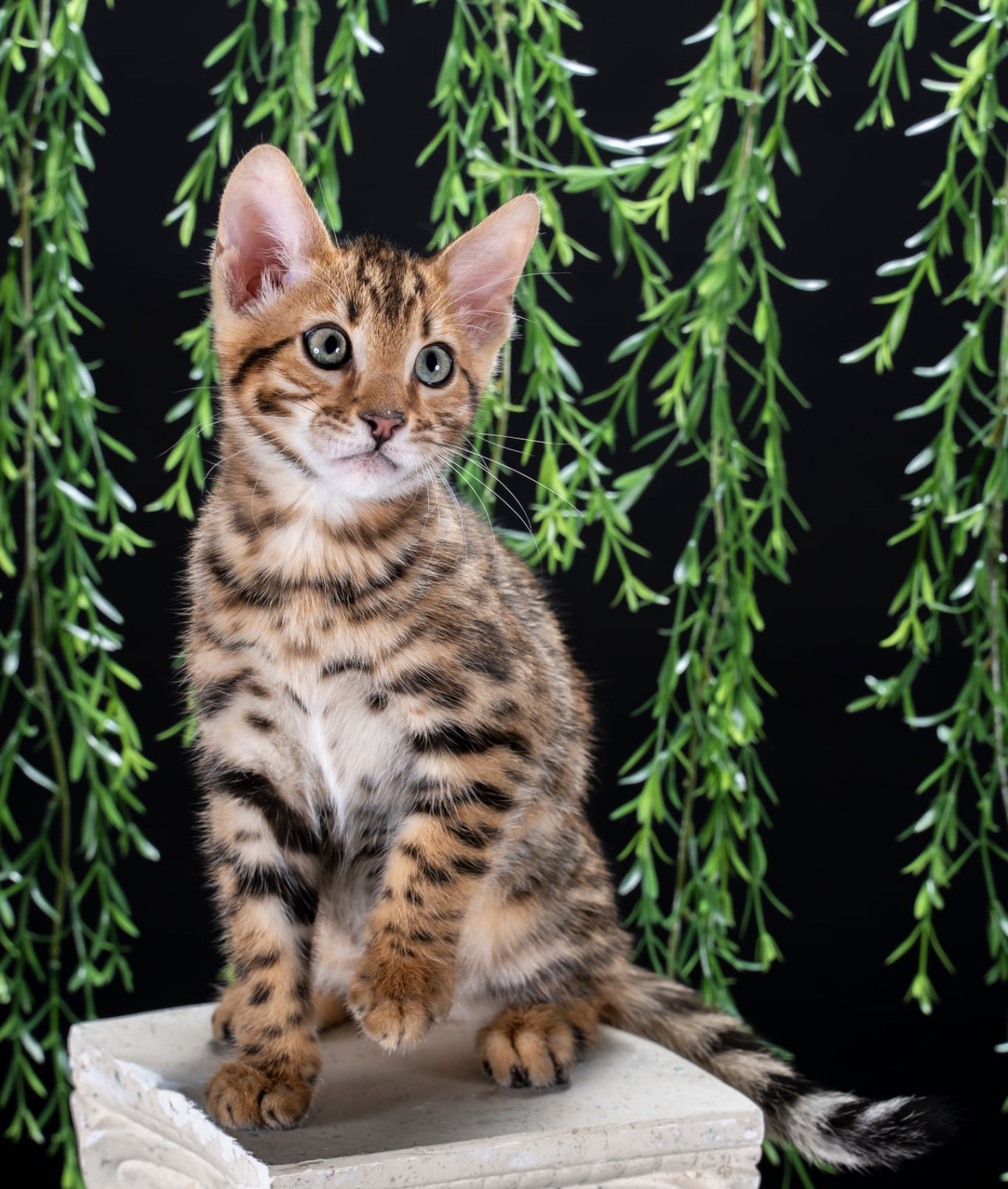
Bengals have a wild look with spotted or marbled coats. Their patterns should be clear and well-defined. Look for cats with muscular bodies and strong bones. Bengals are active and curious, traits important for breeding. Understanding these helps in selecting cats that fit breed standards.
Finding Reputable Breeders
Choose breeders known for ethical and responsible practices. Good breeders provide health certificates and detailed pedigrees. They answer questions honestly and support new breeders. Avoid sellers who focus only on profit. Trustworthy breeders help maintain breed quality and offer valuable guidance.
Preparing For Breeding
Preparing for breeding Bengal cats means creating a safe, clean, and comfortable environment. This step is crucial to ensure healthy kittens and happy cats. Careful planning helps avoid many common problems during breeding and raising kittens.
Setting Up The Breeding Space
Choose a quiet, warm room for breeding and raising kittens. The space should have good ventilation and enough light. Avoid places with loud noises or strong smells. Provide soft bedding and safe hiding spots for the mother cat. Keep the area clean to stop infections. Make sure the room is secure so cats cannot escape.
Gathering Supplies And Equipment
Have all necessary supplies ready before breeding starts. This includes food and water dishes, litter boxes, and cleaning materials. Prepare heating pads or lamps to keep kittens warm. Get scales to weigh kittens daily. Have a notebook to record health and growth data. Keep grooming tools and safe toys on hand.
Health Checks And Vaccinations
Take your Bengal cats to the vet for full health checks. The vet will check for diseases and parasites. Vaccinations must be up-to-date to protect cats and kittens. Test for genetic conditions common in Bengals. Discuss breeding timing and care with the vet. Healthy parents increase the chance of healthy kittens.
Breeding Process
The breeding process is the heart of becoming a Bengal cat breeder. It requires patience, knowledge, and careful planning. Understanding each step helps ensure healthy and happy kittens. This section covers essential points to guide you through breeding Bengal cats successfully.
Timing The Breeding Cycle
Bengal cats have specific heat cycles, usually starting from six months old. Their heat cycle lasts about 7 to 10 days and repeats every two to three weeks. Track your female cat’s behavior and signs to find the best time to breed. Signs include increased vocalization, restlessness, and rubbing against objects. Accurate timing increases chances of successful mating and healthy kittens.
Mating Techniques
Introduce the male and female Bengal cats in a calm, quiet space. Let them meet naturally without forcing interaction. Sometimes, multiple meetings are needed before mating occurs. Keep the environment safe and free from stress. Supervise the cats to prevent fights. Mating usually happens quickly, often lasting a few minutes. Be patient and allow nature to take its course.
Pregnancy Signs And Care
Pregnancy in Bengal cats lasts about 63 to 67 days. Early signs include less activity and increased appetite. The belly grows noticeably by the third week. Provide a warm, quiet area for the pregnant cat to rest. Feed her high-quality food and fresh water daily. Regular vet visits ensure the health of the mother and kittens. Watch for any unusual behavior or health problems and act quickly if needed.
Caring For Bengal Kittens
Caring for Bengal kittens is a key part of becoming a responsible breeder. These kittens need special attention right from birth. Proper care helps them grow healthy and strong. It also shapes their behavior and personality.
Each stage of a kitten’s early life requires different care. Understanding these needs ensures the best start for your Bengal kittens. Here are the main areas to focus on.
Birth And Early Days
Bengal kittens are fragile at birth. They need a warm, quiet space to rest. Keep their bedding clean and soft. Monitor the mother cat closely. She will nurse and clean them often. Check the kittens daily for signs of health issues. Keep the room temperature steady. Avoid loud noises or sudden movements around them.
Nutrition And Feeding
Newborn Bengal kittens depend on their mother’s milk. It gives them all the nutrients they need. If the mother cannot feed, use kitten milk replacer. Feed small amounts frequently, every two to three hours. After four weeks, start introducing soft, wet kitten food. Gradually increase the amount as they grow. Always provide fresh water once they start eating solid food.
Socialization And Development
Socializing Bengal kittens is important for their behavior. Begin gentle handling from the second week. Let them get used to human touch and voices. Play with them using safe toys after four weeks. Encourage interaction with other pets and people. This builds confidence and reduces fear. Provide a safe area for them to explore and climb. Early socialization helps Bengal cats become friendly adults.
Legal And Ethical Considerations
Starting as a Bengal cat breeder requires understanding the legal and ethical rules. These rules protect the cats and breeders. They also ensure the breed stays healthy and respected. Following them creates trust with buyers and the community.
Licensing And Permits
Every place has rules about breeding animals. You must check local laws for licenses. These licenses allow you to breed cats legally. Some areas need special permits for exotic breeds like Bengals. Failing to get permits can cause fines or business closure. Always keep your paperwork up to date and ready for inspection.
Animal Welfare Guidelines
Bengal cats need good care and a safe home. Follow animal welfare laws to keep them healthy. Provide clean spaces, fresh food, and water. Regular vet visits are important to spot health issues early. Avoid overcrowding cats. Treat every cat with kindness and respect. Proper care shows your commitment to their well-being.
Responsible Breeding Practices
Breeding Bengals requires careful planning. Choose cats with strong health and good traits. Avoid breeding related cats to prevent health problems. Keep detailed records of each cat’s health and lineage. Focus on improving the breed, not just making money. Be honest with buyers about the cats’ background. Responsible breeding supports the breed’s future and reputation.

Credit: cfa.org
Marketing Bengal Cats
Marketing Bengal cats is key to successful breeding. It helps you find good homes fast. Clear, honest marketing builds trust with buyers. Focus on showing your cats’ unique traits. Use simple, direct messages to attract interest.
Good marketing also grows your reputation as a breeder. It connects you with people who value Bengal cats. Smart marketing saves time and effort in selling kittens.
Building An Online Presence
Create a website with photos and details of your Bengals. Share stories about their health and personality. Use social media to reach cat lovers. Post regularly to keep followers interested. Join cat forums and groups to connect with others. A strong online presence makes your breeding business visible.
Connecting With Potential Buyers
Respond quickly to questions about your cats. Offer clear information on care and temperament. Meet buyers in person when possible. Build relationships based on trust and honesty. Provide updates about the kittens’ growth. Good connections lead to happy homes and repeat customers.
Pricing And Contracts
Set prices based on breed quality and costs. Be clear about what the price includes. Use contracts to protect both parties. Include terms on health guarantees and spaying/neutering. Explain payment methods and timelines. Clear contracts prevent misunderstandings and show professionalism.
Managing Finances
Managing finances is a key part of becoming a Bengal cat breeder. It helps you stay organized and avoid money problems. Careful money management keeps your breeding business stable. Planning your finances lets you focus on the cats and their health.
Budgeting For Expenses
Start by listing all possible costs. Include food, veterinary care, and supplies. Don’t forget registration fees and marketing expenses. Set aside money for unexpected costs too. Create a monthly budget and stick to it. This helps you avoid overspending and keeps your business steady.
Tracking Income And Costs
Keep clear records of all income and spending. Use simple tools like spreadsheets or apps. Update your records regularly to track profits. Knowing your finances shows where to cut costs. It also helps you see if your business grows over time.
Investing In Quality
Spend wisely on healthy cats and good food. Quality care reduces future medical bills. Invest in proper cages and clean spaces. Choose reliable vets and good breeders. High standards improve your cats’ health and value. This builds a good reputation for your breeding business.

Credit: www.lavapeakbengals.com
Frequently Asked Questions
What Qualifications Do I Need To Breed Bengal Cats?
You need knowledge of Bengal genetics, cat care, and breeding ethics. Experience with cats and a dedicated breeding space are essential. Formal training or mentorship can also help ensure healthy, responsible breeding practices.
How Much Does It Cost To Start Bengal Cat Breeding?
Starting costs include purchasing quality breeding cats, veterinary care, and proper housing. Expect initial investments between $3,000 and $10,000. Ongoing expenses cover food, health checks, and marketing your kittens.
How Long Is A Bengal Cat’s Pregnancy?
A Bengal cat’s pregnancy lasts about 63 to 68 days. Regular veterinary checkups during this period ensure the health of the mother and kittens. Proper care and nutrition are vital for a smooth pregnancy.
Where Can I Register My Bengal Cat Breeding Business?
You can register with cat breeding associations like TICA or CFA. These organizations provide breeder credentials, health standards, and access to shows. Registration boosts credibility and helps connect with potential buyers.
Conclusion
Becoming a Bengal cat breeder takes patience and care. Learn about their health and needs deeply. Choose cats with good traits and strong backgrounds. Keep a clean and safe place for them. Talk to other breeders and join clubs. Keep records of each cat and kitten.
Always put the cats’ well-being first. Enjoy the process and the joy Bengals bring. This path requires hard work but brings great rewards. Start your journey with knowledge and kindness.