

Are you tired of constantly finding cat hair on your clothes and furniture? If you love cats but want to keep shedding to a minimum, you’re not alone.
Choosing a cat breed that sheds less can make a big difference in your daily life. You’ll discover which cat breeds shed the least and why they might be the perfect fit for your home. Keep reading to find out how you can enjoy the companionship of a furry friend without the endless cleanup.
Why Shedding Matters
Shedding is a natural process for cats. It helps them remove old or damaged fur. But shedding can cause problems for pet owners. It affects allergies, home cleanliness, and even the cat’s health.
Impact On Allergies
Cat fur carries allergens that can trigger reactions. Less shedding means fewer allergens spread around the house. People with mild allergies may find low-shedding cats easier to live with. It reduces sneezing, itching, and watery eyes.
Home Cleanliness
Shedding fur can cover furniture, floors, and clothes. It creates extra cleaning work daily. Low-shedding breeds help keep homes cleaner. Less fur means fewer vacuuming sessions and less dust.
Cat Health And Shedding
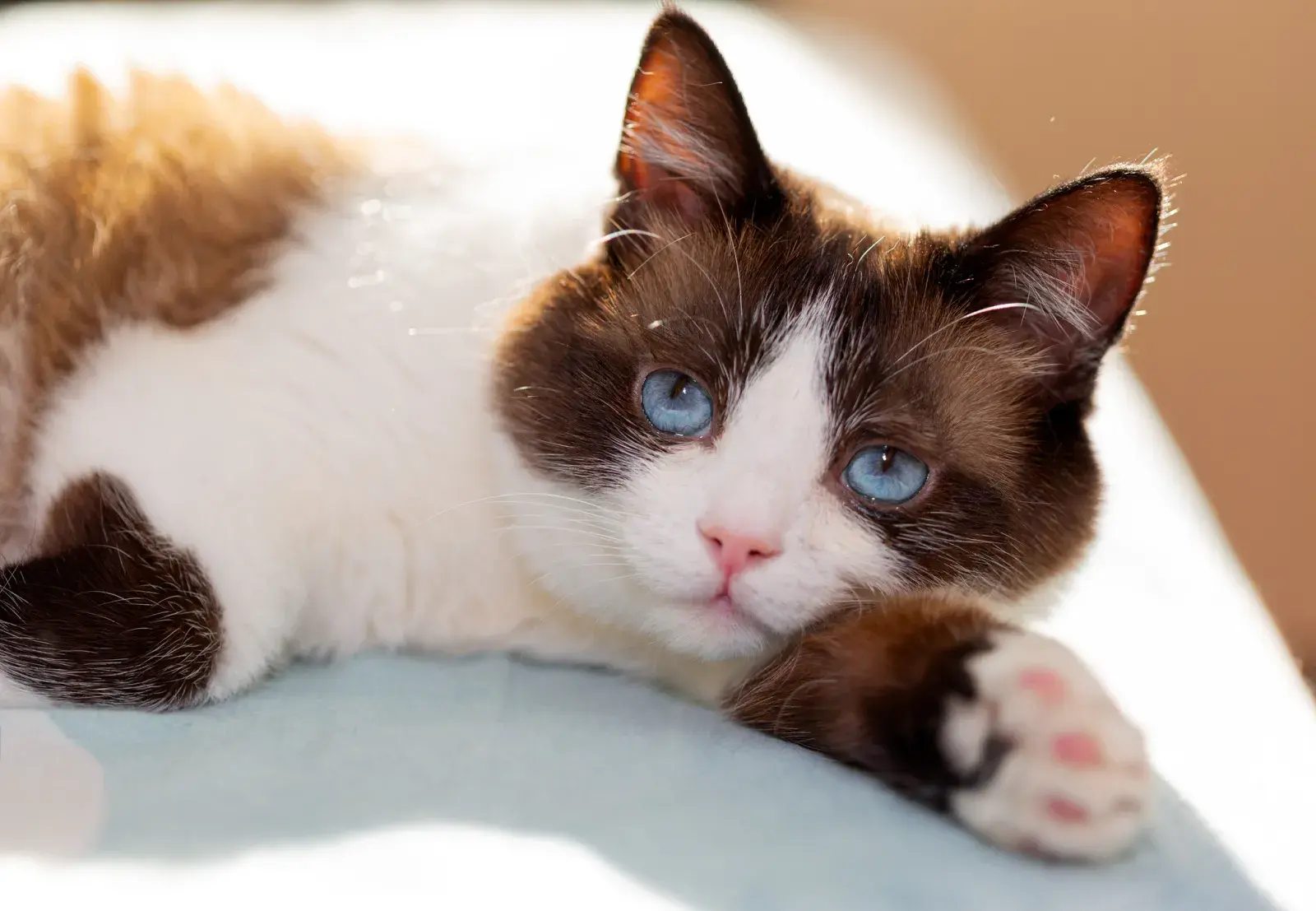
Shedding also reflects a cat’s health. Excessive shedding may indicate stress or illness. Regular, moderate shedding shows a healthy coat. Choosing breeds with controlled shedding helps monitor their well-being easily.
Credit: www.newsweek.com
Traits Of Low-shedding Cats
Low-shedding cats have unique features that help reduce the amount of fur they lose. These traits come from their coat type, genes, and how they are cared for. Understanding these factors can help you choose the best cat for a cleaner home. Shedding varies a lot between breeds. Some cats naturally lose less hair due to their physical traits. Others need special grooming to keep shedding low.
Coat Types And Shedding
Cat coats vary in length and texture. Short-haired cats usually shed less than long-haired ones. Some breeds have hair that grows slowly or falls out less often. Cats with curly or wavy coats often lose less fur. Their hair tends to stay attached longer. Cats with double coats shed more because they have two layers of fur. Single-layer coats help reduce shedding. The type of coat affects how much fur ends up on your clothes and furniture.
Genetic Factors
Genes play a big role in shedding. Some breeds are born with traits that limit hair loss. For example, the Sphynx has almost no fur, so it sheds very little. Other breeds like the Russian Blue have dense, short fur that stays put. Genetics decide how often a cat molts or replaces its fur. Breeds that shed less have genes that slow down this process. This makes them better for people who want less hair around the house.
Grooming Influence
Regular grooming can reduce shedding. Brushing removes loose hair before it falls off. It also helps spread natural oils for a healthy coat. Cats that get brushed often shed less indoors. Bathing can help, but it should be done carefully. Grooming prevents mats and tangles that cause more hair loss. Even low-shedding cats benefit from gentle grooming routines. It keeps their fur clean and reduces the amount of loose hair.
Top Low-shedding Cat Breeds
Some cats shed less than others. This makes certain breeds perfect for people with allergies or those who dislike cleaning fur. Low-shedding cats keep your home cleaner and your clothes fur-free.
These cat breeds have unique coats that shed very little. They still need care but cause less mess. Below are some popular low-shedding cat breeds to consider.
Sphynx
The Sphynx is known for its lack of fur. This breed has smooth, soft skin instead of a coat. It sheds almost nothing but requires regular baths to keep skin healthy.
Russian Blue
Russian Blues have dense, short fur that rarely sheds. Their coat traps loose hair. This breed is gentle and quiet, making it a good indoor pet.
Balinese
Balinese cats have long, silky hair that sheds very little. They have a single coat instead of a double one. This makes brushing easier and reduces shedding.
Bengal
Bengals have short, sleek fur that stays close to their body. They shed less than many other short-haired breeds. Bengals are active and love to play.
Siberian
Siberians have thick, water-resistant coats but shed less than expected. Their fur traps loose hair inside. Regular grooming helps keep shedding under control.
Devon Rex
Devon Rex cats have soft, curly fur. Their coat is thin and sheds very little. They are playful and enjoy human company.
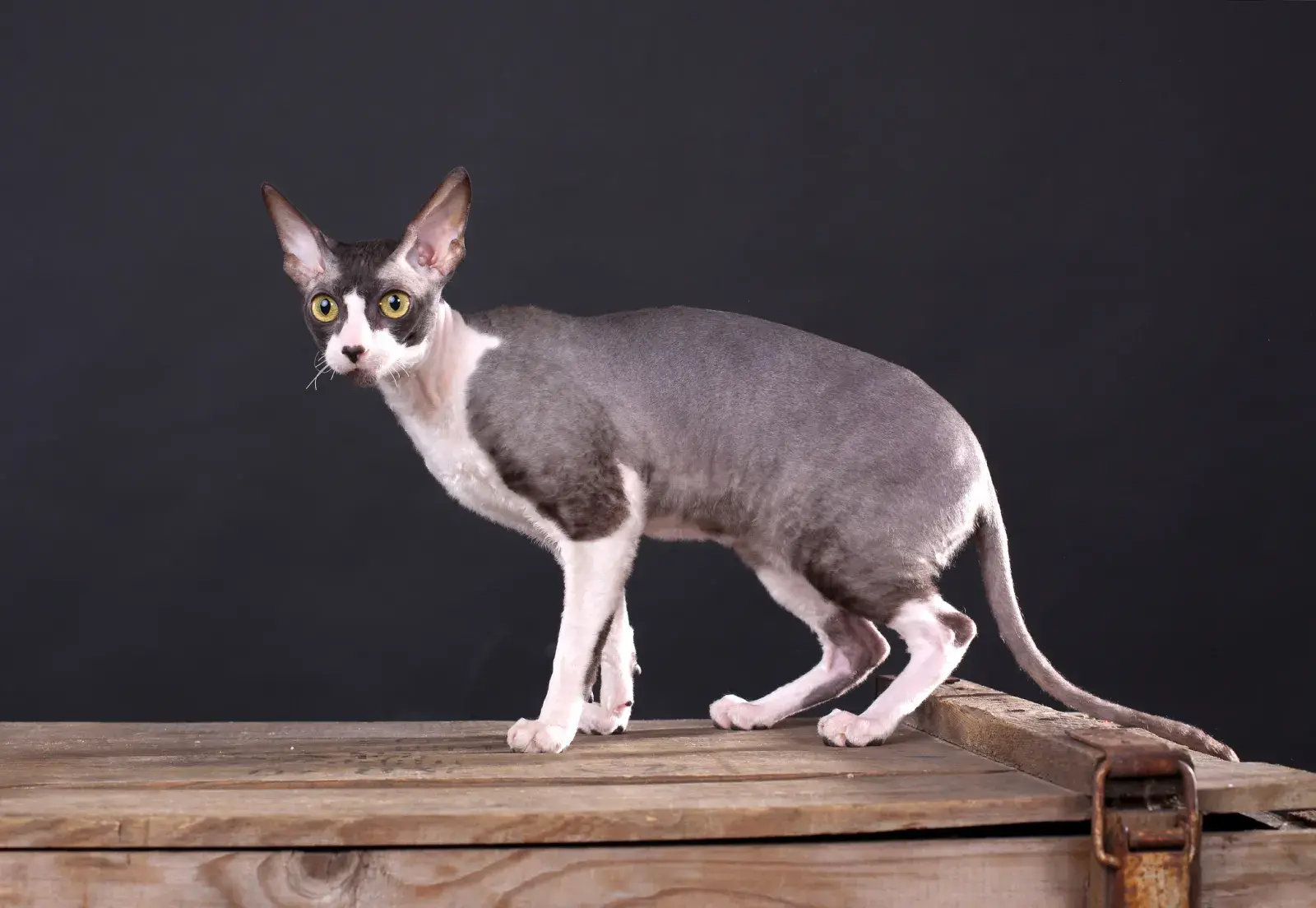
Cornish Rex
Cornish Rex cats have short, wavy fur that feels like velvet. They shed less than most cats. They are friendly and active pets.
Oriental Shorthair
Oriental Shorthairs have short, fine coats that shed minimally. Their fur is easy to care for. They are social and enjoy being around people.
Credit: www.newsweek.com
Caring For Low-shedding Cats
Caring for low-shedding cats is easier than you think. These cats lose less hair, which means less cleaning. Still, they need good care to stay healthy and happy. Proper care helps keep their coat shiny and skin healthy.
Grooming Tips
Brush your cat regularly to remove loose fur. Use a soft brush designed for cats. This prevents hair from building up. Bathing is rarely needed but can help if your cat gets dirty. Check their ears and eyes for dirt or signs of infection. Trim their nails to avoid scratches and damage.
Diet And Nutrition
Feed your cat a balanced diet with high-quality food. Good nutrition supports a healthy coat and skin. Include foods rich in omega-3 and omega-6 fatty acids. These help reduce shedding and improve fur texture. Always provide fresh water to keep your cat hydrated.
Regular Vet Visits
Schedule vet visits twice a year for health check-ups. Vets can spot skin problems early. Vaccinations keep your cat safe from diseases. Discuss any changes in shedding or behavior with your vet. Early treatment keeps your cat comfortable and healthy.
Choosing The Right Cat For You
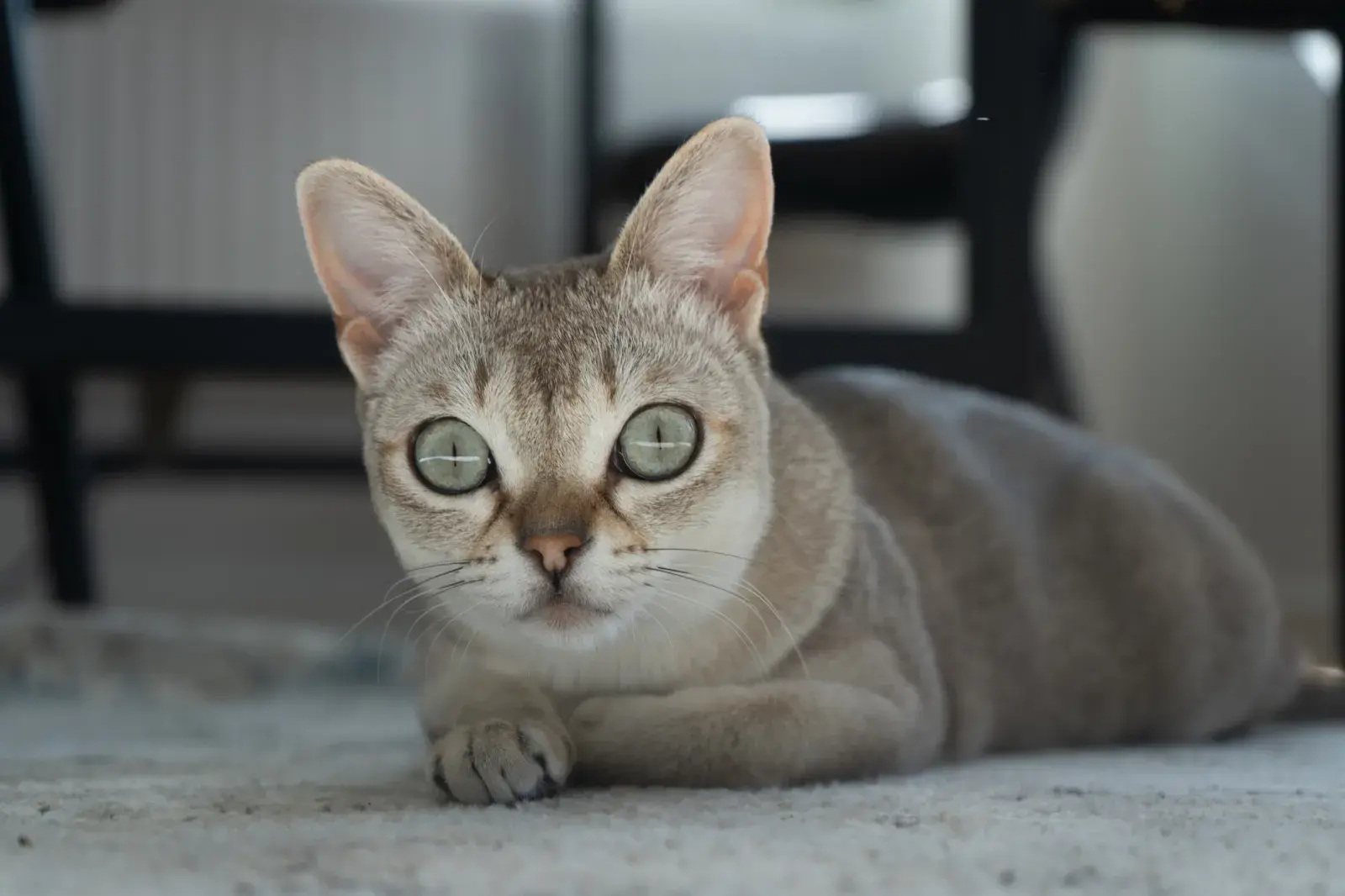
Choosing the right cat for you means thinking about many things. Cats have different needs and personalities. Some cats shed a lot, while others shed very little. Picking a low-shedding cat can help keep your home cleaner. It can also reduce allergies for you or your family. Understanding your lifestyle and preferences makes this choice easier.
Lifestyle Considerations
Your daily routine affects what kind of cat fits best. Busy people may prefer cats that need less attention. Some cats like to play all day. Others enjoy quiet time and naps. Space matters too. Small apartments work better with smaller or calm cats. Think about how much time you can spend with a pet. This helps you choose a cat that matches your life.
Allergy Management
Allergies are a big reason to pick low-shedding cats. Some breeds produce fewer allergens. These cats shed less fur and dander. It lowers the chance of allergy symptoms. Regular cleaning also helps. Using air purifiers and washing bedding often keeps allergens down. Knowing your allergy level guides the right cat choice.
Adoption Vs Breeder
Adopting a cat saves lives and supports shelters. Many low-shedding cats wait for homes there. Shelters often know about cat traits and health. Breeders can provide specific breeds if you want. They offer detailed history and care tips. Both options have benefits. Choose what feels best for you and your new pet.
Credit: www.newsweek.com
Frequently Asked Questions
Which Cat Breeds Shed The Least?
Breeds like the Sphynx, Russian Blue, and Siamese shed very little. Their fur is short or minimal, reducing shedding significantly. These cats are ideal for people with allergies or those who prefer low-maintenance grooming.
Are Hypoallergenic Cats Always Low-shedding?
Not always. Hypoallergenic cats produce fewer allergens but may still shed. Low-shedding breeds reduce hair around the home. Combining both traits helps allergy sufferers better manage symptoms.
How Often Should Low-shedding Cats Be Groomed?
Even low-shedding cats need weekly grooming. This helps remove loose hairs and keeps their coat healthy. Regular brushing also reduces allergen buildup and minimizes shedding further.
Can Diet Affect A Cat’s Shedding Amount?
Yes. A balanced diet with omega-3 fatty acids improves coat health. Healthy skin reduces excessive shedding and promotes a shiny, soft coat. Consult your vet for the best diet plan.
Conclusion
Choosing a cat breed that sheds less can make pet care easier. Breeds like the Siamese, Bengal, and Russian Blue shed very little. They help keep your home cleaner and reduce allergies. Remember, every cat is unique, and care matters most.
Regular grooming still helps keep shedding under control. Enjoy the company of a low-shedding cat for a happier, cleaner home.