

Are you passionate about cats and thinking about turning that love into something more? Getting into cat breeding can be rewarding, but it’s not something to take lightly.
You need to know the right steps, care for your cats properly, and understand what it takes to raise healthy kittens. If you want to learn how to start cat breeding the smart way, this guide will walk you through everything you need.
Keep reading to discover how you can make your dream a reality while keeping your cats happy and healthy.
Choosing The Right Breed
Choosing the right breed is a key step in cat breeding. The breed affects care needs, temperament, and breeding success. Pick a breed that fits your lifestyle and goals. Learn about popular breeds, their traits, and health to make a smart choice.
Popular Cat Breeds For Breeding
Some cat breeds are easier to breed than others. Persian cats have long hair and calm personalities. Siamese cats are vocal and social. Maine Coons are large and friendly. Each breed has unique features that attract different buyers. Research these popular breeds to see what suits you best.
Matching Breed Traits To Your Lifestyle
Choose a breed that fits your daily routine. Active breeds like Abyssinians need more playtime. Quiet breeds like British Shorthairs require less attention. Consider space, time, and energy you can give. Matching your lifestyle with breed traits ensures a happy home for cats and breeders.
Health And Temperament Considerations
Check breed health history before starting breeding. Some breeds have inherited diseases like heart or kidney problems. Temperament matters too; some cats may be shy or aggressive. Choose healthy cats with good temperaments for better breeding results. Healthy cats make healthy kittens and happy owners.
Setting Up A Breeding Space
Setting up a proper breeding space is key for cat breeding success. This space must keep cats safe and comfortable. It also helps manage health and cleanliness. A well-organized area makes breeding easier and less stressful. Below are essential tips for creating the best breeding space.
Creating A Safe Environment
Choose a quiet and calm room for breeding. Limit noise and activity to reduce stress. Make sure the area is free from hazards like sharp objects. Provide soft bedding for cats to rest on. Keep the space warm but well-ventilated. Safety helps cats feel secure and healthy.
Essential Equipment And Supplies
Prepare essentials before starting breeding. Use separate litter boxes for each cat. Have food and water bowls in easy reach. A heating pad can keep kittens warm. Stock up on kitten formula and feeding bottles. Keep a first aid kit nearby for emergencies. These tools support cat care and comfort.
Maintaining Cleanliness And Hygiene
Clean the breeding space daily to avoid illness. Change bedding often and wash litter boxes regularly. Use pet-safe disinfectants to kill germs. Wash hands before and after handling cats. Keep food and water bowls clean every day. Good hygiene protects cats and kittens.
Learning Breeding Basics
Starting cat breeding requires a solid understanding of the basics. Learning these basics helps you care for cats better. It also improves your chances of successful breeding. This section covers important topics to begin your journey.
Understanding how cat genetics work, knowing the breeding cycles, and choosing the right pairs are key. These steps form the foundation of responsible cat breeding.
Understanding Cat Genetics
Cat genetics explain how traits pass from parents to kittens. Traits include fur color, eye color, and health conditions. Knowing dominant and recessive genes helps predict kitten features.
Genetics also helps avoid health problems. Breeders use this knowledge to keep cats healthy. Learning basic genetics is a must for any breeder.
Recognizing Breeding Cycles
Cats have specific breeding cycles called estrus or heat cycles. These cycles happen several times a year. A female cat is fertile only during heat.
Knowing when a cat is in heat helps plan mating. Signs include loud meowing, restlessness, and rubbing. Tracking these cycles improves breeding success.
Selecting Breeding Pairs
Choosing the right cats to breed is important. Look for healthy cats with good temperament. Avoid breeding cats with genetic diseases.
Pairs should complement each other’s traits. This creates better kittens and reduces health risks. Careful selection leads to strong, healthy litters.
Health And Care Management
Health and care management is key for successful cat breeding. Healthy cats produce strong kittens. Good care prevents many problems and keeps cats happy. Focus on regular health checks, proper feeding, and disease prevention.
Routine Veterinary Care
Schedule regular vet visits for all breeding cats. Vets check for infections and genetic issues. Keep vaccinations up to date. Test cats for parasites and common diseases. Early detection saves lives and avoids costly treatments later.
Nutrition For Breeding Cats
Feed breeding cats high-quality food rich in protein. Proper nutrition supports pregnancy and milk production. Provide fresh water at all times. Avoid sudden diet changes. Consult a vet for special supplements during pregnancy.
Preventing Common Health Issues
Keep cats indoors to reduce disease risk. Maintain clean living spaces to avoid infections. Watch for signs of illness like lethargy or poor appetite. Isolate sick cats quickly to stop spread. Regular parasite control protects all cats.
Handling Pregnancy And Kittens
Handling pregnancy and kittens is a key part of cat breeding. It needs care, patience, and attention. A healthy mother cat helps produce strong, happy kittens. Knowing how to support a pregnant cat and care for newborns is important for any breeder. This section explains the steps to monitor pregnancy, prepare for birth, and care for the kittens.
Monitoring Pregnant Cats
Watch your cat for signs of pregnancy. She may eat more and become tired. Check her weight weekly to see steady growth. Provide a quiet, warm place for her to rest. Keep her away from stress or loud noises. Regular vet visits confirm the pregnancy and health.
Preparing For Birth
Create a safe, clean nesting area for the mother. Use soft blankets or towels in a box or quiet corner. Keep the space warm but not hot. Gather supplies like clean towels, scissors, and iodine. Know the signs of labor: restlessness, panting, and nesting. Have your vet’s number ready for emergencies.
Caring For Newborn Kittens
Newborn kittens need warmth and feeding. The mother usually cares for them well. Check that all kittens are nursing and breathing. Keep the nest clean and dry. Handle kittens gently and only when needed. Watch for signs of illness like weakness or no weight gain. Contact your vet if problems arise.
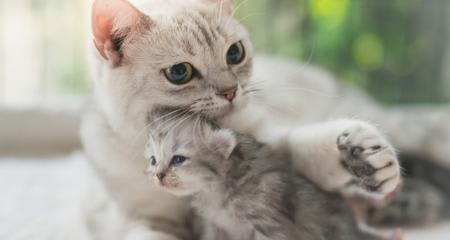
Credit: www.petco.com
Building Your Reputation
Building your reputation is a key step in cat breeding. It helps others trust you and your cats. A strong reputation leads to more interest and better connections. Focus on honest work and clear communication. This creates a good name that lasts.
Networking With Other Breeders
Connect with experienced breeders in your area and online. Join cat clubs and attend cat shows to meet people. Share your knowledge and learn from others. Good relationships can bring advice and support. They may also help you find healthy mates for your cats.
Marketing Your Cats
Show your cats’ best qualities with clear photos and descriptions. Use social media and websites to reach more people. Be honest about your cats’ health and traits. Answer questions quickly and politely. Happy buyers tell others about you, building your reputation.
Maintaining Ethical Breeding Practices
Always put your cats’ health first. Avoid breeding cats with health problems or poor traits. Keep clean and safe living spaces for your cats. Give them proper food, care, and love. Ethical work earns respect and trust from buyers and breeders.
Navigating Legal And Financial Aspects
Starting cat breeding involves more than love for cats. Understanding legal and financial matters is important. These rules protect you and your cats. Planning your budget helps avoid surprises. Keeping good records keeps everything clear and organized.
Licenses And Regulations
Check your local laws about cat breeding. Many places require a license to breed cats. Rules may cover how many cats you can keep. Some areas need inspections of your breeding space. Follow animal welfare laws to keep cats safe. Not following rules can lead to fines or closure.
Budgeting And Expenses
Breeding cats costs money. Think about food, vet visits, and supplies. Plan for unexpected medical bills or emergencies. Costs for registering kittens and marketing them add up. Save money before starting. Keep track of all expenses for future planning.
Record Keeping And Documentation
Good records keep your breeding business organized. Track each cat’s health, vaccinations, and breeding history. Keep copies of licenses and legal documents. Record all expenses and income carefully. Clear documents help with taxes and legal checks. Easy access to information helps you manage your cats well.

Credit: www.catbreedingforbeginners.com

Credit: www.wired.com
Frequently Asked Questions
What Are The First Steps To Start Cat Breeding?
Begin by researching cat breeds and breeding basics. Find a reputable mentor. Prepare a safe, clean environment for your cats. Understand health, genetics, and breeding ethics before starting.
How Much Does Cat Breeding Cost Initially?
Initial costs include purchasing quality breeding cats, veterinary care, and supplies. Expect to spend $1,000 to $5,000 or more, depending on breed and setup.
What Health Checks Are Essential Before Breeding Cats?
Ensure cats have vaccinations, genetic testing, and regular vet exams. Screen for hereditary diseases common in the breed to prevent passing issues to kittens.
How Long Does It Take To Become A Cat Breeder?
Learning and preparation can take several months to a year. Experience grows with each breeding cycle and ongoing education.
Conclusion
Starting cat breeding takes patience and care. Know your cat breeds well. Always keep your cats healthy and happy. Learn about genetics and proper care. Join groups to share and gain knowledge. This hobby can bring joy and rewards. Stay committed and keep learning each day.
Your cats will thank you for it.