
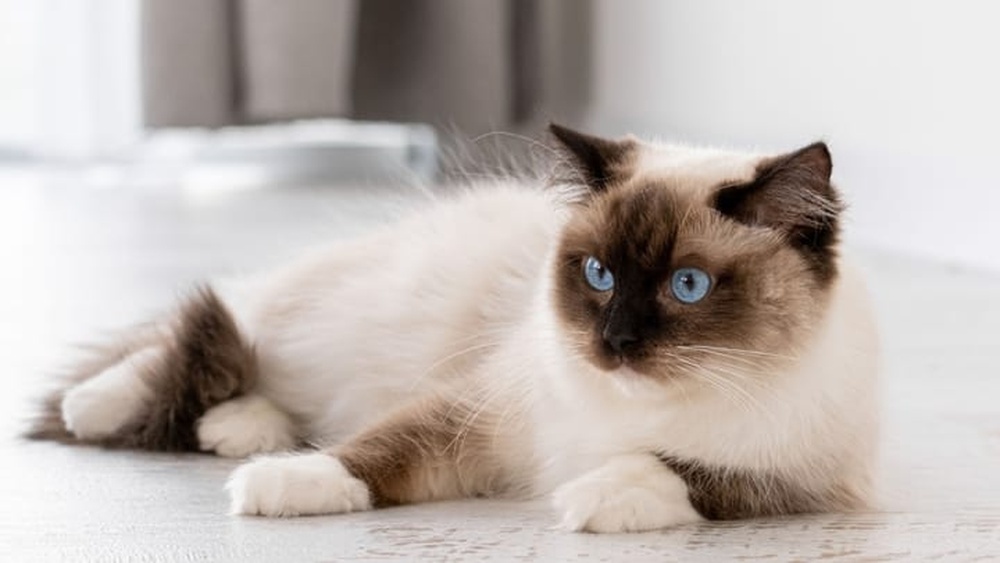
Are you curious about what makes a Ragdoll cat so unique? If you’ve ever admired their striking blue eyes and gentle nature, you might wonder where these charming cats come from.
Understanding the breeds that make up a Ragdoll can help you appreciate their personality and care needs even more. You’ll discover the fascinating mix of breeds behind the Ragdoll’s soft fur and loving temperament. Keep reading to uncover the story behind your next feline friend.

Credit: poshraggies.com
Ragdoll Cat Origins
The origins of the Ragdoll cat trace back to a unique mix of breeds. This breed stands out for its gentle nature and striking looks. Understanding where the Ragdoll comes from helps appreciate its special traits.
Ragdolls have a calm and loving personality. Their history reveals how these cats became so popular among pet lovers worldwide.
Early History
The Ragdoll breed started in the 1960s. It began with a white cat named Josephine. She was found in a California home and showed a relaxed nature. Josephine had a soft coat and blue eyes.
Breeders noticed her calm behavior when held. She often went limp, like a ragdoll toy. This trait gave the breed its name. Early Ragdolls came from crossing Josephine with other cats.
First Breeders
Ann Baker was the first breeder of Ragdolls. She worked to keep the breed’s unique traits. Baker crossed Josephine with other cats, including Persians and Birmans.
Her goal was to create a large, affectionate cat with striking colors. Baker set strict rules for breeding and selling Ragdolls. This helped protect the breed’s quality and health.
Thanks to these early breeders, Ragdolls became a recognized and loved breed worldwide.
Key Breeds Behind Ragdolls
The Ragdoll cat is a mix of several unique breeds. Each breed adds special traits that shape the Ragdoll’s look and personality. Understanding these breeds helps explain why Ragdolls are so loved. Their gentle nature and striking appearance come from a blend of Birman, Persian, and Siamese cats.
These key breeds give Ragdolls their soft fur, calm temperament, and bright blue eyes. Let’s explore how each breed influenced the Ragdoll’s development.
Birman Influence
Birmans contribute to the Ragdoll’s soft, silky coat. They also add the beautiful color points on the ears, face, paws, and tail. Birmans are known for their calm and friendly personalities. This calmness passed on to Ragdolls, making them gentle and loving pets.
Persian Traits
Persians add to the Ragdoll’s long, plush fur. They also influence the cat’s large, sturdy body shape. Persians have a quiet and sweet nature. This helps Ragdolls stay relaxed and easygoing. The Persian genes help give Ragdolls their luxurious fur texture and calm temperament.
Siamese Ancestry
Siamese cats bring the striking blue eyes seen in Ragdolls. They also give Ragdolls their pointed color patterns. Siamese cats are playful and social, traits that show in Ragdolls too. This ancestry adds a lively and affectionate side to the Ragdoll’s personality.
Genetic Traits And Features
The genetic traits and features of Ragdoll cats make them truly special. These traits define their unique look and gentle nature. Ragdolls come from a mix of breeds, which influences their appearance and behavior. Understanding these features helps appreciate what makes Ragdolls one of the most loved cat breeds.
Coat Patterns
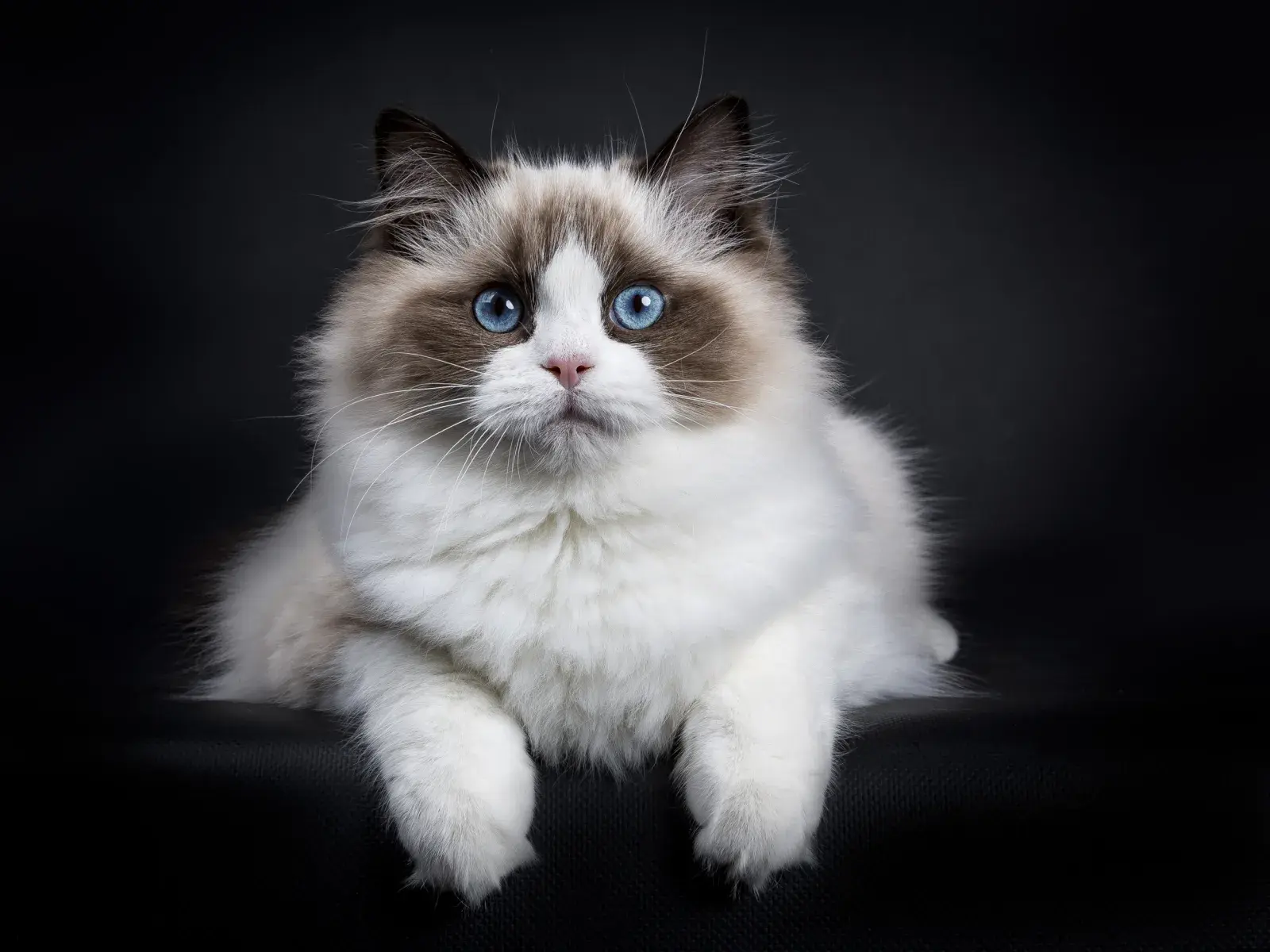
Ragdolls have soft, medium-long fur that feels silky. Their coats come in several patterns. The most common are colorpoint, mitted, and bicolor. Colorpoint means the ears, face, paws, and tail have darker colors. Mitted Ragdolls have white paws and often a white chin or belly. Bicolor cats show a mix of white and colored patches. These patterns come from specific genes passed down from their parents.
Eye Color
One of the most striking features of Ragdolls is their bright blue eyes. This deep blue color is a genetic trait linked to their coat pattern. All Ragdolls have blue eyes, but the shade can vary from light to intense. The blue eyes add to their calm and enchanting appearance. It’s a key feature that many cat lovers admire.
Temperament
Ragdolls are famous for their calm and gentle nature. They are friendly, loving, and enjoy being held. These cats rarely show aggression and often relax completely when picked up. Their temperament comes from their breeding, which focused on creating a sweet and social companion. Ragdolls get along well with children and other pets, making them perfect family cats.
Credit: www.newsweek.com
Breeding Practices
Breeding practices shape the unique qualities of Ragdoll cats. Careful choices in breeding help keep their gentle nature and striking look. Breeders follow strict methods to ensure healthy, beautiful kittens that match the Ragdoll breed.
These practices focus on both the cat’s health and its appearance. The goal is to keep the breed pure and consistent. This process requires knowledge, patience, and attention to detail.
Selective Breeding
Selective breeding means choosing parent cats with the best traits. Breeders pick Ragdolls with calm temperaments and soft coats. They avoid cats with health problems or weak features. This careful selection improves the breed over time. It helps keep Ragdolls friendly, large, and fluffy.
Maintaining Breed Standards
Breed standards describe the ideal Ragdoll cat’s look and behavior. These rules guide breeders to produce kittens that meet expectations. Standards include eye color, coat pattern, and size. Breeders check each cat against these rules. They ensure every kitten fits the Ragdoll image perfectly.
Unique Qualities Of Ragdolls
The ragdoll cat is known for many unique qualities that set it apart from other breeds. These cats have a gentle nature and a striking appearance. Their calm personality makes them great companions. They are large, fluffy, and have beautiful blue eyes. People often notice their relaxed and loving behavior. Ragdolls are special in both looks and temperament.
Physical Characteristics
Ragdolls are large cats with muscular bodies. Their fur is medium to long, soft, and silky. The coat colors include seal, blue, chocolate, and lilac. They have a color-point pattern, meaning their ears, face, paws, and tail are darker. Their eyes are always a clear, bright blue. Their paws are big and round, adding to their charming look. Their tails are fluffy and long. All these features make ragdolls easy to recognize.
Behavioral Traits
Ragdolls are calm and very friendly. They often follow their owners around the house. They enjoy being held and cuddled, rarely struggling to get free. These cats are gentle, making them good with children and other pets. They are quiet and rarely meow loudly. Ragdolls like to play but are not overly active. They trust their humans deeply and enjoy close contact. This breed is known for its loving and easygoing nature.
Credit: www.embracepetinsurance.com
Frequently Asked Questions
What Breeds Contributed To The Ragdoll Cat?
Ragdoll cats primarily descend from the Birman, Burmese, and Persian breeds. These breeds contributed to the Ragdoll’s affectionate nature and plush coat.
How Does The Birman Breed Influence Ragdolls?
The Birman breed influenced Ragdolls with its striking blue eyes and colorpoint patterns. This adds to the Ragdoll’s unique appearance and gentle temperament.
Are Ragdolls Related To Persian Cats?
Yes, Ragdolls share some traits with Persian cats, like their long fur and calm personality. However, Ragdolls are generally larger and more laid-back.
Do Burmese Cats Affect Ragdoll Characteristics?
Burmese cats contributed to the Ragdoll’s playful and social behavior. This breed helped shape the Ragdoll’s friendly and outgoing nature.
Conclusion
Ragdoll cats come from a mix of gentle and calm breeds. Their unique look and sweet nature attract many cat lovers. Knowing their breed background helps you understand their behavior. These cats enjoy being held and loved. They suit families and quiet homes well.
Choosing a Ragdoll means welcoming a friendly, soft companion. Their breed mix gives them charm and warmth. A Ragdoll cat can bring joy and comfort every day.