
Grooming a skittish cat can feel like a challenge. You want your furry friend to stay clean and comfortable, but they might run away or hide the moment you reach for the brush.
If you’ve ever struggled to keep your anxious cat calm during grooming, you’re not alone. The good news is, with the right approach, you can turn grooming time into a peaceful and even enjoyable experience for both of you. Keep reading to discover simple, effective tips that will help you care for your shy cat without stress or struggle.
Preparing Your Cat For Grooming
Preparing your skittish cat for grooming needs care and patience. This step helps reduce stress and makes grooming easier. Start by understanding your cat’s mood and creating a peaceful setting. Prepare tools ahead to avoid sudden movements. Each small action builds trust and comfort.
Creating A Calm Environment
Choose a quiet room with few distractions. Soft lighting and gentle sounds help your cat relax. Avoid loud noises and sudden movements around your cat. Speak softly and move slowly. A calm atmosphere makes your cat feel safe.
Choosing The Right Time
Pick a time when your cat feels relaxed and sleepy. After a meal or a nap works best. Avoid grooming during high-energy times. Watch your cat’s body language for signs of stress. Grooming at the right time lowers anxiety and resistance.
Gathering Essential Tools
Collect all grooming tools before you start. Use a soft brush, nail clippers, and a towel. Keep treats nearby for rewards. Prepare everything in one spot to avoid interruptions. Having tools ready helps the session go smoothly.
Building Trust And Comfort
Building trust and comfort is the first step to grooming a skittish cat. Cats that are nervous need gentle care and patience. Creating a calm environment helps your cat feel safe. Small, steady actions build a bond. This bond makes grooming easier and less stressful for both of you.
Using Gentle Touches
Start by petting your cat softly. Use slow, smooth strokes on safe areas like the head and back. Avoid sudden movements. Let your cat guide your touch. Keep your hands warm and quiet. Gentle touches help calm a fearful cat. They show your cat that grooming is not a threat.
Positive Reinforcement Techniques
Reward your cat for calm behavior during grooming. Use treats or soft words. Praise your cat often. This creates a positive link to grooming time. Give rewards right after gentle petting or brushing. Positive reinforcement helps your cat enjoy grooming more. It encourages calm and relaxed behavior.
Recognizing Stress Signals
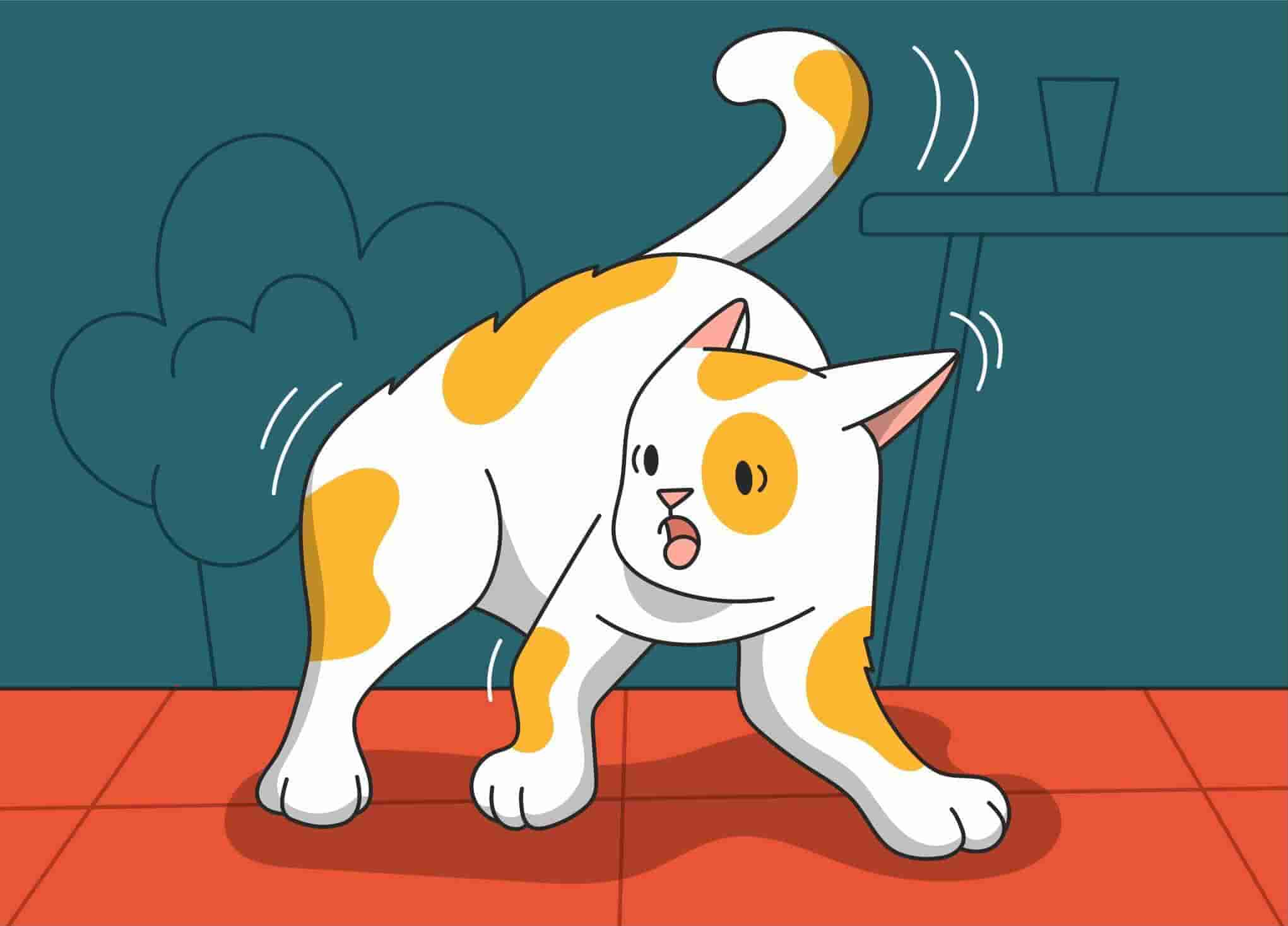
Watch your cat’s body language closely. Signs of stress include flattened ears, wide eyes, or twitching tail. If your cat freezes or tries to hide, stop grooming. Take breaks to let your cat relax. Recognizing these signs prevents fear from growing. It helps keep grooming sessions safe and gentle.
Step-by-step Grooming Process
Grooming a skittish cat takes patience and care. The process needs to be slow and gentle. Each step helps your cat feel safe and calm. Small sessions work best to avoid stress. Watch your cat’s reactions and stop if needed.
Brushing Techniques For Sensitive Cats
Start with a soft brush made for cats. Let your cat sniff the brush first. Brush in the direction of the fur. Use short, gentle strokes. Focus on small areas at a time. Stop if your cat shows signs of fear. Praise your cat with calm words and treats.
Handling Nails And Paw Care
Hold your cat gently but firmly. Touch the paws softly to get them used to it. Use a small nail clipper made for cats. Trim only the sharp tips of the nails. Avoid cutting too close to the skin. Praise your cat after each paw is done. If your cat resists, try again later.
Bathing Tips For Nervous Cats
Use a shallow basin with warm water. Place a non-slip mat at the bottom. Speak softly to keep your cat calm. Wet your cat slowly, avoiding the face. Use a mild cat shampoo in small amounts. Rinse carefully to remove all soap. Wrap your cat in a towel to dry gently.
Credit: petcube.com
Managing Challenges During Grooming
Grooming a skittish cat can be tough. Cats may feel scared or stressed. This can lead to problems like scratching or biting. Understanding how to handle these challenges helps keep grooming safe and calm.
Dealing With Scratching And Biting
Scratching and biting are common when cats feel scared. Stay calm and gentle. Use slow movements to avoid startling your cat. Wearing gloves can protect your hands. Try to distract your cat with a toy or treat. Do not punish your cat. This can make them more fearful.
When To Take Breaks
Notice signs of stress like growling or trying to escape. Stop grooming if your cat seems upset. Short breaks help your cat relax. Let your cat calm down before you start again. Patience is key to building trust over time.
Seeking Professional Help
Some cats need extra help with grooming. A professional groomer or vet can assist safely. They know how to handle nervous cats. Ask for advice on tools and techniques. Professional care can make grooming easier for both of you.
Long-term Care And Maintenance
Long-term care and maintenance are key to keeping a skittish cat calm during grooming. Patience and consistency build trust over time. This trust helps your cat feel safe and less scared. Regular grooming becomes easier with steady care. Healthy skin and fur also depend on ongoing attention.
Establishing A Routine
Set a regular grooming schedule. Choose quiet times when your cat is calm. Short sessions work best to avoid stress. Use the same tools each time for comfort. A steady routine helps your cat know what to expect. This predictability reduces fear and anxiety.
Health Benefits Of Regular Grooming
Grooming removes loose hair and dirt. It prevents mats and tangles that cause pain. Brushing also spreads natural oils for shiny fur. Regular checks spot skin problems early. Grooming helps you notice lumps or wounds. Your cat stays healthier with gentle care.
Adapting To Your Cat’s Needs
Watch your cat’s reactions during grooming. Some may prefer gentle strokes, others quick brushing. Change your approach based on your cat’s mood. Use soft brushes for sensitive skin. Stop if your cat seems stressed or scared. Respecting their limits builds trust for the future.

Credit: www.reddit.com

Credit: www.reddit.com
Frequently Asked Questions
How Do I Calm A Skittish Cat Before Grooming?
Create a quiet, comfortable space and use gentle, slow movements. Speak softly and offer treats to build trust. Avoid sudden noises or fast actions that may scare your cat.
What Tools Are Best For Grooming A Nervous Cat?
Use a soft-bristle brush and a comb with rounded tips. Choose lightweight, quiet tools to minimize stress. Avoid noisy clippers unless necessary and introduce tools gradually.
How Often Should I Groom A Skittish Cat?
Groom your cat weekly or as needed to prevent matting. Short sessions work best to avoid overwhelming them. Regular grooming helps your cat feel comfortable and builds trust.
Can Grooming Reduce My Cat’s Anxiety?
Yes, gentle grooming can soothe and relax your cat. It strengthens your bond and provides positive physical contact. Always watch for signs of stress and stop if needed.
Conclusion
Grooming a skittish cat takes time and patience. Start slow and watch your cat’s reactions. Use gentle touches and calm voices to build trust. Short grooming sessions work best for nervous cats. Always offer treats and praise to encourage good behavior.
Keep the environment quiet and safe during grooming. With care, your cat will grow more comfortable over time. Small steps lead to a happy, well-groomed pet. Remember, every cat is unique and needs gentle care.