
Have you ever noticed your cat licking itself more than usual? You might think it’s just being clean, but when grooming turns into over grooming, it can be a sign that something is wrong.
Understanding why your cat is over grooming is important because it affects their health and happiness. You’ll discover the surprising reasons behind this behavior and what you can do to help your furry friend feel better. Keep reading to learn how to spot the signs and protect your cat from harm.
Credit: www.mspca.org
Causes Of Cat Over Grooming
Cat over grooming happens when a cat licks or bites its fur too much. This behavior can cause bald spots, redness, or sores. Understanding what causes over grooming helps find the right solution. Various reasons can make a cat groom itself excessively.
Stress And Anxiety Factors
Cats feel stress from changes in their environment. New pets, loud noises, or moving homes can cause anxiety. Over grooming becomes a way to cope with these feelings. It acts like a comfort for stressed cats.
Allergies And Skin Conditions
Allergies often cause itchiness and irritation in cats. Food, pollen, or dust can trigger these allergic reactions. Skin conditions like dermatitis also lead to discomfort. Cats lick or bite their skin to relieve the itch.
Parasites And Infections
Parasites such as fleas cause intense itching. Infections can make the skin sore and inflamed. Cats try to remove these irritations by grooming more. This can worsen the problem if left untreated.
Pain And Discomfort
Injuries or joint pain may cause a cat to focus on one spot. Grooming that area excessively can be a reaction to pain. It helps them soothe the discomfort or numb the feeling.
Behavioral Issues
Sometimes, cats develop habits that become hard to stop. Over grooming can be a compulsive behavior like pacing or scratching. Boredom or lack of stimulation may lead to this behavior.

Credit: www.reddit.com
Signs Of Over Grooming
Over grooming in cats is a sign of stress or health issues. It can cause physical harm and discomfort. Detecting signs early helps prevent serious problems. Here are common signs to watch for in your cat.
Bald Patches And Hair Loss
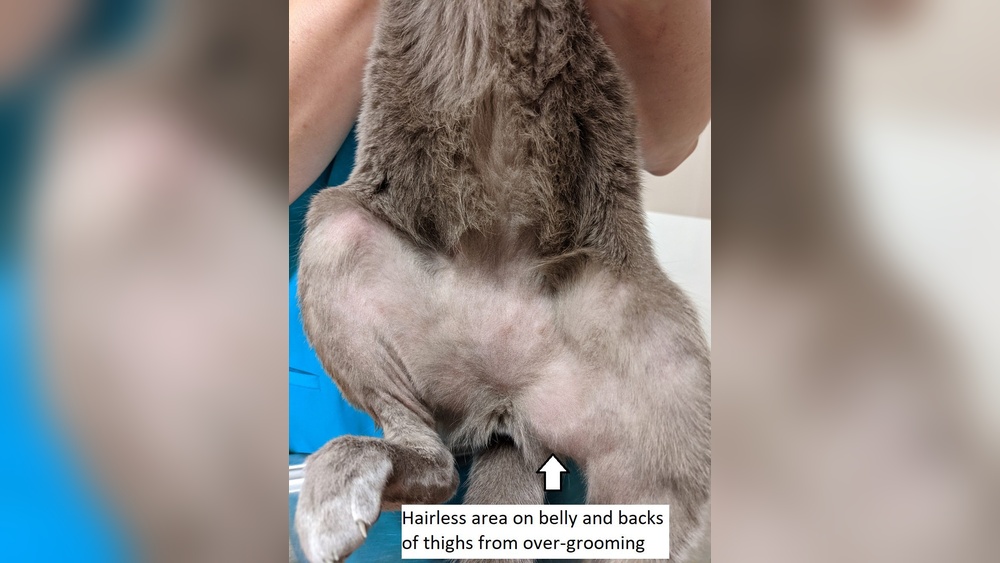
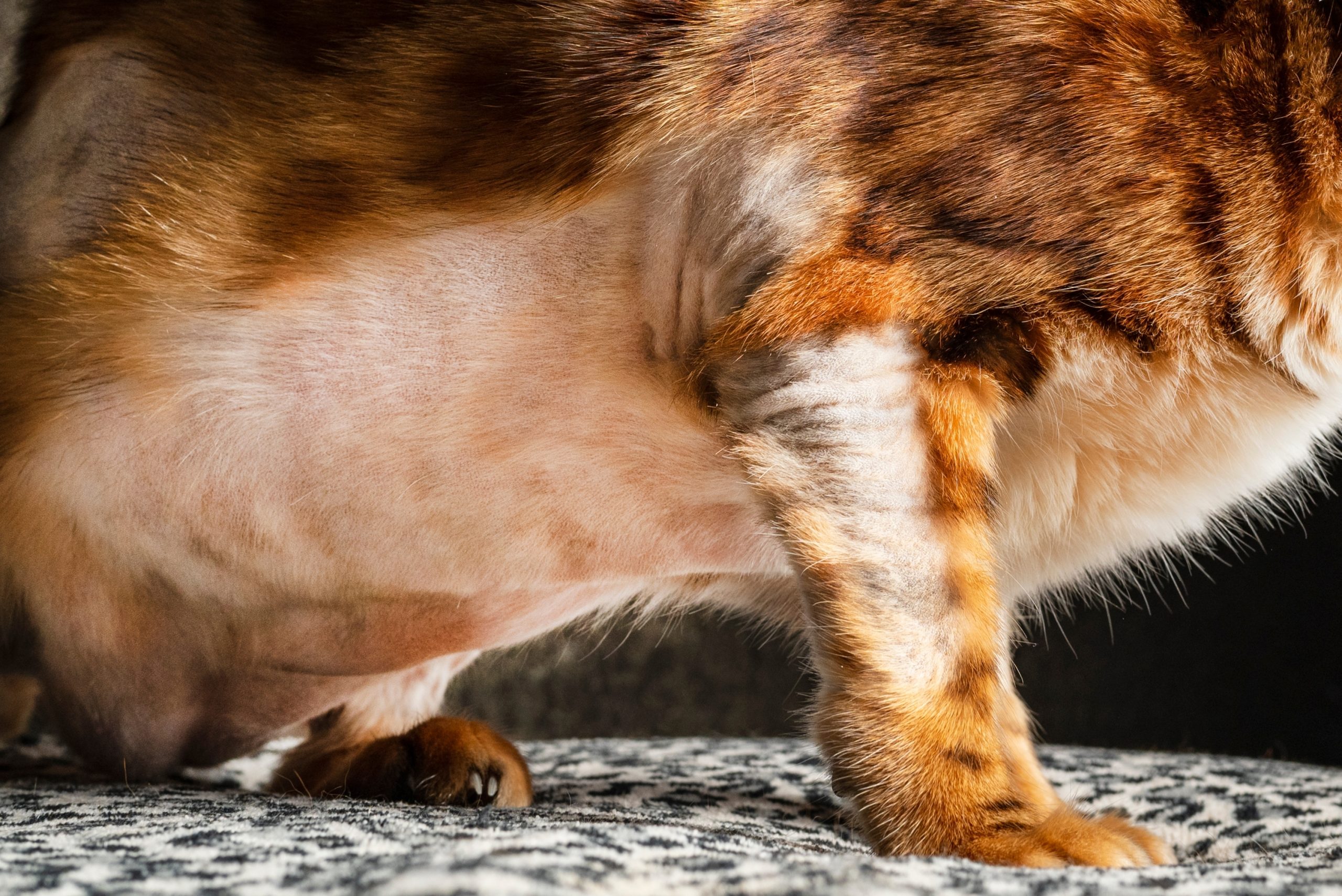
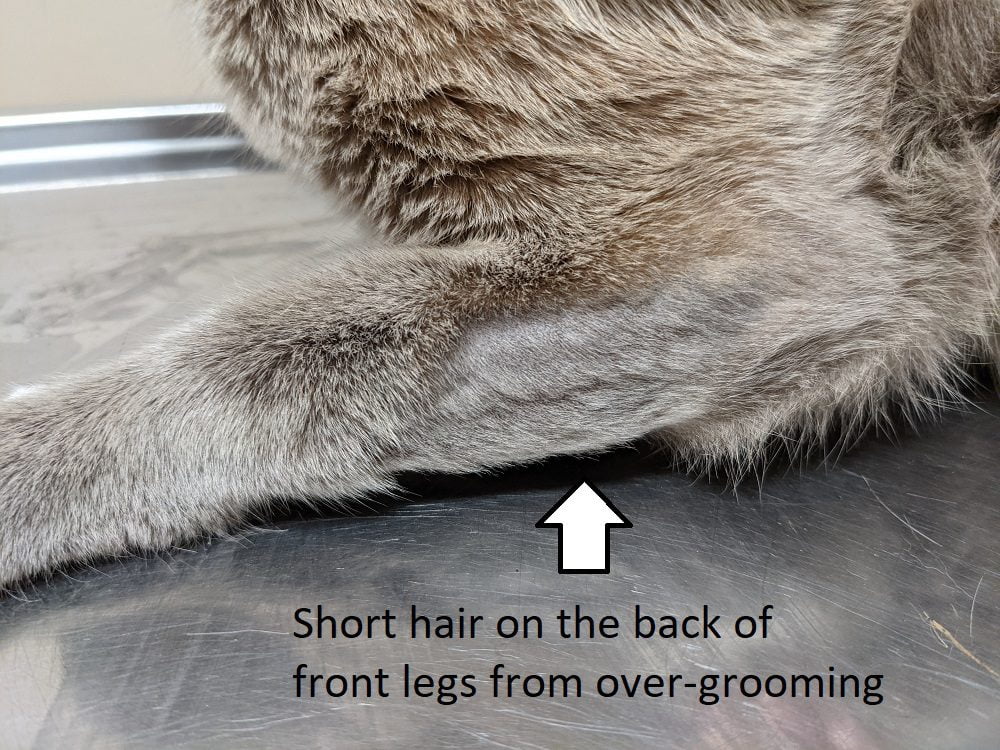
Look for areas where fur is missing or thinning. Bald patches often appear on the belly, legs, or tail. Hair loss shows your cat is grooming too much in one spot. This can lead to skin damage and infection.
Redness And Irritation
Check your cat’s skin for redness or swelling. Over grooming causes irritation and sometimes small sores. The skin might look raw or inflamed. This discomfort makes the cat lick or bite even more.
Excessive Licking And Biting
Notice if your cat licks or bites the same area often. Over grooming means repeated licking beyond normal cleaning. It may seem like your cat is obsessed with one spot. This behavior increases the risk of wounds.
Changes In Behavior
Your cat may become restless or anxious. Over grooming often links to stress or pain. Cats might hide more or avoid playing. Watch for mood swings or unusual aggression. These changes can signal grooming problems.
Diagnosing The Problem
Diagnosing cat over grooming is the first step toward helping your pet feel better. Over grooming can signal many problems. Finding the exact cause is important for proper treatment. Careful diagnosis involves checking health and behavior closely.
Veterinary Examination
A vet will start with a full physical exam. They check the skin, fur, and body condition. The vet looks for wounds, parasites, or infections. These can cause itching and discomfort. Blood tests might also be done to find internal issues.
Skin Tests And Allergy Screening
Skin tests help detect allergies or infections. The vet may take skin samples or do allergy tests. These tests find reactions to food, pollen, or fleas. Allergy screening guides treatment to reduce irritation and scratching.
Behavioral Assessment
Behavior matters in over grooming cases. Stress, anxiety, or boredom can cause cats to groom too much. A vet or behaviorist watches the cat’s habits. They look for triggers and patterns in grooming behavior.
Credit: pittwateranimalhospital.com.au
Treating Over Grooming
Treating over grooming in cats requires a careful and patient approach. The goal is to stop the behavior and help the cat feel comfortable again. Various methods work together to improve your cat’s health and happiness. Understanding each treatment option helps you choose the best care for your pet.
Medical Treatments
First, visit a veterinarian to rule out medical causes. Skin infections, allergies, or parasites can trigger over grooming. The vet might prescribe antibiotics, antifungal medicine, or anti-inflammatory drugs. These treatments reduce pain and itching. Treating the medical issue often stops the over grooming quickly.
Behavioral Therapy
Behavioral therapy helps change your cat’s habits. Training and gentle redirection teach the cat to stop excessive licking. Using toys or treats can distract your cat from grooming too much. Patience is key. Consistent and calm responses improve your cat’s behavior over time.
Environmental Enrichment
Providing a stimulating environment keeps your cat busy. New toys, scratching posts, and playtime reduce stress and boredom. Cats need mental and physical activity to stay healthy. Enrichment makes your cat feel safe and relaxed, lowering the need to over groom.
Dietary Changes
Changing your cat’s diet can improve skin and coat health. High-quality food with essential fatty acids helps reduce itching. Sometimes food allergies cause skin problems. Switching to hypoallergenic or limited ingredient diets may help. Consult your vet before making diet changes.
Preventing Over Grooming
Preventing over grooming in cats is essential for their health and happiness. Over grooming can cause skin damage and hair loss. It often signals stress or health problems. Taking steps to stop this behavior early helps avoid serious issues. Careful attention and simple actions can make a big difference.
Stress Reduction Techniques
Stress is a common cause of over grooming. Creating a calm environment helps reduce stress. Provide quiet spaces for your cat to relax. Use gentle play to distract and calm your cat. Avoid sudden changes in routine or loud noises. Consistent daily care builds a sense of security.
Regular Vet Checkups
Regular vet visits catch health problems early. Skin infections or allergies may cause over grooming. Your vet can offer treatments to relieve symptoms. Regular checkups ensure your cat stays healthy. Early care prevents worsening of skin issues.
Parasite Control
Fleas and mites cause irritation that leads to over grooming. Use vet-recommended parasite control products regularly. Check your cat’s fur for signs of pests. Keeping parasites away stops itching and discomfort. A clean environment reduces parasite risks.
Providing Mental Stimulation
Boredom triggers over grooming in many cats. Offer toys and puzzles to keep your cat busy. Rotate toys to maintain interest. Play interactive games to engage your cat’s mind. Mental activity reduces stress and stops excessive grooming.
Frequently Asked Questions
What Causes Cat Over Grooming Behavior?
Cat over grooming is usually caused by stress, allergies, parasites, or skin infections. It can also result from boredom or anxiety. Identifying the root cause is essential for proper treatment and to prevent further skin damage.
How Can I Tell If My Cat Is Over Grooming?
Look for bald spots, redness, or sores on your cat’s skin. Excessive licking or chewing in one area is a sign. If your cat spends a lot of time grooming beyond normal, it may be over grooming.
Can Allergies Make Cats Over Groom?
Yes, allergies to food, pollen, or flea bites often trigger over grooming in cats. Allergic reactions cause itching and discomfort, leading cats to lick or chew their skin excessively.
Is Cat Over Grooming A Sign Of Anxiety?
Yes, anxiety and stress are common reasons for over grooming. Changes in the environment, new pets, or loud noises can make cats anxious and cause this behavior.
Conclusion
Cat over grooming can signal stress, pain, or skin problems. Watch for bald spots, redness, or sores on your cat. Early action helps prevent further harm. Give your cat a calm, safe space to relax. Regular vet visits catch health issues early.
Understanding why your cat overgrooms helps keep them happy. Small changes in care make a big difference. Keep an eye on your cat’s behavior every day. Taking care now saves trouble later. Your cat trusts you to protect and comfort them.