
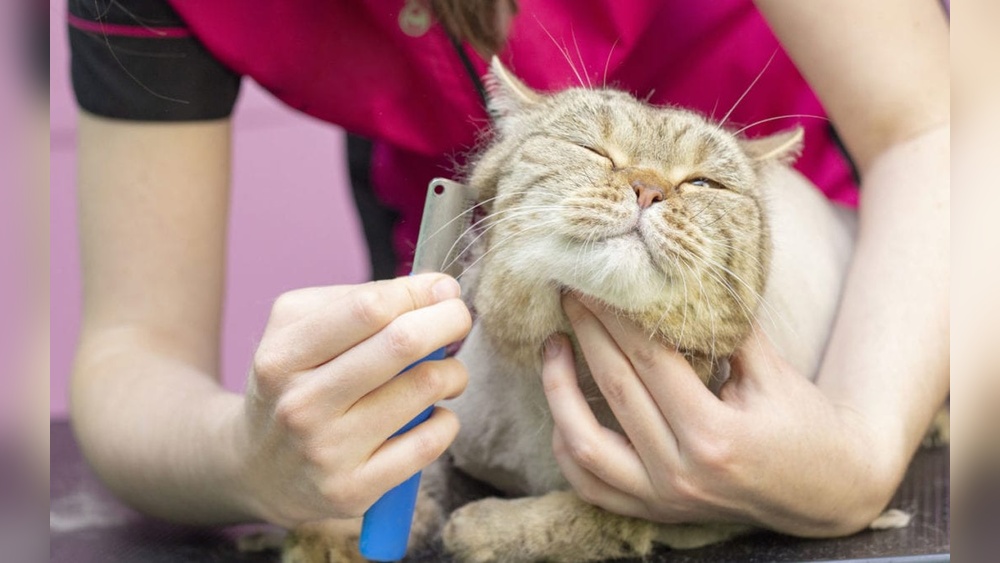
Taking care of your cat’s grooming is easier than you might think, and it makes a big difference in their happiness and health. You might wonder how to keep your furry friend clean, comfortable, and looking their best without stress.
This guide will show you simple, effective ways to groom your cat at home. By learning these tips, you’ll strengthen your bond and keep your cat feeling great every day. Ready to discover how to make grooming a positive experience for both you and your cat?
Let’s dive in!
Choosing The Right Grooming Tools
Choosing the right grooming tools helps keep your cat healthy and happy. Good tools make grooming easier and more comfortable for your pet. Each cat has unique needs based on its fur type and size. Selecting proper brushes, nail clippers, and shampoos can make a big difference. Understanding these tools ensures you care for your cat well every time.
Brushes For Different Fur Types
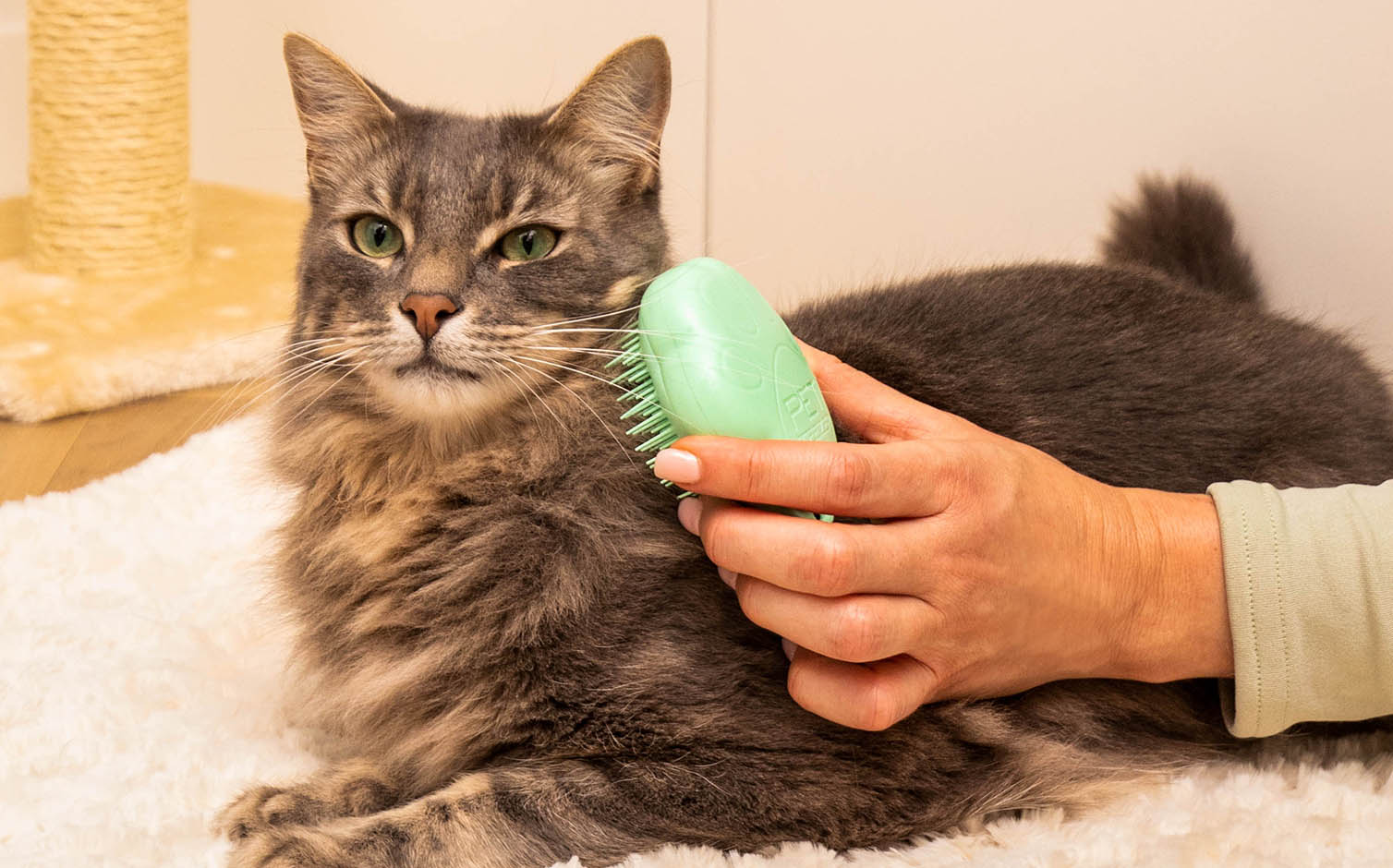
Cats have various fur types: short, long, or curly. Short-haired cats need soft-bristle brushes to remove loose hair gently. Long-haired cats benefit from wide-toothed combs to untangle knots. Slicker brushes work well for thick or curly fur. Using the right brush prevents matting and reduces shedding. Regular brushing also helps spread natural oils for a shiny coat.
Nail Clippers And Trimmers
Trimming your cat’s nails keeps them healthy and safe. Choose nail clippers designed for cats to avoid splitting nails. Scissor-type clippers work well for bigger cats with thicker nails. Guillotine-style clippers are better for small to medium nails. Nail trimmers with a safety guard prevent cutting too short. Keep nail trimming calm and slow to avoid stress.
Shampoos And Conditioners
Cats need shampoos made specifically for their skin and fur. Use gentle, fragrance-free shampoos to avoid irritation. Conditioning helps keep fur soft and tangle-free. Select conditioners that suit your cat’s fur length and type. Avoid human shampoos; they can harm your cat’s skin. Bathing your cat with the right products keeps the coat clean and healthy.

Credit: www.wikihow.com
Establishing A Grooming Routine
Creating a regular grooming routine helps keep your cat healthy and happy. Cats enjoy consistency. A set schedule makes grooming easier for both of you.
Start slow. Introduce grooming steps gently. Over time, your cat will get used to the process. Let’s break down the key parts of a grooming routine.
Frequency Of Brushing
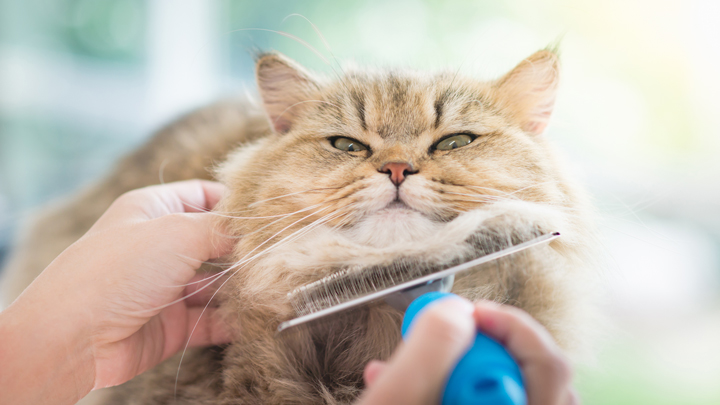
Brushing your cat removes loose fur and prevents mats. Short-haired cats need brushing once a week. Long-haired cats require brushing every day. Pay attention to your cat’s coat type. Brushing also helps reduce hairballs. Use a brush suitable for your cat’s fur texture. Brush gently to avoid hurting the skin.
Bathing Schedule
Cats usually clean themselves well. Bathing is rarely needed unless your cat gets very dirty. Bathe your cat every few months or as needed. Use cat-friendly shampoo only. Make sure water is warm but not hot. Keep the bath calm and quiet. Dry your cat thoroughly after bathing to prevent chills.
Nail Trimming Tips
Trim your cat’s nails every two to three weeks. Use proper cat nail clippers. Hold your cat gently but firmly. Cut only the sharp tip of the nail. Avoid the quick, the pink part inside the nail. If unsure, trim a small amount. Reward your cat after trimming to create a positive experience.
Brushing Techniques
Brushing your cat is key to keeping their fur clean and healthy. It removes loose hair and dirt. Proper brushing also helps prevent hairballs and skin problems. Use the right techniques to make grooming easy and pleasant for your cat.
Handling Tangles And Mats
Start by gently feeling for knots in your cat’s fur. Use a wide-toothed comb to loosen tangles. Work slowly and carefully to avoid hurting your cat. For tough mats, hold the fur close to the skin. Cut mats only if necessary, and be very cautious.
Reducing Shedding
Brush your cat daily during shedding seasons. Use a slicker brush or deshedding tool for best results. Brush in the direction of hair growth to catch loose fur. Regular brushing reduces hair on your furniture and clothes.
Comforting Your Cat
Keep brushing sessions short at first. Speak softly to calm your cat. Use slow, gentle strokes to build trust. Stop if your cat shows signs of stress. Reward your cat with treats or petting after grooming.
Bathing Your Cat
Bathing your cat can be a challenge, but it is sometimes necessary. Cats usually groom themselves well, but baths help remove dirt, grease, or harmful substances. Bathing also helps if your cat has skin problems or allergies. Preparing and bathing your cat carefully makes the process easier and safer for both of you.
Preparing For Bath Time
Gather all needed items before starting. Use a cat-friendly shampoo, a cup for rinsing, and a towel. Fill the sink or tub with a few inches of lukewarm water. Keep the room warm to stop your cat from getting cold. Brush your cat gently to remove loose fur and knots. Calm your cat by speaking softly and petting them.
Safe Bathing Practices
Place your cat gently in the water. Use a cup or small container to wet your cat slowly. Avoid the head and ears to prevent water entering. Apply shampoo carefully, massaging it into the fur. Rinse thoroughly to remove all shampoo. Keep your cat calm by talking softly. Never leave your cat alone during the bath.
Drying And Aftercare
Wrap your cat in a soft towel immediately after the bath. Pat the fur gently to absorb water. Use a hairdryer on a low, cool setting if your cat allows it. Brush the fur once dry to prevent tangles. Keep your cat indoors until fully dry. Reward your cat with treats and praise for good behavior.
Maintaining Cat’s Dental Health
Keeping a cat’s teeth clean helps prevent pain and illness. Healthy teeth support good eating and fresh breath. Regular care reduces the risk of infections and costly vet visits. Dental health is a key part of overall cat grooming.
Brushing Teeth Safely
Choose a soft toothbrush made for cats. Use toothpaste designed for pets, never human toothpaste. Brush gently in small circles on the outside of teeth. Start slowly to let your cat get used to it. Regular brushing keeps plaque and tartar away.
Dental Treats And Toys
Chewing helps clean teeth naturally. Give your cat dental treats made to reduce plaque. Toys with textures can also massage gums and remove food. These treats and toys support daily dental care. They work well alongside brushing.
Recognizing Dental Issues
Watch for bad breath or drooling more than usual. Check if your cat avoids eating or chews on one side. Red, swollen gums or loose teeth need a vet’s attention. Early signs help catch problems before they get worse. Regular checks keep your cat comfortable.
Credit: www.medivetgroup.com
Checking For Skin And Coat Health
Checking your cat’s skin and coat health is important. A healthy coat shows your cat is well cared for. Regular checks help spot problems early. This keeps your cat happy and comfortable.
Look closely at your cat’s fur and skin during grooming. Check for changes in texture, color, or hair loss. Healthy skin is smooth and free of bumps or redness. A shiny coat usually means good health and nutrition.
Detecting Parasites
Parasites like fleas and ticks cause discomfort and health issues. Search for small black dots or moving bugs in the fur. Flea dirt looks like tiny black specks on the skin. Ticks may attach to the skin and swell.
Use a fine-toothed comb to find fleas and eggs. Check warm areas like behind ears and under the legs. Early detection helps stop infestations and skin problems.
Identifying Allergies And Irritations
Allergies cause redness, itching, and hair loss. Watch for constant scratching or licking of one area. Skin may look dry, flaky, or have bumps. Food, pollen, or dust can cause allergies.
Note any changes after new food or cleaning products. Remove possible irritants to see if symptoms improve. Keeping a clean environment helps reduce skin irritations.
When To See A Vet
Visit a vet if you find wounds, swelling, or pus. Persistent itching or bald patches need medical attention. Sudden changes in skin or coat require professional care.
A vet can diagnose and treat infections or allergies. Early treatment prevents more serious health problems. Regular vet visits support your cat’s overall well-being.
Creating A Stress-free Experience
Grooming your cat can be a challenge if your pet feels scared or stressed. Creating a calm and happy experience helps your cat enjoy grooming time. It makes brushing, bathing, or nail trimming easier for both of you. Keeping your cat relaxed builds trust and keeps them healthy.
Using Positive Reinforcement
Give your cat treats or gentle praise during grooming. This helps your cat link grooming with good feelings. Use a soft voice to encourage your cat. Reward small steps like letting you touch their fur. Positive rewards teach your cat that grooming is safe and nice.
Setting Up A Calm Environment
Choose a quiet room without loud noises or distractions. A calm space helps your cat feel safe and relaxed. Use soft lighting and keep the temperature comfortable. Sit close to your cat and move slowly. A peaceful setting reduces fear and makes grooming smoother.
Handling Resistance
Watch your cat’s body language for signs of stress. Stop if your cat tries to run or scratches. Give your cat time to calm down before trying again. Break grooming into short sessions to avoid overwhelm. Patience and gentle touch help your cat accept grooming over time.
Credit: tangleteezer.com
Frequently Asked Questions
How Often Should I Groom My Cat?
Groom your cat weekly to remove loose fur and prevent matting. Long-haired cats need more frequent brushing, ideally daily, for healthy coats.
What Tools Are Best For Cat Grooming?
Use a soft-bristle brush for short hair and a slicker brush for long hair. Nail clippers and grooming wipes are also helpful.
How Do I Safely Trim My Cat’s Nails?
Gently hold your cat’s paw and use sharp clippers to trim only the white nail tip. Avoid cutting the pink quick to prevent pain.
Can Grooming Improve My Cat’s Health?
Yes, grooming reduces shedding, prevents hairballs, and detects skin issues early. It also strengthens your bond with your cat.
Conclusion
Grooming your cat helps keep them healthy and happy. Regular brushing reduces hairballs and matting. It also strengthens your bond with your pet. Use gentle tools and be patient during grooming. Keep an eye on their skin and coat for changes.
Clean their ears and trim nails carefully. A calm and consistent routine works best. Your cat will enjoy the care and attention. Simple steps make grooming easier for both of you. Start today and see the benefits for your cat.