
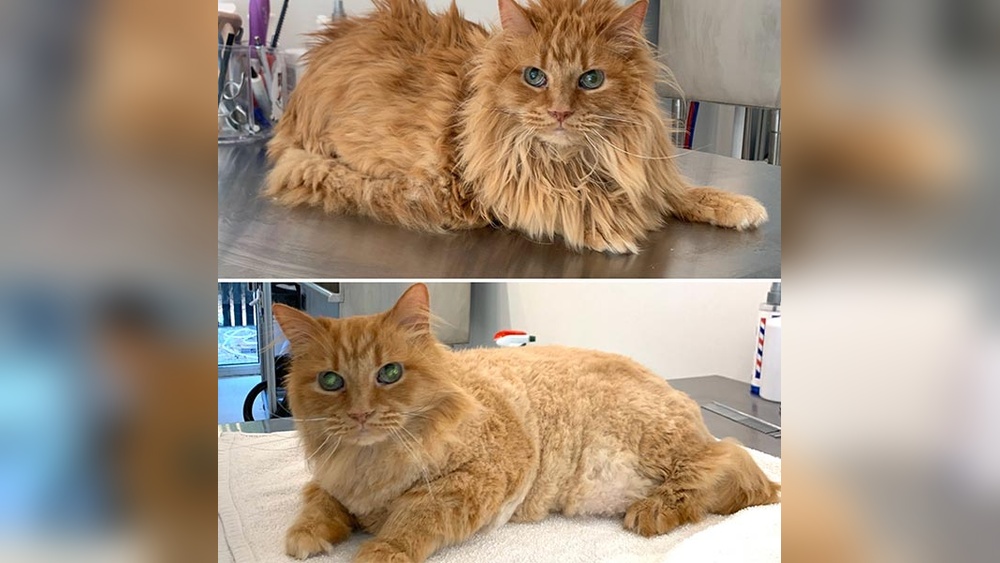
If you have a longhaired cat, you might wonder if grooming is really necessary. You may ask yourself, “Will it take too much time?
Could it stress my pet? ” The truth is, grooming your longhaired cat isn’t just about keeping them looking good—it can improve their health and happiness too. Imagine your cat feeling comfortable, free of mats, and enjoying extra bonding moments with you.
Curious how to make grooming easy and stress-free? Keep reading to discover simple tips that will make both you and your cat love grooming time.
Benefits Of Grooming Longhaired Cats
Grooming longhaired cats has many benefits. It helps keep their coat healthy and beautiful. Regular grooming also stops common problems that long fur can cause. The process can make your cat feel more comfortable and happy. It is a simple step that improves your cat’s daily life.
Brushing and caring for your cat’s fur is more than just cleaning. It supports their health and strengthens your relationship. Here are some key benefits of grooming longhaired cats.
Improved Coat Health
Grooming removes dirt and loose hair from the coat. It allows air to reach the skin, which helps keep it healthy. Regular brushing spreads natural oils that shine the fur. A clean coat means your cat feels better and looks great.
Reduced Shedding
Longhaired cats shed more than shorthaired ones. Brushing catches loose hair before it falls around your home. This means less fur on furniture and clothes. It also reduces hairballs that can upset your cat’s stomach.
Prevention Of Mats And Tangles
Long fur can easily get tangled and form mats. Mats pull on the skin and cause pain. Grooming breaks up these knots early. It stops mats from growing and keeps your cat comfortable.
Enhanced Bonding Experience
Grooming is a quiet time to connect with your cat. It builds trust and reduces stress for both of you. Cats often enjoy being brushed and feel loved. This time together strengthens your friendship.

Credit: www.youtube.com
Signs Your Cat Needs Grooming
Knowing when your longhaired cat needs grooming is important. Cats hide discomfort well. Watch for signs that show they need your help with their fur. Regular grooming keeps your cat healthy and happy.
Visible Mats And Tangles
Mats and tangles appear as clumps of fur. They make the fur look messy and feel tight. These knots can pull on the skin and cause pain. Mats can trap dirt and moisture, leading to skin problems. Check your cat’s coat often for these signs.
Excessive Shedding
Shedding is normal, but too much can mean trouble. Large amounts of loose fur can cover your home. It can also cause hairballs that upset your cat’s stomach. Grooming helps remove loose hair and reduces shedding. It also keeps the coat smooth and clean.
Unpleasant Odors
Bad smells can come from dirty fur or skin issues. A strong odor means your cat needs cleaning. Dirt and oils build up, especially in long fur. Grooming removes debris and helps your cat smell fresh. It also prevents infections that cause smells.
Scratching And Discomfort
Scratching often shows your cat is uncomfortable. It may mean fleas, dry skin, or irritation under the fur. Grooming helps find and remove pests or dirt. It also soothes the skin and reduces itching. Watch for signs of pain or restlessness during grooming.
Essential Grooming Tools
Grooming a longhaired cat needs the right tools. These tools help keep your cat’s coat clean and healthy. They also make grooming easier and less stressful for both of you.
Using the proper tools prevents matting and reduces shedding. Regular grooming helps your cat feel comfortable and look great. Here are the essential grooming tools you should have.
Brushes And Combs
Brushes and combs remove loose hair and dirt from your cat’s coat. A slicker brush works well for thick fur and tangles. A wide-tooth comb helps find and gently remove mats. Use these tools regularly to avoid painful knots and mats.
Nail Clippers
Longhaired cats need regular nail trims. Nail clippers designed for pets are safe and easy to use. Trimming nails prevents scratches on furniture and people. It also stops nails from growing too long and curling into the paw pads.
Detangling Sprays
Detangling sprays soften your cat’s fur and make combing easier. They help reduce pulling and discomfort during grooming. Use sprays specially made for cats to avoid skin irritation. Sprays work best on dry or slightly damp fur.
Grooming Gloves
Grooming gloves feel like a gentle massage to your cat. They collect loose fur while petting your cat. Gloves are good for shy or nervous cats. They also help remove dirt and debris without hurting your cat’s skin.
Credit: www.4pawsanimal.com
Step-by-step Grooming Routine
Grooming a longhaired cat helps keep its coat clean and healthy. Regular grooming stops hair mats and skin problems. A clear routine makes grooming easier for both you and your cat. Follow these steps to keep your cat’s fur soft and shiny.
Preparing Your Cat
Choose a quiet, comfortable spot for grooming. Sit with your cat and speak softly. Let your cat sniff the brush before using it. Start slowly to keep your cat calm. Use gentle petting to build trust. Short sessions work better than long ones.
Brushing Techniques
Use a wide-toothed comb or a slicker brush. Begin brushing at the head and move to the tail. Brush in the direction of hair growth. Use slow, gentle strokes to avoid hurting your cat. Brush every day to stop tangles from forming. Pay extra attention to the belly and behind ears.
Dealing With Mats
Check your cat’s fur for mats regularly. Use your fingers to gently pull apart small mats. For bigger mats, use a mat splitter or scissors carefully. Hold the fur close to the skin to avoid pulling. Never cut mats too close to the skin. Seek help from a groomer if mats are tough.
Bathing Tips
Bathing is not needed often but helps if your cat is very dirty. Use warm water and cat-safe shampoo. Wet your cat slowly and avoid the face. Massage shampoo gently into the fur. Rinse well to remove all soap. Dry your cat with a towel and keep it warm. Use a hairdryer on low, only if your cat allows.
Common Grooming Challenges
Grooming a longhaired cat comes with its own set of challenges. These challenges can make the process tricky for both you and your cat. Understanding common problems helps you prepare and care better. Here are some typical grooming issues you might face.
Handling Uncooperative Cats
Some cats do not enjoy grooming. They may scratch, bite, or run away. Stay calm and patient. Use gentle but firm handling. Break grooming into short sessions. Reward your cat with treats after each session. This helps build trust and cooperation over time.
Avoiding Skin Irritations
Long fur can hide skin problems. Check for redness, bumps, or dry patches often. Use a soft brush to avoid hurting your cat. Avoid over-brushing, which can irritate the skin. Choose grooming tools made for sensitive skin. Clean your tools regularly to prevent infections.
Managing Shedding Seasons
Longhaired cats shed more during certain seasons. This can lead to mats and tangles. Brush your cat daily during shedding season. Use a de-shedding tool to remove loose fur. Keep your home clean to reduce fur buildup. Regular grooming helps control shedding and keeps fur healthy.
When To Seek Professional Grooming
Grooming a longhaired cat can be tough at times. Some cats need more care than others. Knowing when to get professional grooming helps keep your cat healthy and happy. Professionals have tools and skills to handle tricky mats and tangles. They also spot skin problems early. Here is what you should watch for and how to choose the right groomer.
Signs You Need Help
Look for mats that pull on your cat’s skin. These can hurt your cat. If your cat resists grooming or becomes very stressed, it may be time for a pro. Watch for skin redness or sores under the fur. A professional can safely remove mats and treat skin issues. If your cat’s fur looks dull or greasy, experts can clean it well.
Choosing A Groomer
Pick a groomer experienced with cats, especially longhaired ones. Ask if they handle nervous or older cats gently. Check reviews and get recommendations from your vet or friends. Visit the salon to see if it is clean and calm. A good groomer listens to your concerns and answers questions clearly.
Cost And Frequency
Professional grooming costs vary by location and service. Basic grooming can cost between $50 and $100. More complex care may cost more. Longhaired cats often need grooming every 6 to 8 weeks. Regular appointments prevent mats and keep fur healthy. Budgeting for grooming helps avoid emergency visits that cost more.
Additional Care Tips
Grooming a longhaired cat involves more than just brushing. Extra care helps keep your cat healthy and happy. Here are some key tips to support your cat’s grooming routine.
Diet And Coat Health
A balanced diet supports a shiny, soft coat. Choose cat food rich in omega-3 and omega-6 fatty acids. These nutrients reduce shedding and prevent dry skin. Fresh water is essential to keep the coat hydrated from the inside out.
Regular Vet Checkups
Visit the vet for routine health checks. Vets can spot skin problems early. Parasites like fleas and ticks can harm your cat’s coat. Regular vet visits ensure your cat stays free from infections and skin issues.
Environmental Factors
Keep your home clean and free of dust. Dust can irritate your cat’s skin and coat. Provide a calm space to reduce stress. Stress can cause fur loss or poor coat condition. Maintain moderate indoor temperatures to avoid dry skin.
Credit: mythicmainecoons.com
Frequently Asked Questions
Why Is Grooming Important For Longhaired Cats?
Grooming prevents mats and tangles in longhaired cats. It reduces shedding and hairballs. Regular grooming also promotes healthy skin and coat.
How Often Should You Groom A Longhaired Cat?
Longhaired cats need grooming at least 3-4 times a week. Daily brushing is ideal to avoid mats and remove loose fur.
What Tools Are Best For Grooming Longhaired Cats?
Use a slicker brush, wide-toothed comb, and grooming scissors. These tools help remove tangles, loose hair, and keep the coat neat.
Can Grooming Reduce Hairballs In Longhaired Cats?
Yes, grooming removes loose hair cats would otherwise swallow. This lowers hairball formation and keeps your cat more comfortable.
Conclusion
Grooming a longhaired cat keeps its coat clean and healthy. Regular brushing prevents mats and reduces shedding. It also helps you notice any skin problems early. Grooming time can strengthen your bond with your cat. It may take patience but is worth the effort.
Your cat will feel more comfortable and look better. Simple care routines make a big difference for longhaired cats. So, yes, grooming is important and beneficial for your furry friend.