
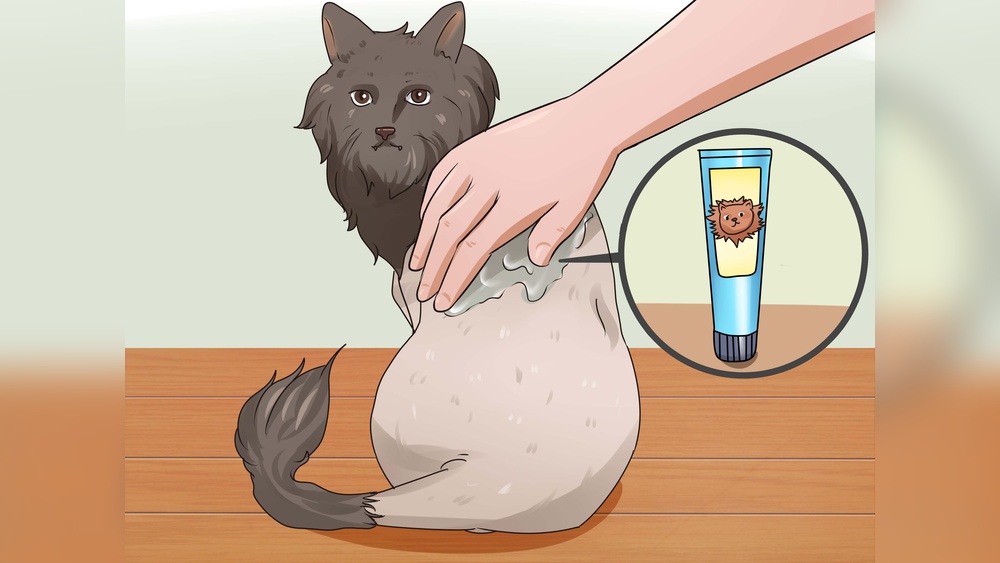
If you want your cat to look neat and feel comfortable, learning how to groom buzz your cat is a great place to start. You might think grooming is only for long-haired cats, but even short-haired cats benefit from a quick buzz trim.
Imagine a calm, easy grooming session that keeps your cat happy and healthy—sounds good, right? You’ll discover simple, effective steps that make buzzing your cat stress-free for both of you. Keep reading, and you’ll soon have the confidence to give your furry friend a fresh, clean look at home.

Credit: www.youtube.com
Preparing Your Cat For A Buzz Cut
Preparing your cat for a buzz cut is important for a smooth grooming session. It helps your cat feel safe and comfortable. Taking time to get ready reduces stress and makes the process easier for both of you.
Choosing The Right Time
Pick a moment when your cat feels calm and relaxed. Avoid busy or noisy times at home. A quiet afternoon or after a nap works best. This helps your cat stay still and less anxious.
Gathering Essential Tools
Collect all tools before you start. You will need clippers, a brush, and scissors. Make sure clippers are sharp and clean. Have treats ready to reward your cat. Being prepared avoids interruptions during grooming.
Creating A Calm Environment
Set up a quiet place with good light. Use a soft towel or mat for your cat to sit on. Speak softly and move slowly. Play gentle music or use calming sprays if needed. A peaceful space helps your cat stay relaxed.
:strip_icc()/how-to-stop-cat-over-grooming-554052-02-292560d5fa1542458556eff312f669d7.jpg)
Credit: www.thesprucepets.com
Step-by-step Grooming Process
Grooming your cat with a buzz cut needs care and patience. Follow each step carefully to keep your cat calm and safe. Prepare all tools before starting. A quiet room helps your cat feel relaxed. Take breaks if your cat gets restless. Keep treats nearby to reward good behavior.
Brushing And Detangling
Start by brushing your cat’s fur gently. Use a soft brush to remove loose hair. Check for mats or tangles and work them out slowly. Do not pull hard on knots. Brushing makes clipping easier and more comfortable.
Using Clippers Safely
Choose clippers made for pets. Check the blades are clean and sharp. Turn on the clippers and let your cat hear the sound first. Hold the skin tight but gently while clipping. Move the clippers in the direction of hair growth. Stop if your cat seems scared or tries to jump.
Trimming Sensitive Areas
Be extra careful around the face, ears, and paws. Use a small clipper or scissors with blunt ends. Trim little by little to avoid cuts. Avoid pulling the skin tightly in these areas. Take your time and speak softly to your cat.
Handling Common Challenges
Grooming your buzz-cut cat can have some common challenges. These challenges can make the process harder for you and your cat. Knowing how to handle them helps keep grooming smooth and stress-free.
Each cat reacts differently to grooming. Some may get nervous, while others may have tangled fur or sensitive skin. Learning simple ways to address these problems keeps your cat happy and healthy.
Dealing With Nervous Cats
Start grooming in a quiet space with few distractions. Speak softly and use gentle touches. Let your cat smell and explore the tools before you start.
Short grooming sessions work best. Take breaks if your cat shows signs of stress. Reward calm behavior with treats or praise to build trust.
Managing Fur Matting
Check your cat’s fur regularly for mats and tangles. Use a wide-tooth comb to gently work through mats. Do not pull hard; it can hurt your cat.
If mats are tight, use scissors carefully or seek a professional groomer’s help. Regular brushing prevents mats from forming in the first place.
Avoiding Skin Irritation
Use grooming tools designed for sensitive skin. Clean tools before and after use to avoid infections. Avoid pressing too hard on your cat’s skin.
Watch for redness or sores after grooming. If irritation appears, stop grooming and consult a vet. Keeping your cat’s skin healthy makes grooming safer and easier.
Post-grooming Care
After buzzing your cat, proper care is essential to keep your cat healthy and happy. Post-grooming care helps soothe the skin and prevents irritation. It also makes your cat feel comfortable and relaxed.
Cleaning And Soothing Skin
Gently wipe your cat’s skin with a damp cloth. Use lukewarm water to avoid chills. Avoid harsh soaps or chemicals. If the skin looks red or dry, apply a pet-safe moisturizer. This helps calm any irritation from the buzz cut. Keep the skin clean and dry to prevent infections.
Rewarding Your Cat
Give your cat a treat after grooming. Praise your cat with soft words and gentle petting. This builds trust and makes future grooming easier. A calm and happy cat is easier to manage. Rewards help your cat associate grooming with positive feelings.
Maintaining The Buzz Cut
Check your cat’s coat regularly for dirt or mats. Brush lightly to remove loose hair. Keep the buzz cut neat by trimming every few weeks. Use clippers designed for pets for safety. Regular maintenance prevents discomfort and keeps your cat looking tidy.
When To Seek Professional Help
Knowing when to seek professional help for grooming your cat is important. Some grooming tasks can be hard or risky for you to do alone. Professionals have skills and tools to keep your cat safe and comfortable. They also handle special cases with care and experience. Understanding the signs that your cat needs expert grooming helps keep your pet healthy.
Signs Your Cat Needs Expert Grooming
Look for mats or tangles that you cannot remove. Thick mats can hurt your cat’s skin. Notice if your cat shows pain or stress during grooming. Long nails that you cannot trim safely need expert care. Check for skin problems like sores or redness. Professionals can spot and treat these early. Cats with thick or long fur often need regular expert grooming. Older or sick cats may need special handling during grooming sessions.
Finding A Qualified Groomer
Choose groomers with experience in cat care. Ask about their training and certifications. Look for groomers who offer a calm and quiet environment. Read reviews from other cat owners. Visit the grooming salon to see cleanliness and safety. Make sure groomers use gentle tools made for cats. Discuss your cat’s needs before the appointment. A good groomer will explain the process and answer your questions clearly.
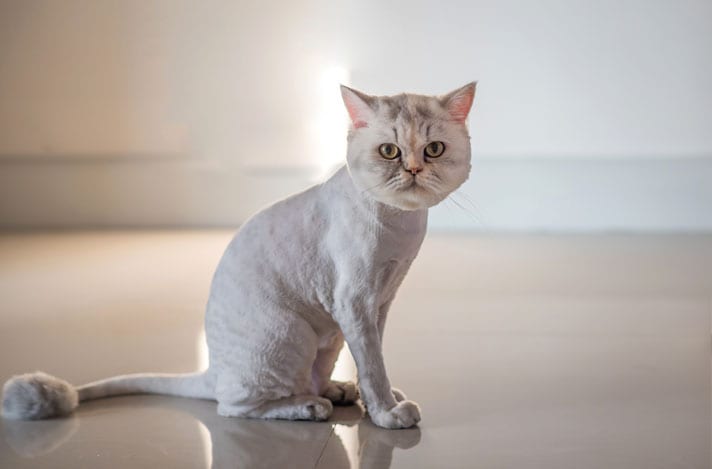
Credit: www.chewy.com
Frequently Asked Questions
How Often Should I Buzz My Cat’s Fur?
Buzz your cat’s fur every 6 to 8 weeks to maintain cleanliness. Regular grooming prevents matting and reduces shedding effectively. Adjust frequency based on your cat’s fur type and comfort.
What Tools Are Best For Buzzing A Cat?
Use a high-quality, quiet pet clipper with adjustable guards. Choose tools designed specifically for cats to ensure safety and comfort. Always keep blades clean and sharp for a smooth buzz.
Can Buzzing Harm My Cat’s Skin?
Buzzing is safe if done carefully and gently. Avoid clipping too close to the skin to prevent cuts or irritation. Regular checks during grooming help ensure your cat’s comfort and safety.
Should I Groom My Cat Before Buzzing?
Yes, brush your cat thoroughly before buzzing. Removing tangles and loose hair makes clipping easier and prevents painful pulling. A clean coat helps achieve an even buzz.
Conclusion
Grooming your cat with a buzz cut keeps them clean and comfortable. It helps reduce shedding and prevents mats in their fur. Regular grooming also lets you check for skin problems early. Take your time and be gentle to keep your cat calm.
A well-groomed cat looks healthy and feels happy. Try these tips to make grooming easier for both of you. Keep your tools clean and stay patient. Your cat will thank you with purrs and affection.