
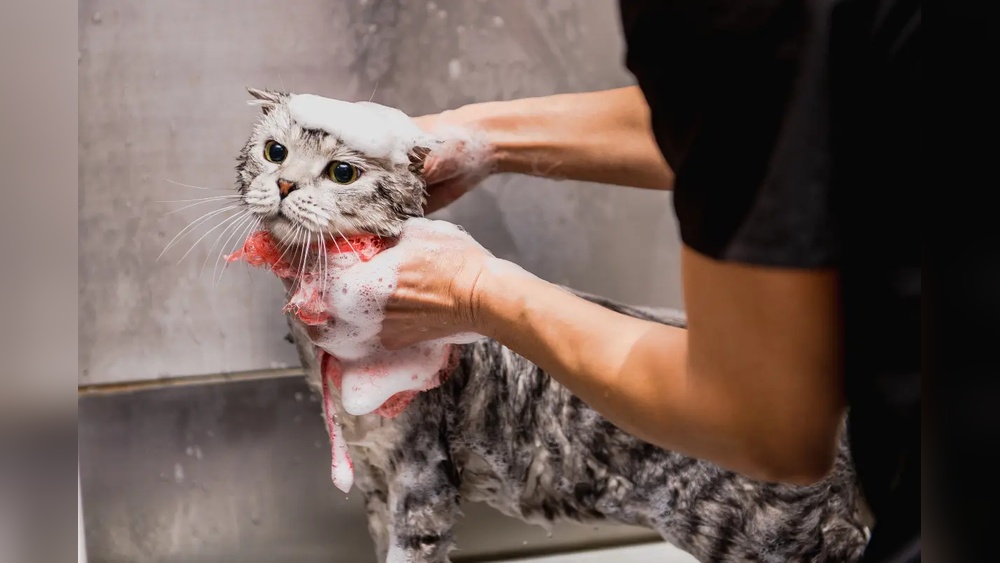
If you have a cat that loves to stay clean, you might wonder, “Why bathe groom cats at all?” You might think cats handle their grooming perfectly on their own. But there’s more to it than just keeping your furry friend looking good.
Bathing and grooming your cat can improve their health, reduce shedding, and even strengthen the bond between you and your pet. Imagine your cat feeling comfortable, happy, and healthy every day. Keep reading to discover why taking a little extra time to bathe and groom your cat can make a big difference for both of you.

Credit: petbarnkw.com
Benefits Of Bathing Groom Cats
Bathing groom cats offers many benefits for their health and comfort. Regular baths keep their fur clean and shiny. It also helps avoid common problems that cats face. Bathing supports overall wellbeing and improves the cat’s daily life.
Improving Coat Health
Bathing removes dirt, dust, and oils from the fur. This keeps the coat soft and smooth. Clean fur is less likely to tangle or mat. Healthy fur reflects light and looks bright. Bathing helps maintain a beautiful and strong coat.
Reducing Shedding And Hairballs
Bathing helps remove loose fur before it falls off. This reduces shedding around the home. It also lowers the chance of hairballs forming. Hairballs can cause discomfort and digestive issues. Regular baths keep the fur under control.
Preventing Skin Issues
Bathing clears away allergens and irritants from the skin. It helps avoid dryness and itching. Clean skin reduces the risk of infections and parasites. Bathing supports healthy skin and a happy cat.
How Often To Bathe Groom Cats
Bathing groom cats is not a daily task like brushing. The right frequency depends on many things. Some cats need baths more often than others. Knowing when to bathe your cat keeps them clean and healthy without causing stress.
Factors Influencing Bathing Frequency
Coat type affects how often you bathe a cat. Long-haired cats may need baths more often. Short-haired cats usually stay cleaner longer. Cats that go outside may get dirty faster. Skin conditions or allergies can change bathing needs. Age and health also play a role. Older or sick cats may need fewer baths. Your cat’s behavior matters too. Some cats groom well on their own. Others may need more help.
Signs Your Cat Needs A Bath
Look for a greasy or smelly coat. Dirt or debris stuck in fur is a clear sign. If your cat scratches a lot, check the skin. Oily or flaky skin often means a bath is needed. Matted fur cannot be cleaned by brushing alone. Cats with fleas or ticks may need a bath. A bath helps remove allergens or irritants. Watch for changes in your cat’s grooming habits. Less grooming can mean your cat needs help staying clean.
Choosing The Right Shampoo
Choosing the right shampoo for your groom cat is essential for their health. Cats have sensitive skin that reacts differently to various products. The wrong shampoo can cause irritation or dry out their fur. Picking a gentle and effective shampoo helps keep your cat clean and comfortable. It supports their natural oils and fur texture. Understanding what to look for in shampoo ingredients makes this task easier.
Ingredients To Look For
Opt for shampoos with natural ingredients. Aloe vera soothes skin and adds moisture. Chamomile calms irritation and reduces redness. Oatmeal cleans while protecting sensitive skin. Look for vitamins like E and B5 to nourish fur. These ingredients help maintain a healthy coat and skin. They work gently without harsh chemicals or strong scents.
Avoiding Harmful Chemicals
Steer clear of shampoos with sulfates or parabens. These chemicals strip natural oils and cause dryness. Artificial fragrances can trigger allergies or itchiness. Avoid shampoos with alcohol, as they can irritate and dry skin. Harsh detergents weaken fur and may lead to hair loss. Always read the label carefully before buying. Choose products made specifically for cats to ensure safety.
Credit: www.aspca.org
Preparing For The Bath
Preparing your cat for a bath helps make the experience calm and safe. Cats often dislike water, so planning ahead is key. Taking small steps before the bath lowers stress for both you and your cat.
Gathering Supplies
Collect everything before you start. Use cat-friendly shampoo made for their sensitive skin. Have a cup or small container ready for rinsing. Keep a soft towel nearby to dry your cat quickly. Use a non-slip mat to keep your cat steady. Gather treats to reward your cat after the bath.
Setting Up A Comfortable Space
Choose a quiet room without distractions. Use warm water, not hot or cold. Place the non-slip mat in the sink or tub. Keep the room warm to avoid chills. Close doors and windows to reduce noise. Have a helper if possible to hold your cat gently.
Step-by-step Bathing Guide
Bathing a groom cat can feel tricky. This guide breaks down the process into clear steps. Follow these to make bathing easier and safer for your cat. Each step helps keep your cat calm and clean.
Wetting The Coat Safely
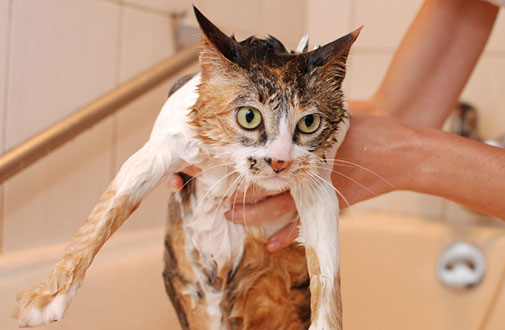
Use lukewarm water to wet your cat’s coat gently. Avoid spraying water directly on the face. Use a cup or a handheld shower with low pressure. Wet the fur slowly from neck to tail. Keep water away from ears and eyes.
Applying Shampoo Properly
Choose a shampoo made for cats. Apply a small amount on your hands first. Rub the shampoo gently into the coat. Focus on dirty areas, not the whole body at once. Avoid the face, ears, and eyes while applying shampoo.
Rinsing Thoroughly
Rinse the shampoo off with lukewarm water. Make sure no soap stays in the fur. Leftover shampoo can cause skin irritation. Use your hands to help remove all suds. Rinse from neck to tail carefully.
Drying Techniques
Wrap your cat in a soft towel. Pat the fur gently to remove water. Avoid rubbing hard to prevent tangles. Use a low heat hairdryer if your cat allows it. Keep the dryer moving and far from the skin.

Credit: www.fallsroad.com
Post-bath Grooming Tips
Bathing your groom cat is only half the job. Post-bath care helps keep your cat comfortable and healthy. This time is perfect to check your cat’s skin and fur. It also prevents future grooming problems. Let’s explore key tips for after-bath grooming.
Brushing To Remove Tangles
After the bath, your cat’s fur may clump or tangle. Use a soft brush to gently remove these tangles. Brushing helps the fur dry evenly and stay smooth. It also reduces shedding and mats. Take care to be gentle to avoid hurting your cat’s skin.
Checking For Skin Irritations
Bath time reveals areas that need attention. Look closely for redness, bumps, or dry patches. Skin irritations can worsen without care. Spotting problems early helps in treating them faster. Use this time to ensure your cat’s skin is healthy and clean.
Common Bathing Mistakes To Avoid
Bathing your groom cat can be tricky. Many pet owners make mistakes that hurt their cat or cause stress. Avoiding these common errors helps keep your cat safe and calm. It also makes bathing easier for you.
Using Human Shampoo
Human shampoos can harm your cat’s skin. Cats have a different pH balance than humans. Human products may cause dryness or irritation. Always use a shampoo made for cats. These are gentle and safe for their fur and skin.
Overbathing
Bathing your cat too often removes natural oils. These oils protect their skin and fur. Overbathing can lead to dry, itchy skin. Most cats need a bath only when very dirty. Regular brushing often keeps them clean enough.
Ignoring Your Cat’s Comfort
A stressed cat makes bathing hard. Cold water or loud noises increase anxiety. Use warm water and speak softly during the bath. Stop if your cat struggles too much. Comfort helps your cat accept baths over time.
When To Seek Professional Help
Bathing and grooming cats is a regular task for many pet owners. Some cats tolerate this well, while others may struggle. Knowing when to seek professional help can keep your cat safe and healthy. Professionals know how to handle grooming safely and spot health issues early.
Sometimes, a cat’s skin shows signs of problems that need expert care. Other times, the cat’s behavior during grooming may be too difficult to manage alone. Recognizing these moments helps avoid stress for both you and your cat.
Signs Of Skin Problems
Look for redness, swelling, or sores on your cat’s skin. Persistent scratching or hair loss can also signal issues. Scaly or flaky patches may indicate dry skin or infections. These signs require a veterinarian’s attention. Early treatment prevents worsening conditions.
Handling Difficult Cats
Some cats become very scared or aggressive during grooming. Struggling cats can hurt themselves or you. Professionals use special tools and techniques to calm and control cats. They ensure grooming is safe and less stressful. Seeking help reduces risks and protects your cat’s well-being.
Frequently Asked Questions
Why Should You Bathe Groom Cats Regularly?
Bathing groom cats removes dirt, excess oils, and allergens. It keeps their fur clean, shiny, and healthy. Regular baths also prevent skin infections and reduce shedding, ensuring your cat feels comfortable and looks well-groomed.
How Often Is It Safe To Bathe Groom Cats?
Bathing groom cats once every 4 to 6 weeks is safe. Overbathing can dry their skin and cause irritation. Always use cat-specific shampoos and avoid frequent baths unless recommended by a vet.
Can Bathing Reduce Shedding In Groom Cats?
Yes, bathing helps reduce shedding by removing loose fur and dead skin. It also controls allergens that cause itching. Combined with regular brushing, baths keep groom cats’ coats smooth and minimize hair around your home.
What Are The Benefits Of Bathing Groom Cats For Allergies?
Bathing groom cats lowers allergens like dander and saliva proteins. This reduces allergy symptoms in sensitive people. Clean fur decreases airborne allergens, making your home environment healthier for everyone.
Conclusion
Bathing and grooming cats keep them clean and healthy. It helps remove dirt, loose hair, and skin oils. Regular care prevents matting and reduces shedding. Cats feel more comfortable and less itchy after grooming. This also helps spot health issues early.
A clean cat smells better and looks happy. Make grooming a gentle, calm routine. It builds trust between you and your pet. Simple care steps make a big difference in your cat’s life. Healthy cats mean happy homes.