
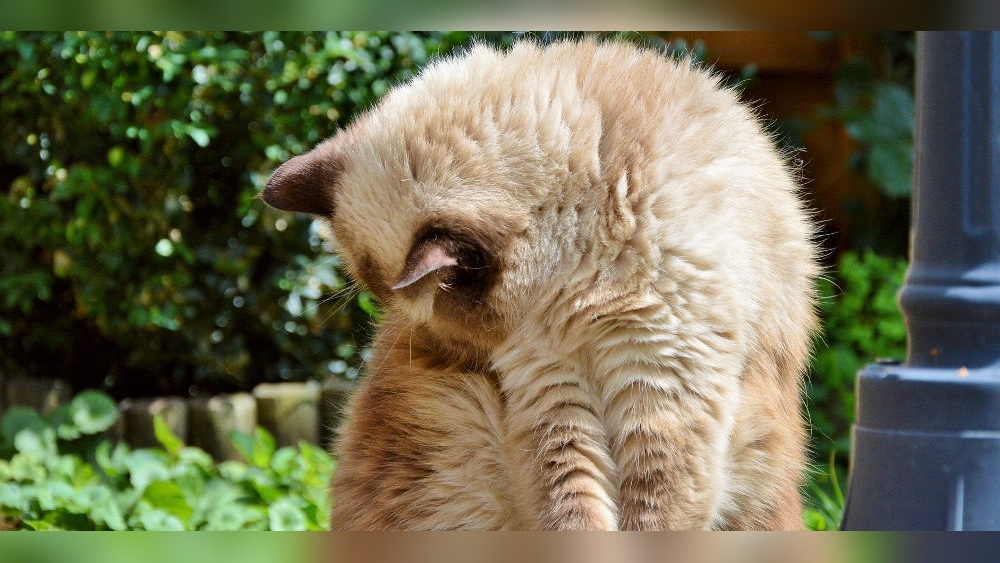
Does your cat struggle to keep itself clean? Grooming a cat that doesn’t clean itself can be frustrating, but you’re not alone—and there’s a simple way to help.
If your furry friend looks a little messy or uncomfortable, learning how to groom them properly can make a huge difference. You’ll discover easy, effective tips to keep your cat healthy, happy, and looking their best. Ready to become your cat’s favorite groomer?
Let’s get started!

Credit: www.reddit.com
Signs Your Cat Needs Grooming
Cats usually groom themselves to stay clean and healthy. Some cats stop grooming due to age, illness, or stress. This causes problems that need your help. Knowing the signs that your cat needs grooming is very important. It helps you keep your cat comfortable and healthy.
Identifying Matted Fur
Matted fur looks like clumps or knots in your cat’s coat. It feels hard or tight when you touch it. Matted fur can pull on the skin and cause pain. Your cat may scratch or bite these areas a lot. Matted fur stops air from reaching the skin. This can cause skin problems or infections.
Recognizing Skin Issues
Watch for red or swollen patches on your cat’s skin. These can be signs of irritation or infection. Dry, flaky skin or bald spots also need attention. Your cat may scratch or lick these areas often. Skin issues can cause pain and need quick care.
Detecting Unusual Odors
Bad smells from your cat’s fur or skin are a warning sign. This can mean dirt, oils, or infections build up on the coat. Cats that do not groom well often have a strong, unpleasant odor. Regular grooming helps stop these smells and keeps your cat fresh.

Credit: www.reddit.com
Essential Grooming Tools
Grooming a cat that does not clean itself needs special care and tools. The right tools help keep your cat clean and comfortable. They also make grooming easier for you and less stressful for your pet. Knowing which tools to use is the first step to good grooming.
Types Of Brushes And Combs
Choose brushes based on your cat’s fur type. A slicker brush works well for long-haired cats. It removes tangles and loose fur gently. A bristle brush suits short-haired cats. It smooths the coat and removes dirt. Use a fine-toothed comb to check for fleas and small mats. Regular brushing reduces shedding and prevents hairballs.
Choosing The Right Nail Clippers
Select nail clippers designed for cats. Small, sharp clippers give clean cuts without crushing nails. Avoid using human clippers, which can hurt your cat. Use a quiet and steady hand to keep your cat calm. Trim nails every two to three weeks to avoid scratches and injury.
Using Grooming Wipes And Shampoos
Grooming wipes help clean your cat without water. They are useful for quick cleanups and sensitive skin. Choose wipes made for cats to avoid irritation. Use cat-safe shampoos for baths. They keep skin healthy and coat shiny. Bathe your cat only when necessary to avoid drying out skin.
Preparing Your Cat For Grooming
Preparing your cat for grooming is the first step to a smooth experience. Many cats that don’t clean themselves need extra help. Getting your cat ready lowers stress and makes grooming easier.
Creating A Calm Environment
Choose a quiet room with few distractions. Keep the lights soft and the noise low. Use a comfortable surface like a towel or a soft mat. This helps your cat feel safe and relaxed.
Getting Your Cat Comfortable
Start by gently petting your cat in spots it likes. Speak softly to calm your pet. Let your cat sniff the grooming tools before you use them. This builds trust and reduces fear.
Handling Nervous Or Aggressive Cats
Stay calm and move slowly around your cat. Use a towel to gently wrap your cat if needed. Give breaks during grooming to avoid stress. Reward your cat with treats to encourage good behavior.
Step-by-step Grooming Process
Grooming a cat that does not clean itself requires patience and care. Following a step-by-step process helps keep your cat comfortable and healthy. Each step focuses on a different part of grooming to ensure thorough care. This guide breaks down the essential tasks for easy grooming sessions.
Brushing And Detangling Fur
Start by choosing the right brush for your cat’s fur type. Use gentle, slow strokes to remove loose hair and dirt. Work through tangles carefully to avoid hurting your cat. Focus on problem areas like the belly and behind the ears. Brush regularly to prevent mats and reduce shedding.
Bathing Techniques For Cats
Use warm water and a cat-friendly shampoo. Wet your cat slowly, avoiding the face and ears. Lather gently and rinse thoroughly to remove all shampoo. Keep the bath short to reduce stress. Dry your cat with a soft towel and keep them warm afterward.
Trimming Nails Safely
Use special nail clippers designed for cats. Hold your cat’s paw gently but firmly. Trim only the sharp tips, avoiding the pink part inside. If unsure, trim a small amount to prevent bleeding. Reward your cat after each session to create positive feelings.
Cleaning Ears And Eyes
Use a soft cloth or cotton ball for cleaning. Moisten it with a vet-approved solution for ears. Wipe gently to remove dirt and wax without pushing inside. For eyes, use a damp cloth to clean away discharge. Check regularly for signs of infection or irritation.
Dealing With Common Grooming Challenges
Grooming a cat that does not clean itself can bring many challenges. These cats need extra care to stay healthy and comfortable. Understanding common problems helps in managing grooming better. This section covers three key challenges and how to handle them with ease.
Managing Shedding And Hairballs
Shedding can be heavy in cats that do not groom themselves. Loose fur builds up quickly on furniture and clothes. Regular brushing removes dead hair before it falls off. Use a soft brush designed for cats.
Hairballs form when cats swallow loose fur. They cause discomfort and may lead to vomiting. Brushing often reduces the amount of fur swallowed. Feeding special diets can also help control hairballs.
Handling Sensitive Skin
Cats that avoid grooming often have sensitive skin. Their skin may become dry, flaky, or irritated. Use gentle brushes and combs to avoid hurting your cat. Check the skin for redness or bumps during grooming.
Baths should be rare and use mild shampoos made for cats. Avoid harsh chemicals or human products. If skin problems persist, visit a vet for advice and treatment.
Preventing Grooming Stress
Many cats dislike grooming and become stressed. Stress makes grooming harder and less effective. Create a calm environment before starting to groom.
Talk softly and move slowly around your cat. Keep grooming sessions short and stop if your cat seems upset. Reward your cat with treats or petting after grooming. This builds positive feelings about grooming time.
When To Seek Professional Help
Some cats do not clean themselves well. Their grooming needs may become hard to manage at home. Knowing when to get help keeps your cat healthy and happy.
Professional groomers have tools and skills to care for cats. They handle tough grooming tasks safely. This section shows when to seek expert help for your cat’s grooming.
Signs Grooming Needs Exceed Home Care
Look for mats or tangles that you cannot remove. Skin irritation or sores may appear under thick fur. Your cat might have bad odor or dirt build-up.
If your cat resists grooming or becomes stressed, it is a sign. Long nails that hurt your cat need trimming. Overgrown fur may hide health problems.
Finding A Reliable Pet Groomer
Choose a groomer who knows cats well. Check reviews or ask for recommendations from other cat owners. Visit the salon to see the environment and hygiene.
Ask about experience with cats that do not groom themselves. Ensure they use gentle tools and methods. Confirm they handle stressed or scared cats with care.
Costs And Benefits Of Professional Grooming
Professional grooming costs vary by location and services. Basic grooming like bathing and nail trimming costs less. Full grooming with dematting and fur trimming costs more.
Benefits include healthier skin, cleaner fur, and less stress for your cat. Professionals spot health issues early. Regular grooming reduces hairballs and shedding at home.
Maintaining Your Cat’s Grooming Routine
Maintaining your cat’s grooming routine helps keep them healthy and comfortable. Cats that do not clean themselves need extra care from their owners. Regular grooming removes dirt, loose hair, and prevents mats. It also helps you spot health problems early.
Building a steady grooming habit makes the process easier for both you and your cat. Consistency creates trust and reduces stress during grooming sessions. Let’s explore simple ways to keep your cat’s coat clean and shiny.
Establishing A Regular Schedule
Set specific days for grooming. Twice a week works well for most cats. Short sessions are better than long ones. Regular times help your cat expect and accept grooming. Use a calendar or reminder to stay consistent. This routine keeps fur healthy and reduces shedding.
Incorporating Grooming Into Playtime
Combine grooming with your cat’s favorite games. Use a soft brush as a toy to start. Reward your cat with treats or praise during brushing. Playful moments make grooming fun and less stressful. This helps your cat enjoy being handled. It also builds a strong bond between you.
Monitoring Changes In Coat And Skin
Check your cat’s fur and skin each time you groom. Look for redness, bumps, or dry patches. Notice any hair loss or mats forming. These signs can show health problems early. Report unusual changes to your vet quickly. Early action keeps your cat comfortable and healthy.

Credit: luckydawgsalongrooming.com
Frequently Asked Questions
Why Does My Cat Not Groom Itself Properly?
Some cats avoid grooming due to health issues, obesity, or stress. Older or sick cats often need help cleaning. Regular vet checks ensure no underlying problems. Grooming support improves their hygiene and comfort.
How Often Should I Groom A Cat That Doesn’t Clean?
Groom your cat at least twice a week. Frequent brushing removes dirt, loose hair, and prevents matting. Adjust frequency based on your cat’s coat type and condition. Consistency keeps your cat comfortable and healthy.
What Tools Are Best For Grooming Cats That Don’t Clean?
Use a soft brush, comb, and grooming wipes. A slicker brush removes tangles gently. Nail clippers and ear cleaners help maintain overall hygiene. Choose tools suited to your cat’s fur and sensitivity.
Can Grooming Help Improve A Cat’s Health And Mood?
Yes, grooming reduces stress, boosts circulation, and strengthens bonds. It prevents infections caused by dirt and mats. Regular grooming keeps your cat clean, comfortable, and happier overall.
Conclusion
Grooming a cat that does not clean itself takes patience and care. Regular brushing keeps their fur healthy and clean. Use gentle tools and speak softly to calm your cat. Watch for any skin problems or matting during grooming. A clean cat feels better and stays happier.
Small daily efforts make a big difference over time. Keep your routine simple and consistent for best results. Your cat will enjoy the attention and care you give.